

A former binman has been sharing his experiences of collecting rubbish in different neighbourhoods – and he’s been left surprised by some of the findingsJess Flaherty Senior News Reporter and Dan Grennan Audience Writer
13:03, 17 Jan 2026

A former binman shared his insights (stock image)(Image: Getty Images)
A former refuse collector has revealed the most striking difference he observed when gathering waste from wealthy households compared to collecting from less affluent neighbourhoods. Working as a waste operative isn’t suited to everyone, requiring physical endurance with dawn starts regardless of weather conditions.
Rubbish collectors handle the sorting and gathering of domestic refuse, alongside commercial and business waste, before loading it onto massive trucks where it gets dragged and compacted by crushing machinery to create additional space. These vital workers play a crucial role in keeping communities spotless, sanitary and well-maintained.
One ex-refuse worker, who preferred to remain anonymous, discussed his experiences – highlighting a significant contrast he witnessed when collecting waste in wealthier districts versus areas that were more deprived.
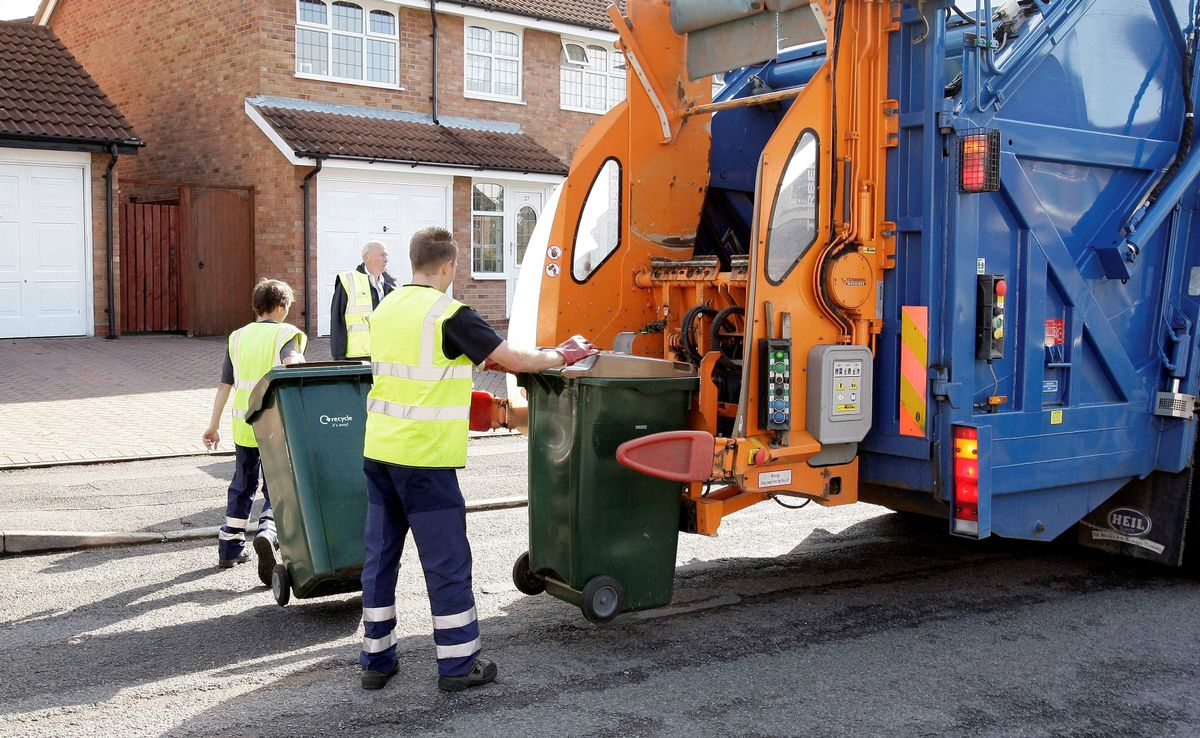
Bin men have a tough job (stock)(Image: SWNS)
He revealed: “I was surprised by the generosity and kindness some people showed us – we’d be out in the sun or working a heatwave, sweating and struggling, and so many people would come out with cold drinks and ice lollies, pushing them on us and making sure we had something to drink.
“They’d tip us too – but it was always the people who looked like they had nothing that did this. I couldn’t believe it, especially at Christmas, we’d get loads.”, reports the Mirror.
“I didn’t realise you could tip a binman until I started working for the council; our binmen were always finished before I woke up so I never saw them and never considered it. However, when working, there were some areas we’d reach later in the day where residents would always be waiting, insisting on giving us money.”
By contrast, more affluent areas gave them nothing. The former binman, 35, continued: “I would never expect a tip for doing my job, especially when people are paying council tax which is expensive, but it was always a nice bonus and when you’re lugging mountains of rubbish about – it felt good to get that recognition and kindness from people.
“We’d done this particular area, which was very working class and not at all wealthy, before we went to a really rich area and because we’d had tips from people with less, I assumed we’d get something from the rich people but we never got anything.
“My colleague just laughed at me when I mentioned getting a tip or a drink in this area. He then told me about the time he and one of our other colleagues helped a Premier League footballer.
“I won’t say who it was, but he had all this excess rubbish and recycling to get rid of and they helped him sort it out and took it all away when it wasn’t their responsibility to do that. He just said thanks and walked off.”

The bin man revealed poor people gave tips (stock)(Image: PAUL GILLIS / Reach PLC)
He continued: “I’m not saying you have to tip, I’m really not, but it was a shock to hear a millionaire who got extra help didn’t even bother with the gesture of a tip when people who are struggling to get by would ply us with drinks and snacks, then give tips on top. It was really eye opening.”
Numerous perspectives on life as a refuse collector are frequently shared across social media platforms. One individual turned to Reddit to express their appreciation.
They wrote: “Ever since I was young, whenever I messed up I was told that I would ‘end up like a bin man’ when I’m an adult. But I never understood it.
“I respect bin men, they wake up and handle garbage which many of us wouldn’t have the guts to do. And someone needs to do it.
“So whenever I walk past a garbage truck with someone operating it, I just give them a polite good morning. They deserve it!”
For the latest breaking news and stories from across the globe from the Daily Star, sign up for our newsletters.