
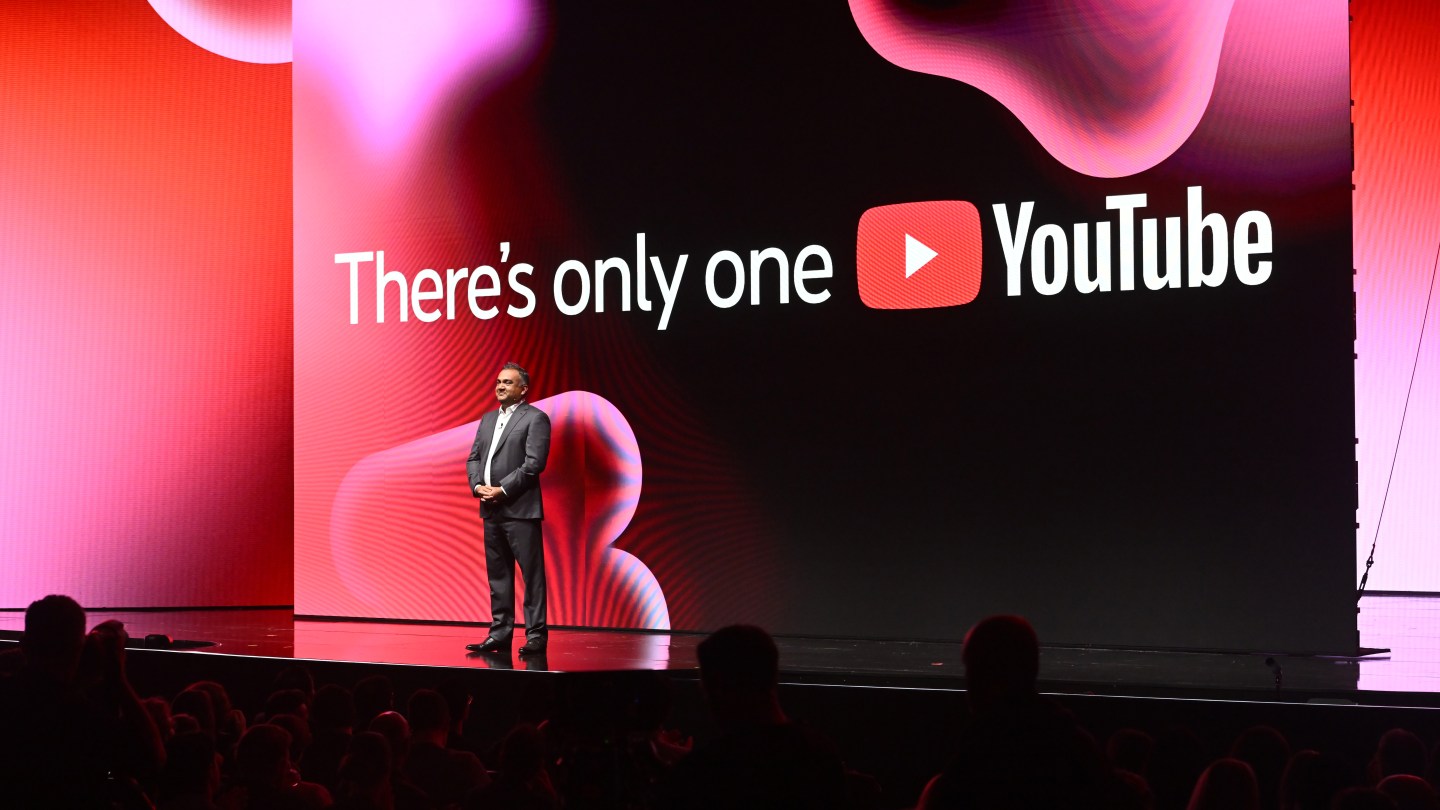
YouTube CEO Neal Mohan wants to make 2026 a year in which more creators build big, sustainable businesses … and a year in which artificial intelligence enables them to do it faster.
But in his annual letter to the YouTube community, which was published Wednesday morning, he also committed to fight AI “slop” and strengthening safeguards for kids and teens, underscoring the delicate balance that the world’s dominant video platform has to pursue as it seeks to grow even bigger.
Mohan framed this year as a pivotal one: “As we enter 2026, the lines between creativity and technology are blurring, sparking a new era of innovation. This inflection point requires ambitious bets,” he wrote.
Perhaps most importantly, Mohan is focused on pushing back against “AI slop,” while also opening the door to new types of content that the tech could enable, noting that “over the past 20 years, we’ve learned not to impose any preconceived notions on the creator ecosystem. Today, once-odd trends like ASMR and watching other people play video games are mainstream hits.”
“The rise of AI has raised concerns about low-quality content, aka ‘AI slop.’ As an open platform, we allow for a broad range of free expression while ensuring YouTube remains a place where people feel good spending their time,” Mohan writes. “But with this openness comes a responsibility to maintain the high quality viewing experience that people want. To reduce the spread of low quality AI content, we’re actively building on our established systems that have been very successful in combatting spam and clickbait, and reducing the spread of low quality, repetitive content.”
The executive noted that many creators are now building whole studios, underscoring how the creative dynamic has changed.
“The era of dismissing this content as simply ‘UGC’ is long over,” he wrote. “These are shows, built by creators who green-light themselves.”
And he reiterated his call for creators to receive more recognition from organizations like the Emmys.
He teased big changes coming to YouTube Shorts, including adding different formats like still images to enable more social conversation with creators, and once again highlighted all the products that are meant to grow monetization, like tools for brand deals that will let creators swap in or out brand integrations for library content.
And Mohan highlighted YouTube’s enhanced parental controls for kids and teens, which are meant to give parents more control over what their kids are watching.
And then there’s AI.
Mohan has leaned into AI tools over the last few years, including Dreamscreen (which lets users create a video background for shorts) and other experimental tech. In his letter Mohan highlighted “four areas we must get right in 2026” as the technology continues to proliferate.
For creativity, Mohan teased tools that will let users use AI to create Shorts featuring their likeness, and to experiment with music: “Just as the synthesizer, Photoshop and CGI revolutionized sound and visuals, AI will be a boon to the creatives who are ready to lean in,” he wrote.
And he says that AI will “transform the viewer experience” through features like autodubbing.
But with the promise of new tools comes new challenges, and Mohan doesn’t shy away from them, as with his comments about AI slop.
“It’s becoming harder to detect what’s real and what’s AI-generated. This is particularly critical when it comes to deepfakes,” he writes. So YouTube intends to double down on transparency and protections with AI labels, and told meant to allow creators to protect their likenesses.