
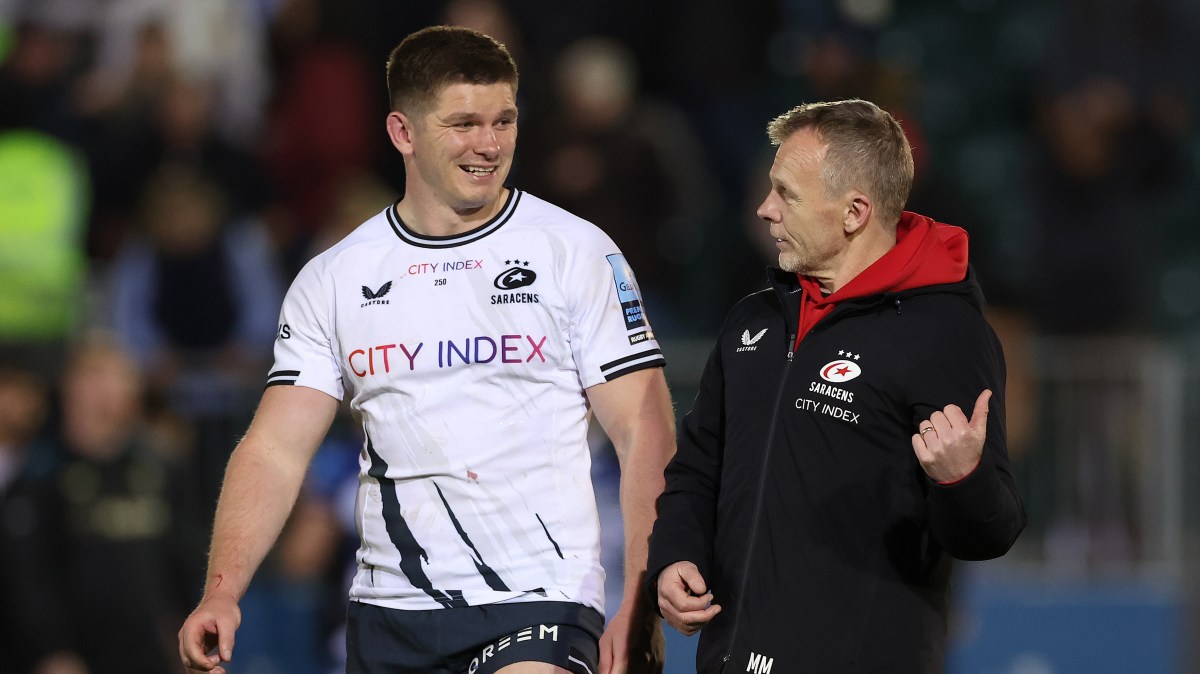
Mark McCall was the man at the heart of one of the most successful periods of any club — not just any rugby club — in this country. He was essential to Saracens’ tightness as a group, to their unique identity, to the way they drove new standards and to the way they stood for so long as the peerless rugby force in England and Europe. And yet he was right at the heart of the biggest scandal club rugby in England had ever experienced and it is hard to separate any one thing from the other.
He was also brilliant for England. If England had won the World Cup in 2019, as they should have done, then McCall would have been one of the chief reasons why.
His tenure at Saracens was notable for, among many things, the development of a generation of players who were as good as any that England had been able to field together since the World Cup-winners of 2003.
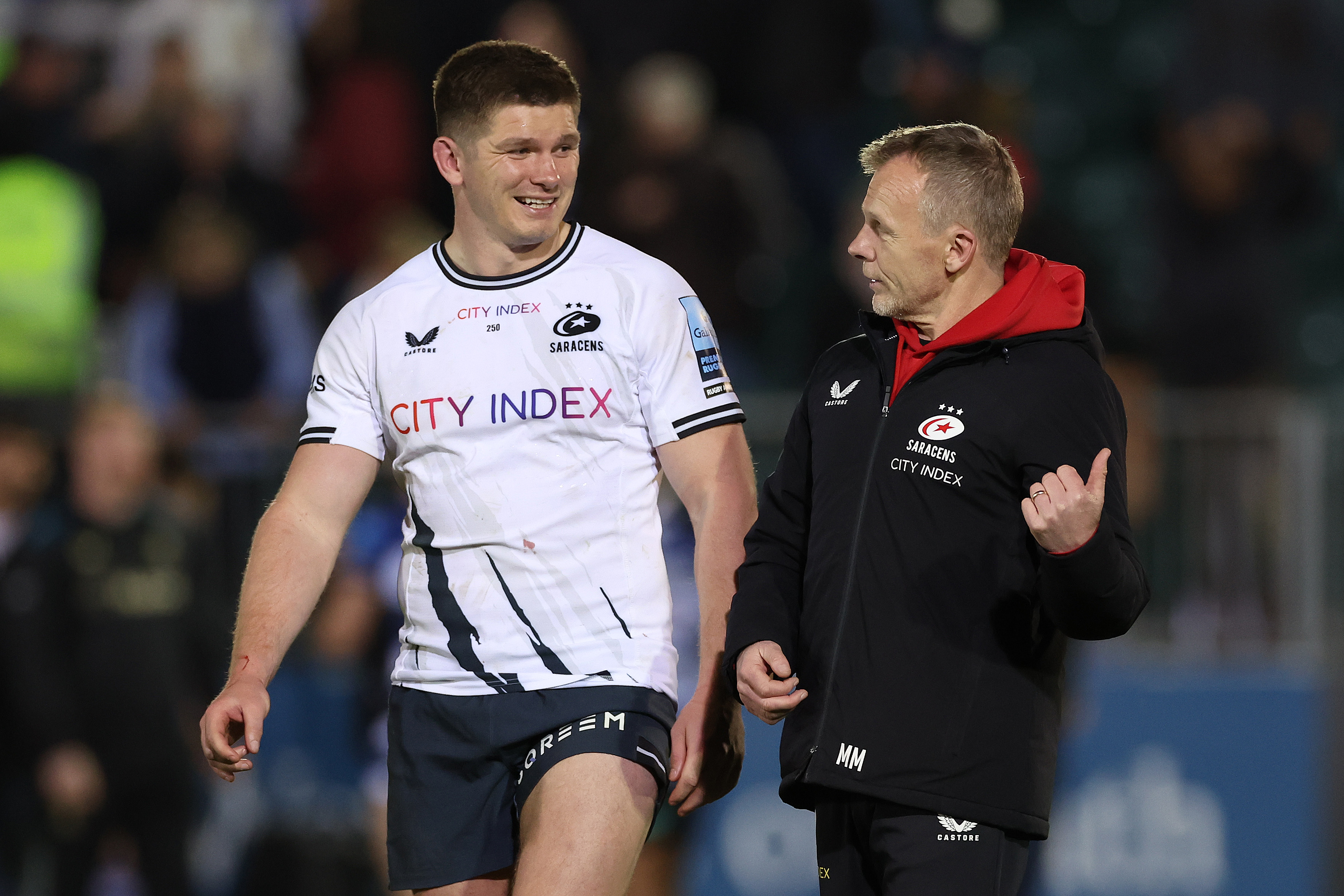
McCall’s tenure at Saracens has been notable for the development of a number of England players, including three captains, Farrell among them
MICHAEL STEELE/GETTY IMAGES
His production line at Saracens gave England Owen Farrell, Jamie George and Maro Itoje, all of them nurtured from within from a young age, all of them leading England players, all of them going on to be England captains. When Itoje was paired with another young Saracens product, George Kruis, England had a world-beating second row, and when all these four were on the field with Saracens’ two Vunipola brothers, Mako and Billy, they formed the core of the England team that put New Zealand to the sword in the 2019 World Cup semi-final. Had McCall been in charge instead of Eddie Jones, they probably would not have messed up the final.
At certain times in McCall’s reign at Saracens, he was the popular call to be the next England head coach. When you have a record that shows that you have won the Premiership six times and become champions of Europe three times, that is probably inevitable.
The style of rugby that Saracens played in their dominant years was not quite so much the envy of those chasing them. However, the gift that he gave to England was not just a generation of world-class players but this core of personnel who had learnt and fully understood the process of winning.
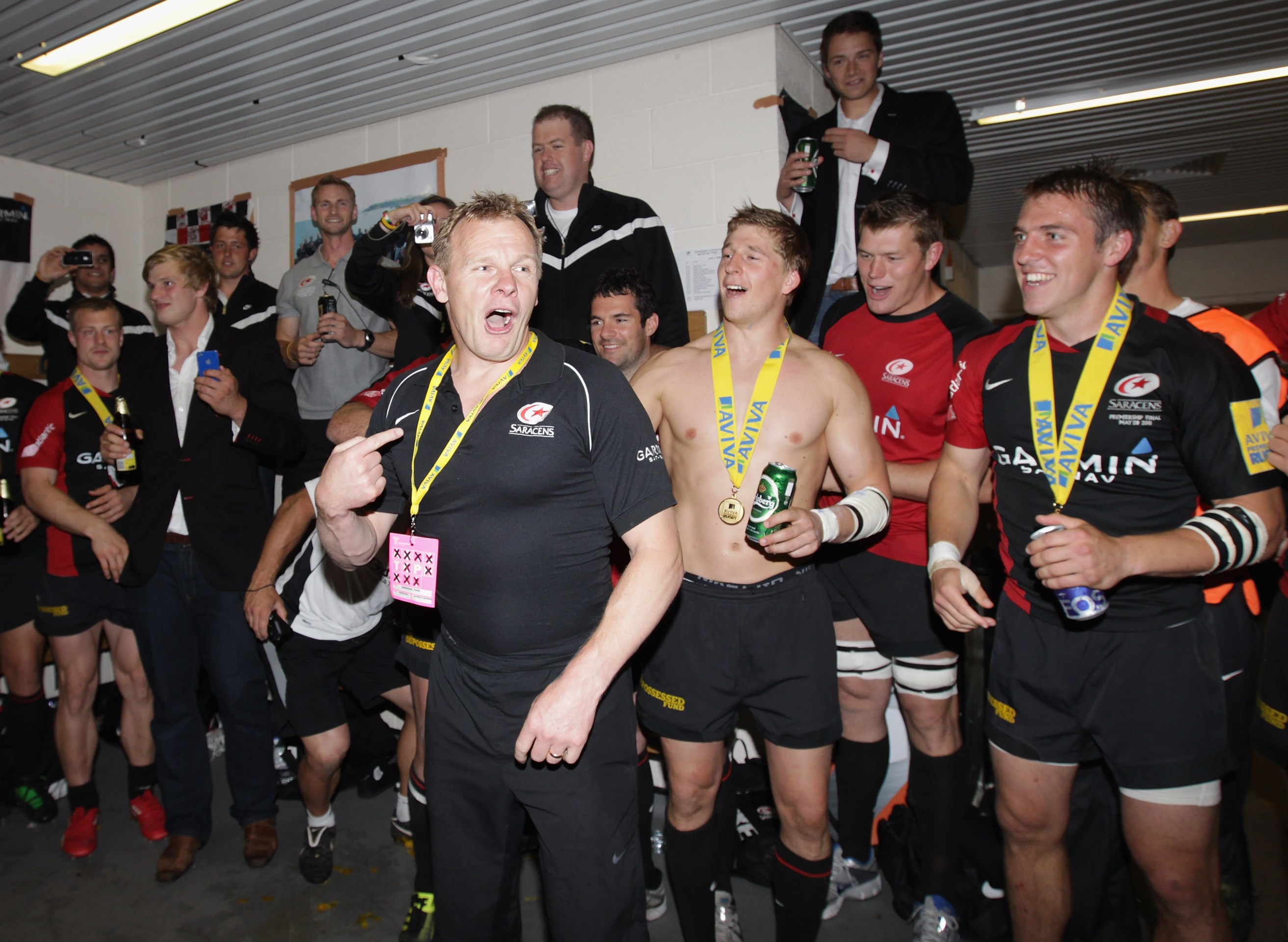
McCall leads the celebrations in the Twickenham dressing room after success over Leicester in the 2011 Premiership final
DAVID ROGERS/GETTY IMAGES
Jones was able to build his England team around them — a team that won a grand slam in 2016 and should have followed with a World Cup three years later.
What is hard to extract from that extraordinary concoction is the sins of Saracens’ crimes against the salary cap and what is also hard to pinpoint in any assessment of McCall and his 15 years leading Saracens was the extent to which he knew of the way that the club were operating.
In 2019, Saracens were found by a disciplinary panel to have breached salary cap rules and were given a points deduction that relegated them to the second-tier Championship, and a £5.4million fine. Nigel Wray, the club owner, had entered into co-investments with or provided loans to players that were not declared.
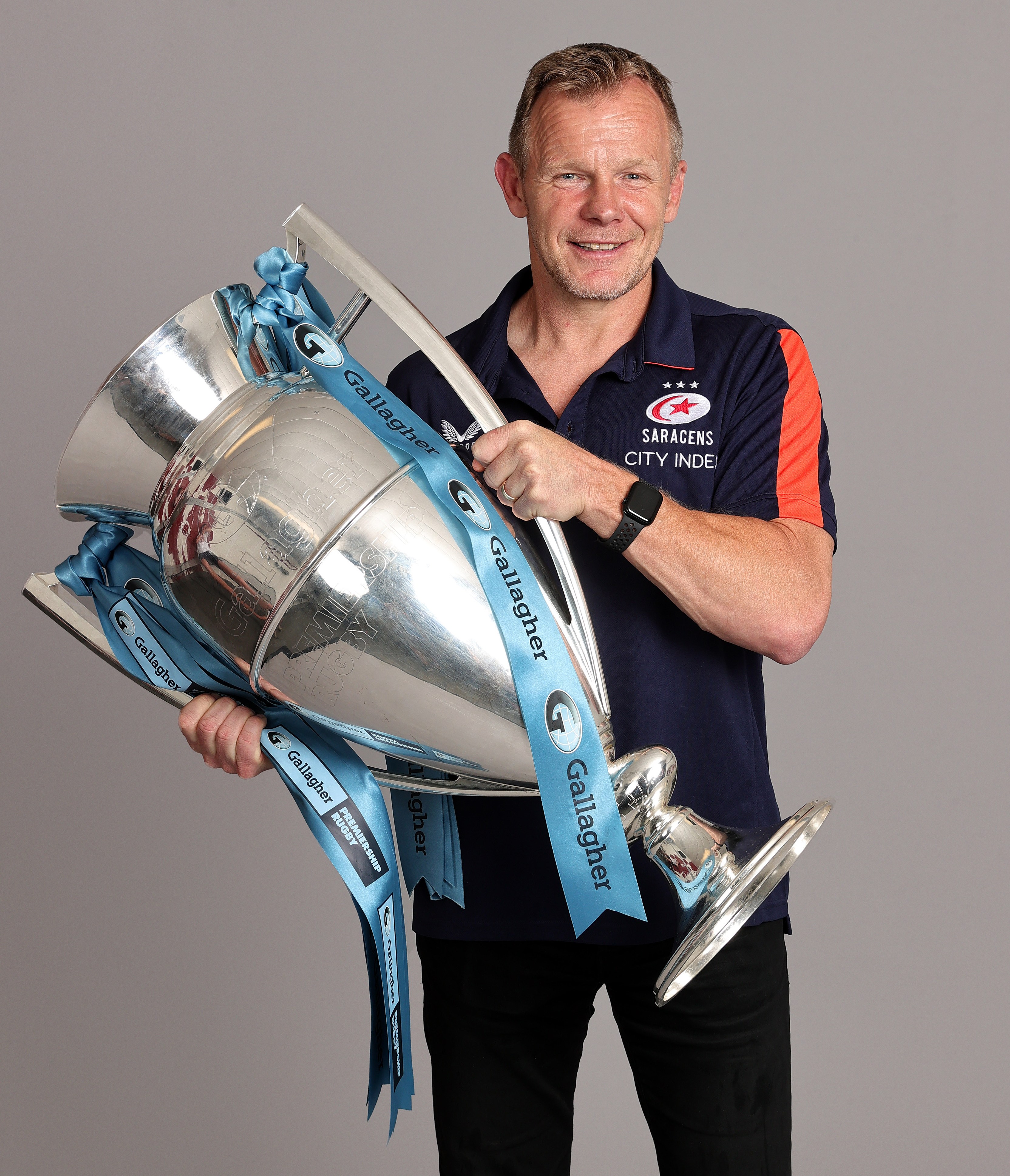
It is hard to see how McCall could not have known about the various financial deals with players
DAVID ROGERS/GETTY IMAGES
It is hard to see how he, as the director of rugby, could not have known about the network of financial deals with players. Even before the salary cap scandal hit the headlines, there were personnel from other clubs who struggled to look him in the eye. Yet when the truth all emerged late in 2019, he remained utterly untouched. It was quite the survival act.
What got the club through the scandal and the year of their humiliating demotion to the Championship was their culture and, in this, McCall was a key player.
Not a single player broke ranks, no one looked anywhere other than inward for support. This was the Saracens way of operating at a time of extreme stress.
The Saracens way was to welcome every member of the club into a body that was so tight, it was almost like a cult. This created a bond that was crucial to their years of success. This was then the bond that held them together when it seemed that the salary cap scandal would tear them apart. This was McCall’s achievement as much as anyone’s.

Itoje was reared in an environment of world-beaters at Saracens
SHUTTERSTOCK EDITORIAL
Yet what we cannot know is how it would have played out if they had not cheated the salary cap. If you do not have that illegal advantage in the personnel you recruit, then winning is clearly harder. And a winning culture is reinforced by victory — so what if Saracens weren’t winning? And would Farrell, Itoje et al have been so expertly developed if they hadn’t been reared within a group with all those world-beaters to learn from?
These are the what-ifs of England rugby history but also of McCall’s career. His greatest achievement is therefore what happened thereafter.
When Saracens came back to the top tier after spending 2020-21 in the Championship they were a stripped-back team who had been effectively mothballed for a season, yet they reached the Premiership final, where Leicester Tigers beat them by only three points. The following year they went the whole way.
Among an incredible record of success, that sixth title was by some distance McCall’s finest.