
(Credits: Far Out / julio zeppelin)
Sun 25 January 2026 12:08, UK
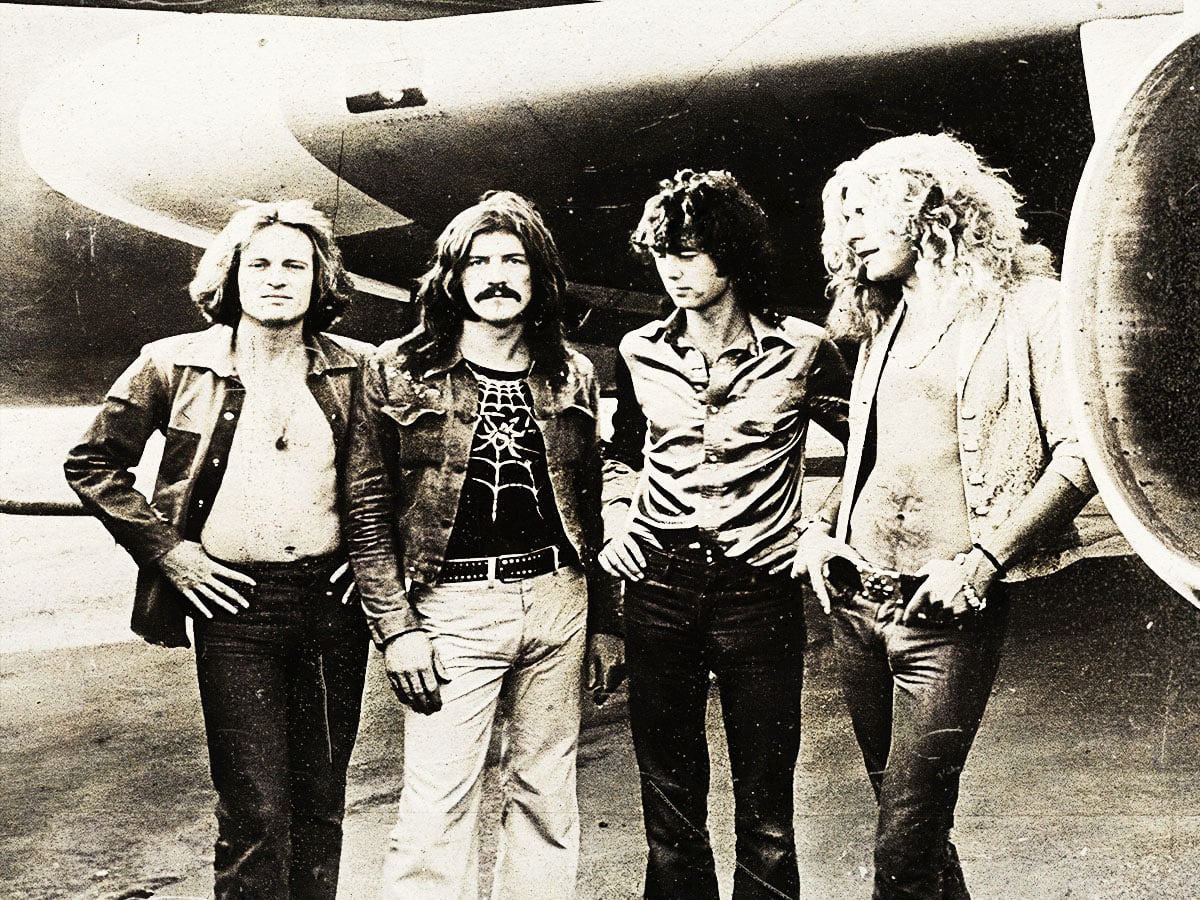
When a band has enjoyed a tremendous influence on the music industry, it’s fun to look back at what, in turn, was their influence. For Led Zeppelin, a large portion of their style came from the blues, which the band made heavier with a hard rock infusion. The unique concoction gave them an unstoppable sound that, for many, still hasn’t been topped to this day.
In taking a well-known genre and putting their own unique twist on it, Led Zeppelin developed a style that was instantly accessible, as it represented something new but not so far removed from the recognisable that people couldn’t connect with it. Pair that with the musical ability that each member of the band boated, and it was always going to be a recipe for success.
That being said, having their foundations so deep-rooted in the blues was also a problem. Sure, the band had a recognisable sound, but it came from a genre that relied heavily on live music and improvisation. As such, committing some of their songs to wax and getting music recorded became a struggle, as the band had issues with time signatures and pinning down what variation of their improvisation they wanted to be timeless.
For that reason, one song in particular that Led Zeppelin struggled with recording was the now-classic, ‘Since I’ve Been Loving You’. It entered their live set before they ever considered recording it, and when the time eventually came to press the big red button, the band couldn’t get it right.
The minute the song starts, that blues influence is instantly apparent. That string, dragged up, slowly plucked, is reminiscent of a BB King song. Robert Plant scatters his vocals, repeating and emphasising different words like he’s only just reading them for the first time; it’s all intrinsically blues. That unmistakable sound is why people like the song, but getting it right in the recording booth was a nightmare.
 Jimmy Page on stage for Led Zeppelin. (Credits: Far Out / Open Culture)
When the band played it live, they had the luxury of making mistakes. When performing, they would stretch the song out and experiment with it while trying different times to pull back and go all in with the sound. When committing something to tape, that luxury is gone, and everything needs to be done perfectly. This was less of an issue for songs like ‘Whole Lotta Love’ and ‘Immigrant Song’, which followed a strict structure, but the band struggled with ‘Since I’ve Been Loving You’ thanks to its improvisational feel.
In the end, the solution was to record the whole thing live rather than in separate parts. The only overdubbing you can hear on the recording is for Jimmy Page’s solo, which he tweaked slightly to make it sound better. If you listen carefully, you can hear how squeaky John Bonham’s bass drum pedal is, but the band did not intend to re-record the track once it was done.
The decision to cut it live also captures something essential about Zeppelin’s chemistry, which was never about polish for its own sake. Their best moments often come from the sense that the band are listening to each other in real time, leaning into the push and pull of the groove rather than locking everything to a grid. On a song like ‘Since I’ve Been Loving You’, that tension is the whole point, and you can feel it in the way the performance breathes, with Plant phrasing against the beat and Page letting notes hang just a fraction longer than you expect.
It also explains why the imperfections have become part of the track’s mythology instead of a distraction. The squeak, the slight roughness around the edges, the sense that you are hearing the room as much as the instruments, all of it makes the recording feel like a document rather than a construction. Plenty of bands can play the blues, but far fewer can make it sound like a living thing under studio lights, and Zeppelin’s willingness to keep the take is a reminder that sometimes the “right” version is simply the one with the most truth in it.
Having a blues background and relying so heavily on improvising will have undoubtedly played a massive role in the members of Led Zeppelin becoming such masters of their instruments. This contributed to their success, but it also came with setbacks, given recording a lot of their songs came with huge hurdles that a studio isn’t equipped to overcome.
Related Topics
The Far Out Led Zeppelin Newsletter
All the latest stories about Led Zeppelin from the independent voice of culture.
Straight to your inbox.