
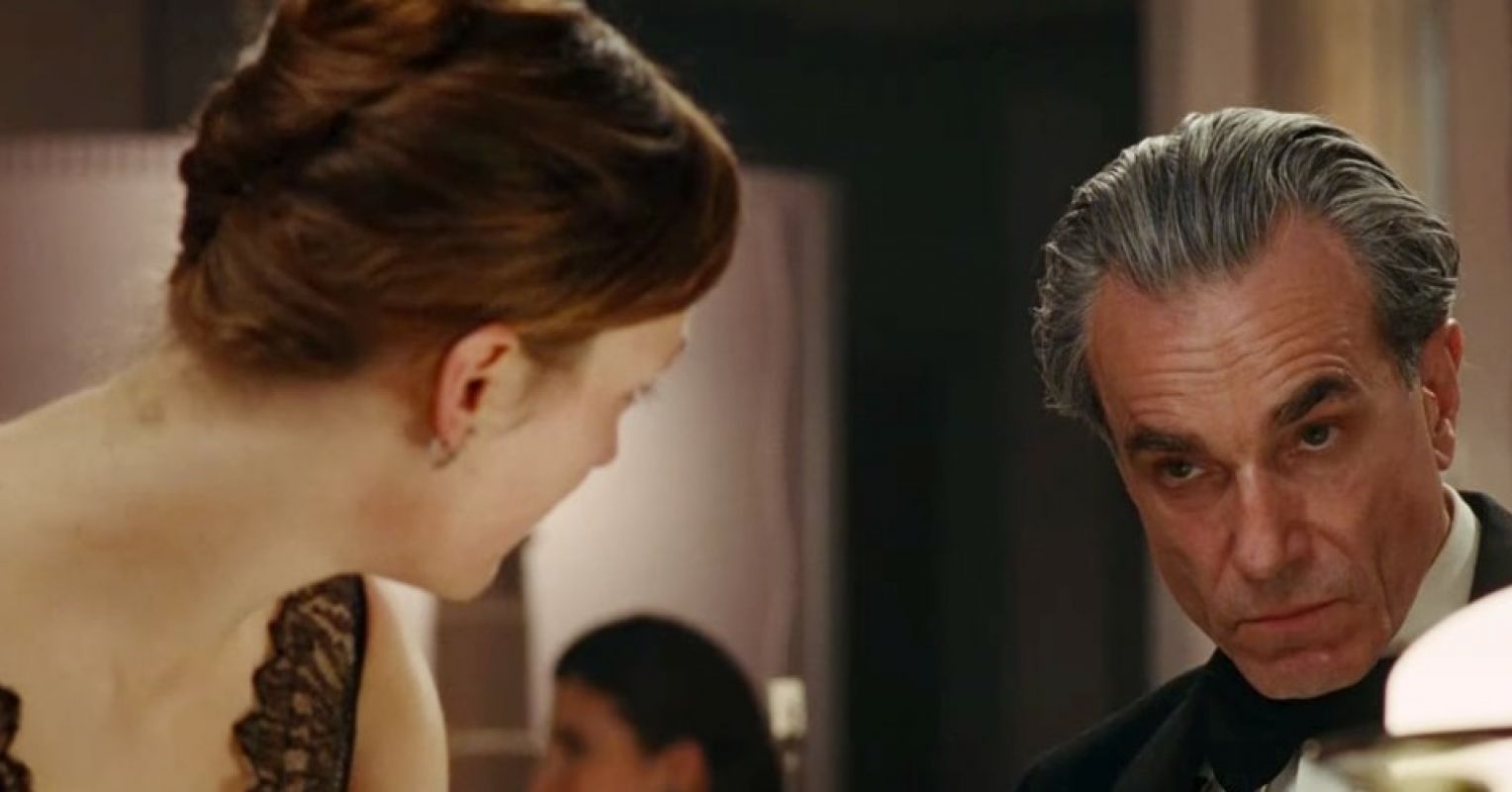
Some films are able to deeply capture the essence of a particular trait. Through them, you witness and infer its patterns and functions, what it conceals about the individual’s values and even fears. Perfectionism, the belief that one has to be perfect all of the time, everywhere, and to everyone (and/or that another ought to be perfect for them), is flawlessly exhibited in the 2017 film Phantom Thread, about the fictitious fashion designer Reynolds Woodcock, who operates a fashion house in 1950s London. To say Reynolds is meticulous is an understatement.
Reynolds is deeply self-possessed, embodying many of the mantras of the contemporary self-help industry. Emotions are his enemies. And much of his rigidity is aimed at suppressing them. He silences chaos with routine, external noise through shame, and people with rage. Seldom is there deep refection. Hardly does he ask: Why does this bother me so much? Is there something about it that makes me feel afraid? He lives on almost pure instinct and compulsivity. To Reynold’s, on the surface, everything merely feels like something to be owned and contorted; he treats his partners as he treats his dresses — remolding nature into his image.
In some ways, he is a god. In a conversation with a woman he later marries, Alma, she tells him that she believes he only acts strong, to which he defiantly responds, “I am strong.” She’s one of the few people in his life who cares enough to peer through the veil. She isn’t an employee or a customer, and this is early in their relationship, so there isn’t much benefit to passively allowing him to continue live out his fantasy (he hasn’t made any promises nor she seem to value his wealth). Reynolds is the ultimate avoidant. He avoids confrontation as much as noise, yet fails to admit that it may scare him, too. But, fundamentally, he profoundly struggles with emotional processing. When failing to contain his emotions, he falls into deep despair, reverting to a childlike state.
Adding to noise and confrontation, he also detests anything joyous, as though that could somehow be associated, inevitably, with pain. To me, that is the basic expression of perfectionism, an example of an individual overusing and misusing routine, management, and work to avoid any of their feelings. At bottom, he doesn’t allow himself to feel anything. No success seems to matter. And failures are challenged with obsessive work, doing more in frenzied attempts to offset them. His life, to the outsider, feels empty. But, Alma sees through it and stays. And we begin to see him through her eyes.
He does allow one emotion — passion. Devoted, he finds his work to be incredibly meaningful, finally expressing pain when he discovers a client of his purchased a dress at another fashion house. Comparing his work to those who produce trendy clothing, he expresses disdain at anything less than pure beauty, which takes real effort, talent, and, most importantly, an immense amount of sacrifice to produce. Reynolds is a man at odds with the world, and its too frequent preoccupation with popularity over quality, and himself, unable to to discontinue the extreme and cyclical nature of his emotional states.
Reasonably, we can conclude that Reynolds displayed symptoms of what appeared to be bipolar disorder. Therefore, his fear of emotions can be reduced to his fear of depression patients with bipolar disorder frequently note they fear their manic or hypomanic states, and even just basic happiness, because they know what follows them. Often, they use perfectionism as a levee, solidifying it each time breaks in large part due to the fanciful conviction that discipline is the key to emotional mastery.
Reynolds would have been incredibly popular had he been real and had he lived in our time, maybe even producing videos and books for the manosphere. He was a bastardization of stoicism and mental well-being, more broadly. Yet, the film’s end brought hope. Alma perceived his depressive state differently; she believed it brought out the best parts of him, telling him that she even preferred him in it (only in comparison to his obsessiveness). He was childlike, yet vulnerable, but most importantly, open and grateful. When she remarked that he only appeared strong, it wasn’t intended as an insult, although he obviously understood it to be one. She found the parts that made him human, his passion and curiosity (aimed toward her for a while), to be endearing. Most importantly, she adored his dependence and his childlike need for her. (Arguably, that may be true, in large part (though not fully), because of the contrast stemming from the cycle.)
In the end, Reynolds accepts her as he accepts this part of himself, the weakness he spent all of his days trying to unsuccessfully extricate. One hopes that he discontinues his obsessions, at least somewhat, but we know better. The best we can and should hope for is for him to not only make peace with his depressive episodes but to find some degree of solace in them, to even appreciate them as another expression of him, which is lovable in all of its parts.