
Colossal iron ore treasure also upends what we thought was Earth’s backstory
Daniel Smith Interim Head of Operations – Content Hub & GAU
11:54, 22 Jan 2026Updated 10:50, 26 Jan 2026
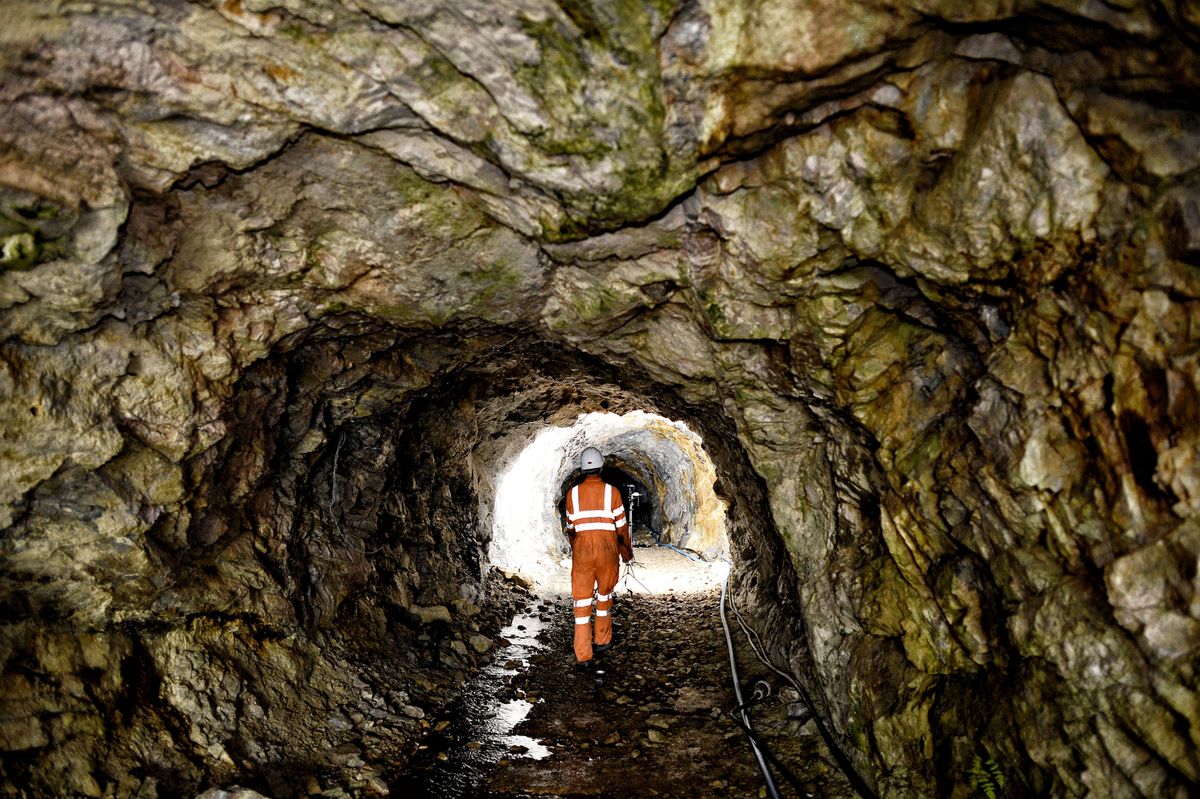
Geologists say they have discovered a rich deposit (Image: SWNS)
The world’s ‘biggest’ ever iron ore jackpot has been found – a stash that could be worth £4.5trillion and threatens to redraw the global economy.
Geologists say they have discovered a rich deposit buried deep beneath Western Australia – an estimated 55 billion metric tons of ore with iron content topping 60%.
Located in Pilbara’s remote Hamersley region, the deposit boasts iron levels so high that it can be dug up more efficiently than other mines and with less waste.
For more eye-watering chemical finds, check out this strange discovery or this £4m banana.
Australia already dominates global iron ore exports, and a deposit of this scale could cement its grip for decades and reshape price dynamics and supply chains, reports Futura Sciences.
With iron essential for steel – the backbone of construction, transport and energy – major buyers such as China will be watching closely.
The discovery, detailed by a team including researchers at Curtin University, doesn’t just add an eye-watering new resource to Australia’s ledger.
It also upends parts of Earth’s backstory. Using advanced imaging and isotopic testing, the scientists revised the age of key formations from about 2.2 billion years to roughly 1.4 billion – a seismic shift in the geological timeline that ties the deposit’s formation to ancient supercontinent cycles.
The buried giant was revealed through cutting-edge chemical and isotope techniques that measured both the extent and the purity of the ore. Earlier assumptions put the average iron content closer to 30%. The new picture is far richer – and far bigger.
Even for a country built on mining, bringing a resource like this to market isn’t a flick of a switch.
Any development would require years of exploration, environmental assessments, infrastructure, and regulatory approvals – and would involve consultation with Traditional Owners. Market reality also bites: prices, global demand, and logistics ultimately determine what gets mined and when.
However, a find of this magnitude strengthens Australia’s hand in commodity diplomacy, could influence trading relationships, and may spur exploration in similar ancient crustal regions worldwide.