

The crisis is resulting in life-altering medical conditions
Ketamine crisis in Merseyside(Image: Smartboy10 / Getty Images)
The continuing crisis of ketamine use is causing untold misery in communities across Merseyside, and resulting in life-altering medical conditions especially among young people. In fact, the latest study into ketamine use in Knowsley, shows the age profile for ketamine-related harm is decreasing, with cases involving long-term health complications rising, and the youngest patient referred being just 12 years old.
The study said its evaluation team had gained a “comprehensive understanding” of the issues surrounding ketamine in Knowsley, the extent of the life changing physical and mental health harms that ketamine dependence can cause, and its “hugely concerning impact” on increasing use, especially in young people.
Presenting the report to Knowsley Council’s cabinet (January 21) was Chairperson of the Health and Adult Social Care Scrutiny Committee, Cllr Aimee Wright who led the review of ketamine use in Knowsley, but acknowledged “the full extent of the ketamine issue is not fully known”.
In relation to policing approaches to ketamine use, cabinet members said its ambition to promote early identification and prevention could conflict with current national policing policy around the issue. Feeding into the council’s assessment was Merseyside Police’s Chief Inspector Ray Mavrakakis, who outlined the details of these ‘conflicts’, some of which were noted in the report.
It stated: “Despite intelligence suggesting ketamine is being dealt outside schools, colleges and parks to children, and in some cases, by children, current national policing policy does not support stop and search, or arrest of under 18-year-olds, and drug testing on arrest is limited to Class A substances for those aged 18 and over.”
Members said changes in policing policy could enable more safeguarding interventions and timely referrals, and led the committee to put forward a series of recommendations, including the advocacy of a safeguarding-led approach in national policing policy.
Furthermore, the council said it would lobby government to support the provision of dedicated regional young person services directly linked to ketamine-related harm, such as detox and mental health services.
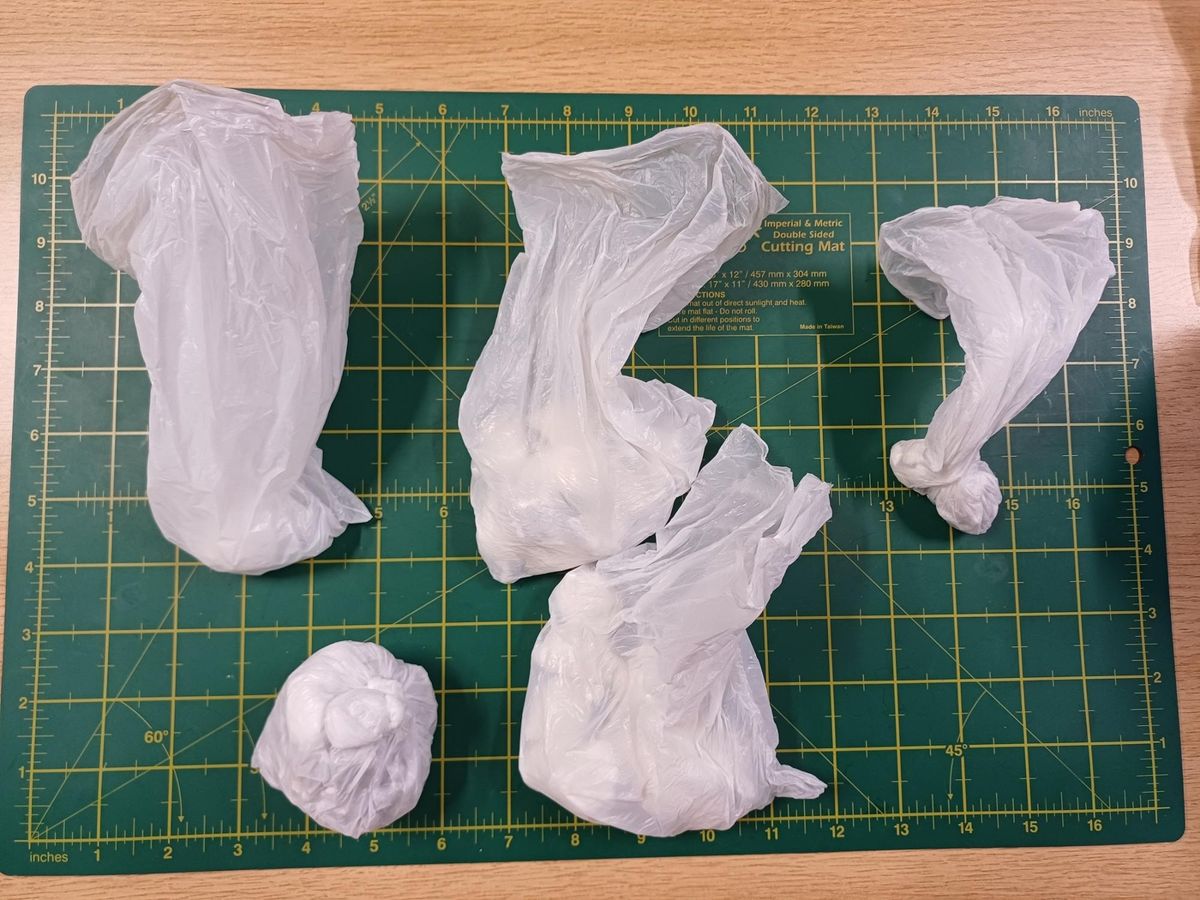
Quantities of suspected Class B (ketamine) seized earlier this week by Merseyside Police(Image: Merseyside Police)
One of the innovations mentioned in the report was an initiative led by the Consultant Urological Surgeon at Whiston Hospital, who introduced a standardised emergency department assessment, the first of its kind in the region, to support NHS staff managing “ketamine related presentations”.
Additionally, the hospital set up a direct referral pathway from the emergency department to urology and ensured patients with suspected ketamine bladder syndrome (KBS) received specialist care, as promptly as possible.
KBS is a severe, often irreversible, inflammatory condition of the urinary tract caused by the recreational, long-term use of ketamine. When ketamine is metabolized, its byproducts damage the lining of the bladder, leading to chronic inflammation, ulceration, and fibrosis.
Symptoms often appear gradually but can become severe, significantly impacting quality of life, and include the need to urinate every 10 to 15 minutes, an intense burning sensation when passing urine and, in many cases, incontinence.
In relation to paediatric acute care, Knowsley Council also welcomed the establishment of a paediatric urology clinic led by Alder Hey Hospital’s Consultant in Paediatric Public Health Medicine, Professor Rachel Isba, designed to address ketamine related bladder issues.
Urology specialists at Alder Hey and Whiston Hospitals reported a concerning trend of younger and younger people needing treatment ketamine-related harm, including one case which involved a 12-year-old child. The study’s evaluation team also heard testimony from young people who both described their progression from occasional use to regular use, dependence, and addiction.
Cllr Wright reported the testimony of those young people, which detailed the severe physical harm and negative impact on their lives, highlighting the missed opportunities for earlier intervention, whilst noting that greater awareness among trusted adults could have made a difference.
During the course of the review and additional evidence gathering sessions, the committee heard a lot about different cohorts of people who may be more susceptible to ketamine dependence.
Mental health support
Helplines and support groups
The following are helplines and support networks for people to talk to, mostly listed on the NHS Choices website
Samaritans (116 123) operates a 24-hour service available every day of the year. If you prefer to write down how you’re feeling, or if you’re worried about being overheard on the phone, you can email Samaritans at jo@samaritans.org.CALM Campaign Against Living Miserably (0800 58 58 58) is a leading movement against suicide. It runs a UK helpline and webchat from 5pm to midnight 365 days a year for anyone who has hit a wall for any reason, who need to talk or find information and support.PANDAS (0808 1961 776) runs a free helpline and offers a support service for people who may be suffering with perinatal mental illness, including prenatal (antenatal) and postnatal depression plus support for their family or network.Childline (0800 1111) runs a helpline for children and young people in the UK. Calls are free and the number won’t show up on your phone bill.PAPYRUS (0800 068 41 41) is an organisation supporting teenagers and young adults who are feeling suicidal.Mind (0300 123 3393) is a charity providing advice and support to empower anyone experiencing a mental health problem. They campaign to improve services, raise awareness and promote understanding.Students Against Depression is a website for students who are depressed, have a low mood or are having suicidal thoughts.Bullying UK is a website for both children and adults affected by bullying.Amparo provides emotional and practical support for anyone who has been affected by a suicide. This includes dealing with police and coroners; helping with media enquiries; preparing for and attending an inquest and helping to access other, appropriate, local support services. Call 0330 088 9255 or visit www.amparo.org.uk for more details.Hub of Hope is the UK’s most comprehensive national mental health support database. Download the free app, visit hubofhope.co.uk or text SHOUT to 85258 to find relevant services near you.Young Persons Advisory Service – Providing mental health and emotional wellbeing services for Liverpool’s children, young people and families. tel: 0151 707 1025 email: support@ypas.org.ukPaul’s Place – providing free counselling and group sessions to anyone living in Merseyside who has lost a family member or friend to suicide. Tel: 0151 226 0696 or email: paulsplace@beaconcounsellingtrust.co.ukThe Martin Gallier Project – offering face to face support for individuals considering suicide and their families. Opening hours 9.30-16.30, 7 days a week. Tel: 0151 644 0294 email: triage@gallierhouse.co.ukJames’ Place – supports men over 18 who are experiencing a suicidal crisis by providing quick access to therapy and support. Call 0151 303 5757 from Monday to Friday between 9.30am and 5.30pm or visit https://www.jamesplace.org.uk/
Professor Isba said young people who had suffered from adverse childhood experience and trauma could be at risk of ketamine dependence, and it was noted by the committee that the covid pandemic could be considered as an adverse childhood experience for many, if not all young people.
Professor Isba also outlined that young people with diagnosed or undiagnosed conditions such as ADHD were at risk of ketamine dependence, and there was also a strong relationship between mental health conditions and substance misuse. The committee also recognised that young people with other undiagnosed neurodiversity conditions were at risk of developing ketamine dependence, using the drug for “escapism and self-medication”.
Knowsley Youth Justice and Shield Protection Services confirmed it is seeing a prevalence of ketamine use in the missing children cohort, and concerns were raised about other potentially at-risk groups such as young people with care experience and young people not in education, employment, or training. A developing theory within Youth Justice and Shield services is that young people with ketamine dependence were vulnerable of being exploited.
More broadly, it was acknowledged as a priority that early detection and intervention was key to reducing the harms caused by ketamine, with council officers and health professionals all acknowledging the complexities around this, given ketamine use was often easy to hide, early signs are hard to spot, and users only seek treatment when symptoms are severe.
More problematically, the report highlighted how users often want treatment for symptoms initially, but do not want to stop using.
Concluding the presentation of the review in ketamine use in Knowsley, Cllr Wright said: “Over the course of a full review day, supported by two further evidence gathering sessions, we developed a clear and often sobering understanding of the significant physical and mental health harms linked to ketamine dependence and the deeply worrying rise in use, particularly among young people.
“We heard from an exceptional range of clinicians, academics, service providers, council officers and partners, all of whom demonstrated real urgency and commitment in tackling this issue. We were especially encouraged by the strength of the partnership approach already in place, and by the quality of treatment and support being provided, including at the Change Grow Live integrated recovery service in Kirkby.
“Crucially, we also heard directly from two service users who generously shared their personal experiences. Their honesty and insight has a profound impact on our work and shaped several of our recommendations.”
Support is available for those going through issues raised in this article. Contact Change, Grow, Live (CGL) on 01744 410752 or visit www.changegrowlive.org.