
Was 2025 the year London truly became a cycling city? When the first velocipedes appeared in London in 1819, the Victorians nicknamed them “dandy horses” and “boneshakers”, and their riders have sometimes been called much worse. But bicycles have steadily grown from an eccentric 19th-century novelty to a dominant force — perhaps the dominant force — on the city’s streets.
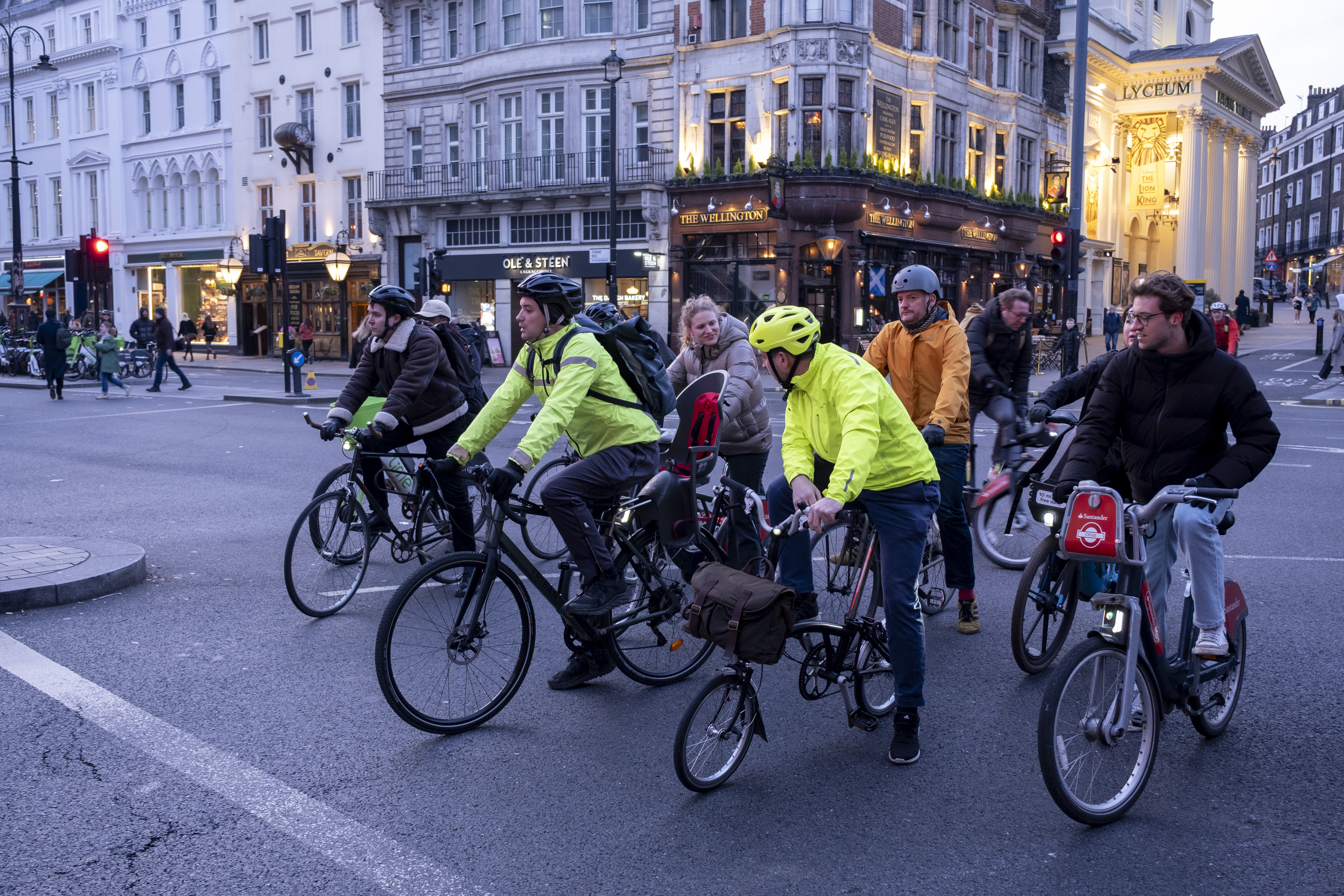
Recent data from Transport for London (TfL) revealed another double-digit percentage increase in cycling in the capital in 2025, to 1.5 million daily journeys — roughly equivalent to the combined daily ridership of the Northern and Piccadilly London Underground lines, and a surge of 43 per cent compared with 2019.
The accelerated uptake can be attributed to several factors, including the increased availability of rental e-bikes and consistent investment in cycling infrastructure. Since 2016, TfL’s network of cycleways has grown almost fivefold from 90km to 431km. And when cyclists brave the roads alongside motor vehicles, they no longer find what the MP Anthony Steen described in 1995 as “a battlefield, with every inch contested.” There are fewer vehicles in the city centre, and they drive much slower than they did in the Nineties.
MIKE KEMP/IN PICTURES/GETTY IMAGES
The uptake is particularly marked among commuters. In the City of London, cyclists now comprise 56 per cent of all traffic in peak commuting hours. Heatwaves and strikes gave many the nudge to try cycling for the first time last year, with Lime and Santander Cycles reporting usage surges of more than 70 per cent during the first day of the September Tube strikes.
• Bike crashes rise during Tube strike, ambulance service says
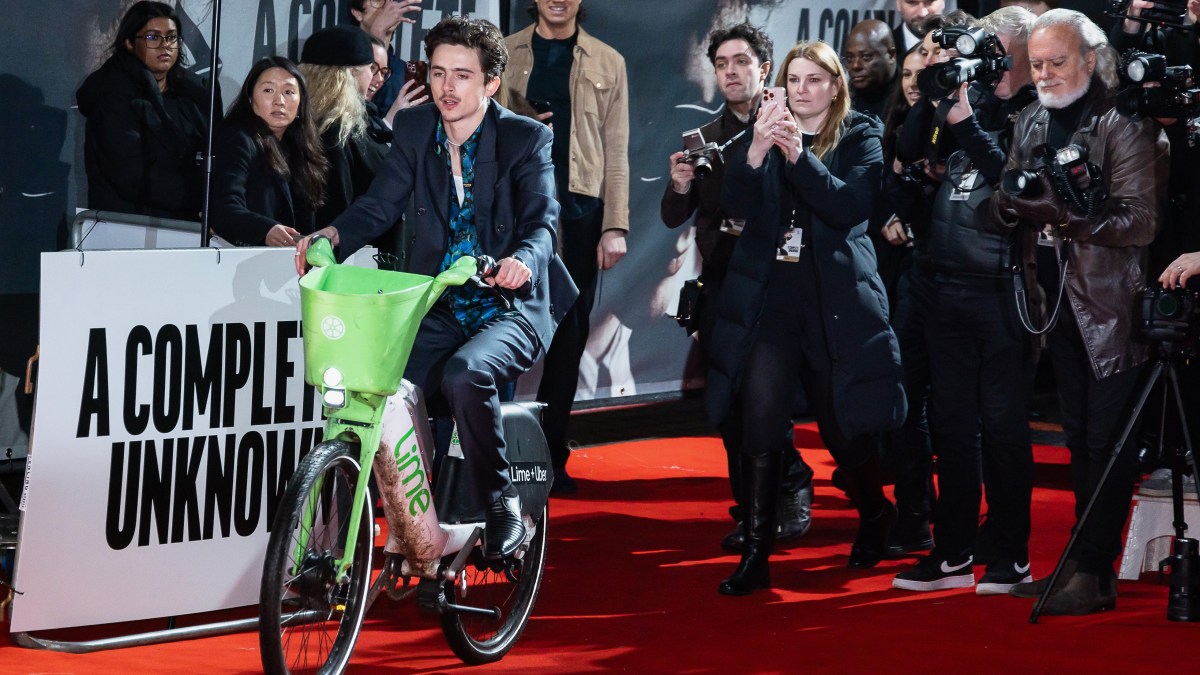
It was also a year in which cycling made an unlikely entrance into the fashion sphere. Timothée Chalamet set the tone in January when he arrived at the London premiere of A Complete Unknown aboard a Lime bike (which he claims led to a fine of £65 for improper parking). His example was then followed by stars including Pedro Pascal, Olivia Rodrigo, and even several professional Japanese sumo wrestlers. In September, Vogue declared the Lime bike to be “the most coveted accessory” at London Fashion Week, and the England cricket team — back when they were popular — arrived at a match at the Oval on them after their team coach became stuck in traffic.
What next, then? TfL has promised to extend the cycleway — which at present runs to 431km, comparable to Copenhagen’s in length but in a city far larger — by about 30 to 40km a year, with a particular focus on areas of outer London where the network remains most sparse. In 2026 cyclists can expect new cycle lanes in areas including Woolwich, Newham, Hammersmith and Streatham Hill.
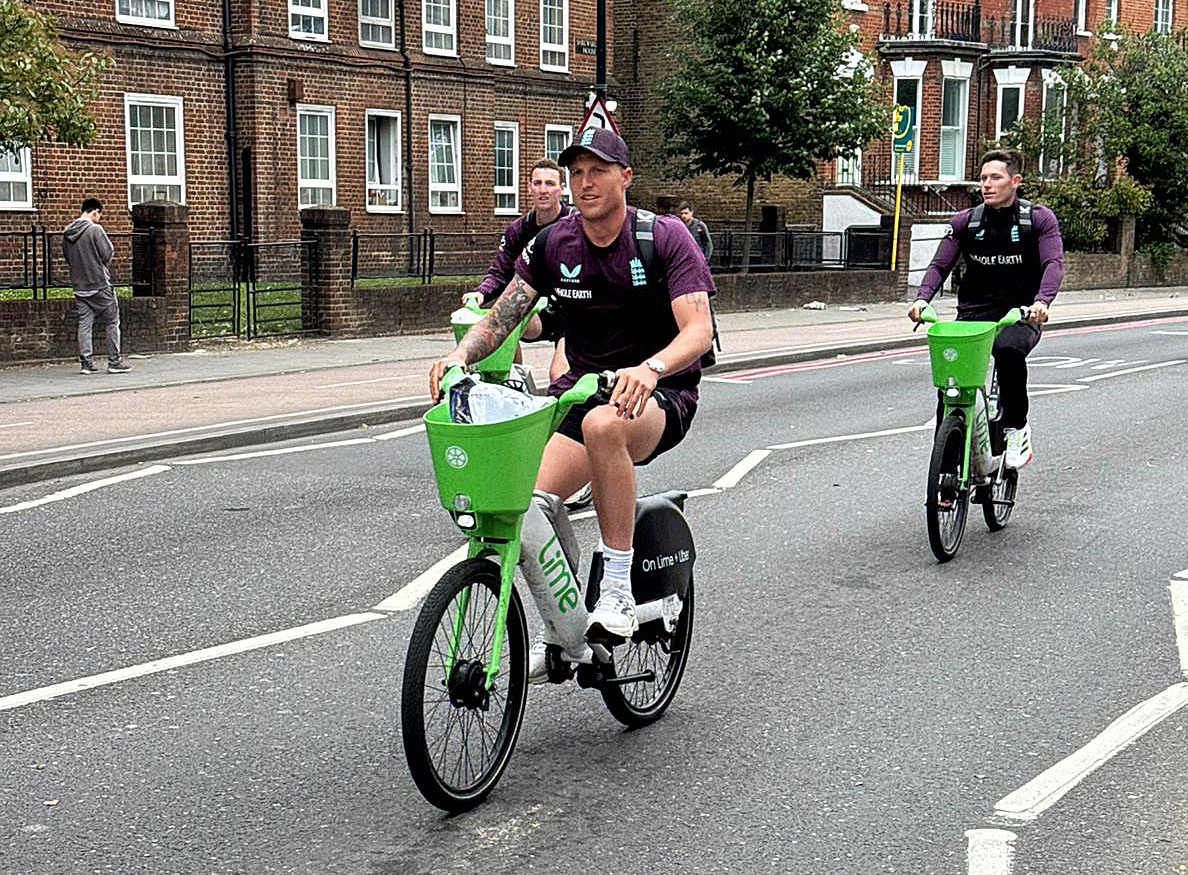
Harry Brook, Brydon Carse and Matthew Potts travelling to their match against the West Indies at the Oval in June last year
PAUL CHILDS/REUTERS
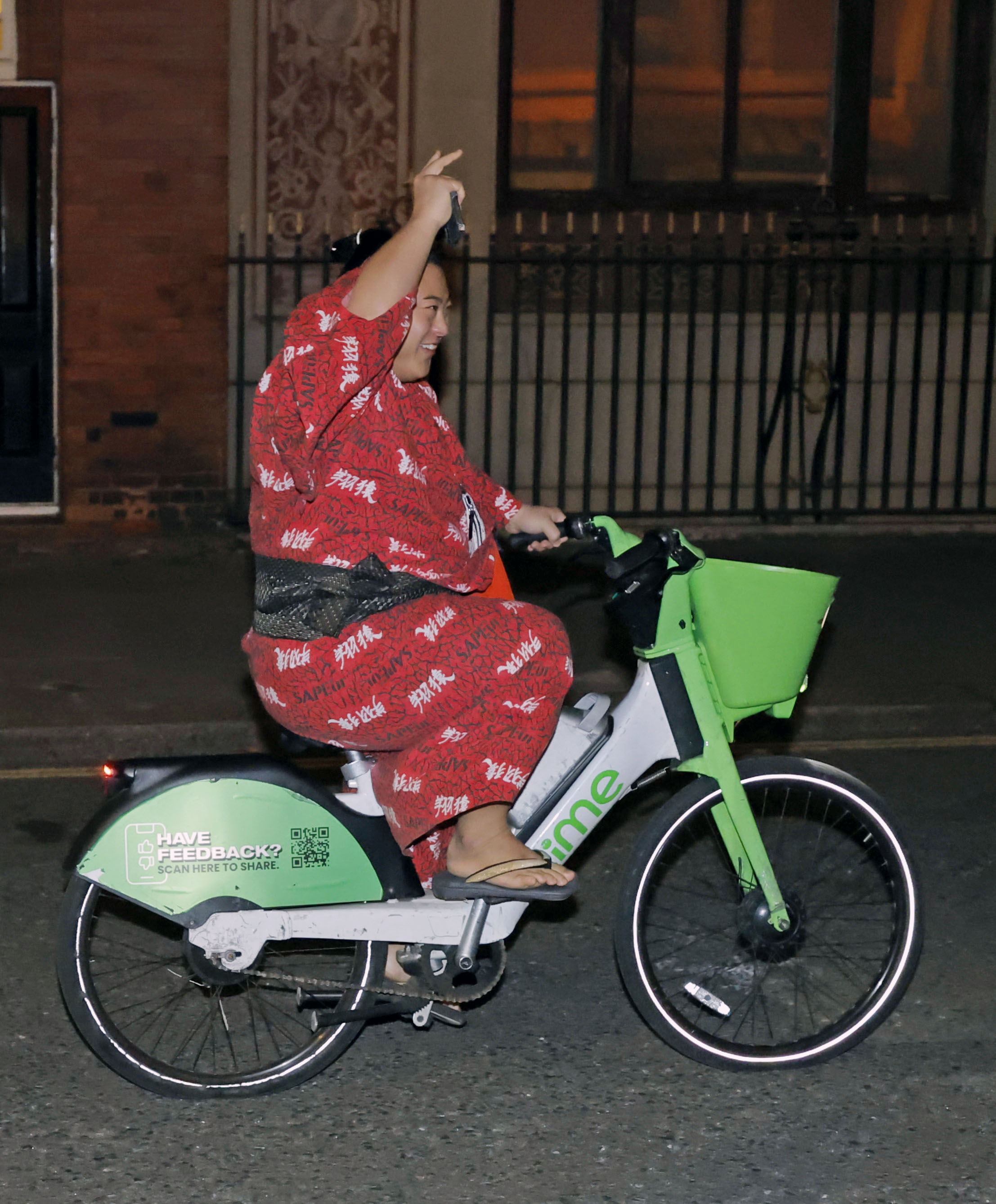
The sumo wrestler Tobizaru rides an e-bike during last October’s Grand Sumo Tournament
KYODO NEWS VIA GETTY IMAGES
The risk of cycling in London should continue to decrease this year. “We know the biggest barrier to people cycling is not feeling safe,” Will Norman told The Times at a café near TfL’s Southwark headquarters. Norman, who cycles to Southwark from his home in Hackney every morning, has been the city’s walking and cycling commissioner since the role was established under Sadiq Khan in 2016. He is continuing to push for zero annual transport deaths by 2041 as part of the city’s Vision Zero strategy. “You can’t have any other target than zero. Some will say that’s impossible, but Helsinki has done it and Oslo has done it,” Norman says, referring to feats achieved in Helsinki in 2025, and Oslo in 2019 and 2023. In comparison, 110 people were killed in road accidents in London in 2024, and 253 in New York.
• More than half of London cyclists admit they often run red lights
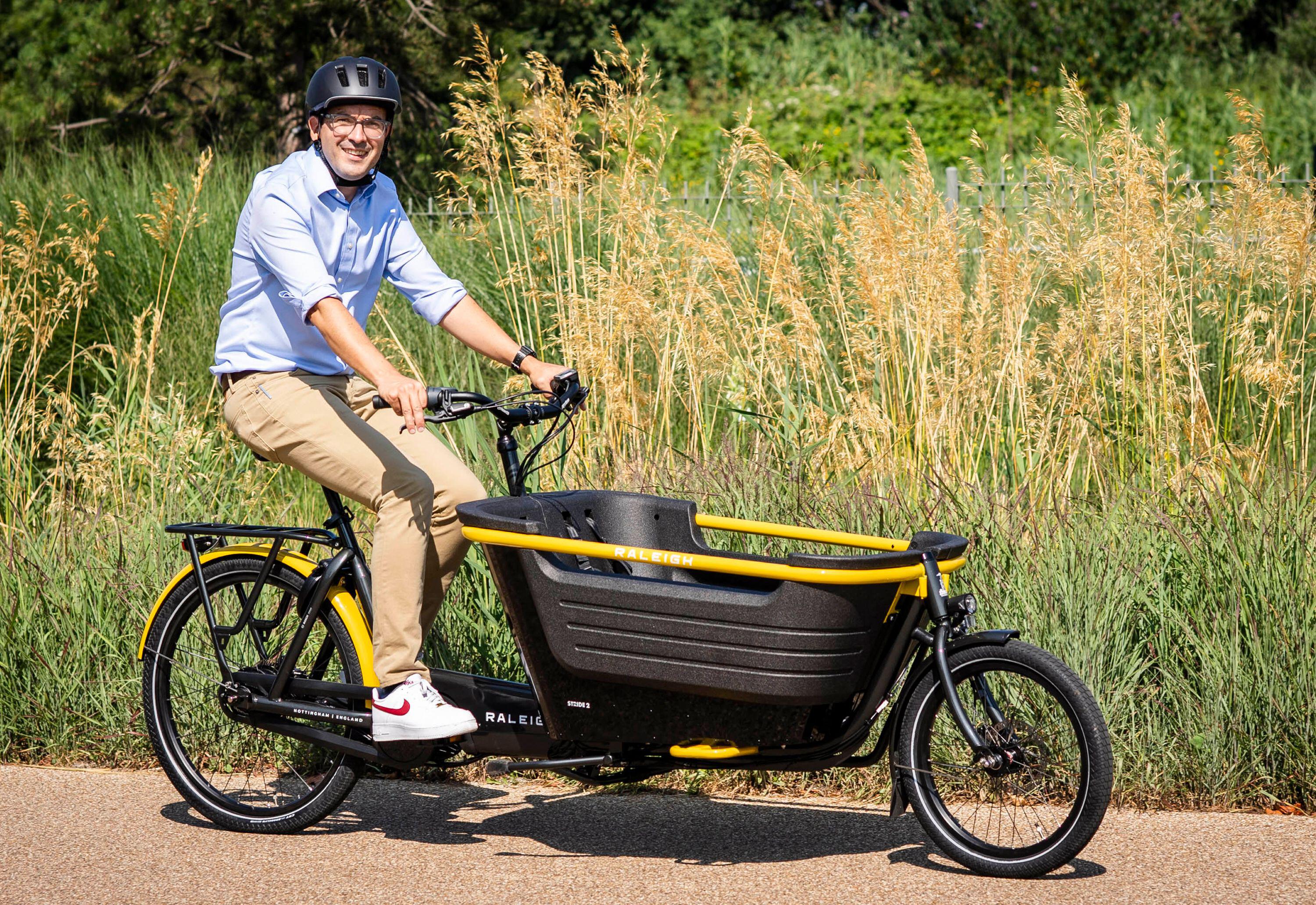
Will Norman during a launch event for a new Raleigh Stride e-cargo bike in 2021
ALAMY
Of course, much of the increase in journeys has been driven by the availability of the almost ubiquitous rental e-bike. Convenient and zippy, they’ve encouraged Londoners to complete more “multi-modal” journeys, speeding from Tube station to final destination. Antisocial parking, however, has angered many. Reactions are largely split according to age: Lime reports that almost half of Londoners aged 18-34 use their bikes on a weekly basis, while, according to a survey conducted last year by Boston Consulting Group, 69 per cent of Londoners aged over 75 think they should be banned entirely.
E-bike parking and use is regulated by local authorities, meaning 33 different regimes across the city. In August last year, for instance, Hounslow council ended its contract with Lime and awarded one to Forest, while neighbouring Richmond council renewed its Lime contract but continued to refuse access to Forest. The result was a rampart of abandoned bikes along the border of the two boroughs.
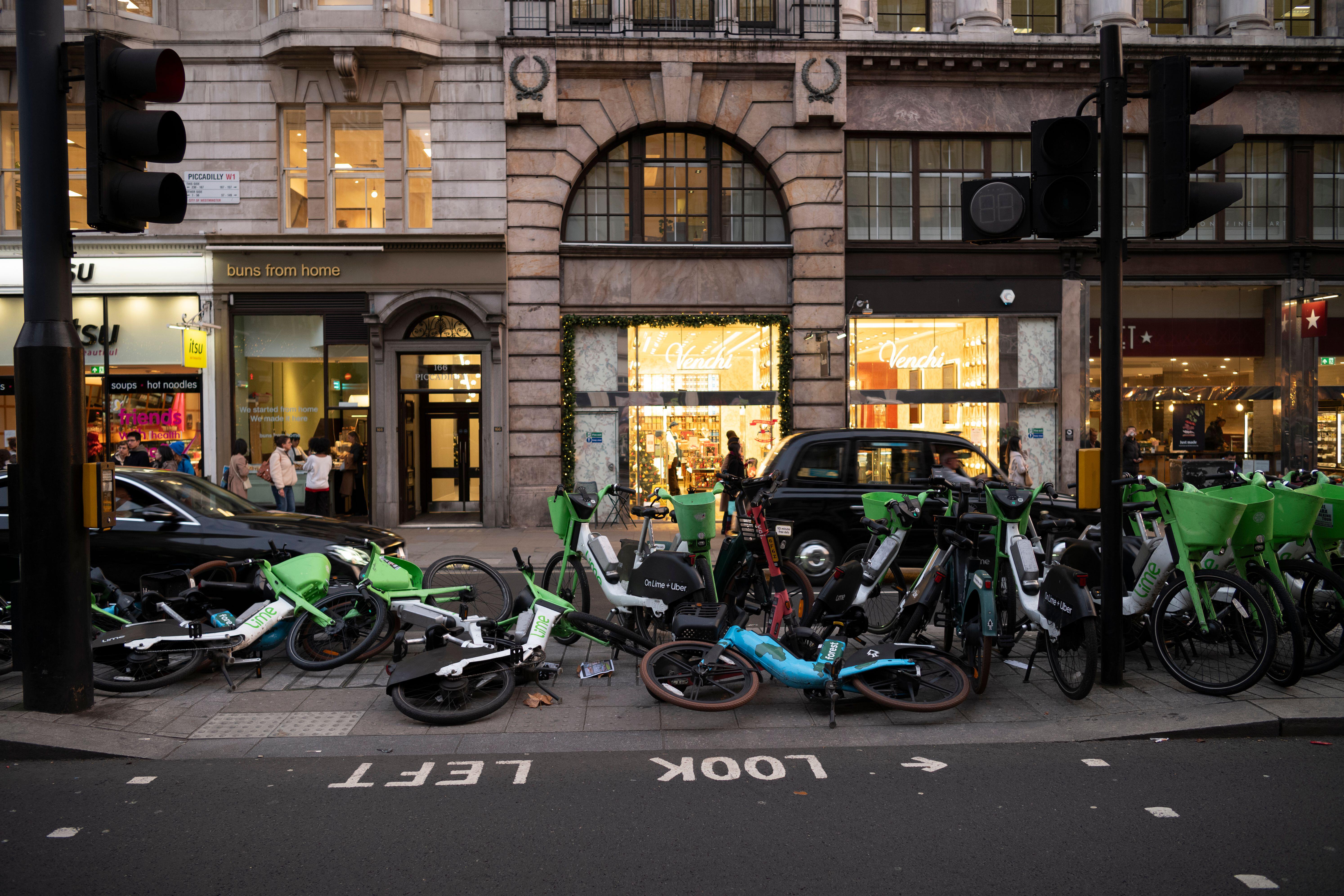
Lime bikes blocking the pavement along Piccadilly, in the heart of London’s Mayfair district
ALAMY
Norman and TfL hope this issue will be solved this year with the passage of the English Devolution and Community Empowerment Bill, which would allow the transport body to create city-wide regulations. With Lime, Forest and now Voi continuing to jockey for market position, it remains to be seen which providers will benefit — and which will be hindered — by such an approach.
But as more people take to the dandy horses and boneshakers, will other transport providers lose ground? One survey conducted by Lime in November suggests that 43 per cent of Londoners now think the city is better known for its bicycles than its black cabs. Steve McNamara, general secretary of the Licensed Taxi Drivers’ Association, is unconvinced: “Are we concerned about losing our iconic status to a load of green bicycles? No.” He believes there are still occasions when cycling just won’t do. “If you, me and our wives are going out for dinner, we’re not getting four Lime bikes, are we?”