

In some cases, the virus can cause a fatal brain infection
Nipah is a virus from bats that causes deadly fever(Image: AFP via Getty Images)
Health officials have confirmed five cases of Nipah virus in West Bengal, India, in the state’s first outbreak of the virus in 19 years. The latest cases prompted authorities to order nearly 100 people into home quarantine.
The three latest infections in India include a doctor, nurse and health worker, all linked to the same private hospital where two nurses first tested positive. It follows two cases confirmed on January 13, when officials said both cases were receiving hospital treatment.
Nipah virus, which spreads between animals and people, is classified as a priority pathogen by the World Health Organization (WHO) due to its potential to trigger an epidemic. Fruit bats are the natural host of the virus.
The virus has a fatality rate of between 40-75 per cent, according to the WHO. It says this rate can vary by outbreak, depending on local capabilities for managing the spread of the virus. There is no vaccine to prevent the infection and no specific treatment to cure it.
Nipah outbreaks in Bangladesh and India have been linked to contaminated fruit(Image: AP)
Following the latest outbreak, nearly 100 close contacts were told to quarantine at home, according to government officials. Local media reported that the two patients who first fell ill developed fevers and respiratory distress before being admitted to intensive care.
A senior official in the West Bengal health department said last week that the patients were being monitored closely. “The condition of the male nurse is improving but the woman patient remains very critical. Both of them are being treated in the ICCU (Intensive Coronary Care Unit),” they said.
Symptoms of Nipah virus
Nipah virus is spread directly from bats to people through consuming fruits or fruit products contaminated with urine or saliva from infected fruit bats, or through contact with domestic animals that have been infected with the virus, according to the TravelHealthPro website.
Transmission from person-to-person is also possible through close contact with an infected person, such as by caring for patients with Nipah virus disease. The infection typically causes mild symptoms, including fever, headaches, muscle pain, vomiting and a sore throat.
This may be followed by dizziness and drowsiness which may progress to pneumonia and severe respiratory problems, seizures and coma.

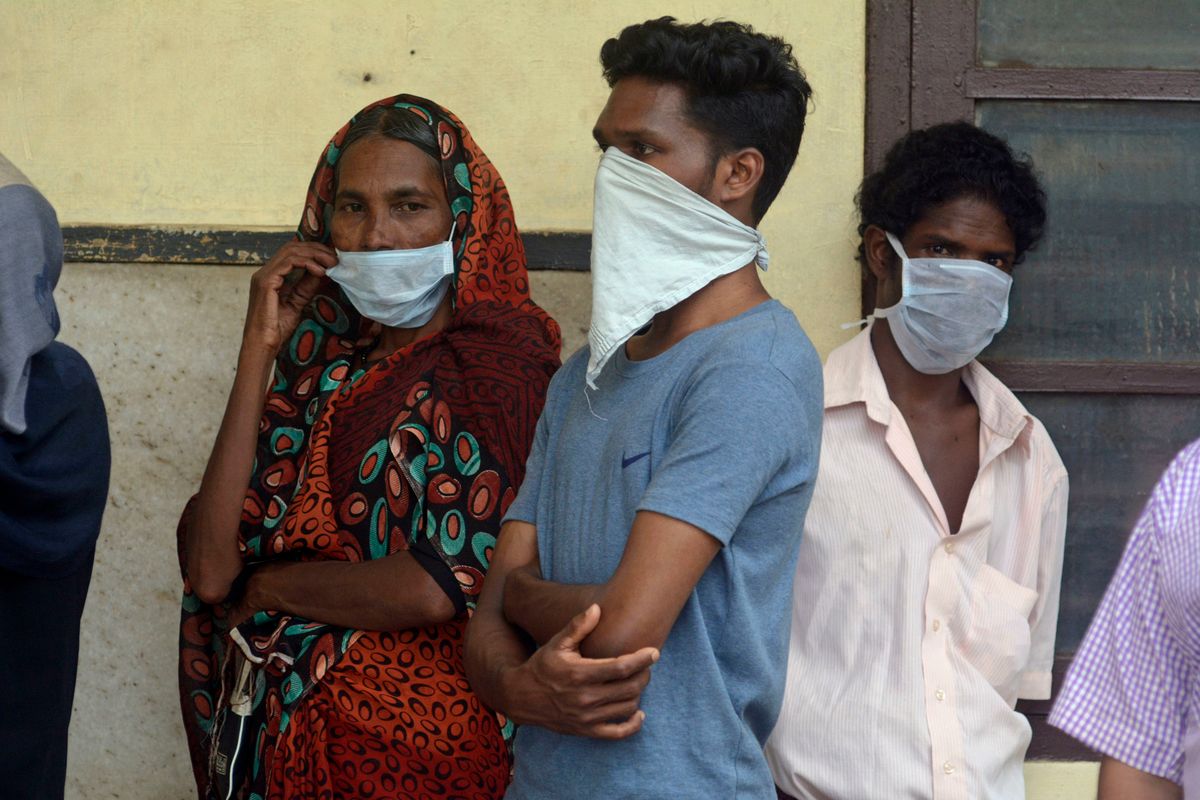
Nipah virus is classified as a priority pathogen by the World Health Organisation (WHO)(Image: Getty Images)
In some cases, the virus can cause a fatal brain infection. Health authorities across West Bengal have been told to increase surveillance for Acute Encephalitis Syndrome (AES), a dangerous brain inflammation linked to Nipah virus infection.
Mild symptoms can be treated with rest, drinking fluids to prevent dehydration, and taking over the counter pain relief to reduce pain and fever.
How to prevent Nipah virus
There is no vaccine to prevent Nipah virus, but health officials say the risk of infection can be reduced through taking steps to minimise exposure to the virus. The TravelHealthPro urges people to do the following:
Avoid contact with sick animals, particularly during slaughtering procedures. If contact is unavoidable, gloves and protective clothing should be worn.Freshly collected date palm juice should be boiled, and fruits should be thoroughly washed and peeled before consumption. Fruits with sign of bat bites should be discardedAvoid close or unprotected contact with people known to be infected with Nipah virus. Wash hands thoroughly after caring for or visiting people with the virus