
The RFU is not alone in trying to bring back the 1990s. A resurgence in fashion from the era is influencing trends in 2026. The comedian Josh Widdicombe fronted a podcast series devoted purely to how great football was back in those days. Club nights playing only 1990s music — being held in the afternoon so everyone can be home at a reasonable hour to relieve the babysitter — are selling out.
English rugby’s governing body, which is lobbying hard to expand its event licence so that Twickenham can be in a position to host concerts over multiple nights by bands such as Oasis, harked back to the 1990s this week by publishing a four-year strategic plan that called for England to win international competitions “consistently”.
“Consistently” was handily vague, but previous, more specific RFU strategic plans identified an average of one championship title every two years. In the 1990s and early 2000s, England won seven Five/Six Nations titles in 13 years, four of which were grand slams.
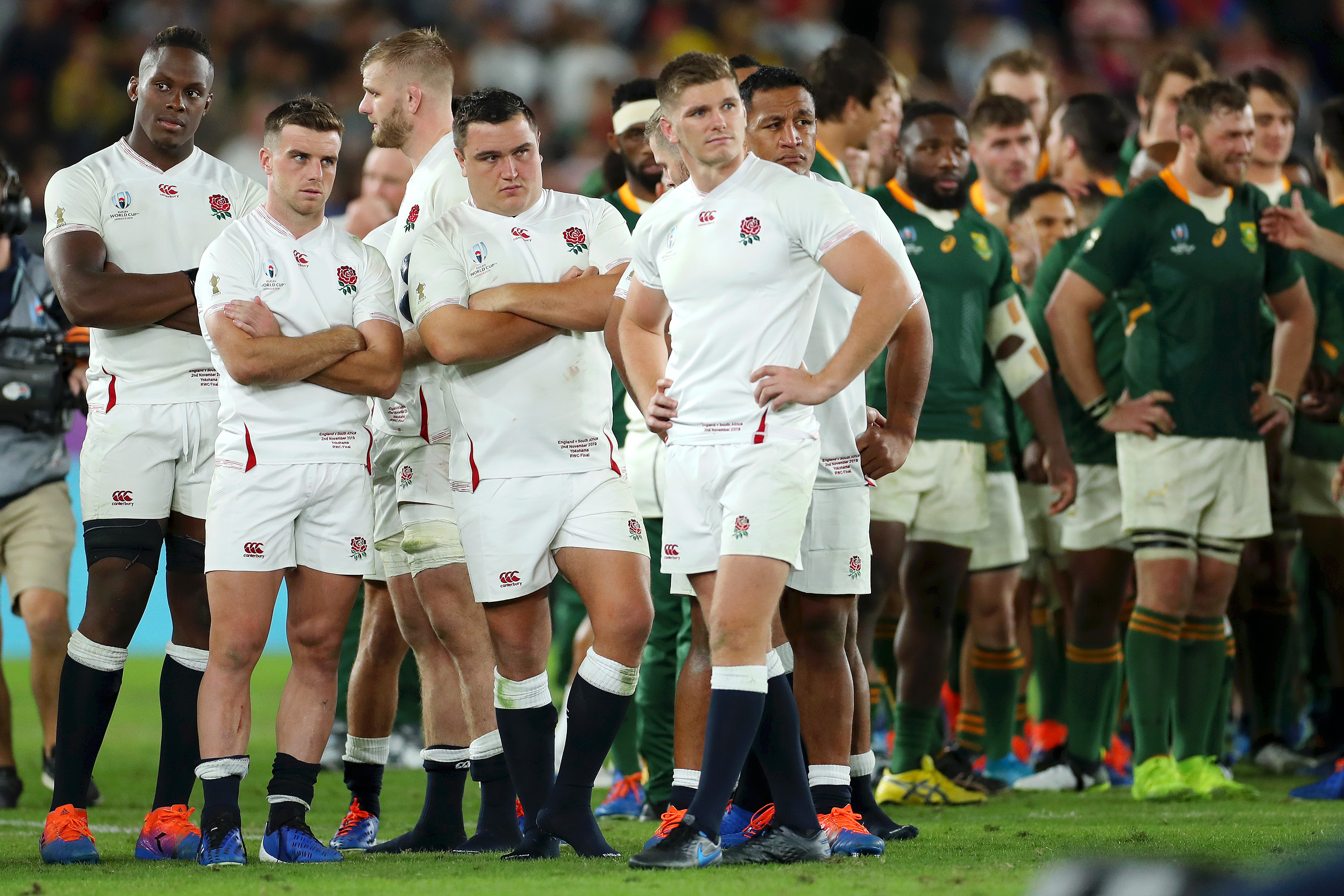
George, centre, looks on with, from left to right, Itoje, George Ford and Owen Farrell after losing the 2019 World Cup final against South Africa
SHAUN BOTTERILL/GETTY
Since England lifted the World Cup in 2003, their Six Nations record could certainly be defined as consistent — but not in the way the RFU wants. In 22 years, England have won four titles (2011, 2016, 2017 and 2020), including one slam, failing to hit those consistency targets set by previous RFU chief executives.
Wales, a rugby nation in disarray, Ireland and France have all won grand slams more recently than England and titles more recently than England. This RFU mission statement therefore demands a change to the norm. Players do not always welcome such interventions from executives — but this one was supported heartily by Jamie George, England’s vice-captain.
George made his Test debut in 2015 and has enjoyed only three successful Six Nations campaigns. For so long he could say: “There’s always next year.” But the Saracens hooker, 35, has announced he will retire after the 2027 World Cup — and that decision has served to sharpen the mind.
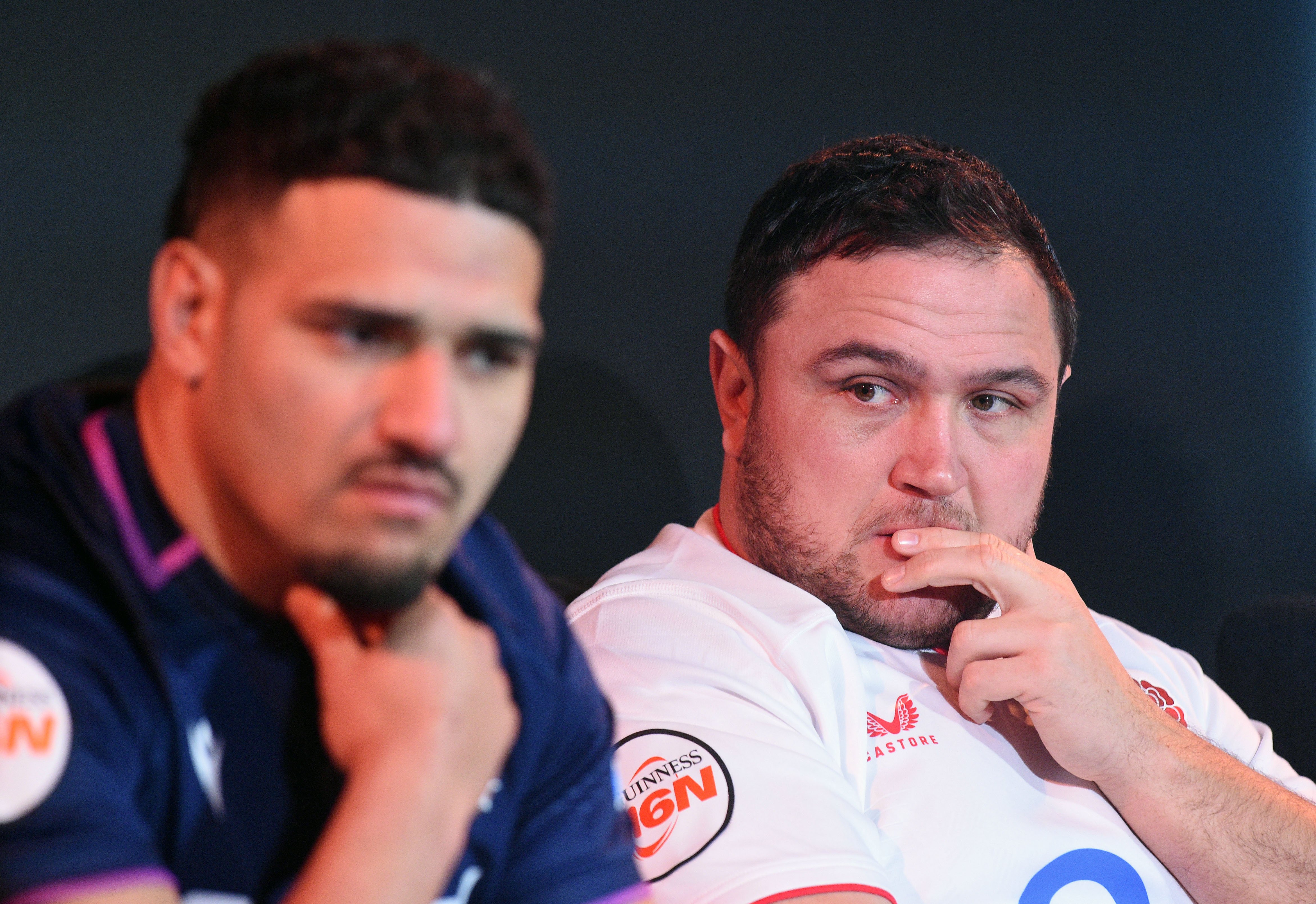
George attends the launch of this year’s Six Nations in Edinburgh alongside Scotland captain Sione Tuipulotu, left
DAVID GIBSON/FOTOSPORT/SHUTTERSTOCK
“I have been lucky enough to win three of these in my time with England — and that isn’t enough,” George said. “At England, we want to be at the top, we want to win things and we have got too many second places and too many third places. That extends itself to World Cups as well.
“The sign of a good team is finding a way to win and doing that consistently is something we are looking to achieve. I have got, hopefully, two Six Nations left in my career and I want to get my hands on that trophy as much as anyone.
Baxter ruled out of Six NationsEngland’s concerns over their shortage of props deepened before the Six Nations when it emerged that Fin Baxter required surgery on a foot injury that would keep him sidelined for the duration of the championship.
Baxter, the Harlequins loose-head prop, started England’s autumn victories over Australia and New Zealand but he has not played since December 14. The 23-year-old is the third prop to be ruled out of England’s Six Nations plans. Will Stuart, the Bath tight head, will miss the championship after rupturing an achilles and Asher Opoku-Fordjour, who can play on both sides of the scrum, has had shoulder surgery.
Ellis Genge is England’s leading loose-head prop and he will be backed up in the Six Nations by Bevan Rodd from Sale Sharks and Manny Iyogun, the uncapped Northampton Saints prop. On the tight-head side, Joe Heyes has developed into a prop of Test match class over the past year and he is England’s most experienced option with 17 caps. Behind him, Trevor Davison, 33, has been recalled along with Billy Sela, the uncapped 20-year-old prospect from Bath.
“The motivation is incredibly high in the squad and there is a real appetite to get better and kick on and achieve things like the RFU are talking about.
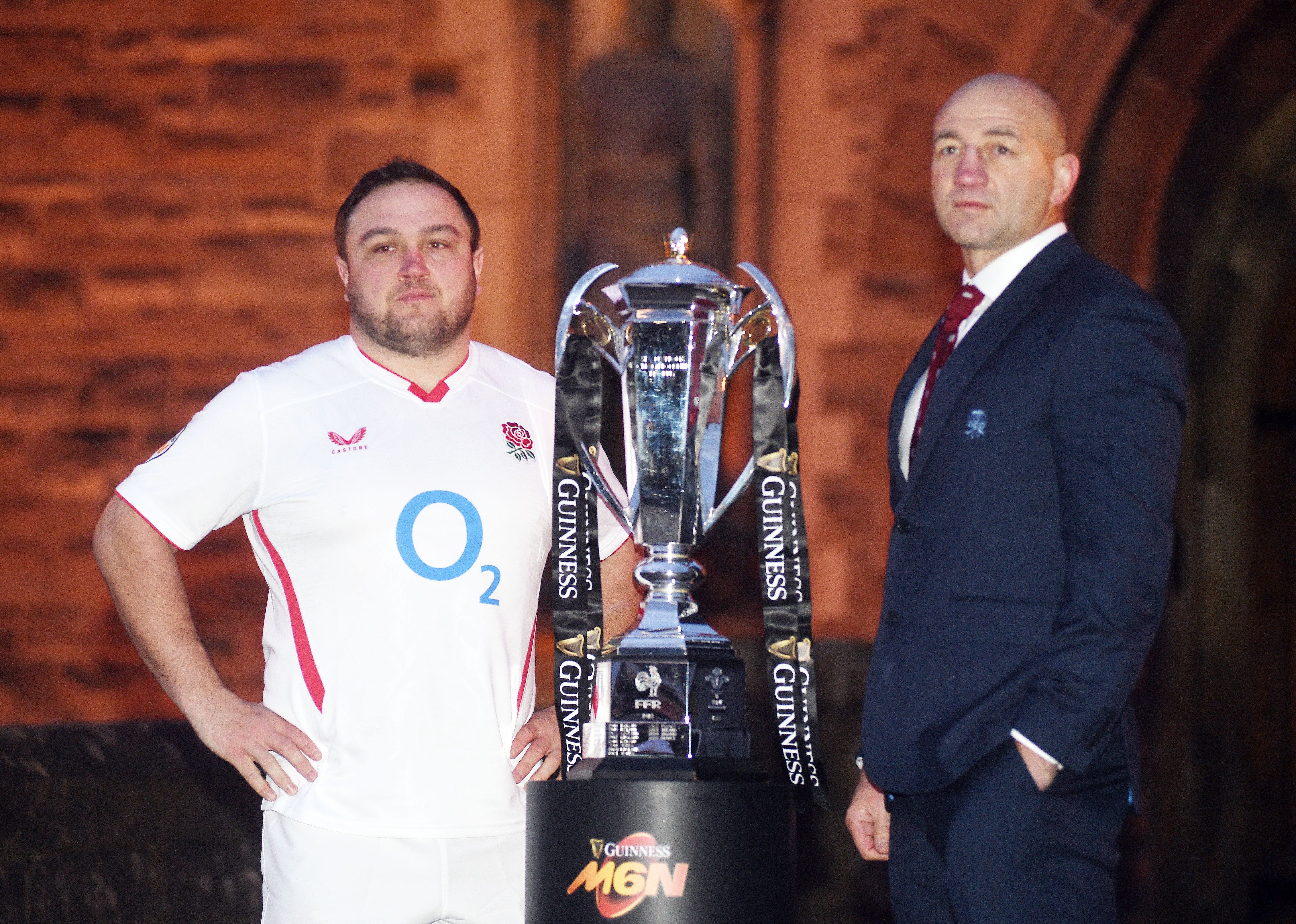
George and head coach Steve Borthwick, right, are looking to build on England’s 11-game unbeaten run during the Six Nations
DAVID GIBSON/FOTOSPORT/SHUTTERSTOCK
“The reason I want to continue playing is to be able to be part of a Saracens team and an England team that is really on the rise. [Setting a retirement date] just reinforces how special it is what I do, how much I enjoy what I do and how much I am going to love the next 18 months.”
George was the England captain in 2024. He led his country admirably through personal tragedy, after the loss of his mother, and then a difficult run of results, when a new team were trading blows with the best in the world but kept falling to narrow defeats. At the start of 2025, he lost the captaincy to Maro Itoje.
As hard as that was to take, George remained a critical voice in the squad when he could have walked away, instrumental to a change in fortune and a change in mood. No longer are England shy about stating their ambitions.
England, whose opening match is against Wales on February 7, head into the Six Nations with a young, upwardly mobile team on a run of 11 consecutive victories from 2025, including their best championship finish in five years and wins against France, Scotland, Australia and New Zealand, plus a hat-trick of successes against Argentina.
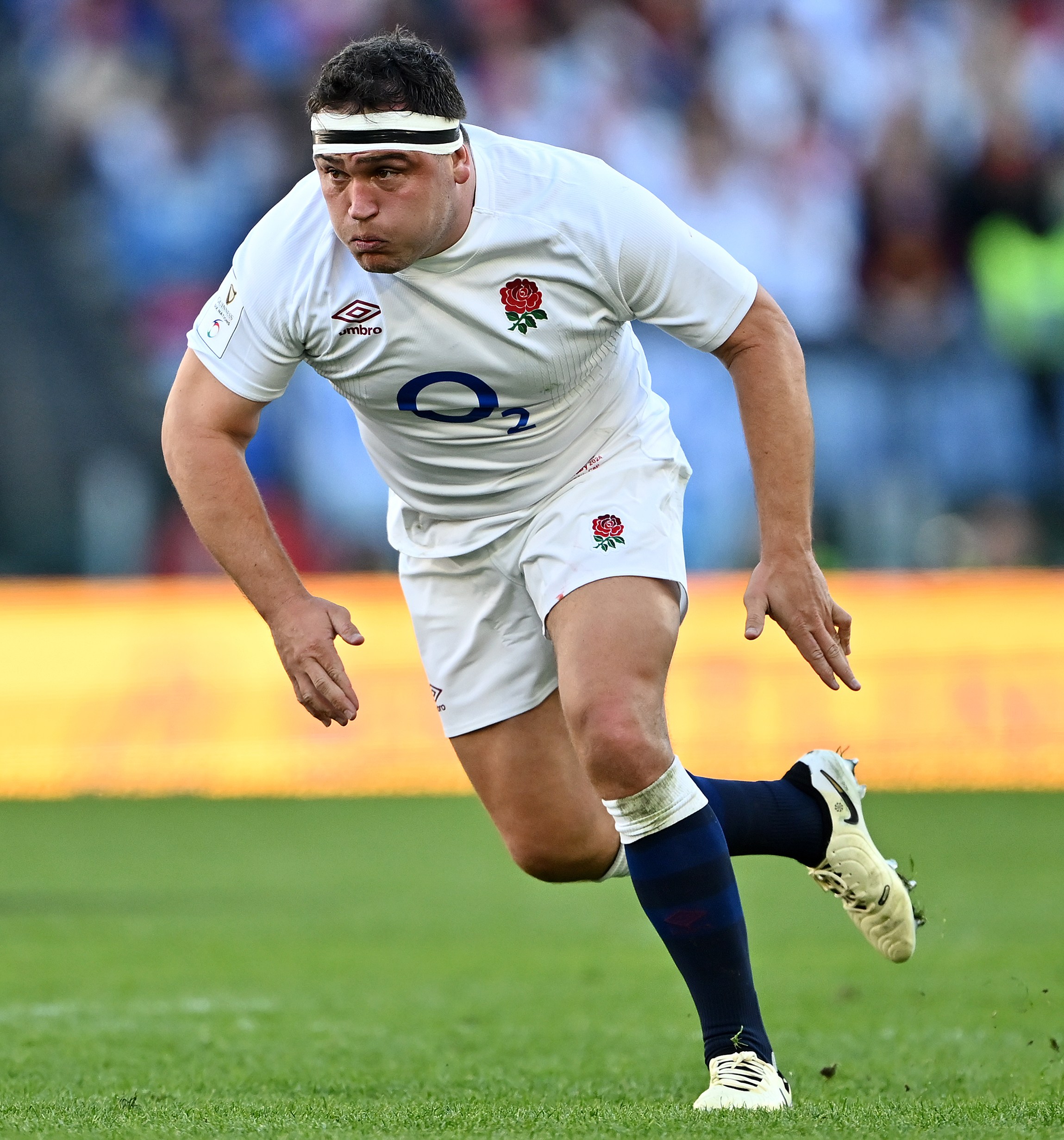
George has won 105 caps for England, one of eight male players to reach a century of appearances.
DAN MULLEN/RFU/GETTY
England are in Girona for their pre-Six Nations training camp, building up to their opening game against Wales. The 1990s England team had a fear factor about them, so too Sir Clive Woodward’s vintage in the early 2000s. This England team is working to build its own character.
“We are just generating belief that we can go out there and beat the All Blacks or Australia. We almost needed to come close and realise we should have beaten New Zealand in 2024 to then be able to go and do that at Allianz Stadium in 2025. It was part of the journey,” George said. “We are in a much better place on the back of it.
“First and foremost, it’s about having complete clarity around the sort of team we want to be and how we want to play. Off the back of that, it’s being given freedom to go out and express yourself. That comes from the top and it’s also driven from within the team itself. I think we’re at that place now.
“What’s important over the next ten days is that we establish that complete clarity again [during our training camp in Verona]. It is a really good opportunity for us to set the tone and understand how we generate momentum from what we have done over the last 12 months. We want to hit the ground running and put in a big performance against Wales.”
When the two sides met in last year’s Six Nations, England stormed to a record 68-14 victory in Cardiff. The 1990s were no fun on the field for Welsh rugby. But how much would the union give to go back in time and make a different decision when invited to join forces in an Anglo-Welsh league?