
He was sent home with a week’s worth of prescription pills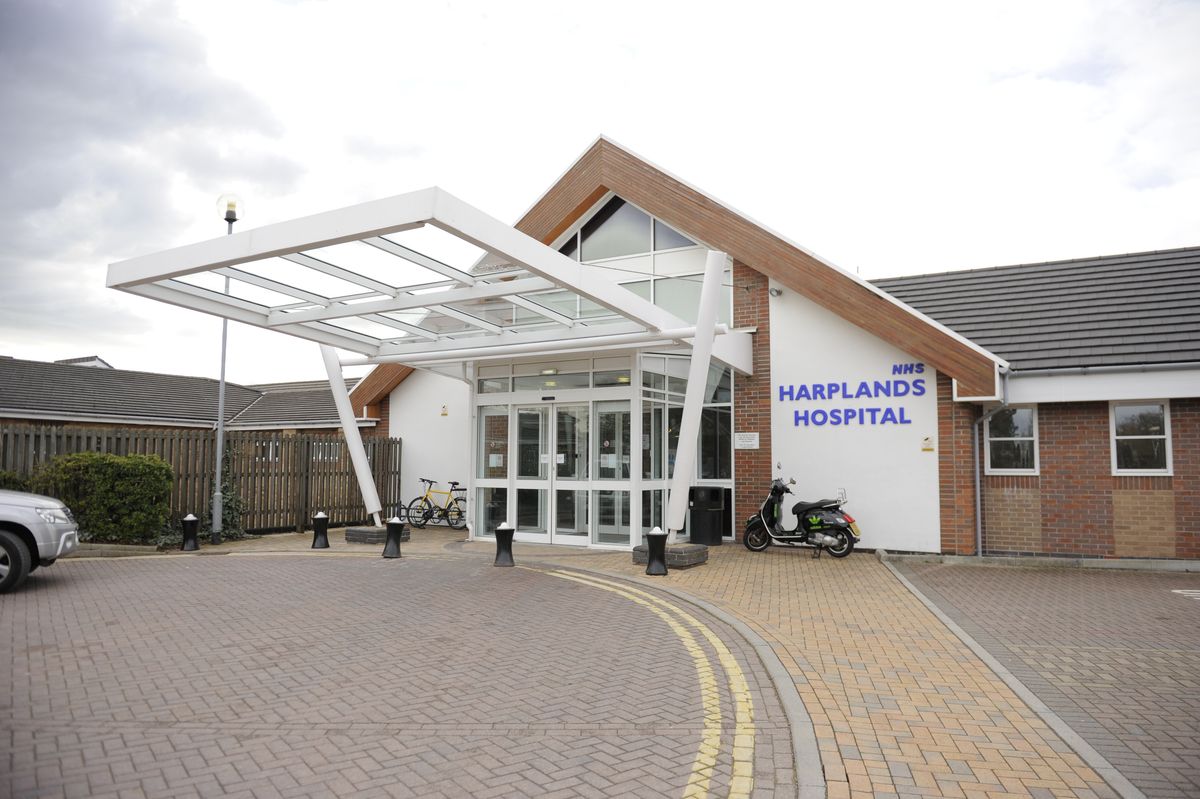
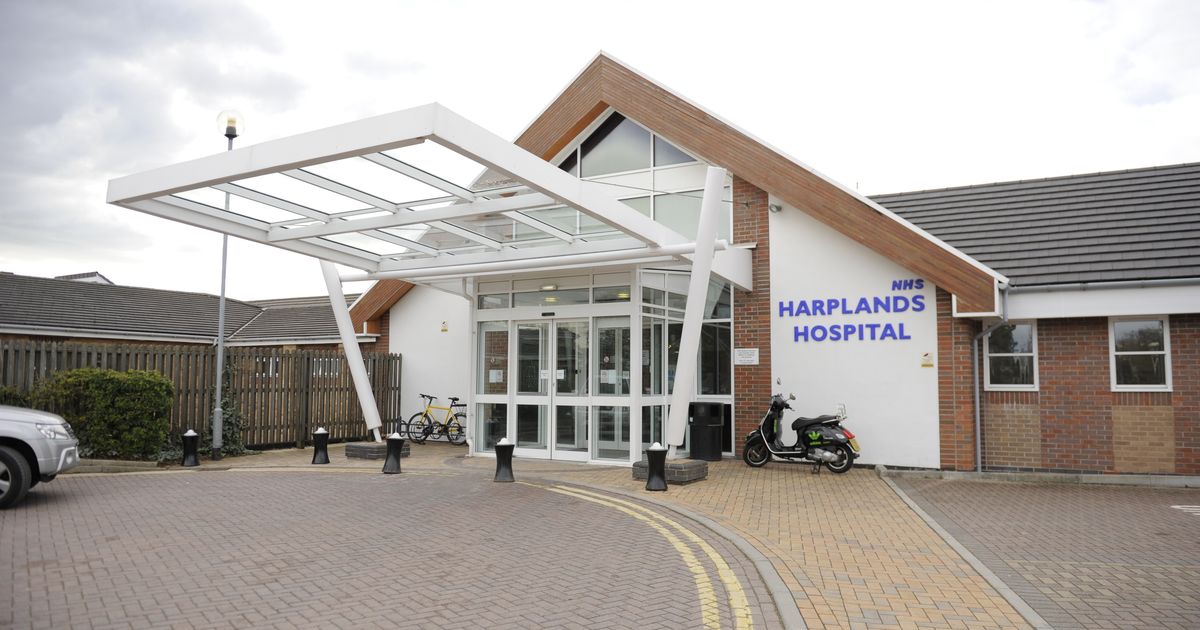
Harplands Hospital
A 26-year-old man took a fatal overdose eight days after being discharged from a mental health hospital with a week’s worth of prescription pills. James Hurst, from Leek, died following a paracetamol overdose on December 3, 2024.
He was diagnosed with emotionally unstable personality disorder (EUPD) with paranoid and anti-social traits, alongside ADHD, in 2017. EUPD sufferers struggle with intense and rapidly-changing emotions, unstable personal relationships, impulsive behaviour, and a high risk of suicidal thoughts.
James spent the next seven years receiving support from the community mental health team. He was first admitted to Harplands Hospital on a voluntary basis in September 2023 before discharging himself. James’ medical records showed he continued to struggle with self-harm following his discharge.
In June 2024, James was left paralysed from the waist down after he accidentally plunged from a third-storey window while drunk. The life-changing incident further impacted his mental health and he spent three months in the Royal Stoke University Hospital. He was compulsorily admitted to Harplands Hospital in September 2024 and discharged from Harplands on November 18 after being deemed to have capacity and showing signs of improvement. He was given a prescription for a week’s supply of paracetamol.
Tragically, James suffered an overdose just eight days later.
Paramedic Pete Tanzi arrived at the scene at 3.27am.
He told the inquest: “The door was open and we walked in. It was a large room with the patient on a bed in the far-right corner. His wheelchair was next to the foot of the bed.
“The patient was alert and orientated. He stated that he’d taken lots of paracetamol at around midnight with alcohol. He said he had vomited, but he was unsure if any tablets had come up. Patient’s vitals were within a normal range. We asked if he wanted to be transferred to hospital. He declined. We told him that if he refused we would call the police to aid our removal of him. He agreed to come then.”
Blood tests revealed James had 120ml of paracetamol per 100ml of his blood – well over the safe limit of 10ml per litre. He was later transferred to Royal Stoke A&E at 8.15am before his condition deteriorated.
Intensive Care Consultant Dr Ram Prasad Matzah told the inquest: “He presented to A&E with a staggered overdose of paracetamol. Subsequent blood tests demonstrated that he had high levels of paracetamol and had features of severe liver damage secondary to paracetamol.
“Following a deterioration, James was admitted to the intensive care unit on November 27 and he required medical ventilation machines to help his breathing. Discussions were held with the liver unit at Queen’s Elizabeth Hospital in Birmingham who felt that he was not a suitable transplant candidate in view of his physiological state, neurological dysfunction, and significant self-harm history.
“Despite appropriate treatment, he progressively declined. Further CT scans of the brain showed he had developed significant swelling of the brain, which had led to brain stem death. He was deemed brain dead on December 3, 2024.”
Consultant Psychiatrist Dr Usman told the inquest that James’ mental health had improved prior to his discharge. He added that James was showing no signs of suicidal ideation.
Dr Usman explained: “There was no suggestion at the time of his discharge from the ward that he wanted to leave and end his life. Discharge would have been considered inappropriate if that was the case. There was no indication to suggest that he was having any particular issues around suicidal behaviours in the last few weeks before his death. Unfortunately, it is likely that this misadventure lies within emotionally unstable personality disorder. If the medications were taken to seek attention instead of the intention to end life, the result can still be the same.”
James had been provided with an adapted bungalow to provide wheelchair access, four daily care visits, visits from the district nurse, and support from the community mental health team.
While James did still show self-harm tendencies, Dr Usman reported that these were done in an attempt to receive more medication rather than end his own life.
Dr Usman said: “Usually, in cases of self-harm, we see good engagement when people are made aware that help is available and that there is people there to support them. But for people with emotionally unstable personality disorder, their care relies mainly on psychology. This relies on a willingness to engage. But most of the notes indicate that James was seeking medications more than mental help.
“Conditional threats were made, which were more than focused on attention seeking rather than getting medical support, because he was already quite reliant on that stage with personal care and other things he needed for day-to-day living. If they were not done he would do something so that staff would come to him.
“The medication was not greatly helpful. It was not reducing the frequency of self-harm or helping him to stop harming himself. There was no indication to suggest that his medication was marginally making any difference.”
When questioned why James was discharged with a week’s worth of paracetamol medication, Dr Usman told the inquest it was standard practice to discharge patients with a prescription for two weeks’ worth of medication, adding that this was avoided due to his overdose history. Dr Usman also stressed that discharging patients with the power to control their own medication was also an important step in recovery.
He added: “More inpatient admissions typically lead to more difficulties for a longer period of time. We try to get patients actively involved with the community mental health team with lots of input. This is to get patients to engage to help understand themselves and come out of the mindset of harming themselves.
“The idea is to give them a safe place to handle their emotions before allowing them the opportunity to form care plans with the team and move forward with life. Community support teams are usually the recommended way to move forward. We did discuss the idea of installing a medication safe that could only be accessed by his care workers, but he came to have capacity and didn’t want others to take over his independence. We have to respect those wishes.”
An independent safety review found there were no factors that could have been changed to affect the outcome in James’ case.
Coroner Lindsey Tonks concluded that James died as a result of misadventure, suffering brain stem death following brain swelling and liver damage after a paracetamol overdose.
Mrs Tonks said: “I have no issue whatsoever with the amount of support put into place. Regarding the medication, we heard from Dr Usman that patients are usually given a two-week supply. On the face of it, it might appear out of the ordinary for someone to be handed that amount of paracetamol because members of the public would not be able to buy that from a shop. However, that level can be prescribed.
“His mental health had reached a point where he was considered stable enough to go and live independently. It is also important to note that we are talking about a medication that is readily available over the counter. He could have purchased it from multiple shops. So I don’t take issue with the amount of medication he was given when he was discharged from Harplands.
“I am satisfied he took his own life. However, he gave no indication that he had intended to take his own life. No note was left. But he had taken lots of medication in the past to get help with his mental health difficulties. He had also used self-harm as a threat to get what he wanted.
“Although he had previously tried to harm himself on previous occasions, I don’t believe he had done so with the intention to take his own life, particularly on this occasion. He has done this knowing he has carers coming home regularly. He knows he has people looking out for a change in his situation. He knows that when he tells people he’s done something he can get extra support. He also shouted to paramedics and told them the door was open. He was very honest about what he had taken.”