
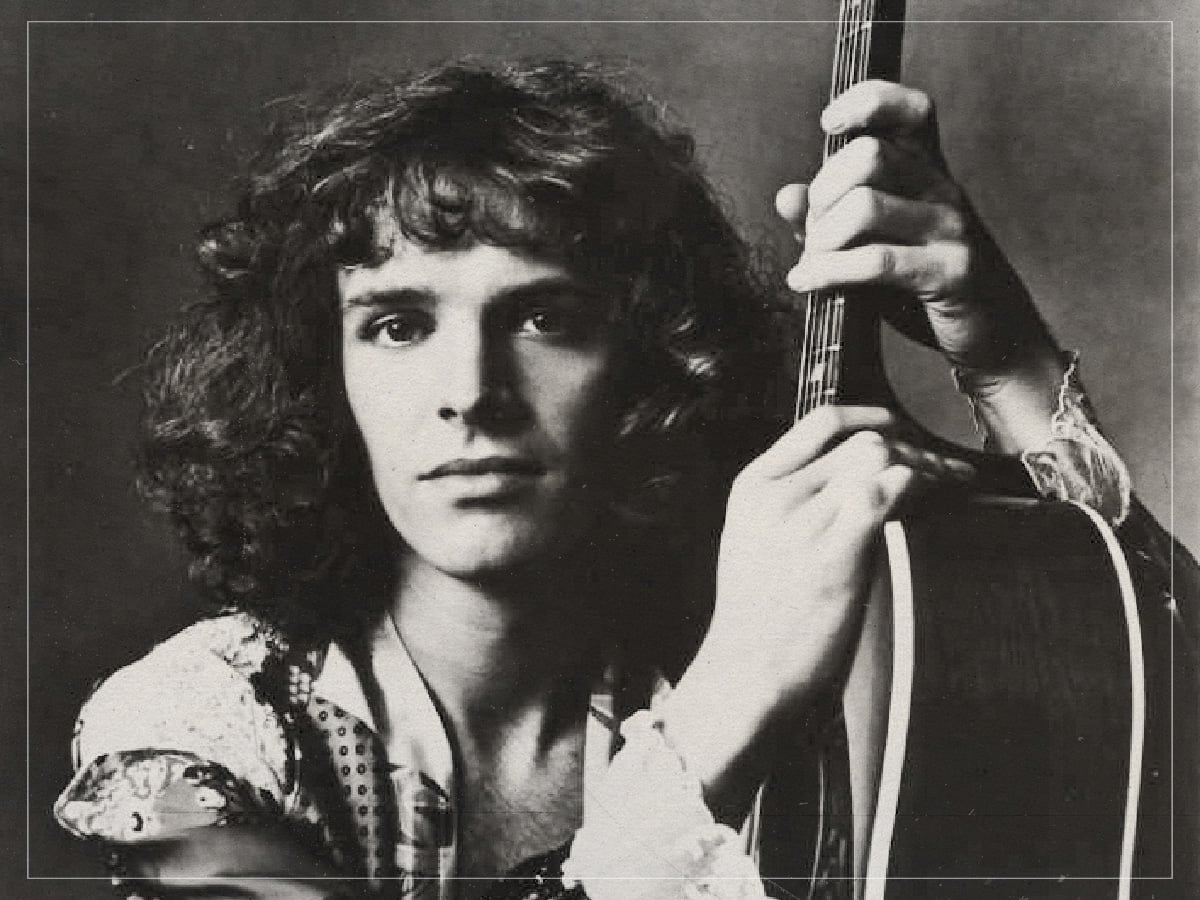
(Credits: Far Out / A&M Records)
Wed 28 January 2026 22:00, UK
We’re inclined to think of 1976 as the year punk broke, or as a time when disco was king. If you were magically transported back to a random college dorm in America in the summer of ‘76, though, you’d quickly realise you were living in the age of Peter Frampton.
Frampton’s double-live album Frampton Comes Alive!, released in January of that year, spent ten weeks as the best-selling record in the US, well on its way to going 8x platinum. It went number one in several other countries, as well, and was a success in Frampton’s native UK, but for some reason, the 78-minute compilation resonated on another level in the States, grabbing listeners from every compartment of the rock community, as well as plenty of disco dancers and at least a half dozen open-minded punk rockers.
Now, 50 years later, the Frampton phenomenon tends to be remembered as one of those flukey overnight success stories, where a young artist arrives at the perfect time, hits all the right notes, and then stands no chance of ever rising to that level again. The weirder thing about Frampton Comes Alive!, though, is that it hadn’t actually come out of nowhere, and it really shouldn’t have worked.
The singer was still young at the time, just 25, but he’d been putting out records for a decade, starting out as the lead singer, guitarist, and teen heartthrob for a British pop band called The Herd. He followed that with a brief tenure in Humble Pie before launching what he presumed would be a hugely successful solo career in 1971. Considering that he was already collaborating with the likes of Ringo Starr and Billy Preston at that point, the odds certainly looked in his favour.
Instead, Frampton’s first four solo records achieved only modest sales, leaving him as something of an afterthought in the mid-‘70s, caught between worlds in a way. A total change of musical direction might have made sense, but instead, the decision was made to record a live album largely consisting of the same songs that had already failed to resonate with people over the previous four years, and wouldn’t you know it: it became one of the biggest live albums of all time.
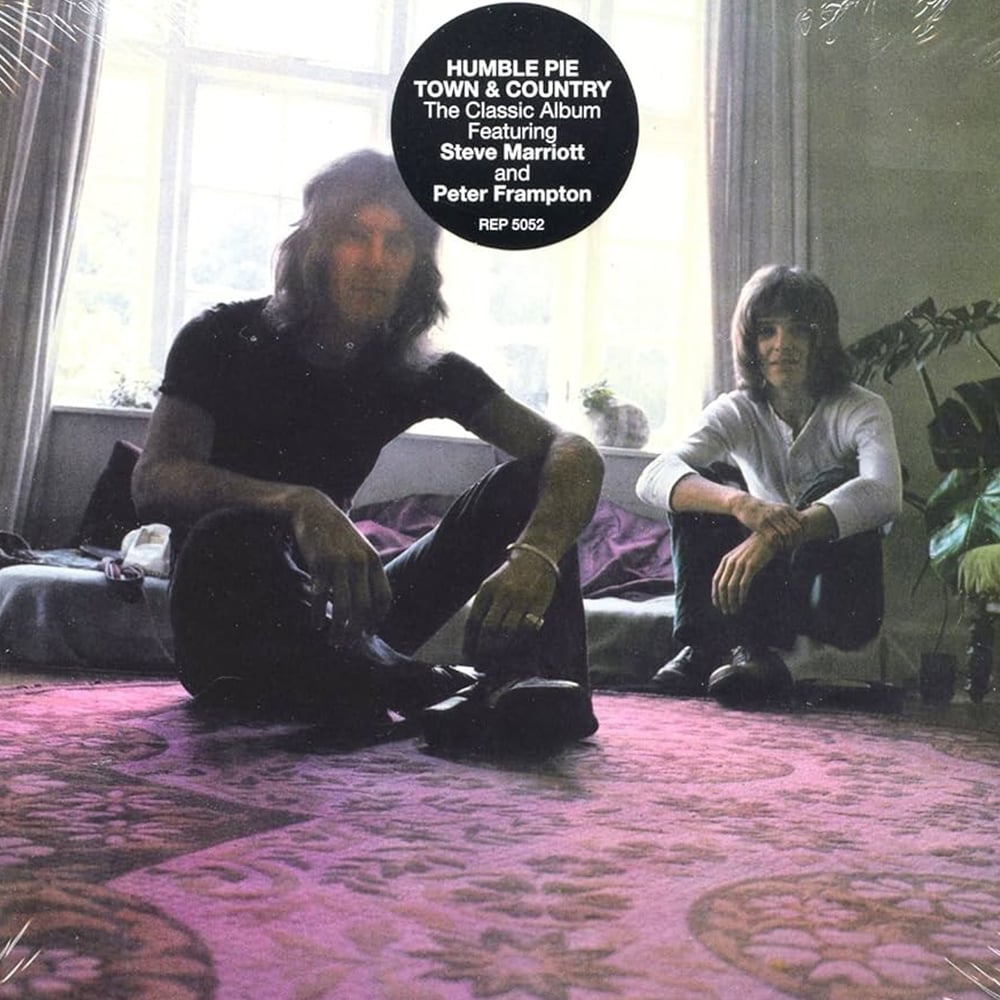 Humble Pie’s Town and Country album cover. (Credits: Album Cover)
“The success of Frampton Comes Alive! was definitely surprising,” Frampton told the Times-Transcript in 2014, “At the time, we were seeing my touring audience getting bigger, but my record sales weren’t necessarily reflective of that. But having seen the way Humble Pie’s Rockin’ the Fillmore broke through with audiences, we felt that putting out a live record might be the way to go. Obviously, we had no idea of what it would become.”
Any gigantic success runs the risk of a pendulum swing in the other direction, of course, and Frampton certainly got the curse mixed in with the blessing. On one hand, the over-saturation of big hits like ‘Show Me the Way’, ‘Baby, I Love Your Way’, and ‘Do You Feel Like We Do‘ left many radio listeners ready to revolt against whatever Frampton did next. But at the same time, there was a record company eager to cash in with another record, and a new fan base desperate for more hits.
“I was literally out there on my own,” Frampton told the AV Club, “and taking advice from people who really didn’t know any more than I did how to deal with the situation… I didn’t know then that too much coverage is death, overkill. We didn’t realise that at the time.”
Frampton’s subsequent albums failed to live up to the hype, and he essentially reverted to the second tier of pop stardom where he’d been before, as if Frampton Comes Alive! had been a weird dream. “Imagine you’re the guy that invented the Rubik’s Cube,” he observed in the Times-Transcript interview, “Where do you go from there?”
Actually, Ernő Rubik, the inventor of the Rubik’s Cube, has followed a very similar career track to Peter Frampton, as both men saw their most famous creation enter the culture like a comet, followed by a considerable downturn in interest. But Rubik (yes, he’s an actual guy) has continued to write, give lectures, and carry on the legacy of his invention, while Frampton has enjoyed a very successful career, with 14 more studio and three more live albums in the half-century since Frampton Comes Alive. If his story is a cautionary tale, the ”warning’ only seems to be that massive success is hard to maintain. Considering how fun and lucrative that success was and continues to be, however, I doubt Frampton would tell anybody to avoid it outright.
Related Topics