

If 2025 was all about protein, 2026 is set to be the year of fibre. You might already have noticed your algorithms skewed more towards fibre in the past couple of months, and trust us: this is one social media trend worth taking note of.
Far from being a passing craze, this one’s got legs. Fibre is essential for overall health and wellbeing, with studies (such as this one, published in The Lancet) consistently showing a link between adequate fibre intake and a reduced risk of all-cause mortality, lowering our chances of developing coronary heart disease, stroke, type 2 diabetes and colon cancer.
Not only this, a 2022 study shows that fibre also protects the brain, reducing the incidence of dementia and even improving cognitive function. Despite this compelling evidence, however, most of us simply aren’t eating enough of the stuff.
You may like
“Fibre quietly underpins both gut health and metabolic health,” shares Emma Bardwell, registered nutritionist, health writer and author of The Fibre Effect. “It’s one of the few nutrients linked to benefits across almost every body system, yet it’s still the one we’re most likely to neglect.”
And we’re not just falling a bit short, here – according to government data, 90% of us aren’t hitting our daily fibre goals (it’s advised all adults consume 30g per day), putting us at greater risk of developing bowel cancer and other diseases.
So, it’s about time that fibre hit the headlines, and when I was asked to try upping my intake for a month, I couldn’t have been more intrigued. Would fibremaxxing be the wellbeing boost I needed? Keep scrolling to find out, but in the meantime, you might be interested in our guides to fibremaxxing, the 30-30-30 gut health method, and the tell-tale signs of an unhealthy gut. Keen to know the science-backed gut health hacks to incorporate daily, plus whether you should take probiotics? We’ve got explainers on those, too.
I tried Emma Bardwell’s fibre challenge for a month, with the aim of hitting 30g a day – my reviewWhat is fibre, and why is it so important?
Ok, so we’ve established that fibre is great, but what exactly is it? Fibre is actually a catch-all term for a number of different substances. It used to be known as ‘roughage’, and had the reputation of being a husky, bran-like grain mostly found in breakfast cereals (millennials might remember being served All-Bran for breakfast!)
There are two main types of fibre, soluble and insoluble, and we need to consume both of these every day, since our bodies can’t store them.
“Fibre is the part of plant foods that we can’t digest or absorb, but that doesn’t mean it’s not doing anything – quite the opposite,” explains Bardwell. “Some types of fibre pass through your gut largely intact, helping to bulk up poo and keeping you regular (this is mostly insoluble fibre), while other types of fibre (prebiotics and soluble fibre) are fermented by gut bacteria and turned into by-products called short-chain fatty acids.
“These compounds help maintain the gut lining, regulate inflammation, and even influence metabolism and appetite hormones like GLP-1. We now know that fibre isn’t just about digestion; it plays a starring role in immune health, weight management, blood sugar balance and long-term disease prevention.”
You may like
What are the benefits of fibre?
While we’ve touched on the broad benefits of a fibre-rich diet above, let’s dig into the details.
1. It enhances overall health and wellbeing
“A higher fibre intake is consistently linked to better health outcomes across the board,” says Bardwell. “Large population studies show that people who eat the most fibre have a significantly lower risk of heart disease, type 2 diabetes and bowel cancer. One well-known analysis found that every 10g increase in daily fibre intake is associated with around a 10% reduction in all-cause mortality.”
Sounds pretty convincing to us.
“On a day-to-day level, fibre helps you feel fuller for longer, quashes cravings, supports more stable blood sugar levels, and feeds beneficial gut bacteria, which are increasingly linked to everything from weight regulation to mental health to better skin and more stable hormones,” notes Bardwell.
3. It’s quietly brilliant for hormones
“High-fibre diets are linked to better blood sugar regulation and improved insulin sensitivity, which matters hugely for energy, mood and hormone balance, particularly in perimenopause and menopause,” shares Bardwell. “Fibre also helps the body excrete excess oestrogen via the gut, which is one reason higher fibre intakes are associated with a lower risk of hormone-related conditions and can potentially help with symptom management when it comes to conditions such as PCOS and endometriosis.”
How much fibre should we really be eating?
In the UK, adults are advised to aim for around 30g of fibre per day, but most people are falling short by a long way, averaging closer to 18 to 20g – and women are consuming less than men, according to Bardwell.
However, while we should absolutely focus on eating enough, it’s important not to get too hung up on the stats.
“Rather than fixating on hitting a precise number at each meal, I encourage people to think about fibre as something to include consistently across the day,” Bardwell shares. “Spreading intake out supports digestion and helps avoid potential side effects. If you’re not sure where to start, try fibre stacking, which is essentially adding fibre into your meals in small increments.
“Think about adding a tablespoon of chia seeds (5g) and a tablespoon of ground flax (5g) into your porridge. Try a couple of kiwis, a large pear or a small bag of popcorn as a snack (5g each), and a sweet potato (5g) for dinner, served with 80g frozen peas (5g). When you break it down this way, it feels much less daunting and also encourages plenty of diversity, which your gut microbes thrive on.”
I hit my fibre goals every day for a month – and I feel better than ever Weeks one and two
Having done my research, I was keen to get started on my fibre challenge – but I’ll admit, I was concerned about having to radically change my (already pretty healthy, IMHO) diet. The good news, though, is that boosting your fibre intake doesn’t require a complete diet overhaul – in fact, the experts agree that simple tweaks are more effective (and sustainable) than huge changes.
That being said, I started the trial right at the beginning of January, when my gut was not thanking me for a couple of weeks of richer-than-normal foods and a little more alcohol than I’d usually consume.
So, for the first week, I took things pretty gently, focusing more on adding things into my meals, rather than swapping or removing items entirely (except the mince pies – they’re off the table until November!)
Thankfully, gone are the days when fibre meant boring brown roughage. For me, boosting my intake looked like adding a teaspoon of bran into my morning porridge oats, and chucking a handful of pomegranate seeds on top for good measure, which was so easy and honestly, tasty too. For days when I was on the go, I made sure I grabbed some kind of chia pudding on the run.
And I discovered these are all things that Bardwell loves, too. “The best fibre sources are often the simplest ones,” she tells me. “My fibre heroes include chia seeds, which are tiny but mighty, and oat bran, which has almost three times more fibre than regular oats and is great for lowering cholesterol, too.”
My lunches didn’t need to change much either, but I made sure to include plenty of raw veggies with hummus, and I topped everything (and I mean everything!) with a medley of seeds, which added a gorgeous savoury crunch to my meals as well as boosting their fibre content – win, win.
“Increasing your fibre isn’t just about swapping – adding is just as powerful,” shares Dr Corinna Chidley, senior lecturer in health and performance nutrition at the University of Derby. “Toss a handful of seeds or nuts into your breakfast bowl, smoothie, or salad for a fibre boost plus healthy fats for a double win. Beans, lentils, and pulses are also fibre-rich heroes. If you’re cooking a curry, stir in a tin of chickpeas, or if making a bolognese, try adding green lentils alongside or instead of the mince.”
My first fortnight takeaways? While I didn’t notice any real changes in my digestion, I was surprised to find that I wasn’t at all bloated, which had been one of my fears when I started out. Bardwell reckons this is likely because my diet was pretty fibre-rich already, but if this is a concern of yours, her advice is to take things slowly.
“It’s important to increase fibre intake gradually, especially if your current intake is low,” she says. “Jumping straight from low to high fibre – especially with foods like beans – can cause bloating and discomfort, but this usually settles as the gut adapts.”
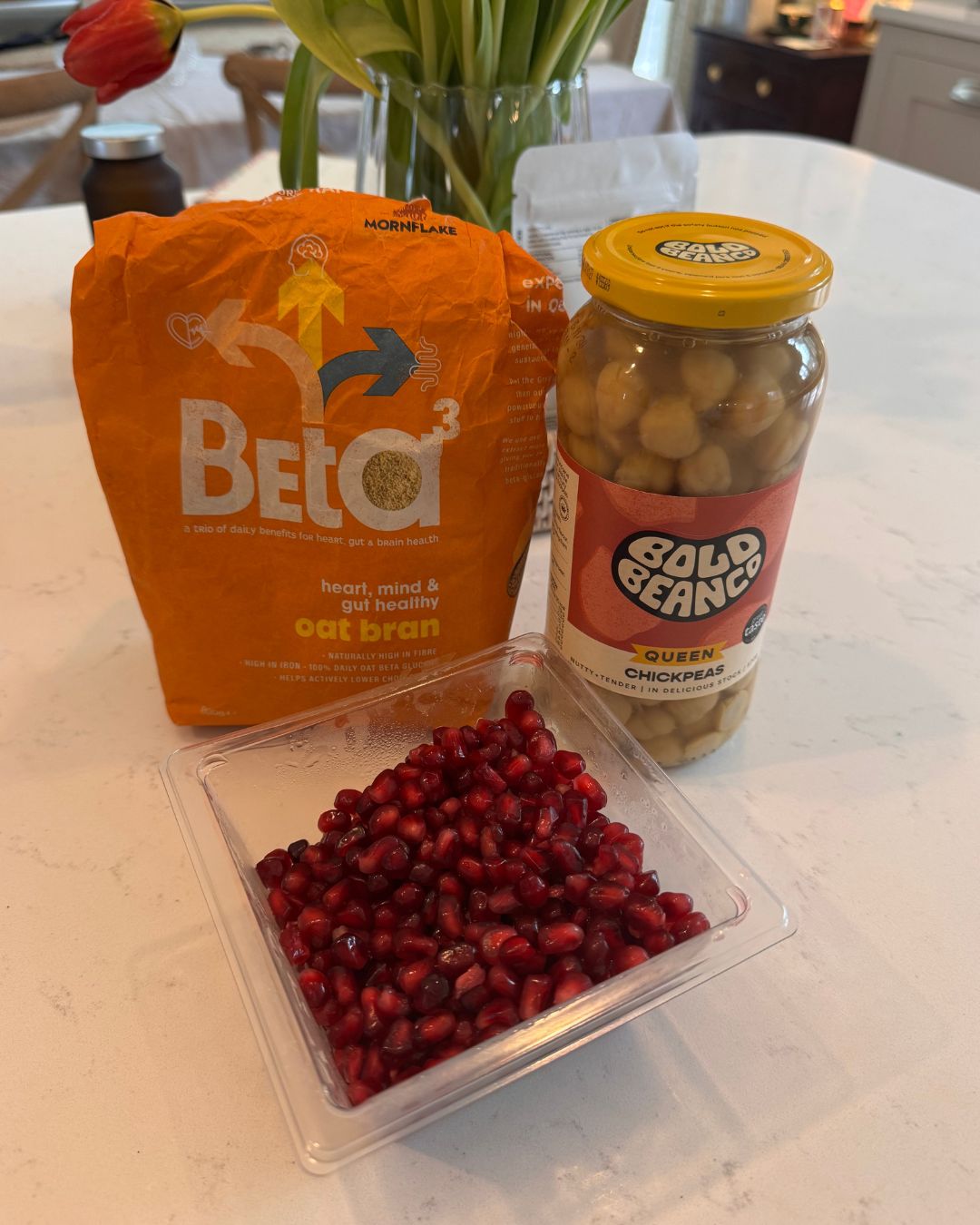
Some of the additions Health Writer Anna made to her diet while trying the Emma Bardwell fibre challenge
(Image credit: Anna Bartter)
By week three, I was confident in my approach and was enjoying a bit more variety in my meals, as I concentrated on adding plenty of fruits and/or veggies to all my plates. As for calculating exactly how much fibre I was eating, I took Bardwell’s advice and tried not to focus too much on the numbers; rather, I aimed for variety.
Fortunately, it turns out, this is exactly what we should be doing.
“What’s particularly interesting is that variety matters as much as quantity,” notes Bardwell. “Eating a wide range of plant foods helps support a more diverse gut microbiome, which is linked to better metabolic and immune health.”
And I did notice some small changes this week. I felt fuller after my meals and didn’t feel the need to snack around 4 pm – although I did try a few fibre-rich bars, and they were a resounding no from me. They felt heavy and over-processed.
My energy felt more stable, too – something I’ve been struggling with for a while, but I wasn’t sure how much of this was down to diet, and how much to my usual monthly fluctuations, but ultimately, it was a positive.
By the end of the month, it’s become second nature for me to add extra nuts, seeds, beans and veggies to all my meals. As a certified chickpea addict, I have to say, this wasn’t difficult, but if you’re not used to legumes, add them in slowly and make sure you’re drinking plenty of water, too.
As for whether I’ll continue with my 30g a day habit? It’s a resounding yes from me, not only because I know I ought to, but genuinely because I loved it.
Shop MC UK-approved fibre must-haves now:
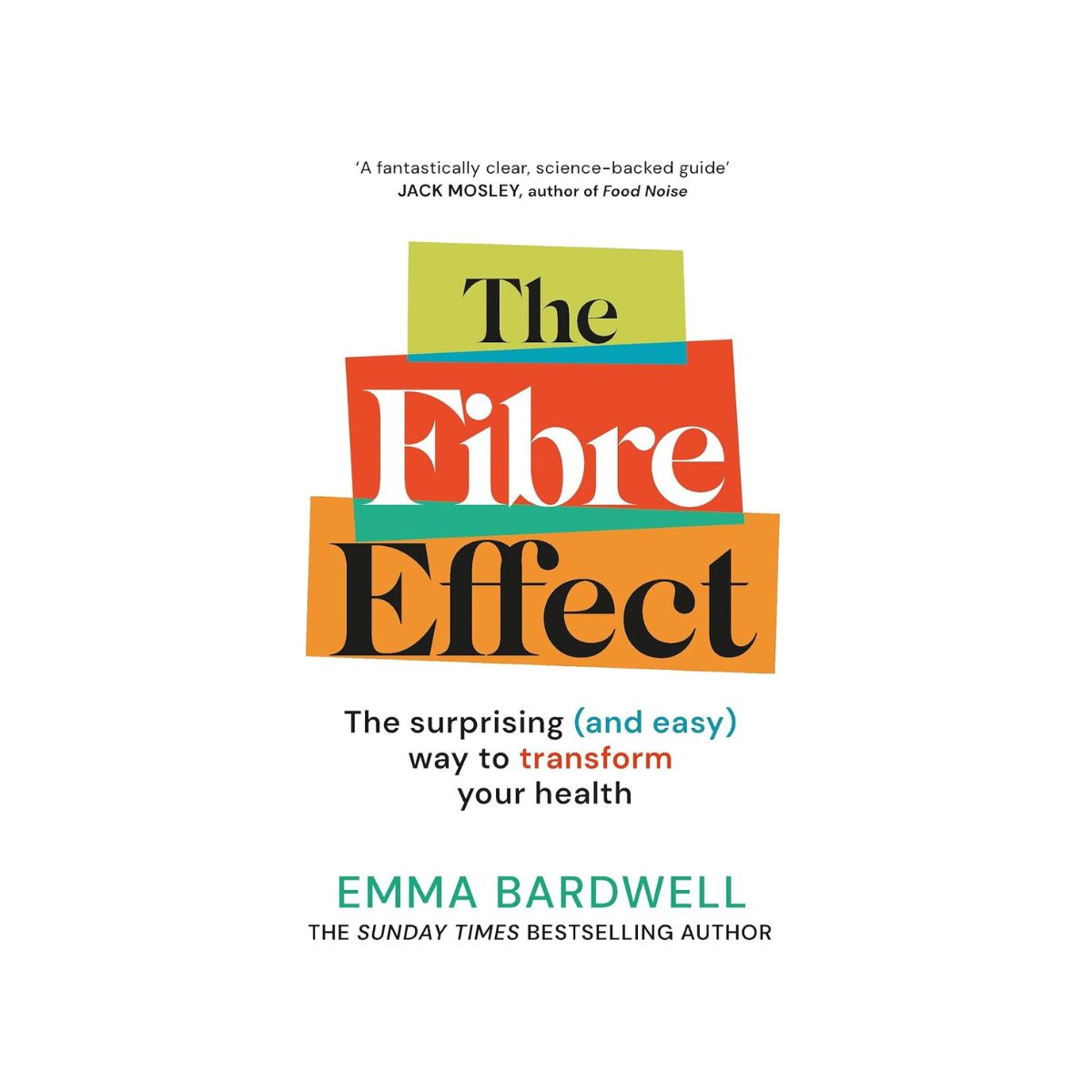
The Fibre Effect by Emma Bardwell
A fibre lover’s bible, it must be said, Bardwell’s book makes hitting those targets feel like a breeze. Packed with expert guidance on topics such as hormone and gut health, immunity and metabolic health, it’s also full of delicious recipes that are simple to make at home for a fibre win.
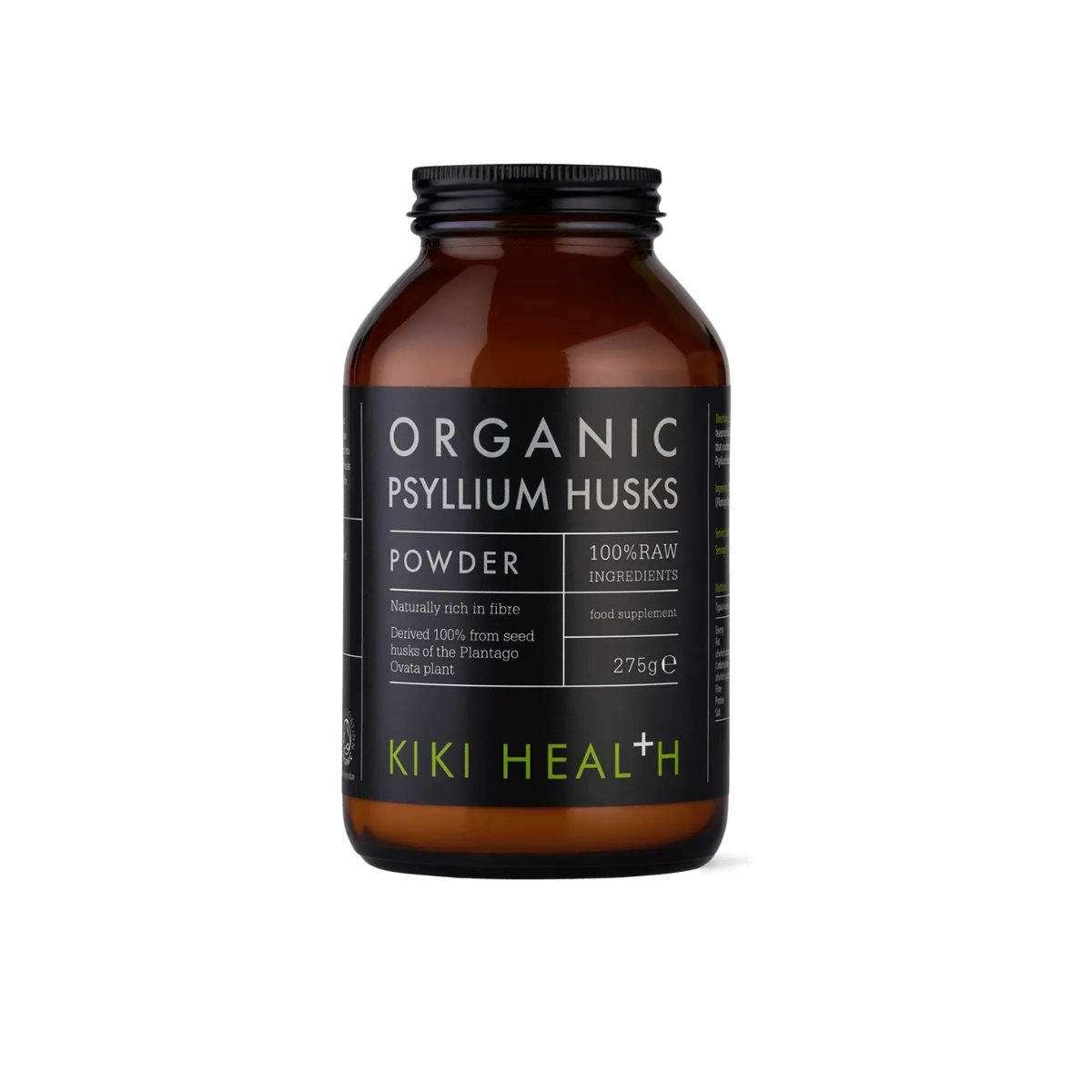
Kiki Health Psyllium Husk Capsules
We’re firm advocates of a food-first approach to nutrition here at MC UK, but we also know that keeping on top of our food goals is easier said than done at times – and that’s where a high-quality supplement can help. These psyllium husk capsules provide a natural source of dietary fibre in an easy-to-take tablet, perfect for days when life gets a little overwhelming.
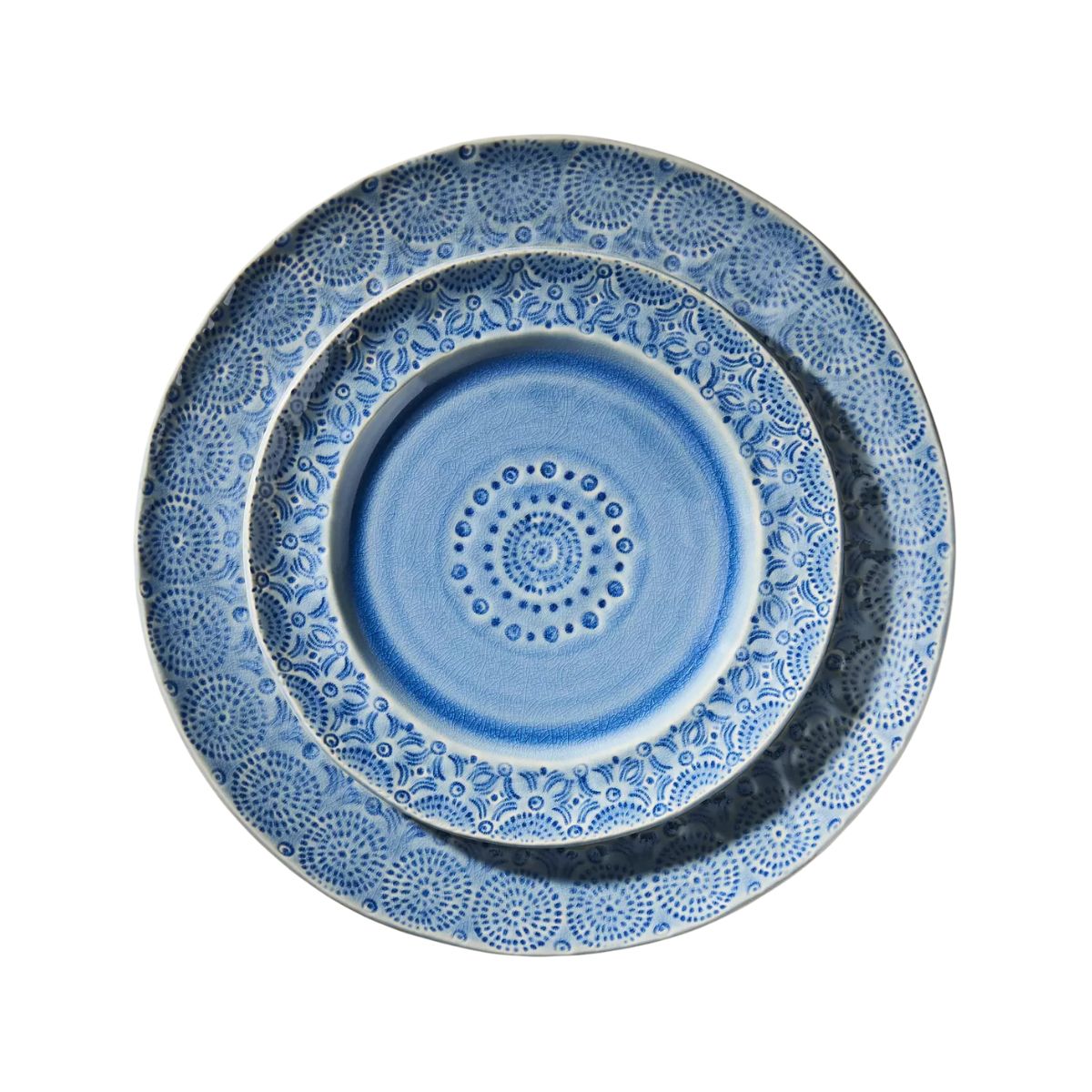
Anthropologie Old Havana Side Plates
Call us basic, but nothing excites us more than gorgeous tableware, and who can resist these stunning side plates from Anthropologie? Make mealtimes a moment that spark even more joy.
Can I just take a fibre supplement instead of eating 30g a day?
“Whole foods are always the gold standard because they provide a mix of fibre types alongside nutrients like magnesium, potassium and plant compounds (polyphenols) that work together for health,” advises Bardwell. “Fibre in food also tends to be digested more slowly, which is beneficial for blood sugar, appetite control and fullness.
“That said, fibre supplements can be helpful for some people, particularly food-based options like psyllium husk that I’ve included in my DIY granola and cottage cheese bread recipes, or multi-blend prebiotic fibres such as Myota that you simply add to water and chug back, or stir into things like chia pudding or overnight oats.
“Supplements can support bowel regularity and help close the fibre gap, but they work best as an addition to a fibre-rich diet, not a replacement for it.”