
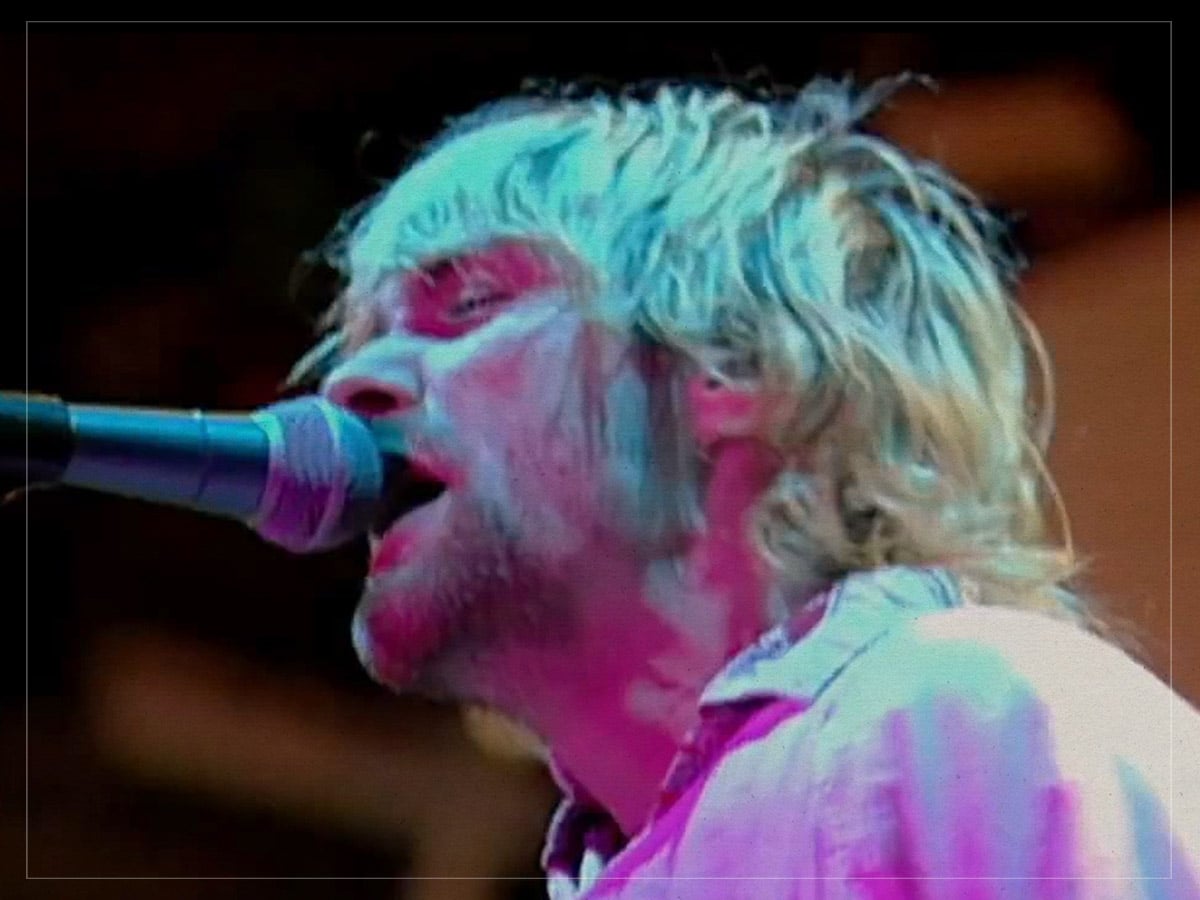

(Credits: Far Out / HBO Documentary Films)
Thu 29 January 2026 22:30, UK
Success was always going to be a double-edged sword for Kurt Cobain from the minute that Nirvana broke out in 1991.
Nevermind was destined to be a classic when ‘Smells Like Teen Spirit’ took over the airwaves, but Cobain wasn’t ready to have that much success that quickly. He wanted to have the same kind of slow burn that his favourite bands did, but when everyone else started popping up around him, he wasn’t going to be roped into the grunge category like everyone else.
Granted, it’s not like anyone ever had a proper description of what “grunge” music actually sounds like. Over time, the genre seemed to be code-speak for ‘bands that came from Seattle’, but there was no real rhyme or reason behind every band getting famous. Nirvana weren’t Soundgarden by any means, nor were Chris Cornell or Kim Thayil trying to sound like Melvins or Mudhoney, but that didn’t matter so long as they looked the part and sold as many flannel shirts as possible.
If anything, all of them were in different genres on their own. Nirvana had a punkish edge to their sound when Dave Grohl stepped behind the kit, Soundgarden were prepared to take on the world with their Zeppelinesque rock and roll tunes, and even Alice in Chains managed to fall under the grunge banner despite being one of the first major alternative metal bands to come out of the Northwest.
But since Pearl Jam was a newcomer, there were bound to be some strange looks from Cobain. All of the members had been mainstays of the grunge scene ever since Jeff Ament and Stone Gossard formed Green River back in the day, but when Eddie Vedder first got behind the microphone, Cobain knew that he wanted to be as far away from their sound as possible.
He may not have got his wish when the grunge banners started coming up, but Cobain wanted to make it clear that he was never in the same box that Pearl Jam was in, saying, “Every article I see written about them, they mention us. I would love to be erased from my association with that band and other corporate bands. I feel a duty to warn the kids of false music that’s claiming to be underground or alternative. They’re jumping on the alternative bandwagon.”
Even if Pearl Jam were far from a corporate outfit, it’s not hard to see why Cobain had a problem with them. Eddie Vedder’s raspy voice would become the classic rock version of what a rock and roll star is supposed to sound like, and since Mike McCready was still playing blistering solos, he wasn’t exactly going back to basics like a lot of the other Seattle bands were doing back in the day.
Then again, it’s not like Cobain was exactly on the money about his favourite bands or anything. The Butthole Surfers and Flipper were far from the most commercial rock and roll outfits in the world, and even if Cobain took a lot of inspiration from them, that didn’t stop him from making tunes that had those same anthemic melodies that Pearl Jam had. ‘Lithium’ might not have sounded anything like ‘Alive’, but both of them had the same effect on audiences when they reached the stadium circuit.
Being in that position might not have been comfortable by any means, but considering how Cobain was able to make up with Vedder after the fact, no one was saying that he was an outright hater of them by any stretch. He just seemed to have his guard up whenever he heard something that sounded too commercial, and even if he didn’t get to see his twilight years, Pearl Jam never took a single lesson that he had to teach them for granted.
Related Topics