
NEED TO KNOW
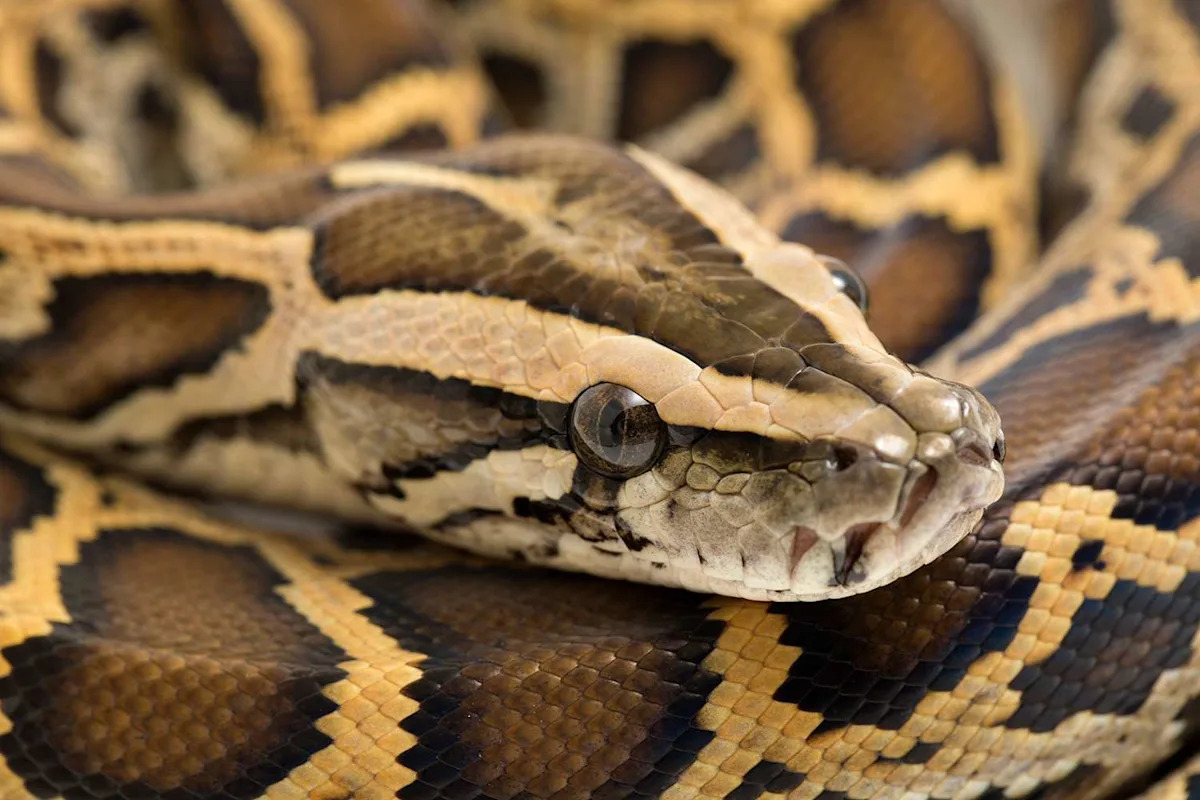
Burmese pythons in Florida are reportedly evolving to adapt to cold temperatures in Florida
Other reptiles, like alligators, enter a hibernation-like state during colder weather
Evidence has shown that Burmese pythons are becoming cold-tolerant due to their genome being altered by evolutionary change
Florida’s invasive Burmese pythons are reportedly surviving despite temperatures dropping to dangerously low numbers for cold-blooded reptiles.
Some southern parts of the state recently experienced several days when temperatures dipped below 50 degrees for hours, causing iguanas to fall from trees and alligators to stop eating, according to new reports by Naples Daily News and The News-Press.
During the cold, alligators enter a dormant state known as brumation when temperatures are below 55 degrees, according to The News-Press. Brumation is a hibernation-like state of dormancy.
However, despite these reptiles running from the cold, it appears Burmese pythons in Florida have adapted to endure colder temperatures.
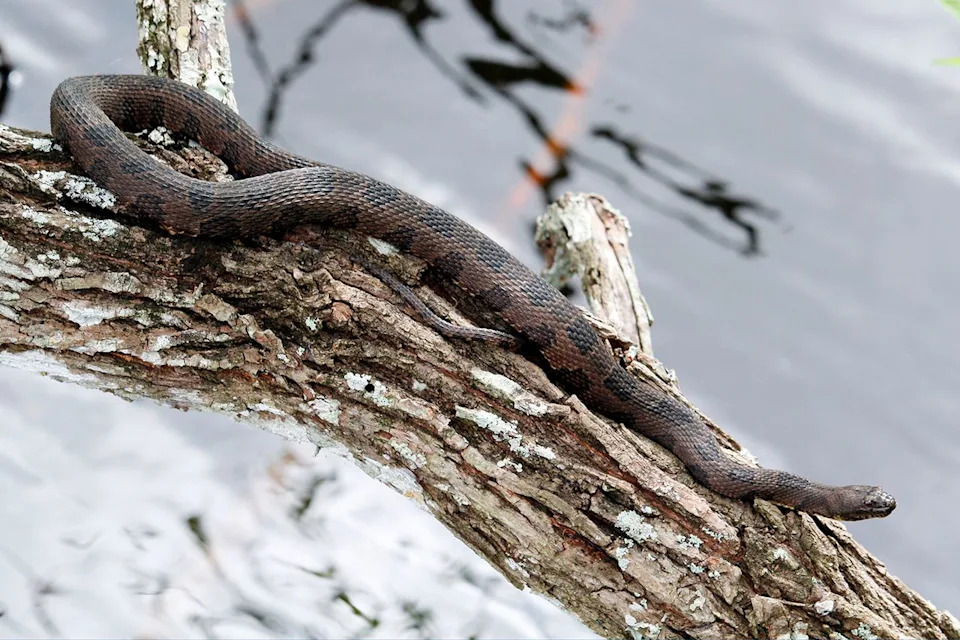 Stock image of a python in Florida
Getty
Never miss a story — sign up for PEOPLE’s free daily newsletter to stay up-to-date on the best of what PEOPLE has to offer, from juicy celebrity news to compelling human interest stories.
Burmese pythons, native to Southeast Asia, likely ended up in southern Florida, specifically the Everglades, through the exotic pet trade and the discarding of animals. Like other cold-blooded creatures, Burmese pythons cannot maintain a constant warm, healthy body temperature on their own. Usually, this means it is dangerous for pythons to spend prolonged periods in temperatures below 65 degrees, but Florida’s Burmese pythons seem to be adjusting to the state’s occasional cold snaps.
“In their native range, Burmese pythons are subtropical reptiles and are cold-sensitive animals,” Conservancy of Southwest Florida Environmental Science Coordinator Ian Bartoszek told The News-Press.
“Freezing temperatures can be lethal to pythons,” Bartoszek added. “Conservancy biologists have observed pythons using gopher tortoise and armadillo burrows to seek refuge from cold events.”
However, a 2023 United States Geological Survey (USGS) report stated that new evidence showed that parts of the Florida pythons’ genome linked to cold tolerance had been altered due to evolutionary change, adding, “there is the potential for behavioral plasticity to enhance cold tolerance,” per The News-Press.
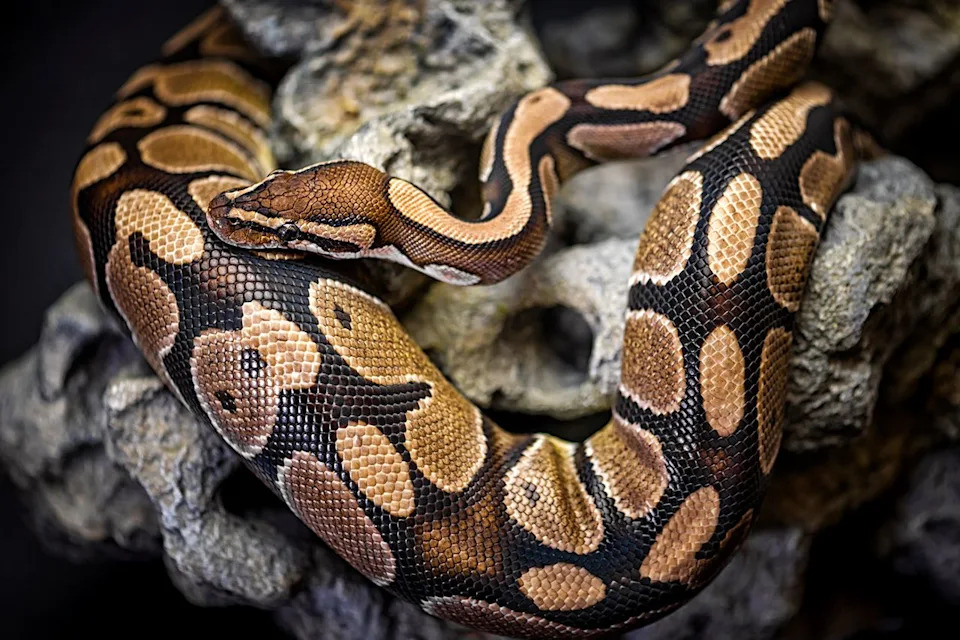
Stock image of Burmese python Getty
“This evidence suggests we may at least expect that pythons can tolerate climatic conditions farther north than where the population is currently established south of Lake Okeechobee,” the report added, per the outlet.
Burmese pythons are not venomous and average between 10 and 16 feet long when they’re adults, according to The News-Press. They live over a thousand square miles of South Florida and have few predators.
Meanwhile, they prey on multiple native species and contribute to declining populations of native animals, including foxes, cottontail rabbits, raccoons, and bobcats, a 2012 study reported, per The News-Press.
While the cold might not bother the Burmese pythons in Florida, the state does take official efforts to curb the invasive species’ spread, including hosting an annual python hunt.
Read the original article on People