

Young people ‘in the prime of their lives’ are being struck down by severe forms of tuberculosis, a top doctor has said, as England faces losing its status as a low-TB nation
A leading doctor has warned that TB is impacting young people ‘in the prime of their lives’ (file photo)(Image: Getty Images)
Young people in Britain have been left unable to walk after developing severe forms of tuberculosis, a top medical professor has told the Mirror.
Professor Onn Min Kon, a leading respiratory physician and head of the tuberculosis service at Imperial College Healthcare NHS Trust, warned that England is rapidly on its way to losing its status as a low-TB nation as cases of the disease soar – and said “productive young people in the prime of their lives” are suddenly finding “they can’t walk”.
He spoke after an outbreak at an Amazon warehouse in Coventry saw 10 employees testing positive for the condition, sparking demands from union bosses for the site to close.

Professor Onn Min Kon, head of the tuberculosis service at Imperial College Healthcare NHS Trust, spoke to the Mirror about rising cases in the UK
READ MORE: Health warning after 5,424 cases of world’s deadliest infection in EnglandREAD MORE: Nipah virus – top virologists outline TRUTH about outbreak sparking fears of new pandemic
It reflects a wider national picture of higher cases, with notification rates in England rising by 13% in 2024 and a further 1.5% in the first three quarters of 2025 – leaving the nation on the brink of crossing the World Health Organisation’s threshold to become a “medium incidence” country for the first time this century.
‘These are productive young people in the prime of their lives’
Describing the symptoms he’s seen in TB patients in the capital and in hospitals across the nation in recent years, the professor said: “Certainly in London, the severity of the presentation seem to be worse now. I think that is partially a carryover from COVID. People were ascribing their cough to COVID and lots of other infections, but in fact they were potentially harbouring infectious TB, and in a much more advanced phase.
“We also see a large element of people with what we call extra-pulmonary TB, which means the TB is not just in the lung. You can have terrible, devastating, spinal disease and people are paralysed. These are productive young people in the prime of their lives – making a living and bringing up a family – and suddenly they find they can’t walk. That has massive financial and rehabilitation implications for them.”
While spinal TB is “not that common”, he explained, making up less than 10% of all cases, the repercussions “are really profound and long-lasting” – and become more of a risk with higher prevalence of the disease among the population.
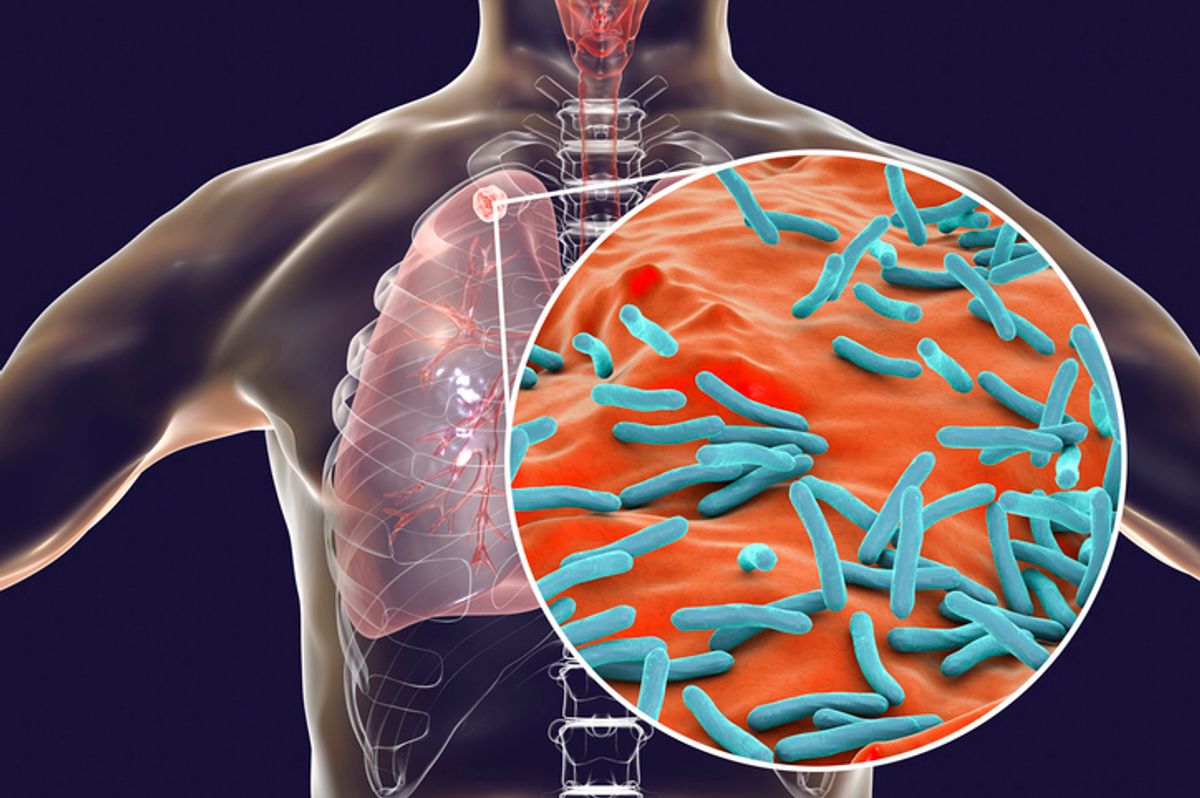
Spinal TB can leave sufferer with serious, life-changing impacts, he explained(Image: Getty Images/Science Photo Library RF)
England ‘close’ to losing status as a low-TB nation
Tuberculosis was referred to a ‘consumption’ in the Victorian era, and has in recent decades been thought banished to history books and Charles Dickens novels – but it has “never completely disappeared off the radar”, according to the professor.
There were 5,480 cases in England alone in 2024, and it “always shocks people when I tell people how many cases of TB there are actually in the UK every year”, he said.
Rising cases of TB in England mean the country is now at real risk of losing its status as a low-incidence country for the disease, and could soon be moved by the World Health Organisation into the medium-risk category – potentially putting it in the same category as Albania, Romania and Egypt.
The “medium incidence” category is defined by the WHO as countries with a notification rate between 10 and 99 cases per 100,000 people, with England currently at 9.37, according to the latest UKHSA report in October. The cost to the NHS is meanwhile estimated over £175 million over the last five years.
What are the symptoms of tuberculosis?
Tuberculosis usually affects the lungs and in the UK is often treated with antibiotics – but can be serious if not treated. There’s a vaccine that helps protect some people who are at risk from the infectious disease. Symptoms of tuberculosis usually come on gradually, the NHS says.
The common symptoms are:a cough that lasts more than 3 weeks – you may cough up mucus (phlegm) or mucus with blood in itfeeling tired or exhausteda high temperature or night sweatsloss of appetiteweight lossfeeling generally unwell’TB anywhere is TB everywhere’
Part of the emerging TB picture in the UK has can be put down to increased mobility across national borders, including tourism and migration patterns, and Professor Onn Min Kon said it is vital the UK works with other countries to bring global cases down, as “TB ‘anywhere’ is TB ‘everywhere’”.
Huge cuts to international funding – including Donald Trump’s cancelling of the USAID programme last year – are already being linked to “devastating” impacts on counter-TB efforts. In the Philippines, the best drugs for multi-drug resistant TB were “effectively funded by the USAID scheme”, he said, and when the US “pulled out, very suddenly,” local health services had to stop using them.
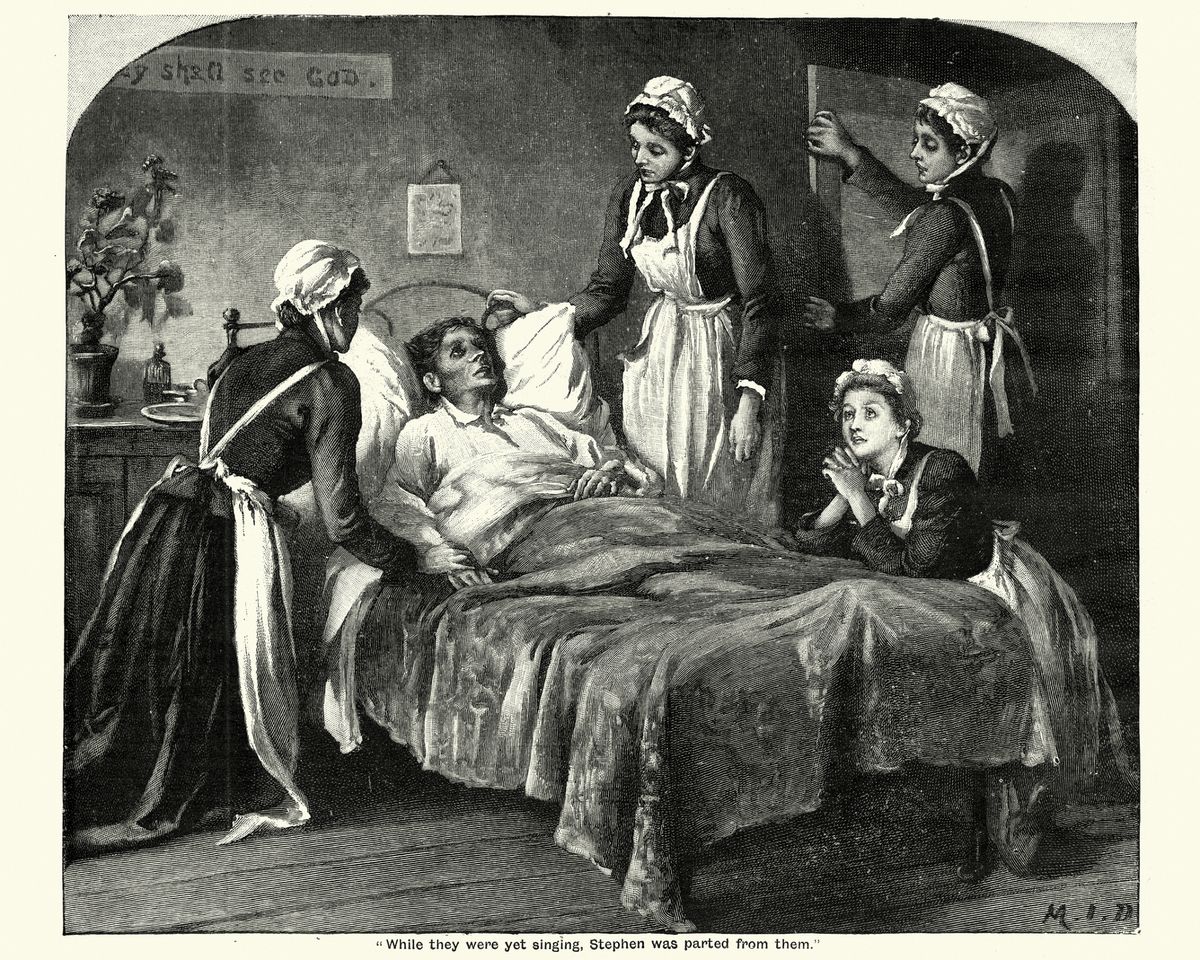
Tuberculosis caused nearly four million deaths in England and Wales between 1851 and 1910(Image: Getty Images)
He warned that this loss of access to the best medication has a “massive impact” in terms of the ability to control variants that are resistant to traditional treatment, making the disease harder to manage globally and, by extension, in the UK.
The professor, who is a campaign spokesperson for the Healthy World, Secure Britain Campaign, explained that prisons and the homeless population have emerged as particular hotspots for the disease in the UK, as it takes “quite a few hours” in an enclosed space “to be able to be infected by it”.
In addition to the existing screening programme, which is aimed at people who come into Britain from high incidence countries staying for more than six months, he is hoping that this can be further extended to include these at-risk settings, as recent outbreaks show the infection is now spreading among people who have not been abroad.
While cases have traditionally been centred around major urban centres, such as London, some of the biggest increases in recent times have been in areas that were previously regarded as “low incidence”, he explained – showing the importance of having TB specialists and nurses in every NHS trust.
“If you look at where the TB is going up in the UK, it’s not going up where you think it might be sometimes”, the professor said.

An Amazon fulfilment centre in Coventry was at the centre of a recent outbreak(Image: Bloomberg via Getty Images)
Amazon says deliveries ‘unaffected’ after TB outbreak
Last week, Amazon said its delivery operations remain unaffected by a tuberculosis outbreak at its key delivery hub in Coventry.
A total of 10 people tested positive for latent TB during screenings at the Lyons Park warehouse in September 2025, though operations at the facility are said to be continuing “as normal”.
GMB union bosses urged Amazon to temporarily close the warehouse, while Coventry Labour MP Taiwo Owatemi said that Amazon has a “clear responsibility” to employees and the public. The online retail giant said no additional cases have been identified and there was no ongoing risk to the public.