
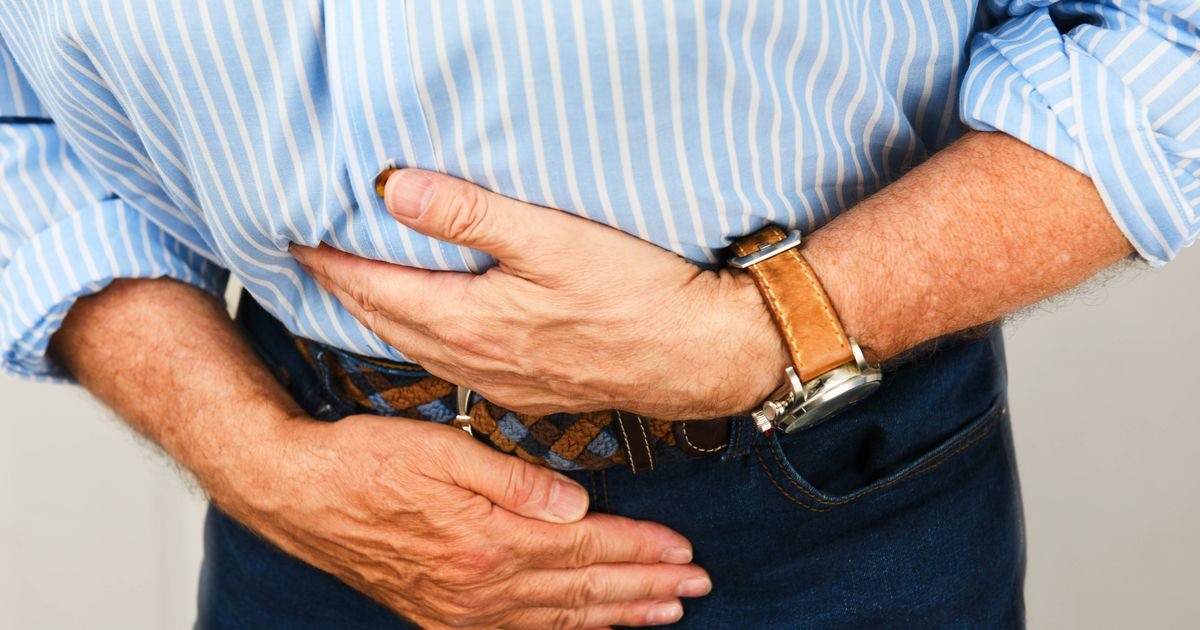
Public Health Scotland has explained what to do if you develop the infection and when to seek medical advice – including when to dial 111 or even 999
Elaine Blackburne Network Content Editor
17:01, 30 Jan 2026Updated 17:19, 30 Jan 2026
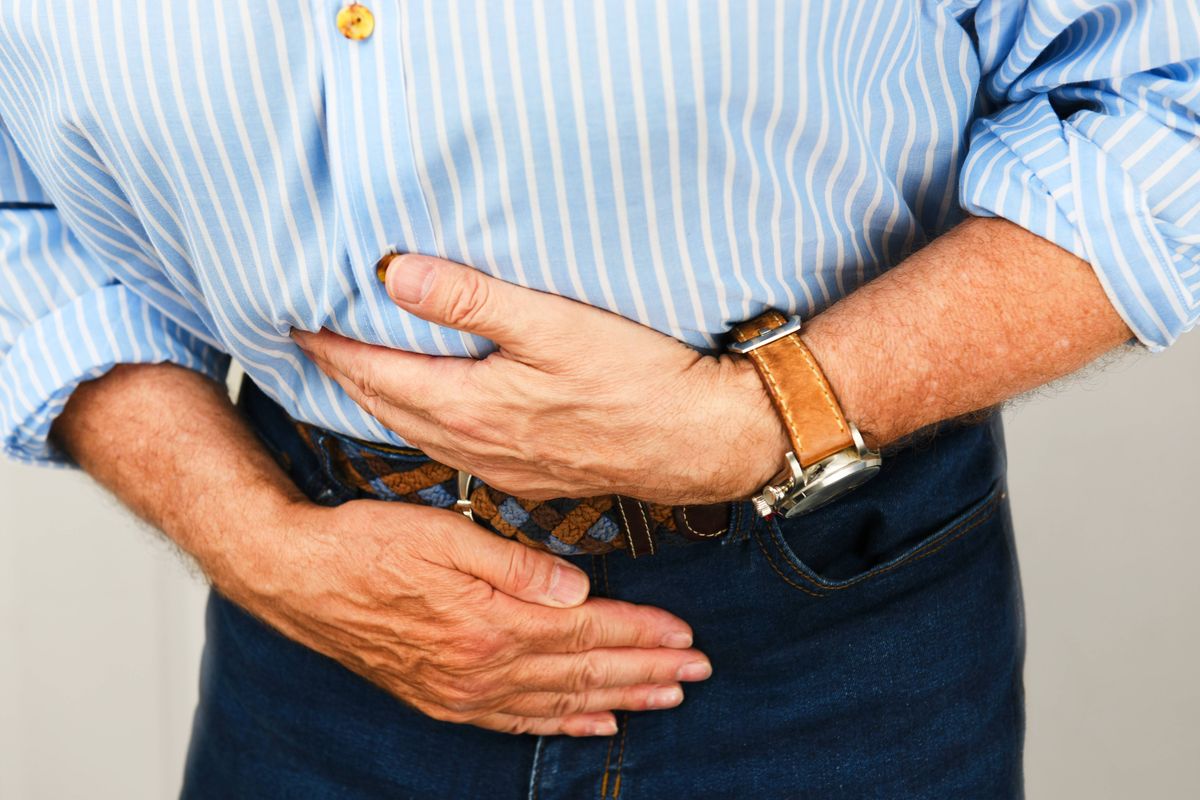
It can be uncomfortable but is rarely serious(Image: Peter Dazeley via Getty Images)
Health chiefs are urging people to stay alert for signs of a “unpleasant” bug that is circulating. Latest data reveals infection rates are more than double those recorded at this point last year.
But the official figures for norovirus – commonly known as the winter vomiting bug – represent only a fraction of the true picture, as they’re based on “confirmed infections”. Public Health Scotland explains: “Laboratory confirmations represent just a small proportion of the true incidence in the community as most cases will experience a relatively mild self-limiting illness and will not require medical attention and have a stool sample submitted for laboratory testing.”
Latest statistics show that in the week ending January 25, there were 60 confirmed norovirus cases. That’s more than double the 29 recorded during the corresponding week in 2025.
The figure also exceeds the five-year average for that timeframe, which examines data from the past five years whilst excluding pandemic-affected periods. The five-year average (2017/18 to 2024/25, excluding 2019/20, 2020/21 and 2021/22) of the weekly number of norovirus laboratory reports received was 53.
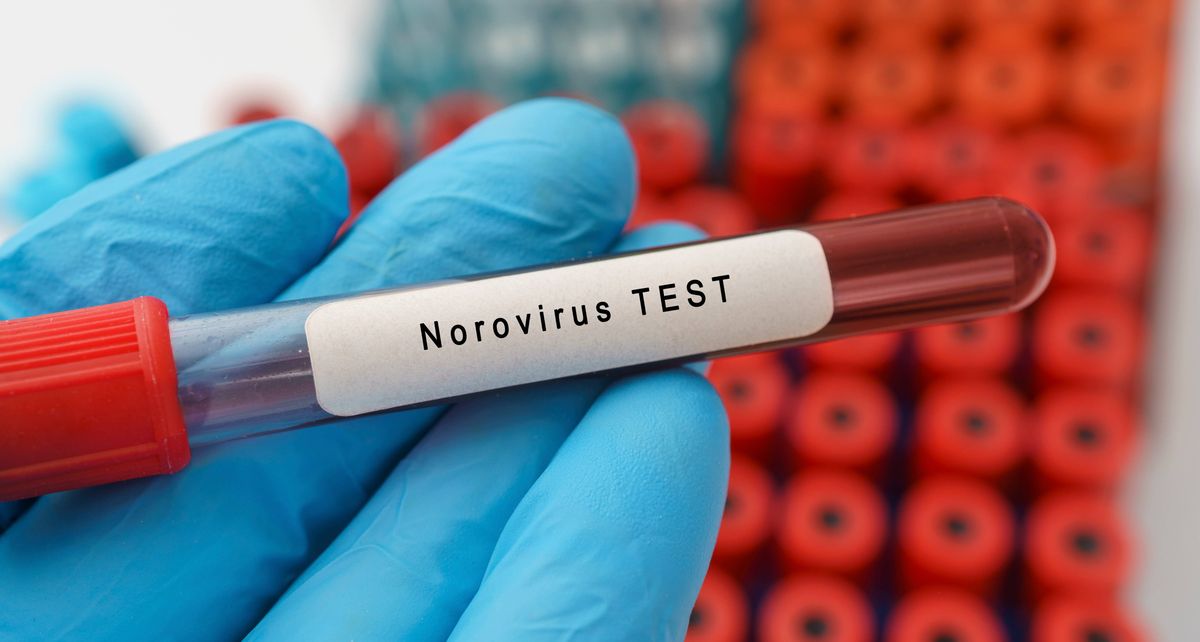
Norovirus is usually mild but there are times you should call 111 or even 999(Image: Getty)
The pattern seems to be holding steady for 2026, with the preceding week showing 69 confirmed cases. The five-year average stood at 55, reports Glasgow Live.
A Public Health Scotland spokesman said: “It is important to note that norovirus activity fluctuates on a week-by week basis and from season to season. Norovirus is a stomach bug that can cause diarrhoea and vomiting.
“We can all help prevent picking up and passing on norovirus by regularly washing hands with warm soapy water and minimising contact with others if you have the infection, especially with those who are vulnerable. It is important to note that alcohol hand gels do not kill norovirus.”
NHS Inform’s website provides guidance on recognising the virus and what steps to take if you or your child fall ill. Whilst there’s no specific treatment available, the majority of people can recover at home without needing medical intervention.
The site also outlines circumstances when you should seek medical advice. It also says when you need to contact 111 or even dial 999.
What is norovirus
Norovirus causes diarrhoea and vomiting and is one of the most common stomach bugs in the UK. It’s also called the ‘winter vomiting bug’ because it’s more common in winter, but you can catch it at any time of the year.
Norovirus can be very unpleasant but usually clears up by itself in a few days. You can normally look after yourself or your child at home.
Symptoms of norovirus
You’re likely to have norovirus if you experience:
suddenly feeling sickprojectile vomitingwatery diarrhoea
Some people also have a slight fever, headaches, painful stomach cramps and aching limbs. The symptoms appear 1 to 2 days after you become infected and typically last for up to 2 or 3 days.
Preventing norovirus
It’s not always possible to avoid getting norovirus, but following the advice can help stop the virus spreading. You should:
stay off work or school until at least 48 hours after the norovirus symptoms have stoppedavoid visiting anyone in hospital during this timewash your hands frequently and thoroughly with soap and water particularly after using the toilet and before preparing or handling foodbe aware alcohol-based hand gels don’t kill the virus
Maintain basic hygiene and cleaning to help stop the spread of norovirus by:
disinfecting any surfaces or objects that could be contaminated, using a bleach-based household cleaner.washing any items of clothing or bedding that could have become contaminated separately on a hot wash (60°C) to ensure the virus is killed.not sharing towels and flannelsflushing any poo or vomit in the toilet and cleaning the surrounding area with a bleach-based household cleaneravoiding eating raw, unwashed foodonly eating oysters from a reliable source as they can carry norovirusWhat to do if you have norovirus
If you experience sudden diarrhoea and/or vomiting, the best thing to do is to stay at home until you’re feeling better. There’s no treatment for norovirus, so you have to let it run its course.
You don’t usually need to get medical advice unless there’s a risk of a more serious problem. To help ease your own or your child’s symptoms drink plenty of fluids to avoid dehydration.
You need to drink more than usual to replace the fluids lost from vomiting and diarrhoea – as well as water, adults could also try fruit juice and soup. Avoid giving fizzy drinks or fruit juice to children as it can make their diarrhoea worse. Babies should continue to feed as usual, either with breast milk or other milk feeds.
You can also:
take paracetamol for any fever or aches and painsget plenty of restuse special rehydration drinks, available from community pharmacies if you have signs of dehydration, such as a dry mouth or dark urine
If you feel like eating, try plain foods, such as soup, rice, pasta and bread. Babies and young children, especially under a year old, have a greater risk of becoming dehydrated.
When to get medical help
NHS Inform says: “You don’t normally need to see your GP if you think you or your child has norovirus, as there’s no specific treatment for it. Antibiotics won’t help because norovirus is caused by a virus.”
It adds: “You should avoid going to your GP, as norovirus can spread to others very easily. Phone your GP practice or NHS 24 on 111 if you’re concerned or need advice.”
However you should call 111 now if:
you’re worried about a baby under 12 monthsyour child stops breast or bottle feeding while they’re illa child under 5 years has signs of dehydration – such as fewer wet nappiesyou or your child (over 5 years) still have signs of dehydration after using oral rehydration sachetsyou or your child keep being sick and cannot keep fluid downyou or your child have bloody diarrhoea or bleeding from the bottomyou or your child have diarrhoea for more than 7 days or vomiting for more than 2 days
You should dial 999 or go to A&E if you are your child
vomit blood or have vomit that looks like ground coffeehave green vomit (adults)have yellow-green or green vomit (children)might have swallowed something poisonoushave a stiff neck and pain when looking at bright lightshave a sudden, severe headache or stomach ache