
The hospice is in a much more stable position but managers say more needs to be done
Jasmine Siddon Reporter
06:00, 01 Feb 2026
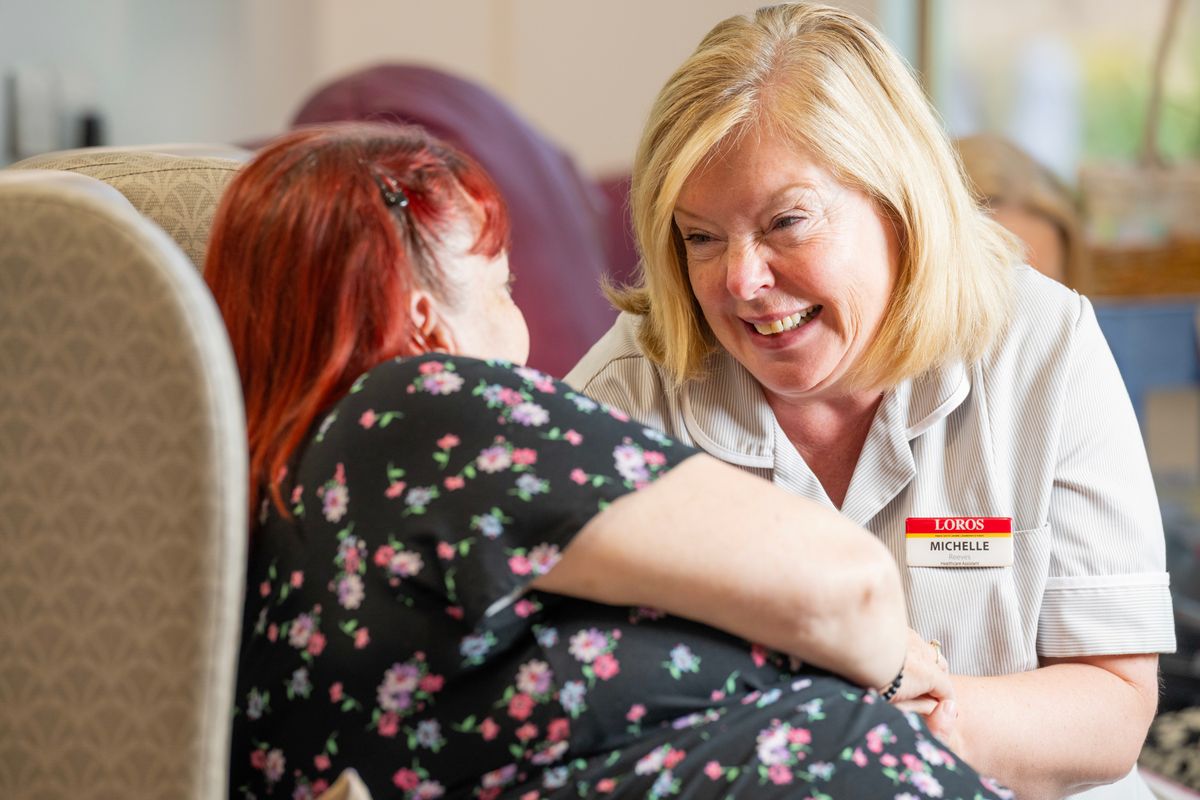
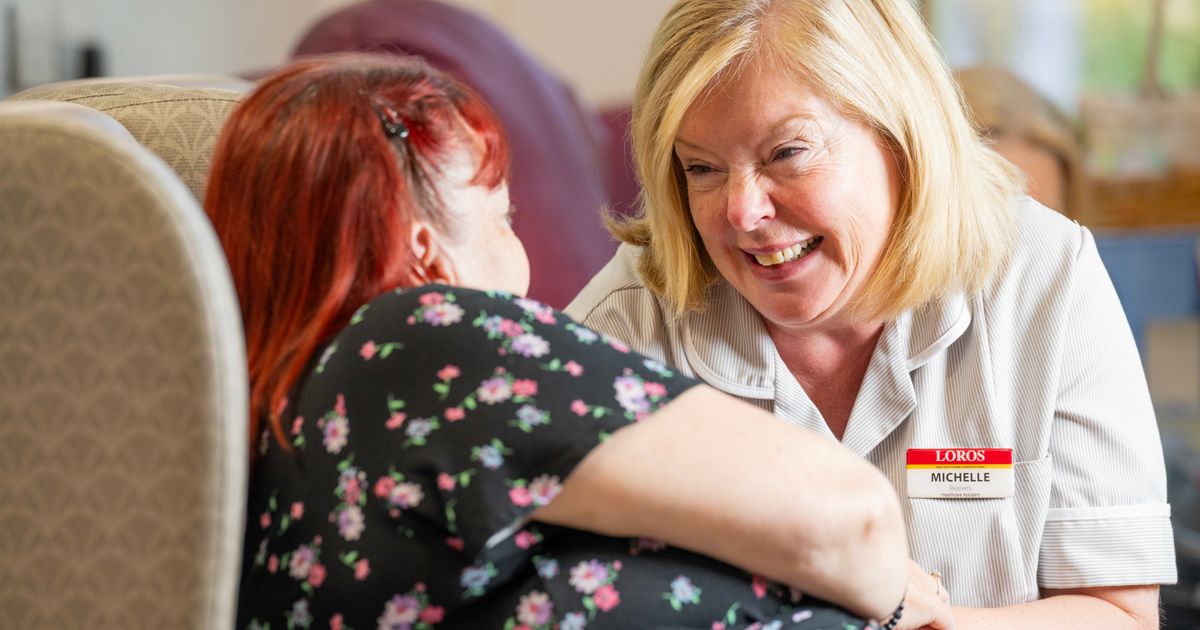
In 2026, the main aims at LOROS are ‘sustainability’ and ‘stability’.(Image: Beth Walsh Photography / LOROS)
A “well-loved” Leicestershire hospice, which faced a £2 million shortfall last year, says similar organisations across England are “eroding under the population’s nose”.
LOROS in Groby Road announced that it was forced to make cuts to day therapy and inpatient ward bed services last July. Bosses were ultimately driven to restructure the hospice’s services due to a financial deficit.
The hospice said inpatient beds had reduced from 31 two years ago to 20, whilst day therapy was cut by 25 per cent. Physio, occupational therapy, social work, and chaplaincy services were also halved as part of the cuts.
Six months on, Camilla Barrow, the acting/interim chief executive of LOROS, said that the hospice is “much more stable” but “not out of the woods” yet.
She said: “We had a £2 million deficit in our budget [last year], which forced us to make really difficult decisions.
“Those difficult decisions have now meant that we are in a much more stable financial position today than we were in the summer, but of course, it comes at great consequence. We are not out of the woods.”
One consequence of the cuts has been longer waiting lists for those in need of palliative and end-of-life care.
‘You can’t wait for a palliative and end-of-life care bed’
Ms Barrow said it weighs “extremely heavy” on the team seeing patients having to wait.
She said: “For our day hospice, the waiting list is bigger, but it also means people are accessing our care.
“We’re still absolutely looking after the people that need us, but we’re having to rationalise that care. If you are somebody who’s palliative or end of life, it’s not like waiting for a hip replacement.
“You might be really uncomfortable waiting for a new hip, and you might not be able to work, and you might not be able to do all the things that make life good, but you can wait.
“You can’t wait for a palliative and end-of-life care bed because time is the one thing our patients don’t have, and that weighs extremely heavy on me as a leader, but extremely heavy on our workforce.
“When you’re at home with a loved one who is either in pain, not stable or unsettled, waiting an hour [for specialist care] would feel long, but waiting days would feel really, really difficult. For me, that isn’t good enough. I think the community deserves better than that.”
LOROS cares for more than 2,600 people across Leicester, Leicestershire and Rutland every year. Ms Barrow said that a rise in numbers on waiting lists largely came down to the increase in birth rates decades ago, but also that people are now living longer.
She added: “The drive to close services never came out of a lack of demand; in fact, quite the opposite.
“Birth rates increased in the 50s and 60s, as we know, and we now know that there are more people who are expected to die over the next 10 years just purely based on birth rates.
“That’s not taking into account that people are living longer, thankfully. They’re living longer with complexities that we care for them with.
“At a time when hospices need to do more, we, in Leicester, Leicestershire and Rutland, are doing less than we were doing last year, and less than we were doing the year before, which is not right for the people of Leicestershire.”
‘Our workforce is so dedicated’
Camilla said that despite the difficulties LOROS has faced, its workforce has always turned up “tirelessly”. Despite losing colleagues to redundancy amid a stark increase in demand for care, she said they have “never stopped” putting patients first.
Amid the cuts made in the summer, she said the hospice had 88 people at risk of redundancy. Camilla said: “Our workforce, who have turned up tirelessly and with dedication, have never stopped putting the patient first, yet they’ve worked in a terrain where [they have seen] instability and their colleagues who have become friends leave through redundancy.
“At one point, we had 88 people at risk of redundancy. We didn’t make that many, as thankfully redundancy processes are robust, so we didn’t have to lose 88 people.
“[Our workforce] is so dedicated and skilled at delivering palliative and end-of-life care. Like many people who enter into healthcare, it’s a vocation; it’s not just a job.”
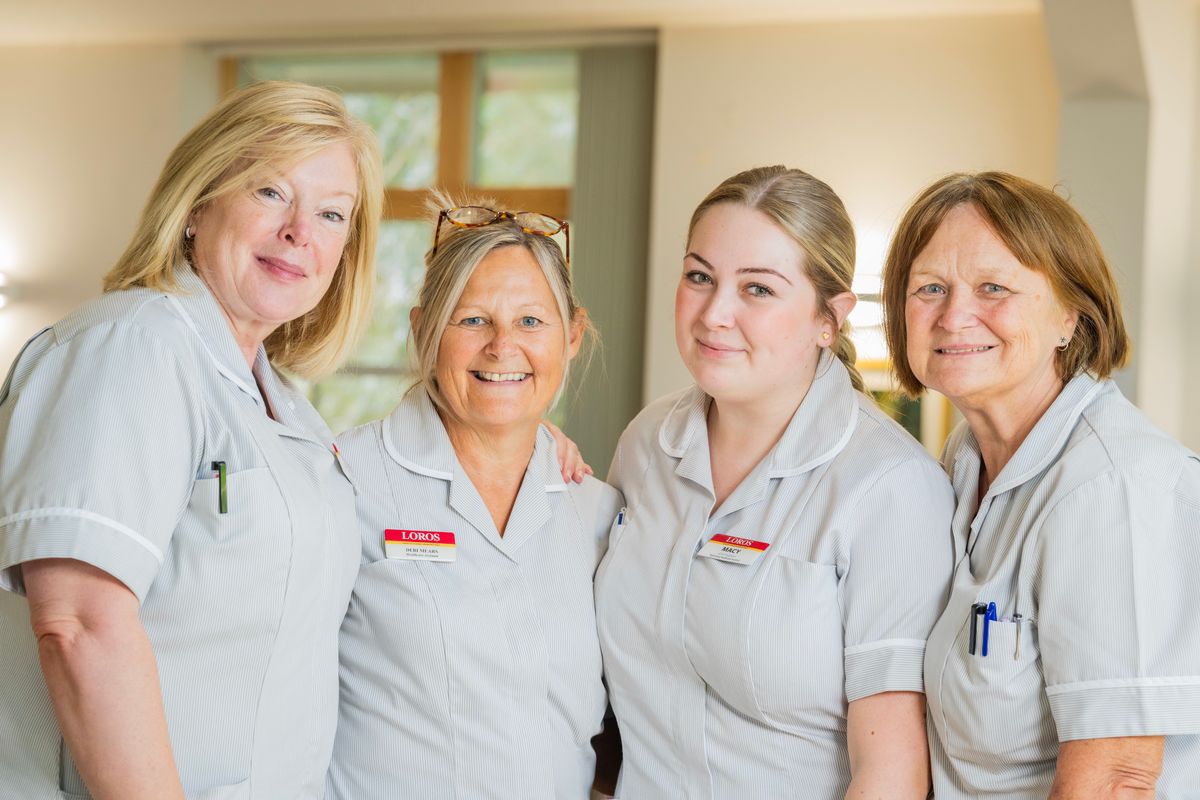
The workforce has been described as ‘dedicated’ and ‘committed’. (Image: Beth Walsh / LOROS)
The hospice is currently working hard with the Integrated Care Board (ICB), which provides statutory funding for organisations across the UK.
LOROS received additional funding just before Christmas, allowing an extra four beds to be opened.
These beds, however, will have to close in April, as they were only intended for the winter months.
Camilla added: “We will work hard to make sure that that [closing those extra beds] isn’t the eventuality, but at the moment that’s what I’m facing.
“We’re making sure that [the ICB] knows the value of what we deliver.
“The impact that we have if a patient is being looked after at LOROS means that they’re not in a hospital bed, and they’re being looked after by us.”
As well as highlighting its value to the ICB, LOROS will call on the government to change how hospices are funded. Ms Barrow said that many people are unaware of how government funding works.
‘We’re eroding under the population’s nose’
She added: “You can go to another hospice [in England], which, for example, might receive 80 per cent of its care funded by the government; yet LOROS has 27 per cent of its care funded.
“You could go to another hospice in the country and they might get 65 per cent of their care [funded], so there’s no equity.
“What we’re calling on the government to do is to recognise we need equitable commissioning. I think so many people don’t realise this.
“I think they think every hospice would receive the same, or that the government has a pot of money just for hospices, and that’s not how it is.
“At the moment, [hospices] up and down the country, including LOROS, are eroding, and I feel like we’re eroding under the population’s nose. So many people don’t know, and they don’t understand.
“Before I worked in hospices, I would have assumed that they were probably NHS-funded. I’d have been shocked to learn they were running predominantly on charity money.”
The stark challenges that Loros has faced has also highlighted the love and support the organisation has from the community in Leicestershire and Rutland.
Camilla said: “Being in the press and engaging with the community by letting them know that we are at risk and the consequence of that, the community has stepped up.
“They’ve absolutely come out just before Christmas, in the autumn and in the late summer, once we went out and shared our story [about the £2 million shortfall]. LOROS is so well-loved in Leicestershire. It’s well-loved because we deliver exceptional care and have been doing so for 40 years.
“When people have received that care, whether it’s a relative, a friend, or a neighbour, they know that if you come into LOROS, we will look after you. That’s not me being biased, that’s just true.
“The stories I get to hear, which is a good part of my job really, is often how we’ve made such a difference, not just to the patient, but actually to the family and the wider community, who are saying that they were devastated or grief stricken, but they get comfort years later, from knowing those last days and weeks [were spent in our care].
“We have even looked after people for a couple of years because they’re living well. We need them to live well, and we’re supporting them to do that because hospices aren’t just about dying, but some people do die with us.
“That lives on, and that’s what we can’t lose. We cannot lose that. There isn’t any other adult hospice in Leicester, or Leicestershire, or Rutland. We are the only adult hospice, so it has to be protected.”
Looking ahead, LOROS said that it has “some hope” now that its care services have stabilised.
Camilla said that heading into 2026, there has already been community support, with people organising fundraising events for this year.
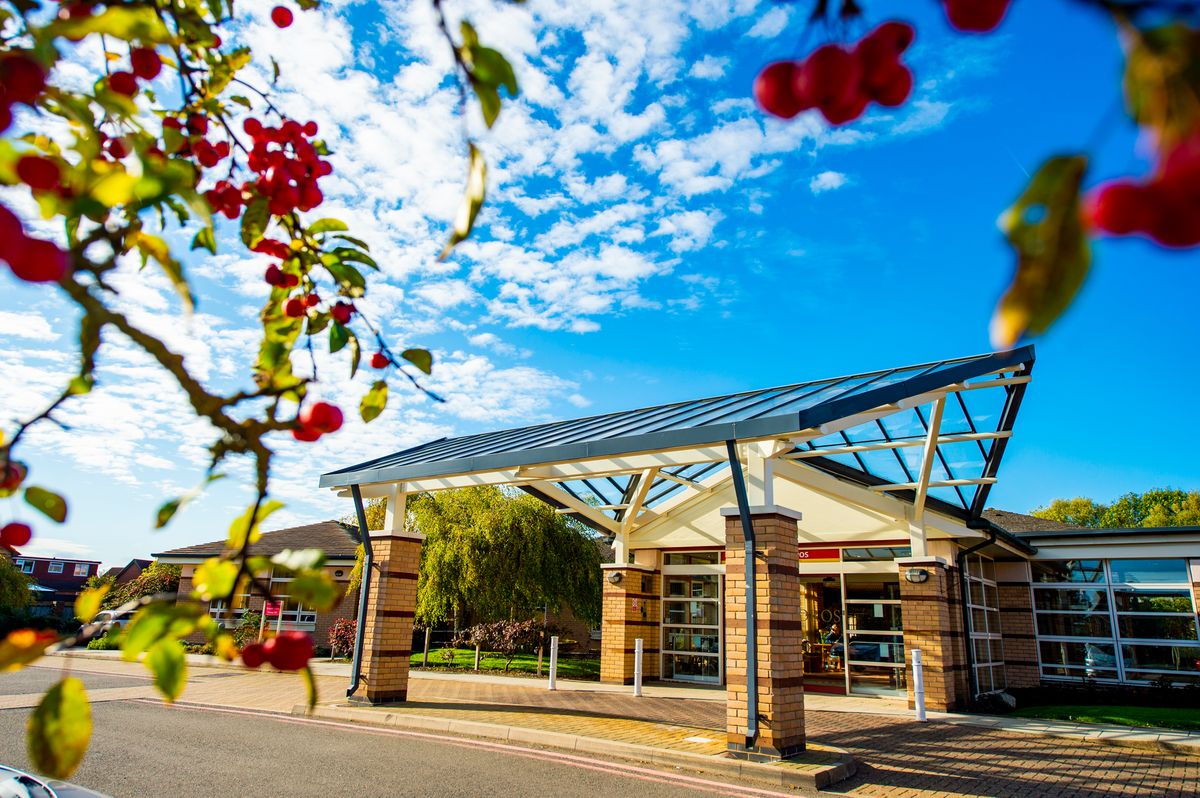
The hospice has changed a lot over the years, but the quality of care has remained the same(Image: Beth Walsh / LOROS)
She told Leicestershire Live: “We’ve seen an increase in the community, and of course, that is wonderful, and I am humbled and blown away by how much we are loved, and how much the community refuses to let us go away, and help us.
“We’ve already had people come forward and say that this year they are going to do a festival, or a school non-uniform day. There are so many amazing initiatives from people who say, ‘We want to do more crazy things, like jump out of a plane,’ and we’ve also got a trek in 2027 to Machu Picchu.
“Our aims [for this year] are stability and sustainability, and ensuring that we are here for the next generation. We need to make sure that we’re here for the future.
“At LOROS, our arms are open and wide, and we’re saying, ‘We’ve got solutions, we can help these people that need our help, we’ve been doing it for 40 years. Recognise us, and fund us appropriately to make sure that hospices aren’t eroding.”
With all that LOROS has been through within the past six months, Camilla said that hearing about the impact the hospice has on countless lives across the community “far outweighs” the difficult times. She reflected on the workforce, which she is “very proud” of, and shared that she was “determined” for the future.
Camilla added: “I have lots of challenges as a CEO, but listening to patient stories, listening to the impact of our care, by far outweighs the tough days. When [people] need us, I plan for us to be here.
“Despite all of the turmoil last year – and it was so challenging for our workforce, and our patients and families – but they have turned up dedicated and committed every single day, with such a level of professionalism, and, again, just the patient being the centre of everything we do.
“I am very proud, but I’m also very, very determined that we ensure that LOROS is here for the future.”