
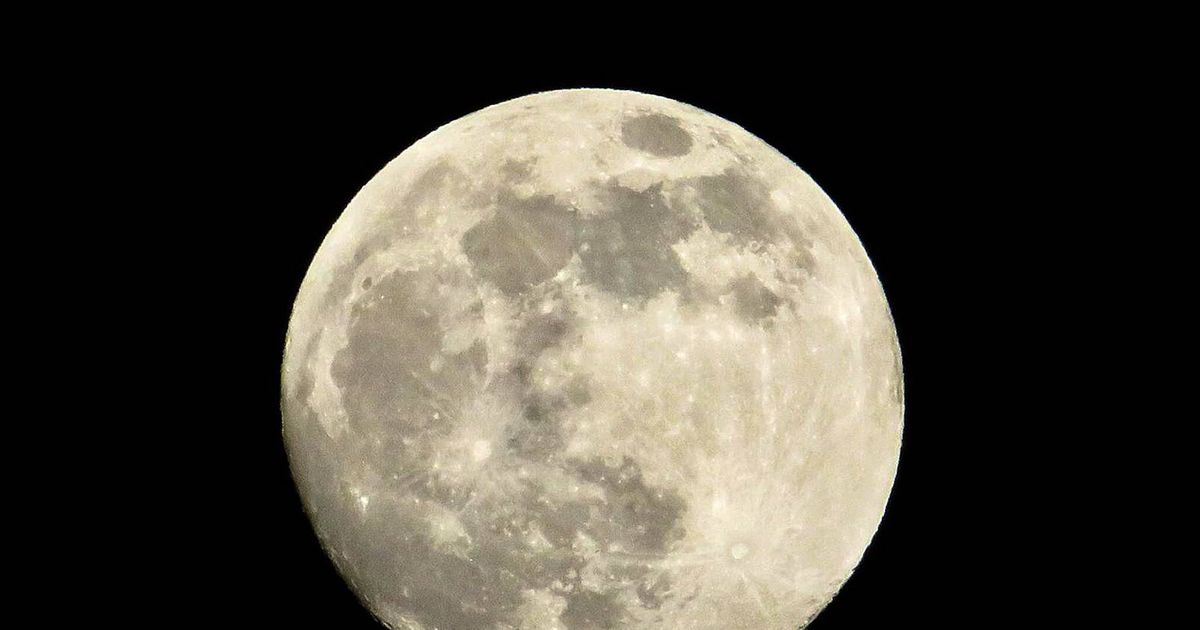
The Snow Moon rises tonight as the last full moon of meteorological winter – here’s what it is and how to spot it across the UK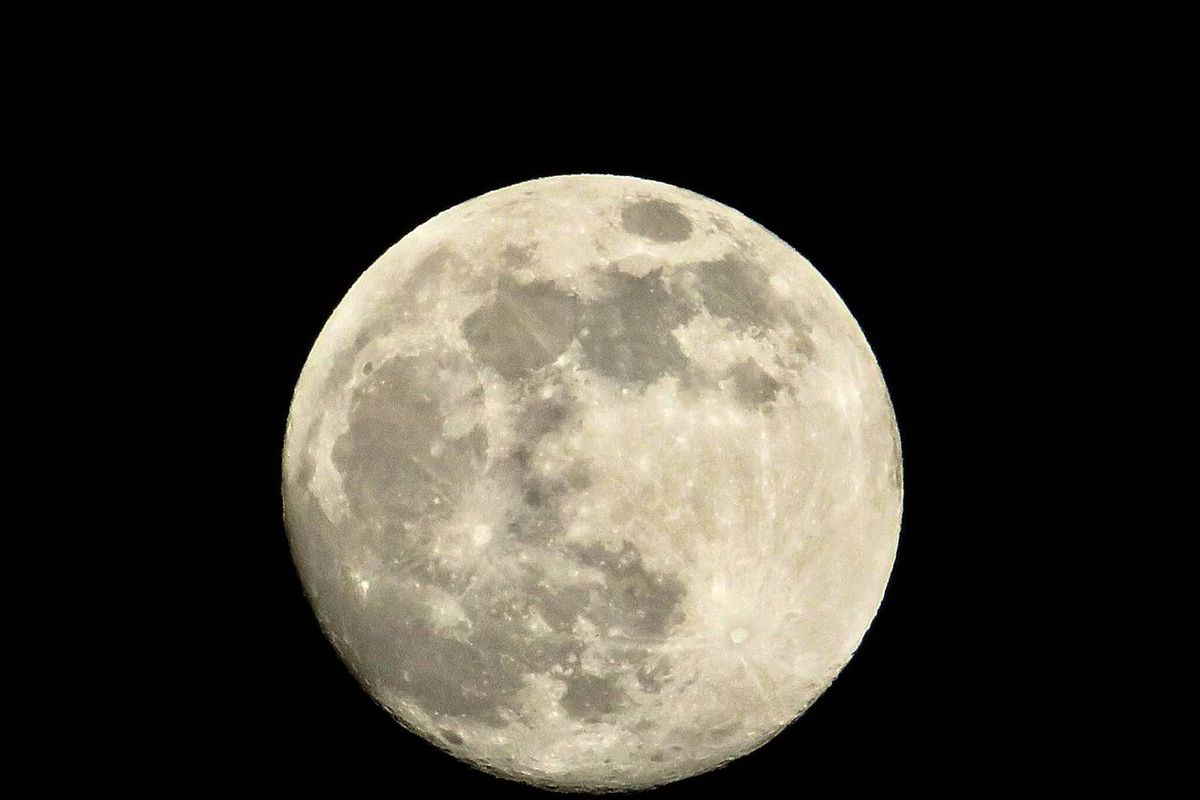
The Snow supermoon over North Wales last year(Image: Daily Post Wales)
Recent weeks have already delivered some spectacular celestial displays, with stunning Northern Lights visible across parts of Wales at the year’s beginning and the Wolf Moon gracing January skies. Now, attention turns to the forthcoming full moon, which is due to brighten the heavens at February’s outset.
The approaching full moon goes by the name Snow Moon, and holds particular significance as it offers stargazers their final opportunity to witness a complete full moon during meteorological winter on Sunday, February 1.
Many individuals consider this lunar phase to represent transformation, optimism and fresh starts. So what exactly is it, and how might you observe it?
We’ve compiled all the essential information below.
Should you fancy stepping outdoors for a look, it will appear at 4.13pm and ought to remain visible until setting at 8.06pm on February 2. These times differ marginally based on your location within the UK.
What’s behind the snow moon name?
Every full moon throughout the year carries its own designation, with 12 (occasionally 13) lunar cycles annually. February’s full moon acquired the Snow Moon title because, historically, indigenous communities in North America christened the moons according to weather patterns, and during this period, snowfall was typical throughout the Northern Hemisphere.
It’s occasionally referred to as the Storm Moon or Hungry Moon. From superstar gigs to cosy pubs, find out What’s On in Wales by signing up to our newsletter here.
Shall I be able to observe the full moon?
Considerable cloud cover is anticipated in the forecast for Saturday and Sunday evening, with the most promising clear intervals expected along Wales’ western coastline.
The moon will reach maximum brightness at 10.09pm across the UK whilst positioned below the horizon, though it will still maintain its ‘full’ appearance when it emerges at night and throughout the subsequent days.
During sunset, the Snow Moon will seem particularly large and golden close to the horizon owing to an optical illusion created by atmospheric refraction and visual perception.
Astronomy enthusiasts Sky and Earth highlight that this month’s full moon will be exceptionally striking as it will be positioned near the renowned Beehive Cluster, a magnificent open star cluster observable through binoculars. Directly beneath the moon, observers will spot Regulus, the dazzling “heart” of Leo.
The following full moon will not occur until 3rd March, making this the perfect opportunity to witness one whilst possible.