
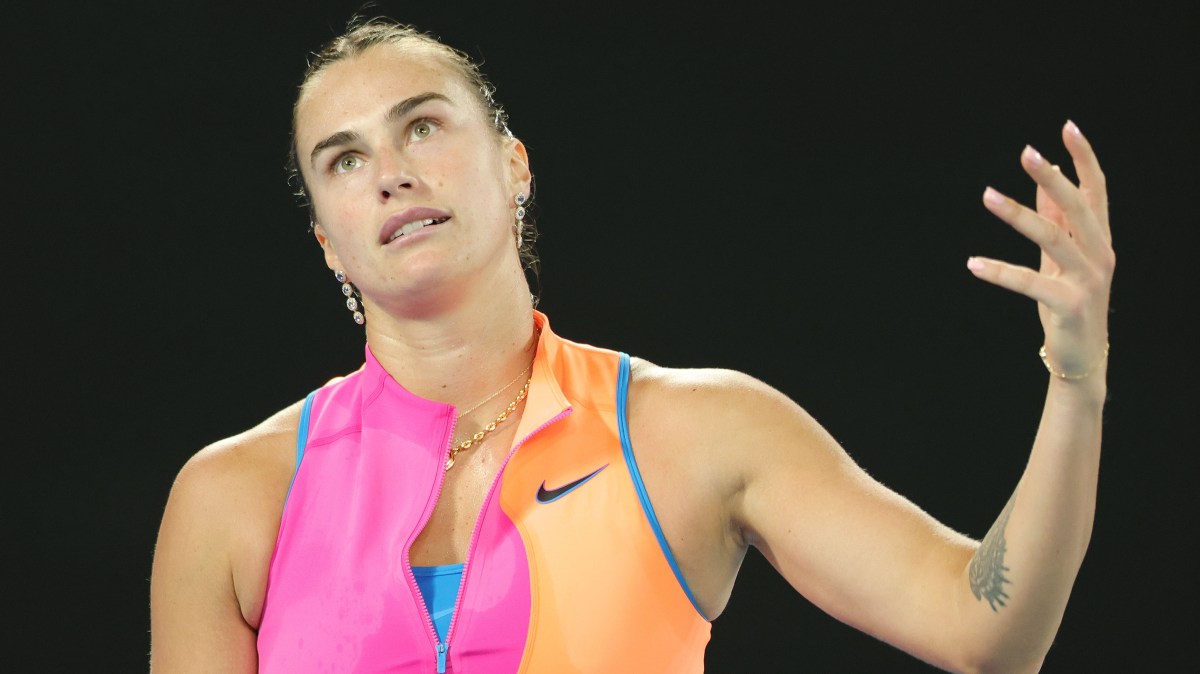
Women may have to play best-of-five-set matches at future grand-slam tournaments after Australian Open organisers proposed a radical format change from the quarter-finals onwards.
Although the women’s singles came to a thrilling conclusion on Saturday with a tight 6-4, 4-6, 6-4 victory for Elena Rybakina over Aryna Sabalenka in the final, all of the other six matches in the latter stages were completed in straight sets. The two semi-finals combined lasted two hours and 56 minutes, which was considerably shorter than the combined duration of nine hours and 36 minutes for the two men’s semis.
That thrilling day of men’s last-four action at Melbourne Park — where Carlos Alcaraz beat Alexander Zverev and Novak Djokovic overcame Jannik Sinner, both over five sets — has led the Australian Open tournament director, Craig Tiley, to float the idea of extending women’s matches. While the possibility of the same format in the men’s and women’s singles has long been debated, this is the first time that a grand-slam official has admitted on the record that it is a serious consideration.
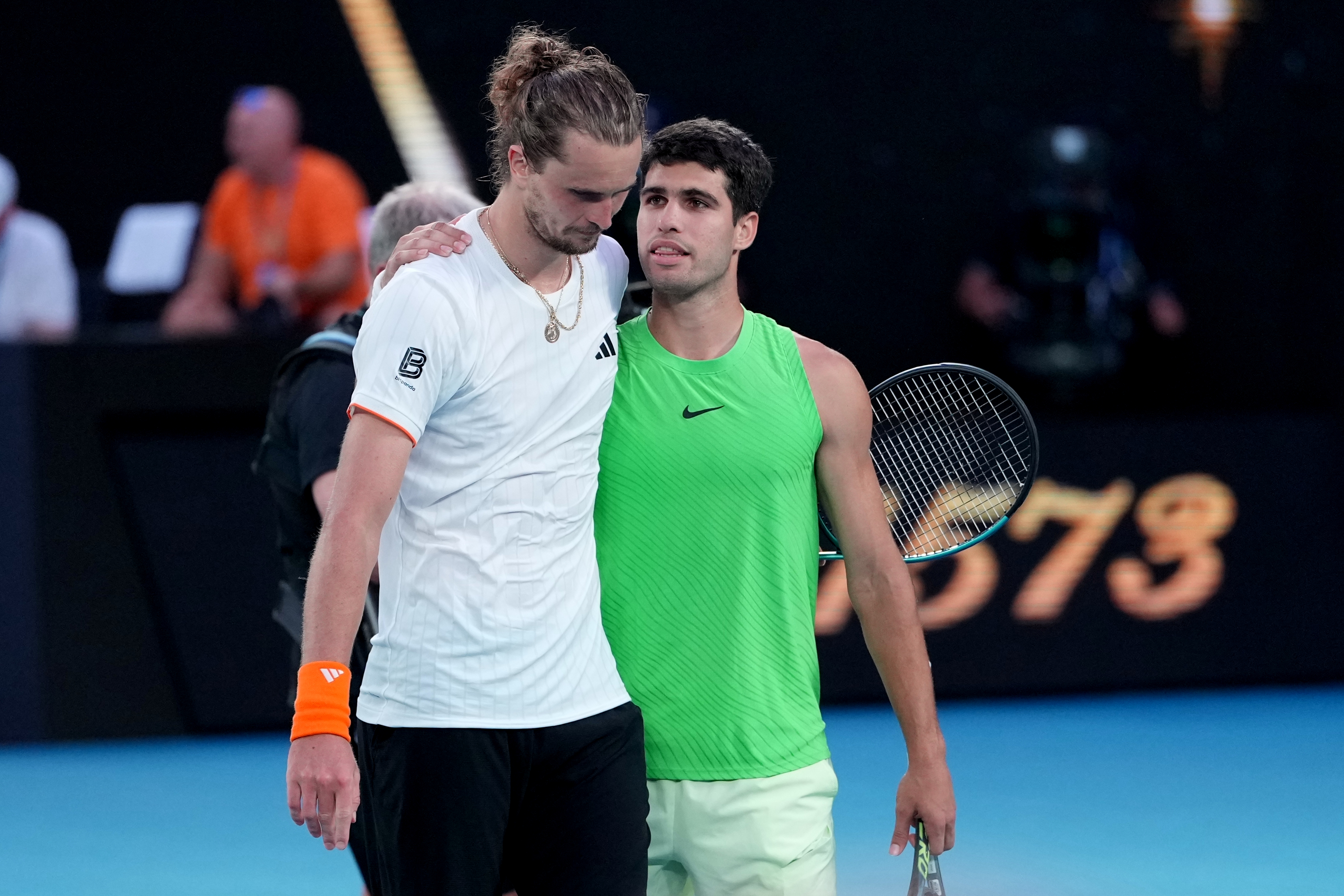
Alcaraz, right, receives the congratulations of Zverev after an epic semi-final that went the distance over five hours and 27 minutes
AP PHOTO/ASANKA BRENDON RATNAYAKE
“You can’t replicate that semi-final day [in the men’s draw],” Tiley said. “That was amazing. I’m still getting chills just thinking about it.
“One of the things I’ve been saying now is that I think there should be three out of five sets for women. We should look at the last few matches — the quarters and the semis and the finals — and make the women’s side three out of five sets.
“It’s something we should put on the agenda and start talking to the players about, because there’s some matches in those last rounds which would have been fascinating had they been three out of five sets. Now I don’t know whether the players would want to do it or not, but it is something we need to consider on the women’s side.”
If positive feedback is received from the majority of players on the WTA Tour, Tiley is prepared to implement the change as soon as next year. This would force the other grand-slam events, including Wimbledon, to potentially follow suit, although there is no requirement for the four major tournaments to use the same format.
“Certainly if we’re going to do it and we think it’s the right thing, we’ll definitely go in 2027,” Tiley said. “There’s nothing in the rules stopping that from happening. But we need to do it with really deep consultation with the players.
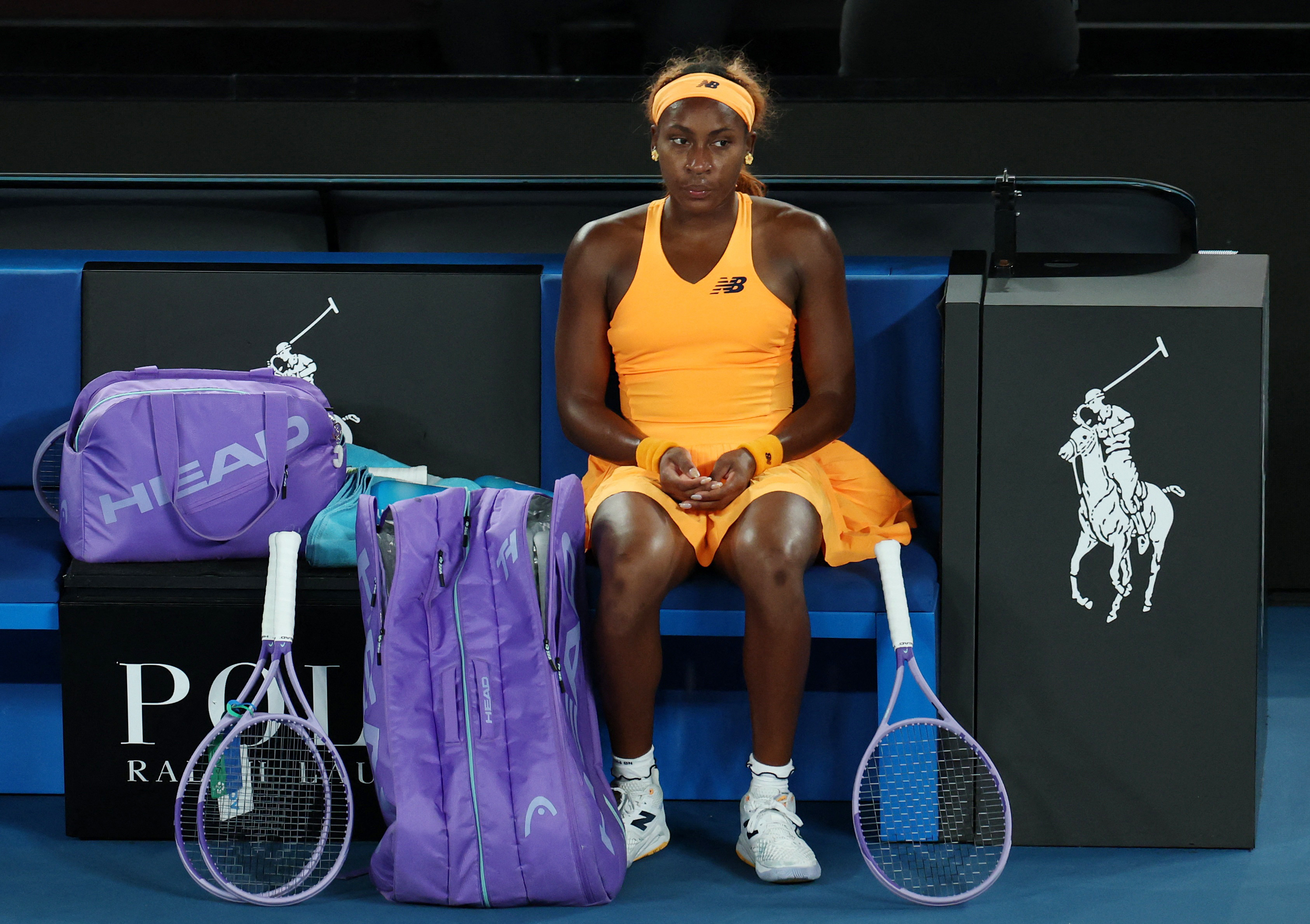
Gauff says that five sets would do her a favour from a “physicality standpoint” but doesn’t want change
REUTERS/EDGAR SU
“There are going to be people who say this is ridiculous and others who say it is a good idea. The idea is to have a discussion.”
The grand slams have used the same format of a deciding set concluding with a ten-point tie-break if necessary since 2022, but have long resisted calls from some to change the number of sets contested in a women’s match.
One long-time argument from fans and even some male players privately is that women should play the best of five sets because they receive equal prize money to the men.
The only women’s event to have used a five-set format is the season-ending WTA Finals, which extended its final from 1984-98 before switching back to the best of three sets. Last year top female players expressed some reluctance to play longer matches when the idea was loosely floated during Wimbledon, where Iga Swiatek beat Amanda Anisimova in the first 6-0, 6-0 final since 1911.
“Probably physically I’m one of the strongest ones, so maybe it would benefit me,” Sabalenka, the world No1, said. “But I think I’m not ready to play five sets. It’s too much on the woman’s body. We’re not ready for this amount of tennis. I think it would increase the amount of injuries, so this is not something I would consider.”
Coco Gauff, the world No3, added: “It would favour me just from a physicality standpoint, but I do think it would kind of be a big change for the tour. I think it would be fine just keeping it how it is.”
Tiley’s proposal is yet another indication of the way in which the Australian Open embraces innovation. It has been transformed into a three-week festival combining sport and entertainment, this year attracting a record total attendance of 1.37million, up 150,000 on last year.
The event is clearly not standing still. Various changes to the on-court experience, such as the relocation of the umpire’s chair and the end of warm-ups, are also being considered, and Tiley is aware another expansion of Melbourne Park may be required to cope with the demand for an event that has become a firm cultural fixture of the Australian summer.
“Fans want to have the tennis experience; they want the activation,” Tiley said. “Now, we’re a music festival, we’re a food festival. We’re going to become more of a fashion festival. This year was the first year in really making an extensive statement in a beauty and wellness festival.”
Wimbledon representatives were in attendance at Melbourne as per the usual custom and will have received another stark reminder of the need for its planned expansion to go through — the process is still subject to legal challenges after 4½ years. The total attendance at the All England Club at last year’s championships was 548,770, which is about 40 per cent of the number recorded at Melbourne Park this year.