
Barry M, one of Britain’s most recognisable cosmetics brands, is urgently seeking a buyer after taking formal steps toward administration, putting more than 40 years of family ownership at risk and highlighting the growing strain across the UK’s high street.
The London-based company, known for its colourful nail polishesand affordable vegan cosmetics, has enlisted restructuring specialists Begbies Traynor to explore rescue options. Court filings show Barry M has given notice of its intention to appoint administrators, triggering a narrow window in which a sale or refinancing deal must be secured.
The brand supplies major high-street chains including Boots and Superdrug and also sells directly through its own online store. Outwardly, the business appeared stable.
Latest accounts show turnover climbing to £17.4 million in the year to February 2024, with profits also improving. Behind the scenes, however, rising costs and supply-chain disruption have been eroding margins, leaving the company vulnerable despite growing sales.
Founded in the 1970s by Barry Mero at East London’s Ridley Road Market, Barry M grew into a cult British brand synonymous with bold colours and accessible pricing.
After Mero’s death in 2014, his son Dean took over the business, maintaining its ethical positioning as vegan and cruelty-free while building a strong social media following.
Last year, the company attempted to refresh its image with its first major rebrand in decades, aiming to resonate with younger consumers through messaging around individuality and natural skin.
The strategy failed to counter a worsening commercial environment, as energy prices, raw materials and labour costs surged.
Barry M manufactures its products at a 45,000-square-foot factory in Mill Hill, north London, employing more than 100 people.
While UK-based production has long been central to the brand’s identity, it has become a financial burden in an economy where electricity prices and regulatory costs far exceed those faced by overseas rivals.
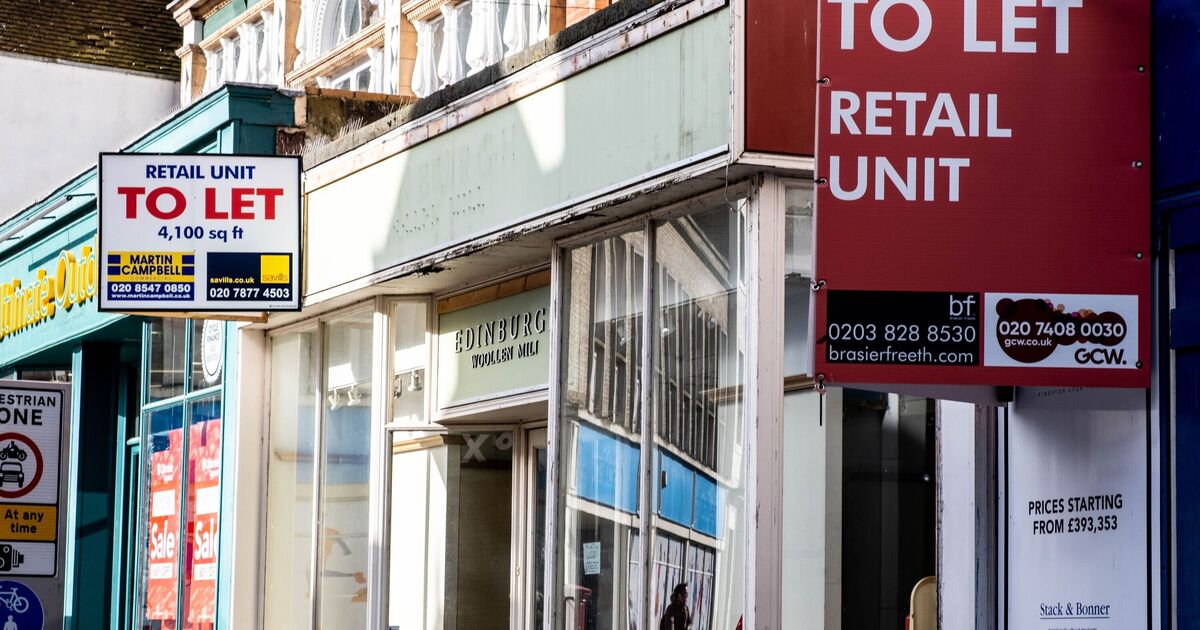
The company’s plight mirrors a broader downturn in British beauty and retail.
A wave of administrations and store closures has swept the sector over the past year, with both domestic and international brands scaling back amid weaker consumer demand and higher operating costs.
If a buyer cannot be found quickly, an administrator will be appointed to decide whether Barry M can be restructured, sold intact, or broken up.