
Posted in: BBC, Doctor Who, TV | Tagged: doctor who
The Disney+ era was another example of Doctor Who becoming an indigestible mix of 60+ years of lore and canon, making the show feel old.
Article Summary
Doctor Who relies too heavily on deep lore, making it hard for casual viewers to follow.
Returning showrunner Russell T Davies mixed old and new elements but leaned too much on continuity.
Classic villains like The Toymaker, Sutekh, and Omega reappeared, confusing newcomers with dense backstory.
Too much canon and spectacle weighed the show down, making it feel inaccessible and less fresh.
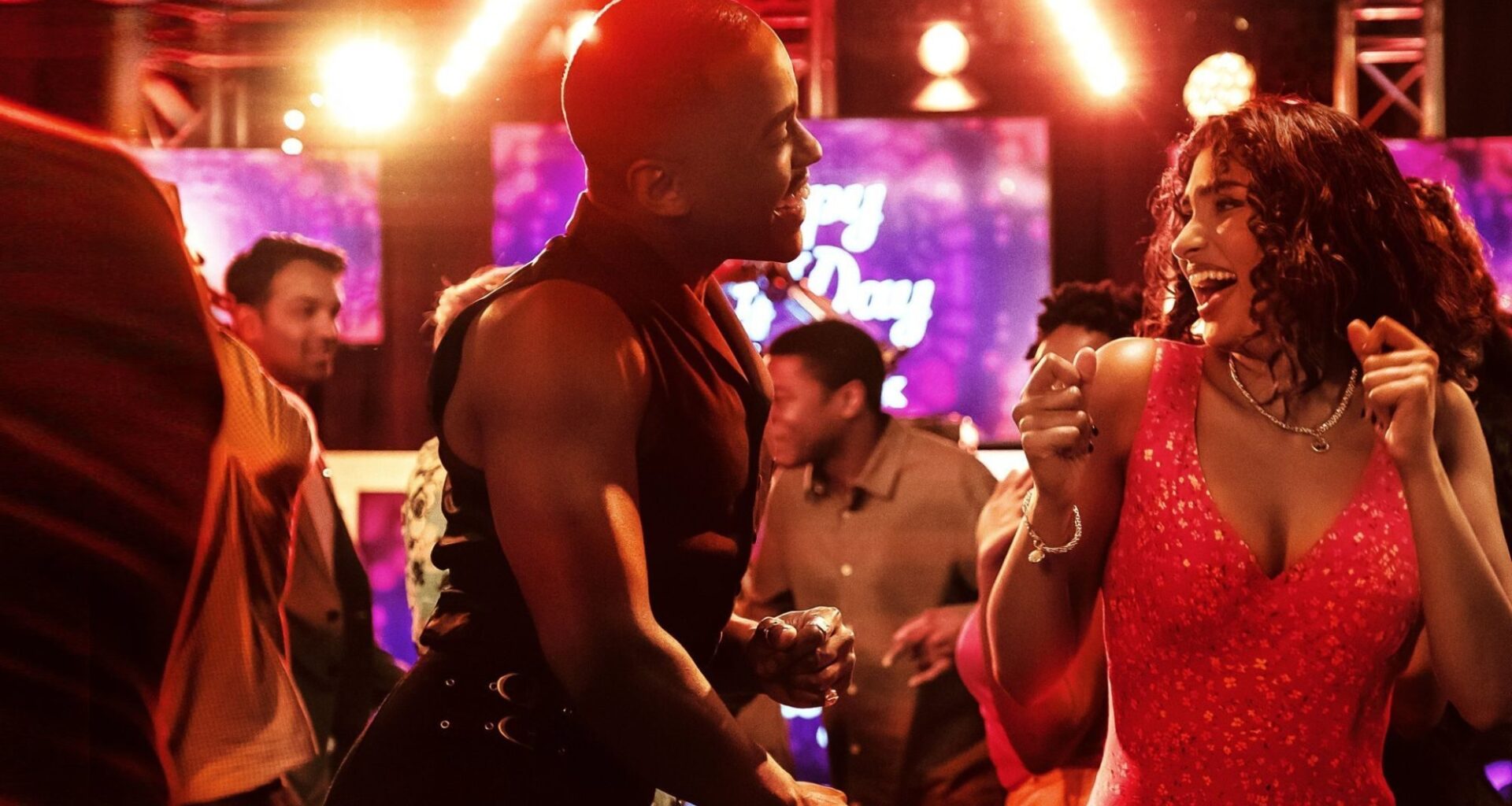
The last two seasons of Doctor Who on Disney+ are now considered by many as a kind of creative failure, even though it was perfectly fun to watch at the time. Everyone with a forum is still doing the autopsy on what went wrong. In theory, Russell T Davies’s return as showrunner was at first viewed as a win. He was the one who revived the show in 2005 and made it a hit, attracting new young viewers who had never heard of Doctor Who before, and turned it into a worldwide hit when he cast David Tennant in the second season. Davies found the secret sauce to success: reintroduce common enemies and elements from decades of Doctor Who stories as if they were new and being seen for the first time. Many expected him to do the same for the Disney+ era of the show, which he mostly did, but also made the common fan mistake of using too much lore from the show that casual viewers didn’t know about and found impenetrable. Getting stuck on past impenetrable lore seems to be the undoing of all long-running franchise series. This has happened to Star Trek, Star Wars, and of course, Doctor Who.
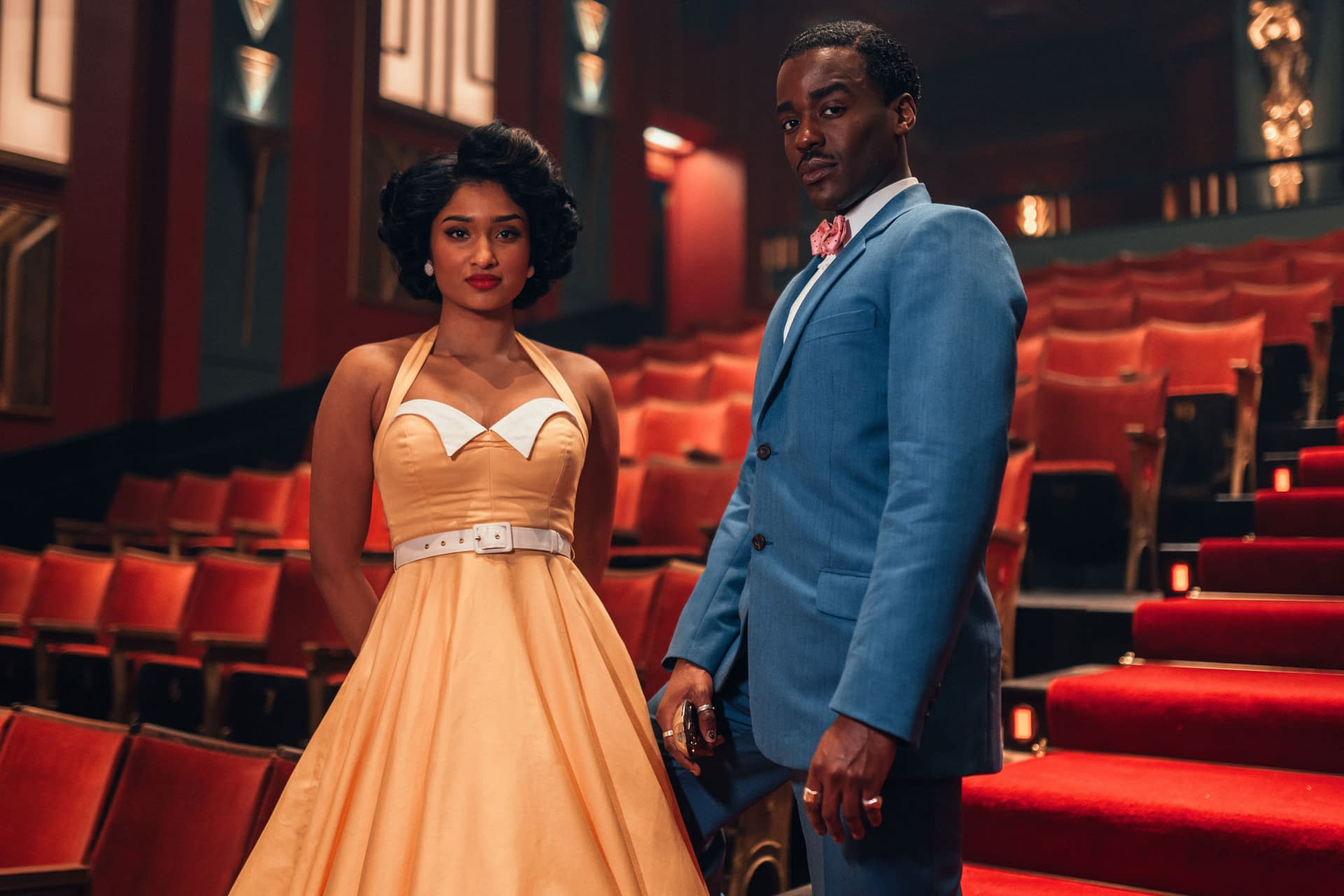 “Doctor Who: Lux” publicity still: BBC / Disney+
Davies’ intention for his new run on Doctor Who was clear from the start: it was going to be a combination of old and new, which was to be expected for a series that’s been around for sixty years. Bringing back David Tennant and Catherine Tate was a mixed blessing. It looked back at the series’ peak before moving into the future with a new Doctor played by Ncuti Gatwa. That was a harbinger of things to come. Davies reintroduced The Toymaker (Neil Patrick Harris), a villain who hadn’t appeared on the show since 1966 and whose backstory had to be explained by clunky, quick flashes to clips from the original Sixties story featuring different actors playing both The Doctor and the Toymaker, which would have been baffling to any newcomers.
 BBC
BBC
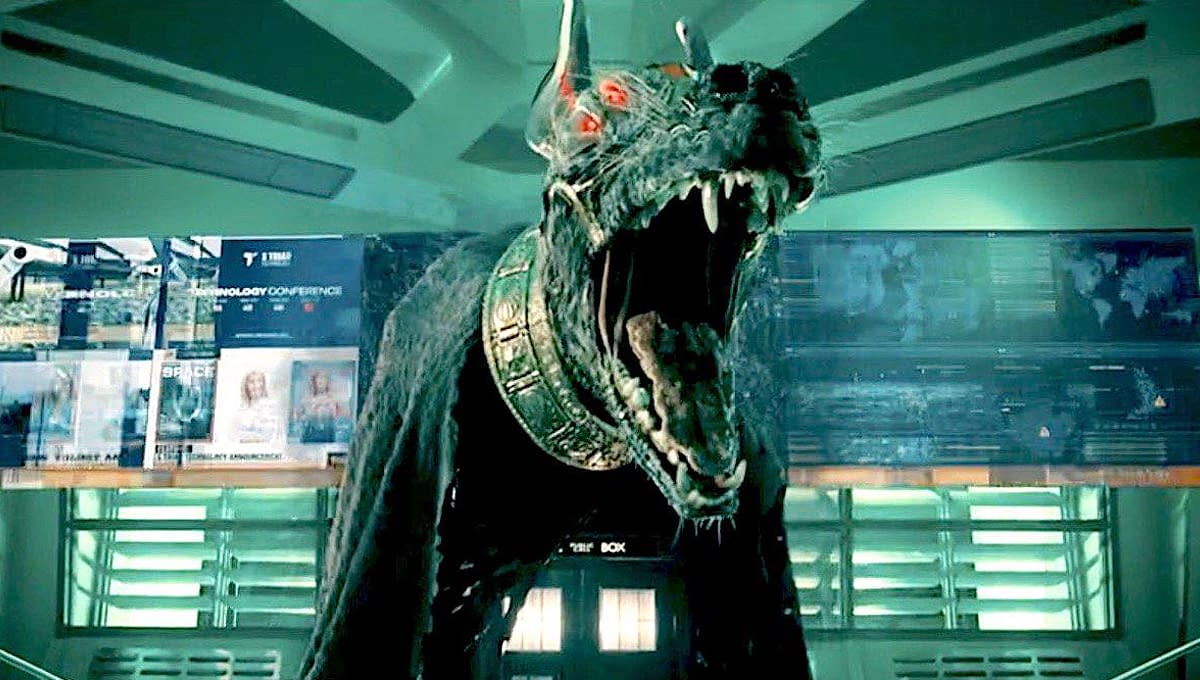
This weird and ungainly injection of undigested past deep dive lore persisted through the next two seasons. The Big Bad of the 15th Doctor’s first season was Sutekh, another villain who only appeared in one story back in the 1970s. Sutekh was sort of the Egyptian God of Death, but it seems that Davies got drunk on getting a bigger budget filled with magic pixie Disney money that he changed Sutekh from a guy with a funny oversized styrofoam hat to a giant CGI dog that hasn’t been housebroken. This went against Doctor Who’s best tradition of having a hammy classically-trained character actor chewing the scenery in favour of a weightless CGI kaiju dog that was a lot less scary because it was CGI.
 BBC
BBC
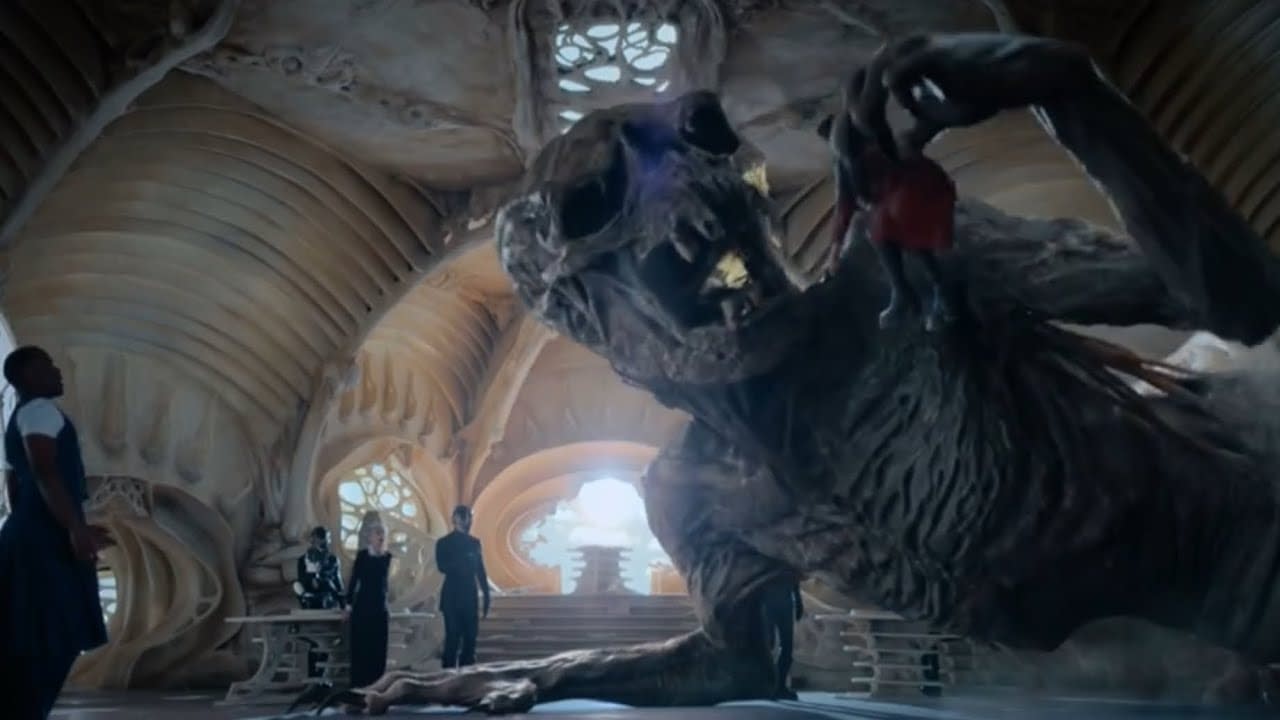
Davies did it again in the second season, where the ultimate enemy was supposed to be the first and greatest menace of them all: Omega the First Time Lord, driven insane by power and banished to another universe. The Rani, another villain from the classic series whose return hardcore fans craved but another lore element thrown into the blender to produce Davies’ idea of a nutrient-rich story smoothie, was at least played by extremely game and funny actresses Anita Dobson and Archie Punjabi. Unfortunately, Omega, who appeared twice in the classic series, turned out to be another weightless giant CGI skeletal kaiju for no good reason other than the high of Magic Pixie Disney Money. Again, Omega the Ultimate Evil Time Lord would have been a lot more fun and scary if he were played by a human-sized hammy theatre actor chewing the scenery and spitting it out. ‘
Director Peter Hoar, who worked on the Disney+ era episodes, said that something went wrong with the script development, and more money doesn’t necessarily make Doctor Who a better show. The series has fallen into the trap of throwing in lore that feels unwieldy and undigestible for newcomers, making the show feel inaccessible. It has reached its decadent phase, where it feels old and top-heavy, weighed down by 60 years of lore and continuity that turn off new viewers. When the series returns, it needs to feel like a new show where everything is fresh instead of a slog full of old references.
Enjoyed this? Please share on social media!



Stay up-to-date and support the site by following Bleeding Cool on Google News today!