
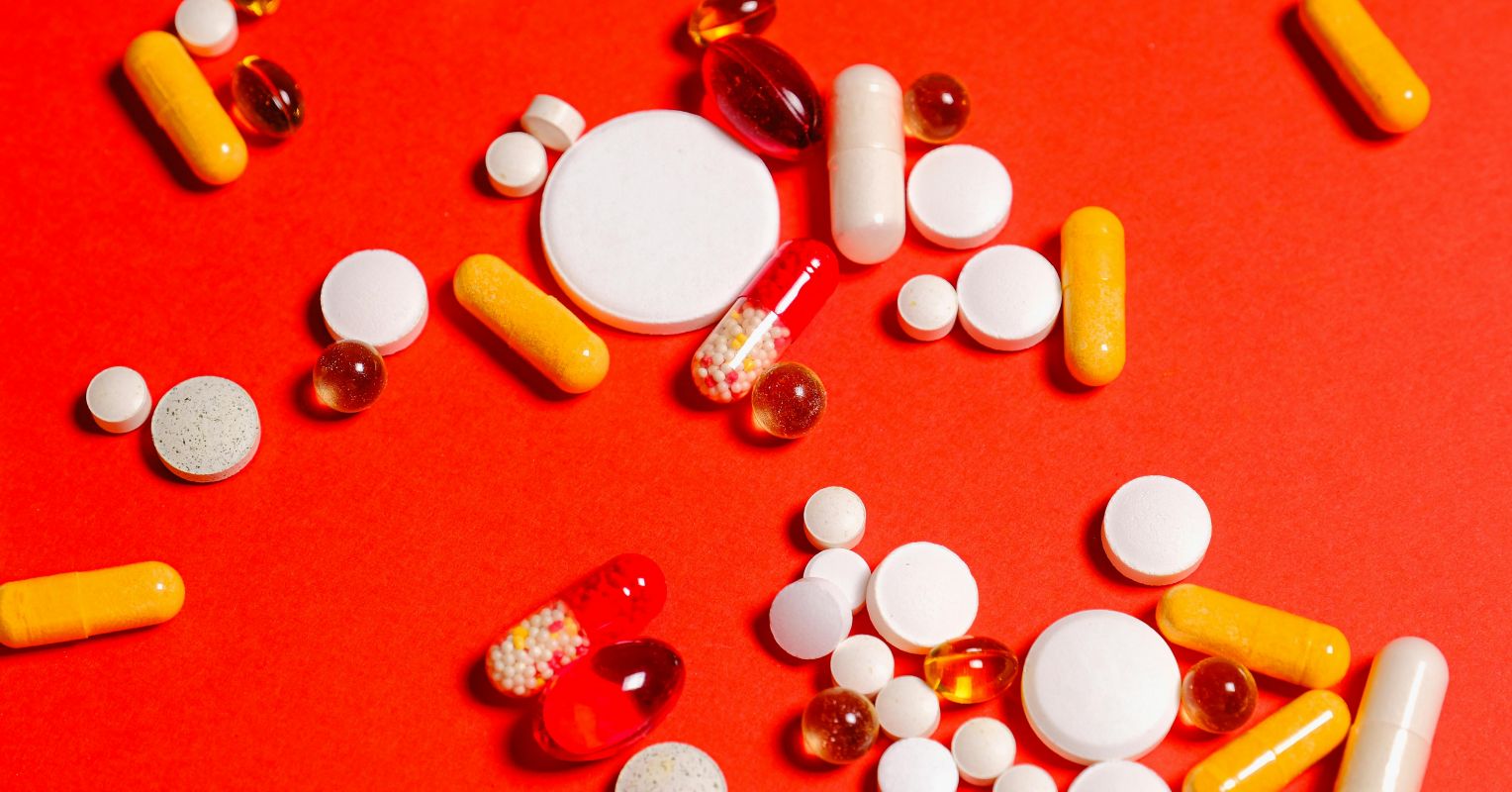
I open my emails to find yet another message from a patient about their amphetamine-dextroamphetamine (the generic form of Aderall) no longer working. Dr. Plutchik, my meds no longer seem to be helping. Can we discuss increasing my dose or trying another stimulant? This has become a frequent refrain in recent months. Something was affecting the efficacy of certain amphetamine pills despite being dispensed from mainstream pharmacies.
So I started to ask my patients, Does the pill look different than usual? The answer often was yes, and then the detective work began. I had patients contact their pharmacies to identify which manufacturer made the ineffective batch of amphetamine compared to the previous amphetamines, which was effective. We were able to identify which companies had been providing amphetamines that were ineffective. I encouraged patients to report the problem to pharmacists as well as to request the generic version that previously worked. Many mainstream pharmacies claimed they could no longer obtain amphetamines from the reputable companies. My patients were often informed that the current generic manufacturer was the only one available. It turns out that some pharmacies are now dispensing generic versions of amphetamines that seem no better than sugar pills.
What is the difference between brand and generic medications?
Generic medications are based on the concept of bioequivalency. This means that the generic version of a medication must have the same rate and extent to which the active ingredient is available at the site of drug action (U.S. Food and Drug Administration, 2021).
Brand name medications require extensive trials, taking years and substantial financial investments, to gain approval from the U.S. Food and Drug Administration (FDA). Generic drug development does not require that animal and human trials are repeated to demonstrate safety and efficacy. The active ingredient in a generic drug must be the same as the brand, however generics are permitted to have different inactive ingredients. This variability in inactive ingredients can affect purity, size, strength, absorption, color and flavorings. Although these differences are allowed, the FDA limits how much variability is considered acceptable (FDA, 2021).
The benefits of generic drugs
This massive savings on research and development costs allow for generic medications to be sold at an estimated 80-85% lower price compared with their brand name counterparts (FDA, 2021). Without having these upfront expenses, generic drugs can be quickly created and commercially marketed. About 90% of medications that are prescribed in the United States are for the generic versions (FDA, 2021). The overwhelming majority of generic drugs are safe and effective and enable millions of people to obtain critical and often life-saving treatments.
The risks of generic drugs
A 2016 study comparing outcomes following the switch from brand to generic drugs reported that research on the differences in outcomes for brand vs generic products is limited (Hansen, et al, 2016). The authors explain that the lack of requirement for generic drugs to contain the same inactive ingredients as the brand may lead to differences in safety or efficacy in the formulation.
Harvard Health Publishing noted that despite similarities between generic and brand drugs, companies that manufacture generics are not required to show that the drugs are therapeutically equivalent. They do not need to do tests to ensure that patients respond the same way they do to the brand version. (Harvard Health Publishing, 2021).
Often the production of generic drugs involves more than one company in the creation of a single generic medication. One company may manufacture the active ingredient and another company may manufacture the remaining ingredients (FDA, 2021). Efforts are made to maintain supply chains and lower costs and often these pills are imported from other countries. Data from 2024 showed that 47% of all generics filled in the US were supplied by Indian companies (IQVIA, 2024).
Stimulant prescribing trends have skyrocketed
Amphetamine is a popular FDA-approved treatment for Attention Deficit Hyperactivity Disorder, prescribed about 90% of the time for this indication. According to the US Drug Enforcement Administration (DEA), the agency that monitors controlled medications, stimulant prescribing has steadily increased over a recent 11 year period. The DEA reported that in 2012, there were over 50 million prescription stimulants dispensed and amphethamine/dextroamphetamine accounted for about 42% (United States Drug Enforcement Administration, 2024). In 2023, there were over 80 million prescription stimulants dispensed and amphetamines made up about 51% (DEA, 2024).
During the 2020 COVID-19 pandemic, the DEA loosened restrictions on telemedicine prescribing of controlled medications. Post COVID, the policy of allowing stimulants to be prescribed via telehealth services continued (DEA, 2024). As access to mental health services has increased, there has been a dramatic rise in stimulant prescribing (DEA, 2024).
In October of 2022, the FDA reported there was a national shortage of amphetamines. This created a situation in which there was a combination of excessive demand for amphetamines and a supply shortage. The need for companies to create generic pills became urgent. Many people who rely on amphetamines to function at their jobs became desperate to find them.
What to do if your batch is not effective
The FDA monitors and investigates reports of negative reactions to generic drugs. Based on their findings, the FDA may make recommendations to health care providers and the public (FDA). If you notice a change in response to amphetamines or any other generic medication, it is critical to alert your provider. You should also notify your pharmacist so that they can file an incident report. This information should be filtered back to the FDA so they can investigate these companies. Although the vast majority of generic medications are safe and effective, it is important to recognize and report when a problem with a generic drug arises. The FDA provides the following contact information for patients to report problems with generic medications: 1-800-FDA-1088 and fda.gov/medwatch.