
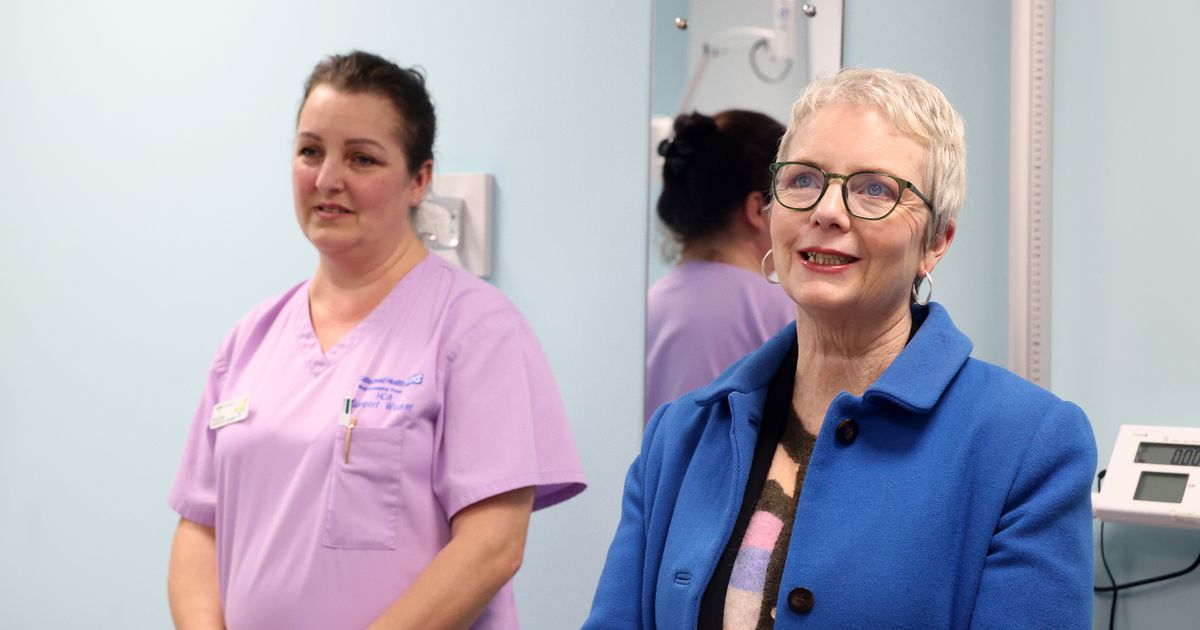
Labour health minister Karin Smyth said during a visit to the Metrocentre this week that had been a “shift in the wrong way” that had left the primary care system under strain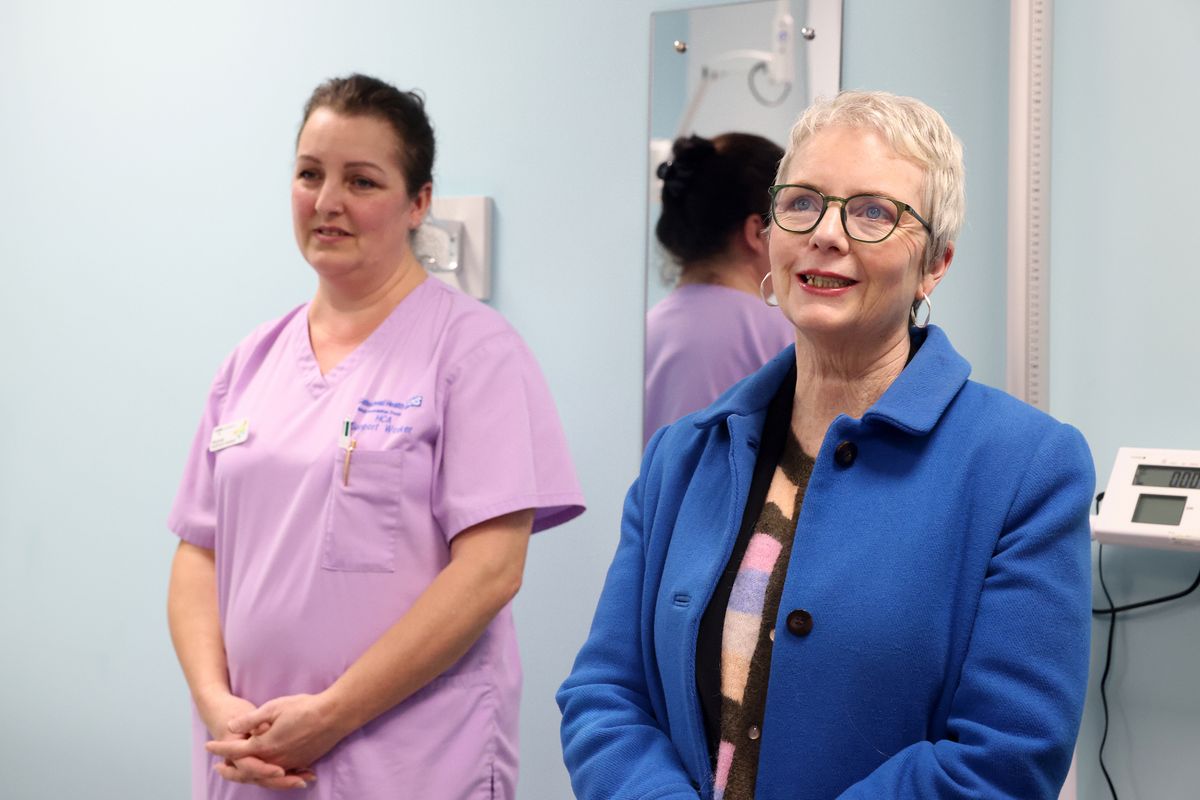
Karin Smyth MP, Minister of State for Health visits the Metrocentre Community Diagnostic Centre.(Image: Newcastle Chronicle)
Too much NHS investment has been focused on hospitals instead of GP practices and other primary care, a Labour minister says. Karin Smyth told the Local Democracy Reporting Service (LDRS) that there had been a “shift in the wrong way” that had left GP surgeries, mental health services, and the social care system under severe strain.
Labour has promised a major overhaul of the NHS in its 10-year plan, aiming to move more health services out of hospitals and into communities – including in ‘one stop shop’ neighbourhood centres bringing together family doctors, nurses, dentists, and pharmacists under one roof. But the Government has been warned that community services are in need of significant investment to boost their capacity and ensure they can deliver the promised changes.
A Care Quality Commission (CQC) report last October warned that a failure to do so would leave a “real risk of erosion in care quality, with people struggling to get the care they need and the most vulnerable groups likely to be hit hardest through longer waits, reduced access and poorer outcomes”. And a prominent Tyneside GP says that more doctors and more physical space in their practices is needed to cope with escalating demand.
Speaking on a visit to the Community Diagnostic Centre (CDC) at the Metrocentre in Gateshead, a testing hub providing appointments for things like MRI scans and echocardiograms outside hospital, Ms Smyth said: “We have had an increase of staff in hospitals, an increase in funding into hospitals and it has not gone into primary and community care. For example, we have had roughly a 30% increase into nursing in the acute sector and less than 5% into the community.”
Asked if under-pressure primary care staff could deliver the shift to a neighbourhood health service, the health minister added: “I think they can and I think they want to. It is difficult. We said when we came into power that the NHS is broken but not beaten, and that is the message staff gave us when we consulted on our 10-year -plan as well.
“There is large agreement around the future model and that we need to have more services closer to where people live, looking at the whole person not a person as a series of different diseases and expecting them to travel all over the city or region for different services. We need to bring the services to people and there is a desire to do that.
“That will reduce pressure in the system. What we have seen over the last 10 years is substantial increases in staffing in hospitals, away from primary and community care. We are developing a new workforce plan at the moment and that will demonstrate that we have seen the shift in the wrong way, we have seen more go into hospitals and less into community and primary care – that is why they feel pressured.
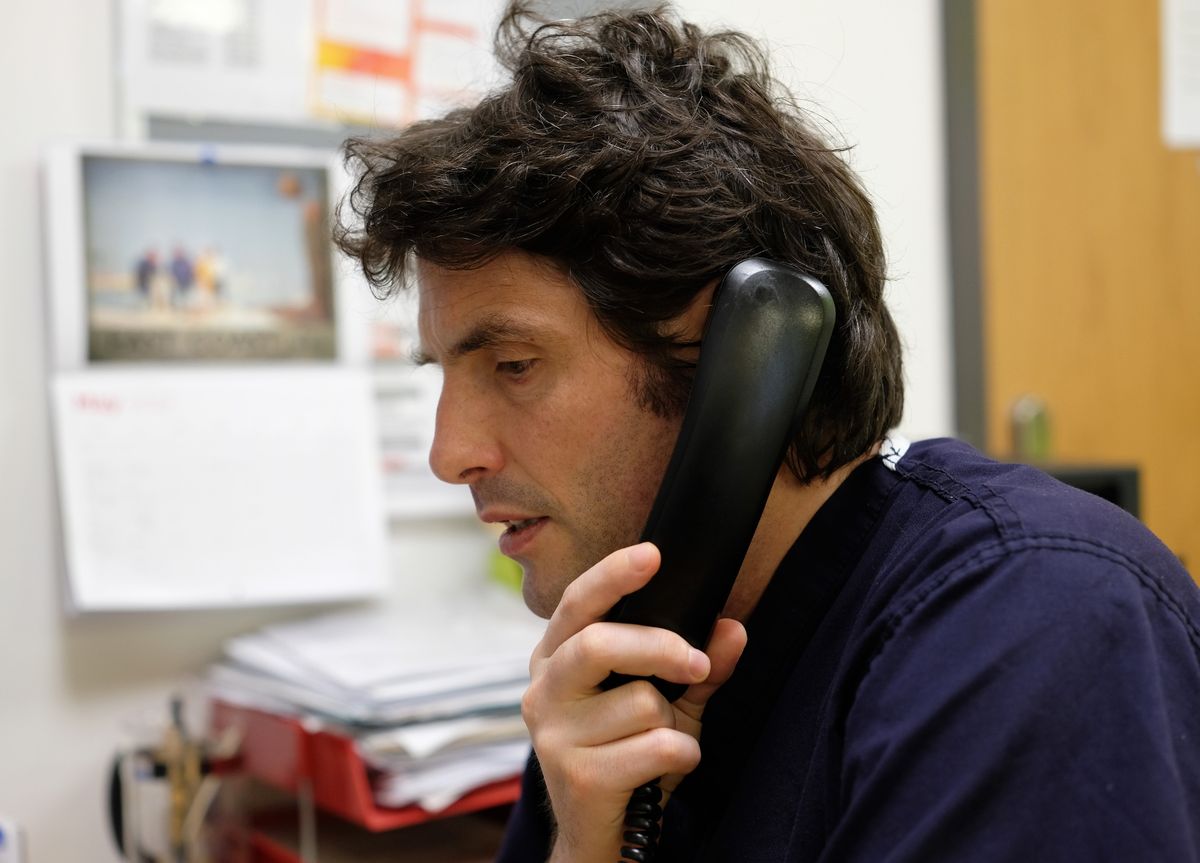
Dr Paul Evans at The Bridges Medical Practice in Trinity Square Health Centre, Gateshead.(Image: Craig Connor/ChronicleLive)
“I know people feel pressured in hospitals as well, but we need to take out a lot of the steps that are unnecessary, that are wasteful both for the taxpayer and patients. This CDC demonstrates those steps, so people are not being bounced around the system, bounced around the region.”
The Government is due to publish a new 10-Year Workforce Plan for the NHS. Its 10-year plan for the NHS released last year admitted that there will be fewer people employed than envisioned under the previous Government’s aim, which would have seen a 60% headcount increase by 2037, but said staff would be “better treated, have better training, more exciting roles and real hope for the future”.
According to the CQC, the number of trainee GPs rose per head of population in 2024/25 – but the number of fully qualified GPs per head fell. The watchdog also found that the number of qualified district nurses per 10,000 people aged 65 and over has dropped by 50% in the last 14 years and the annual numbers of new trainees are rarely more than half the number of staff leaving the profession.
Dr Paul Evans, a GP in central Gateshead, told the LDRS that primary care simply needs more “bums on seats” to meet growing patient demand. Dr Evans, who chairs the Gateshead and South Tyneside Local Medical Committee (LMC), said: “For bums on seats we need three things. We need the actually trained doctors and, for the first time in a while, for the last couple of years we have had a full GP training pipeline in the North East – we are training enough doctors now.
“The problem is that you also need two other things. That is the cash to employ them and, practically, the space to put them in to do the useful things. There has not been a single additional GP consulting room approved and built in Tyneside, to my knowledge, since 2018.
“Our population has grown larger in terms of numbers, it has got older and sicker. Quite rightly there is an aspiration to move some care out of secondary care and into primary, we are not against that as long as there are the resources to pay the staff and have the space to deliver it safely.”
Our ChronicleLive Daily newsletter is free. You can sign up to receive it here. It will keep you up to date with all the latest breaking news and top stories from the North East.