
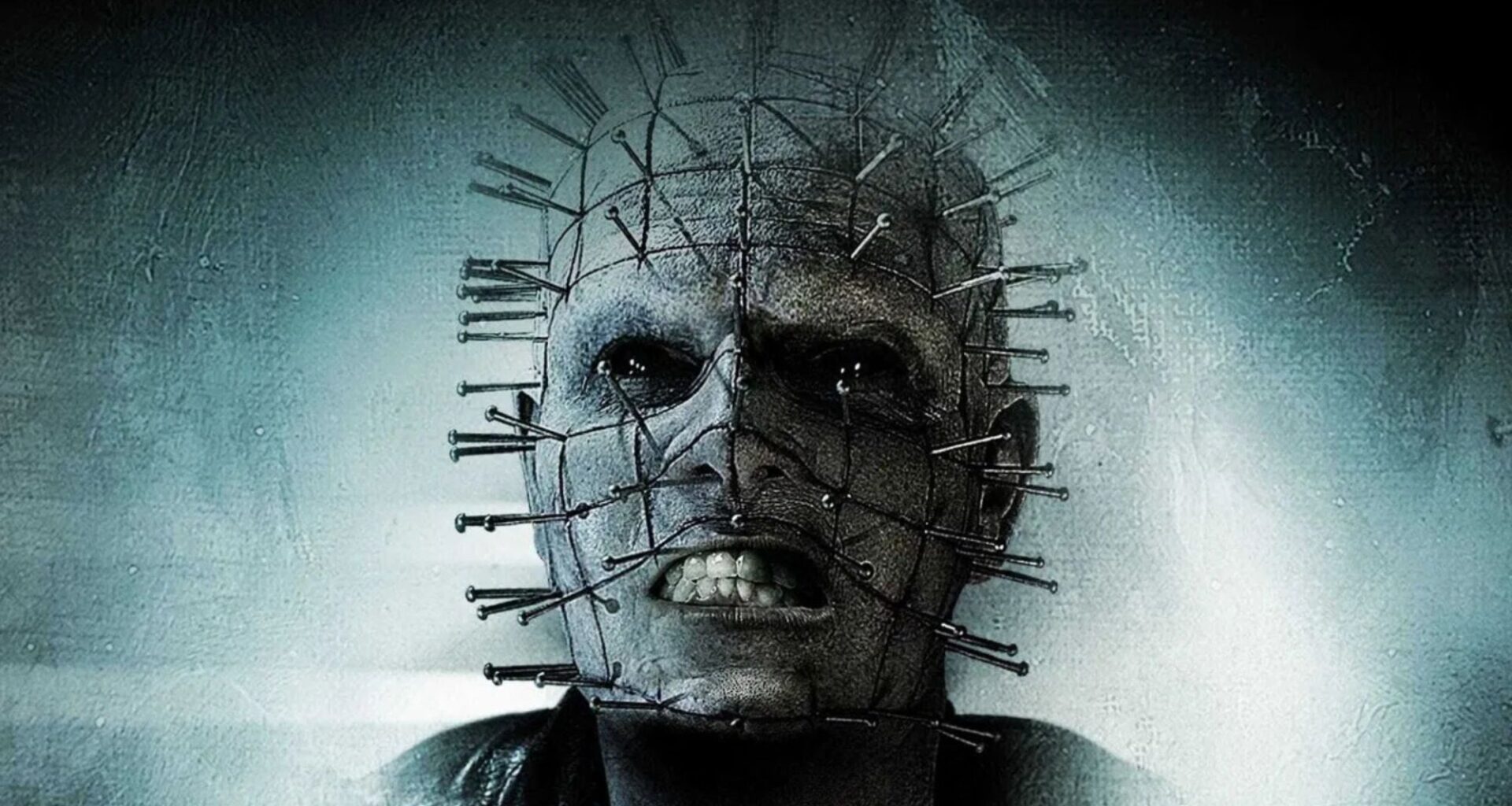
The horror genre has remained a cornerstone of the Hollywood financial model due to its remarkable ability to generate high returns on relatively modest investments. Unlike blockbusters that require hundreds of millions in production and marketing costs, horror films often thrive on small budgets by leveraging practical effects and psychological tension rather than expensive digital spectacle. This financial efficiency is bolstered by a dedicated global audience that consistently shows up for theatrical releases, ensuring that even a moderated box office performance can lead to significant profitability. Consequently, the genre remains one of the most reliable sectors of the entertainment industry, providing a low-risk environment for studios seeking to diversify their portfolios.
Because horror’s path to profitability is so clearly defined, studios are often incentivized to prioritize speed over narrative integrity when developing follow-up installments. When a standalone horror film strikes a chord with the public, the immediate reflex is to transform that success into a serialized franchise, frequently resulting in rushed production cycles and thin scripts. This eagerness to capitalize on a brand name often leads to diluting the original premise, as filmmakers struggle to replicate the unique atmosphere of a hit while adhering to corporate deadlines. Therefore, horror history is littered with sequels that alienate their core fanbases by trading genuine scares for recycled tropes and illogical plot expansions.
7) Hellraiser: Revelations
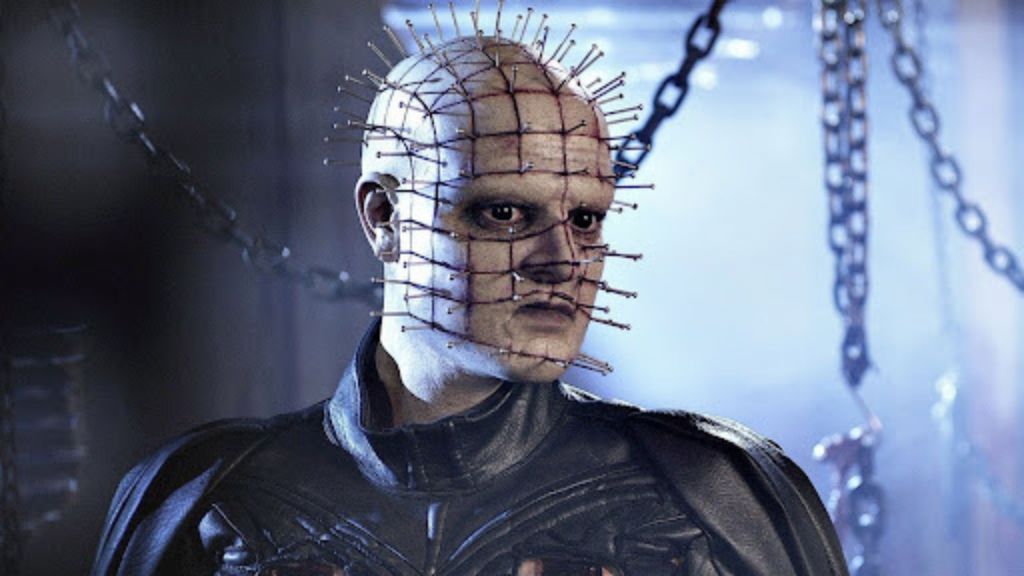 Image courtesy of Dimension Films
The ninth installment of the Hellraiser franchise serves as a prime example of a production existing solely for corporate rights retention. Dimension Films realized that their legal claim to the property was nearing expiration, necessitating the immediate release of a film to prevent the rights from reverting to the original creator. This bureaucratic urgency resulted in a production budget of only $300,000 and a shooting schedule that lasted less than two weeks. Consequently, Pinhead (Stephan Smith Collins) was portrayed by a new actor after the legendary Doug Bradley refused to participate, citing the poor quality of the script and the rushed nature of the project.
Hellraiser: Revelations follows two friends who discover a puzzle box in Mexico, but the lack of atmospheric depth and the amateurish special effects make it feel like a student project rather than a professional sequel. Ultimately, the movie was so poorly received that Clive Barker publicly disowned the project, stating that the film did not originate from his creative vision in any capacity.
6) American Psycho 2
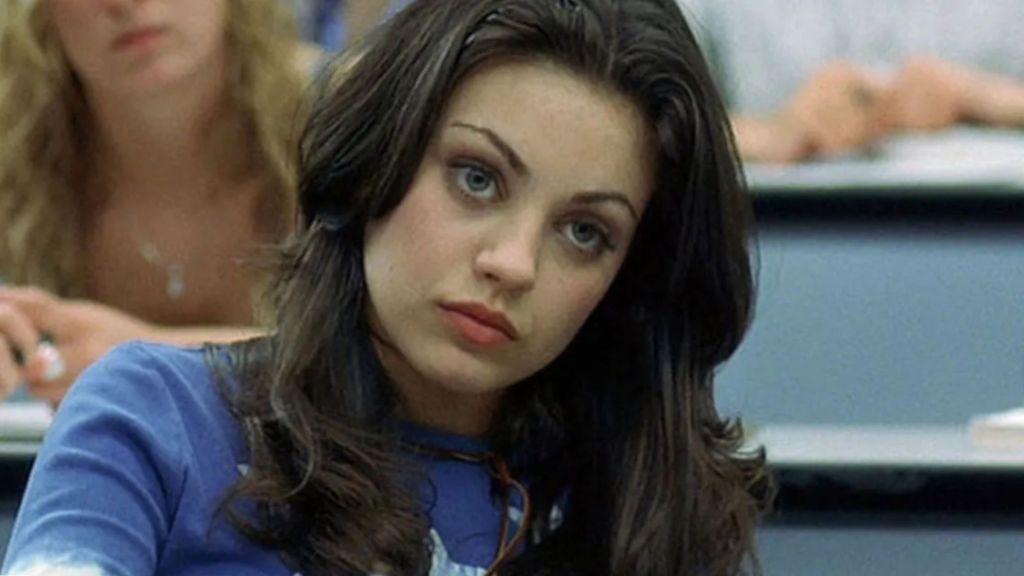 Image courtesy of Lionsgate
Originally conceived as a standalone thriller titled The Girl Who Wouldn’t Die, American Psycho 2 was retroactively shoehorned into the American Psycho brand during production to improve its marketability. The narrative follows Rachael Newman (Mila Kunis), a criminology student who survived an encounter with Patrick Bateman as a child and eventually develops her own murderous obsession to secure a position at the FBI.
By forcing a connection to a critically acclaimed satire, the studio created a disjointed experience that failed to capture the tone or social commentary of its predecessor. Even the inclusion of Professor Robert Starkman (William Shatner) failed to save the film from being panned for its generic slasher tropes and lack of narrative cohesion. Lead actress Kunis has since expressed significant regret regarding her involvement, noting that she was unaware the film was marketed as an American Psycho sequel until after filming had concluded. Therefore, American Psycho 2 remains an obscure and universally disliked footnote in horror history.
5) Jason Goes to Hell: The Final Friday
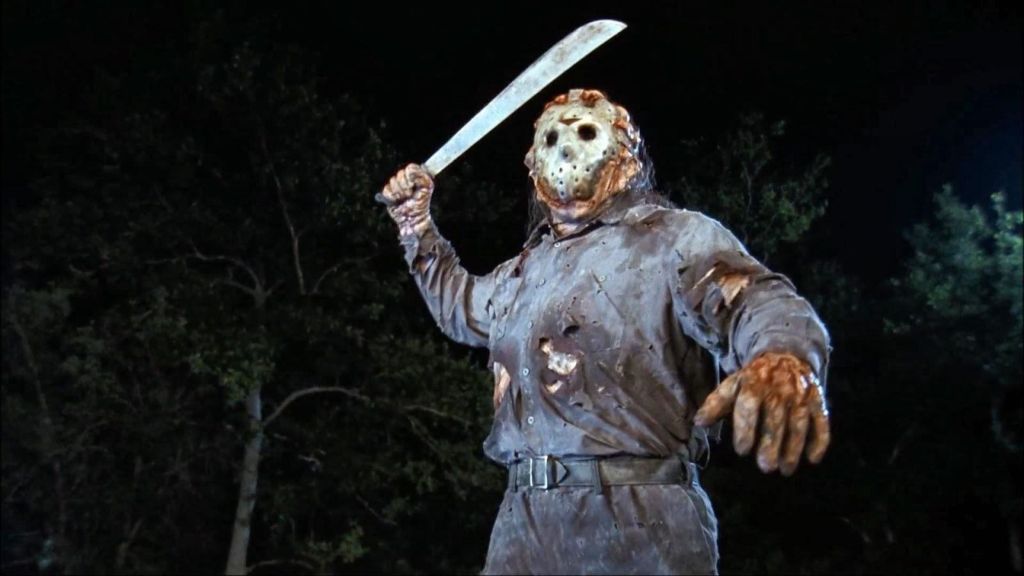 Image courtesy of New Line Cinema
When the rights to the Friday the 13th franchise moved to New Line Cinema, the studio attempted to reinvent the character of Jason Voorhees by introducing a bizarre supernatural mythology in Jason Goes to Hell: The Final Friday. Rather than the traditional slasher format, the plot involves the spirit of the killer possessing various people after his physical body is destroyed by the FBI in the opening minutes. This body-hopping mechanic meant that the iconic hockey mask was absent for the majority of the runtime, alienating a fanbase that expected a standard Crystal Lake massacre.
Furthermore, Jason Goes to Hell: The Final Friday introduced convoluted lore regarding a magical dagger and the necessity of a blood relative to resurrect the villain, which contradicted a decade of established continuity. While the final scene featuring the glove of Freddy Krueger provided a momentary thrill for audiences, the actual movie failed to deliver on the fundamental elements of the franchise. Unsurprisingly, the sequel is regarded as a low point for the series.
4) Texas Chainsaw Massacre: The Next Generation
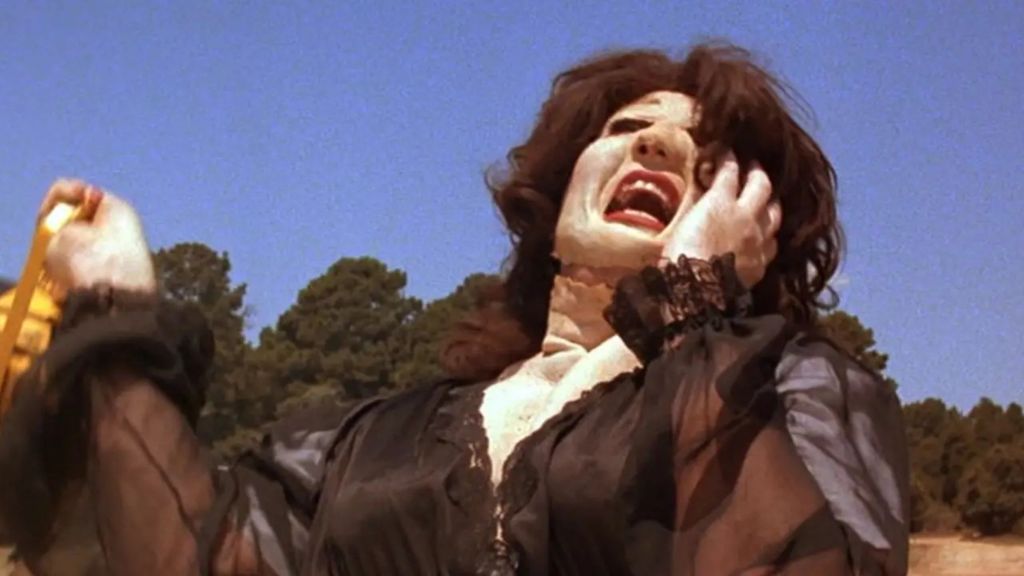 Image courtesy of CFP Distribution
Directed by Kim Henkel, who co-wrote the original masterpiece, Texas Chainsaw Massacre: The Next Generation attempted to pivot the franchise into the realm of dark comedy and conspiracy theories. The story follows Jenny (Renée Zellweger) and her friends as they encounter a version of the Sawyer family led by the cybernetic-legged Vilmer (Matthew McConaughey). The narrative eventually descends into a confusing subplot involving an Illuminati-like organization that uses the family to provide transcendental experiences through terror.
Although Texas Chainsaw Massacre: The Next Generation was completed in 1994, it was shelved for years and only received a limited release after its lead actors became major Hollywood stars. The production is notable for the manic performance of McConaughey, but the script’s departure from the gritty realism of the 1974 original resulted in a tonal disaster. Despite its cult status among collectors of oddities, the movie failed to resonate with general audiences who found the secret society angle to be an unnecessary and baffling addition to the Leatherface mythos.
3) Halloween: Resurrection
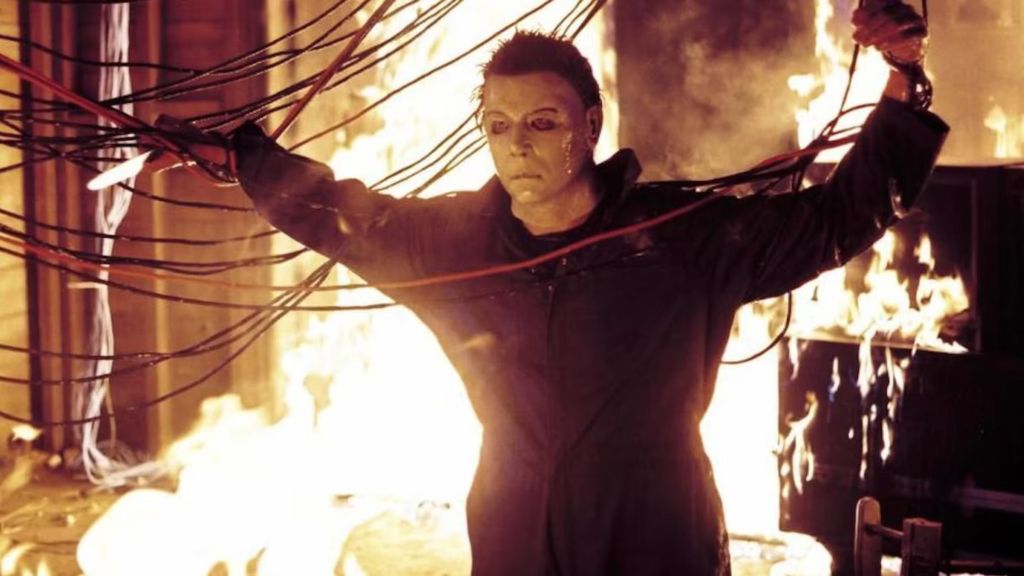 Image courtesy of Dimension Films
After the success of Halloween H20, which provided a definitive conclusion to the rivalry between Laurie Strode (Jamie Lee Curtis) and Michael Myers (Brad Loree), Halloween: Resurrection immediately dismantled that legacy for a quick cash-in. The film retcons the previous ending by explaining that the killer switched places with a masked paramedic, allowing the villain to murder a defenseless Laurie in the opening sequence. This decision immediately alienated fans, while the rest of the film follows a generic reality TV premise where contestants explore the Myers house for a web series.
Halloween: Resurrection attempted to modernize the franchise by incorporating web-cam footage and internet culture, but the result was a dated and uninspired slasher. Most notoriously, the film features Freddie Harris, aka Busta Rhymes, engaging Michael Myers in a martial arts battle, a moment that stripped the predator of his remaining dignity and menace. By treating its primary antagonist as a punchline and discarding its most important protagonist, the sequel effectively stalled the franchise for years.
2) Exorcist II: The Heretic
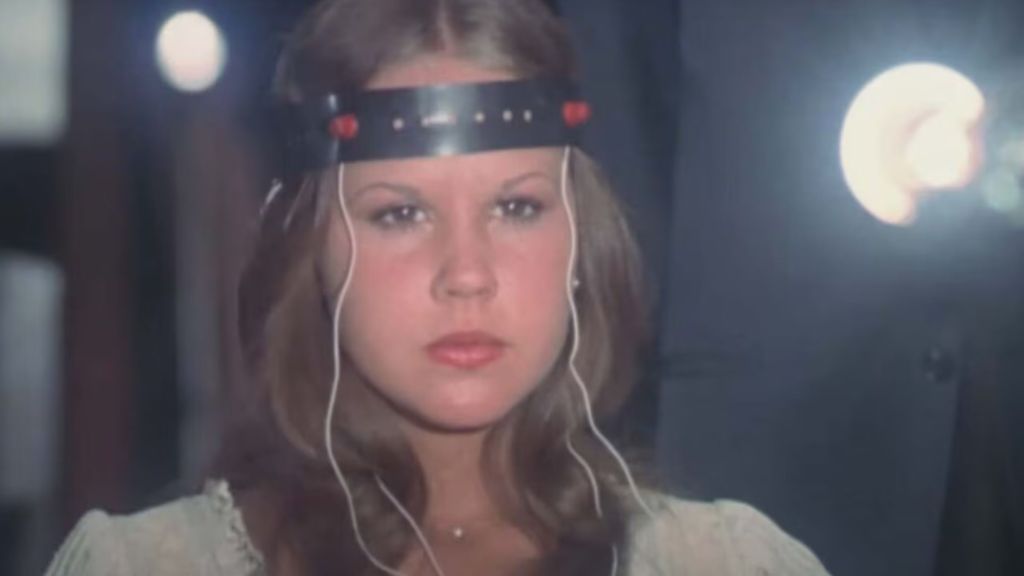 Image courtesy of Warner Bros. Pictures
With Exorcist II: The Heretic, John Boorman sought to create a sequel that functioned as a philosophical response to the original, but the result was a metaphysical disaster that remains one of the most ridiculed films ever made. Set four years after the possession, the plot follows Father Lamont (Richard Burton) as he uses a synchronized brain-wave machine to investigate the trauma of Regan MacNeil (Linda Blair). Instead of the visceral horror of the 1973 film, Boorman opted for dream sequences involving locust swarms and ancient African spirits, creating a tone that was entirely at odds with audience expectations.
Exorcist II: The Heretic‘s production was plagued by issues, including the director contracting San Joaquin Valley Fever, which halted filming for weeks. Upon release, the movie was so poorly received that audiences reportedly threw objects at the screen during early previews, forcing the studio to re-edit the film multiple times. Despite the presence of a legendary cast and an Ennio Morricone score, Exorcist II: The Heretic is a textbook example of a director fundamentally misunderstanding what made the original property a success.
1) Jaws: The Revenge
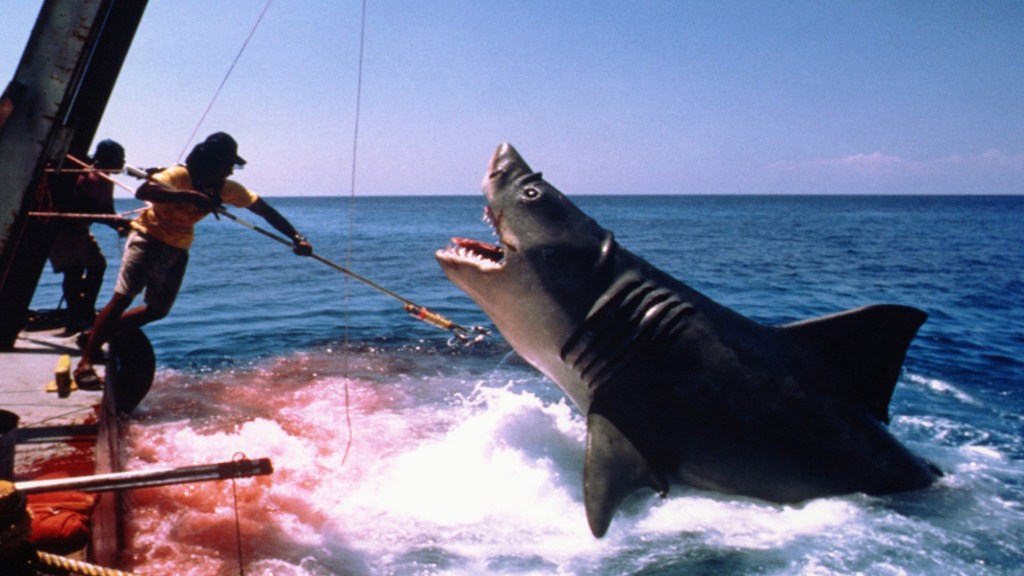 Image courtesy of Universal Pictures
Standing as the definitive worst sequel in the history of the genre, Jaws: The Revenge holds an infamous two-percent—once zero-percent—rating on Rotten Tomatoes for its complete abandonment of logic and quality. The narrative posits that a great white shark has developed a psychic vendetta against Ellen Brody (Lorraine Gary) and her family, following them from the cold waters of Amity to the tropical Bahamas. As if the premise wasn’t already baffling, the production of Jaws: The Revenge was notoriously rushed, moving from conception to theatrical release in only nine months to meet a summer deadline.
Jaws: The Revenge‘s development haste resulted in glaring technical errors, such as a visible mechanical track beneath the shark and a climax where the predator inexplicably roars like a lion. The film is also famous for Michael Caine missing his Academy Awards ceremony because he was busy filming this disaster in the Caribbean. That’s a tragedy, considering Jaws: The Revenge is not only the worst horror sequel ever, but also one of the worst movies ever conceived, period.
Which horror sequel do you think is the absolute worst? Leave a comment below and join the conversation now in the ComicBook Forum!