
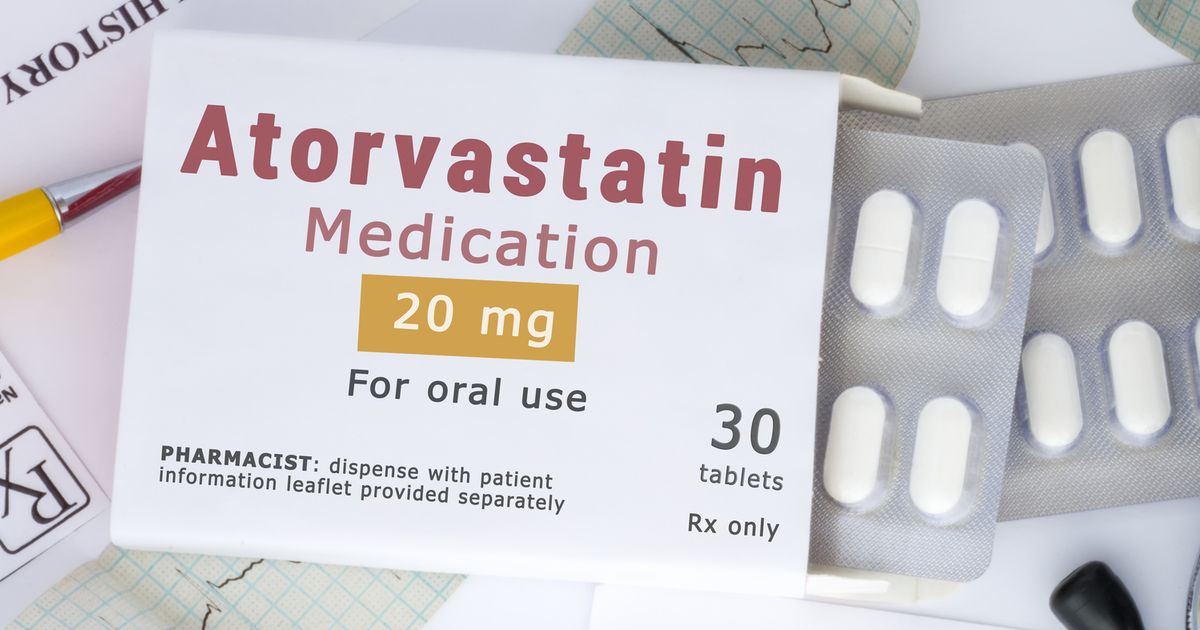
The side effect affecting some statin users has puzzled doctors since the 1980s
Charlotte Smith Senior Lifestyle Content Editor
10:18, 04 Feb 2026Updated 09:29, 05 Feb 2026
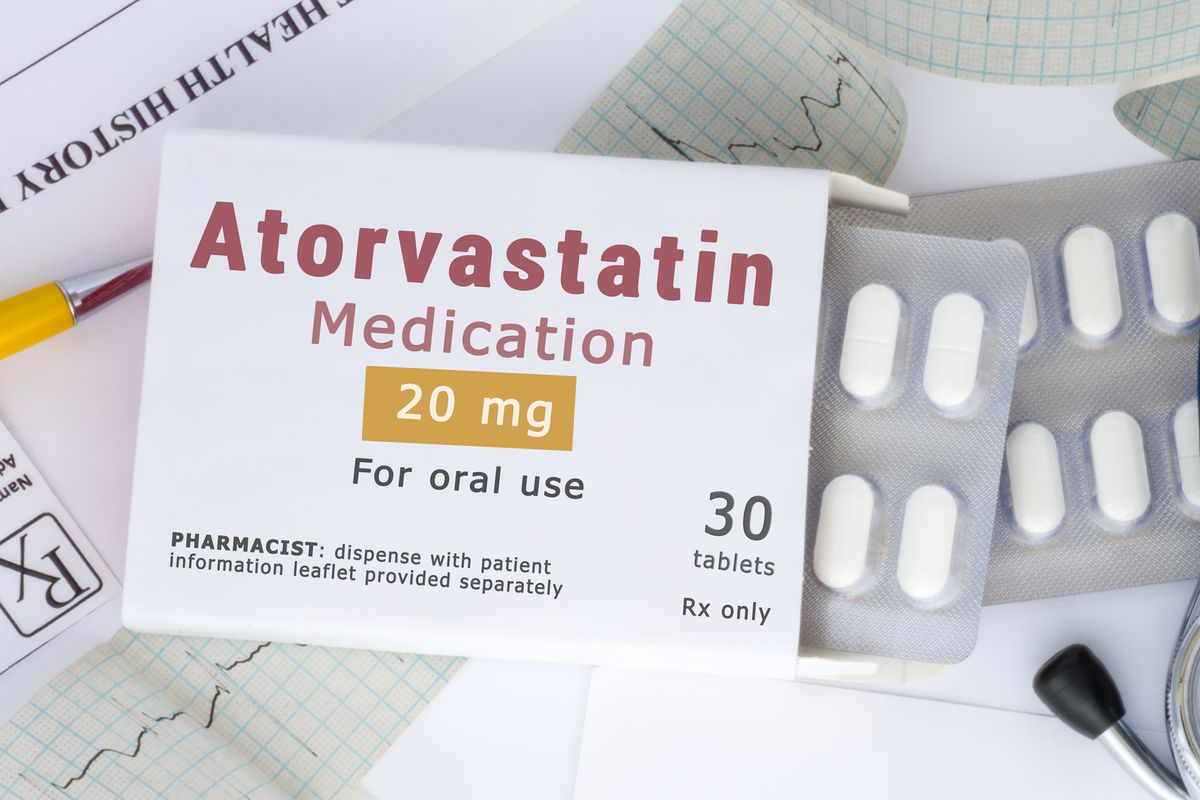
The ‘painful’ side effect some people may get has been a long-standing medical mystery since the 1980s (stock image)(Image: Getty)
A particular side effect that some people may experience when taking cholesterol-lowering medication, such as statins, has baffled doctors since the 1980s. However, recent studies have revealed key causes and why they occur.
Although uncommon, some patients taking statins may suffer muscle pain, weakness, tenderness and fatigue, which may lead to them discontinuing the medication altogether, switching to a different type or modifying the dosage. This uncommon side effect has been a long-standing medical mystery for years, until recent developments discovered by researchers.
Research suggests that, for a small number of people, some statins can cause muscle cells to leak calcium uncontrollably by interfering with ryanodine receptors or reducing coenzyme Q10, which can make muscles weak. However, many of the reported cases might also be due to something called the nocebo effect, which is not directly caused by the drug but by the negative expectations of side effects.
In the UK, the statins doctors usually prescribe most frequently are Atorvastatin (Lipitor) and Simvastatin (Zocor). These medications are often used to help manage high cholesterol and to prevent heart disease.
Atorvastatin is typically the first choice for stronger treatment, but there are other options, such as Rosuvastatin, Pravastatin, and Fluvastatin. Atorvastatin (Lipitor) and other statins may cause myalgia (muscle pain, tenderness, or weakness) in some people, reports the Mirror.

Scientists have found that some statins can cause muscle aches in some people (stock image)
Actual muscle damage is rare, and many patients experience no side effects. The symptoms usually present as soreness or fatigue and, in rare cases, can lead to severe muscle breakdown (rhabdomyolysis).
What has recent research revealed?
A recent study conducted by Columbia University researchers, titled ‘Scientists finally uncover why statins cause muscle pain’, now suggests that, at least for some people, the side effects occur when statins attach to a protein in muscle cells, resulting in a leak of calcium ions into the cells. The research indicates statins trigger spontaneous, irregular releases of calcium from storage areas in muscle cells – potentially causing damage, weakness, and pain.
A summary of the study reads: “A new discovery may explain why so many people abandon cholesterol-lowering statins because of muscle pain and weakness. Researchers found that certain statins can latch onto a key muscle protein and trigger a tiny but harmful calcium leak inside muscle cells. That leak may weaken muscles directly or activate processes that slowly break them down, offering a long-sought explanation for statin-related aches.”
Andrew Marks, chair of the Department of Physiology and Cellular Biophysics at the Vagelos College of Physicians and Surgeons, said: “It is unlikely that this explanation applies to everyone who experiences muscular side effects with statins, but even if it explains a small subset, that’s a lot of people we could help if we can resolve the issue.”
He added: “I’ve had patients who’ve been prescribed statins, and they refused to take them because of the side effects. It’s the most common reason patients quit statins, and it’s a very real problem that needs a solution.”
Approximately seven to eight million adults across the UK take statins to help reduce their cholesterol levels and decrease the risk of developing heart disease and suffering a stroke. It’s amongst the most commonly prescribed medications in the country, with over five million people in England receiving prescriptions in 2023/24.
A statement on the Columbia University Irving Medical Center website regarding the research reads: “Statins’ muscular side effects have puzzled researchers since the drugs hit the market in the late 80s. Statins are designed to lower cholesterol by binding to an enzyme involved in cholesterol synthesis. But statins also bind to other ‘off-target’ molecules, and some previous studies have suggested that muscular side effects occur when statins bind to a specific protein in muscle.
“With cryo-electron microscopy, a technique that can image molecules down to individual atoms, the researchers of the new study documented this binding and uncovered the precise details of the interaction.”
The calcium leak could explain the muscular side effects of statins, Marks says, by weakening the muscle directly or by activating enzymes that degrade muscle tissue. Marks also says statins could be redesigned so they do not bind the ryanodine receptor but retain their cholesterol-lowering ability. He is now collaborating with chemists to create such a statin.

People should speak to their GP if they experience any of these health concerns (stock image)
What else is important to be aware of?
Research reveals that approximately 10% of patients genuinely experience muscle discomfort from statins, yet as many as 90% of the symptoms might not stem from the medication itself. Rather, they could be attributed to factors such as ageing or physical activity.
Medical professionals advise that if someone experiences muscle discomfort, they should consult their GP about potentially adjusting the dosage or switching to an alternative statin to maintain cardiovascular protection. Scientists continue working towards developing safer statins that won’t damage muscles whilst remaining effective at preventing heart attacks and strokes.
Despite muscle discomfort being a recognised side effect, it’s rare and typically not caused by the statin itself. To address this issue, you might consider modifying the dose, changing to a different medication, or participating in regular, gentle exercise.
Physical activity can genuinely help minimise the adverse muscular effects that trigger calcium leakage. According to research conducted by scientists from Oxford Population Health, statin treatments are not responsible for muscle pain in over 90% of individuals who experience symptoms. The findings were published in The Lancet and presented at the European Society of Cardiology Congress.
If your GP has prescribed statins for you, do not simply stop taking your medication abruptly. Speak to a doctor or healthcare professional about alternative options, adjusting the dosage, or whether your symptoms might stem from something else, such as the “nocebo effect” (when anticipating a side effect can actually cause you to experience it).
What does the NHS say?
Statins are a type of medicine that can help decrease the amount of low-density lipoprotein (LDL) cholesterol in your blood. LDL cholesterol is commonly known as “bad cholesterol,” and statins work by lowering how much of it is made in the liver. The NHS identifies three uncommon side effects of statins, which include:
muscle weakness (myopathy)loss of sensation or tingling in the nerve endings of the hands and feet (peripheral neuropathy)tendon problems (tendons are tough cords of tissue that connect muscles to bones)
The health service states: “It’s rare, but statins can sometimes cause muscle inflammation (swelling) and damage. Speak to your doctor if you have muscle pain, tenderness or weakness that cannot be explained – for example, pain that is not caused by physical work. Your doctor may carry out a blood test to measure a substance in your blood called creatine kinase (CK), which is released into the blood when your muscles are inflamed or damaged.
“If there’s a big increase in the CK in your blood, your doctor may advise you to stop taking the statin. Regular exercise can sometimes lead to a rise in CK, so tell your doctor if you’ve been exercising a lot. Once the CK in your blood has come down to a level your doctor thinks is OK, they may suggest you start taking the statin again, but at a lower dose.”
The Yellow Card Scheme allows you to report suspected side effects from any type of medicine you’re taking. It’s run by a medicines safety watchdog called the Medicines and Healthcare products Regulatory Agency (MHRA). See the Yellow Card Scheme website for more information.