
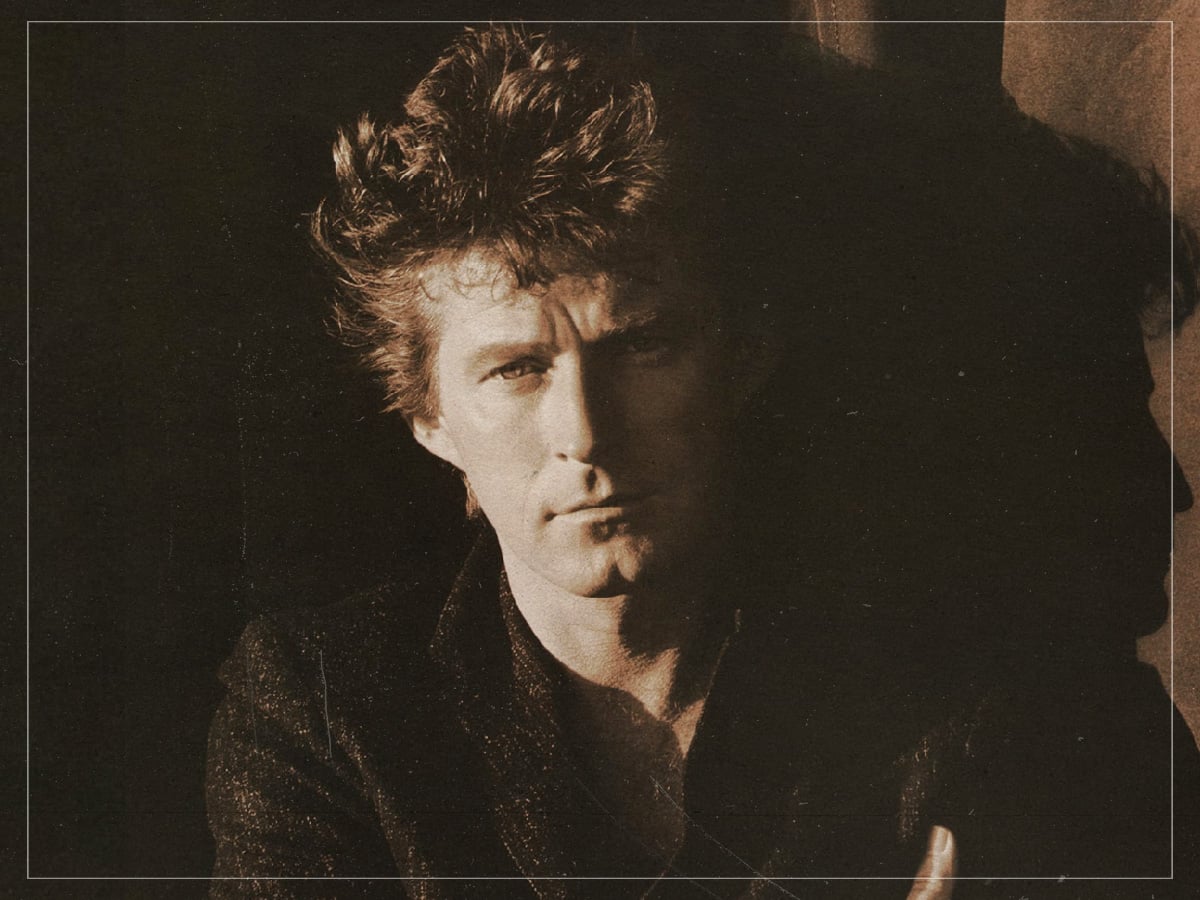
(Credits: Far Out / Album Cover)
Thu 5 February 2026 20:30, UK
Being a member of the Eagles was always going to be a bit of a challenge for someone like Don Henley.
He wanted the chance to be a member of one of the greatest bands in the world, and that usually meant putting in as many hours as he could into making sure that everything was perfect when they stepped out of that recording studio. But the cardinal rule of all great rock and roll was that the songs are always going to be imperfect to some degree as well.
The biggest names in the early days of rock and roll weren’t worrying about whether the guitars were perfectly in tune or if the bass player hit one wrong note going into the chorus, because as far as they were concerned, that didn’t matter. The likes of Steely Dan took pleasure in making the most pristine records that anyone had ever heard, but Henley was cut from a much different cloth than his jazz rock colleagues.
He wanted to still make sonic records that would last forever, but acts like The Beatles had already shown everyone that it was OK to leave a few things untuned whenever you put on one of their records. It might have been hard for Henley to let go of those perfective tendencies, but no matter how many times he wanted to get a vocal exactly right, none of it was going to matter once the times started changing.
Eagles were already an acquired taste among the rock faithful back in the day, but having punk rock come into the equation was bound to make the country rock crowd seem too laid-back. ‘Lyin’ Eyes’ and ‘Take it Easy’ may have been great songs, but it took everyone from Sex Pistols to Ramones to The Clash to wake us all up and let everyone know what rock and roll sounded like at street level.
After all, that’s where all good rock and roll comes from. The Beatles made their best work in the studio, but they started out as a scrappy bar band, and there wasn’t a single club that The Rolling Stones and Led Zeppelin couldn’t turn inside out when they started playing. Henley could definitely appreciate the more raucous sounds of his heroes, but he felt that the only thing that punk was promoting was a bunch of kids that wouldn’t know the first thing about learning scales or vocal technique.
He worked hard to get his voice in shape, and while he could appreciate stripping things back, he felt that punk was never to progress music further, saying, “There has always been the opposing school of thought, especially after punk came in, but I always saw that as a cover-up for lack of ability. [But] there should always be — and will be — a wart or a little clutter here and there. Life is messy, and rock ‘n’ roll is part of life.”
It’s not like Henley didn’t have a good reason to be upset with the new punk kids. A lot of them were making a mockery of what they were doing, but as far as he was concerned, the quality of their songs was the reason why Eagles could play stadiums around the world while bands like The New York Dolls could never find their way out of their old stomping grounds that they started with.
There are certainly punk bands that helped push music forward a little bit like Talking Heads and The Clash, but Henley felt that what mattered had nothing to do with one’s lack of ability when they picked up their instruments. It was about making something everyone could be proud of, and he would rather work to make a song sound as great as it could than putting together a ramshackle version of his next record.
Related Topics
The Far Out Punk Newsletter
All the latest Punk content from the independent voice of culture.
Straight to your inbox.