
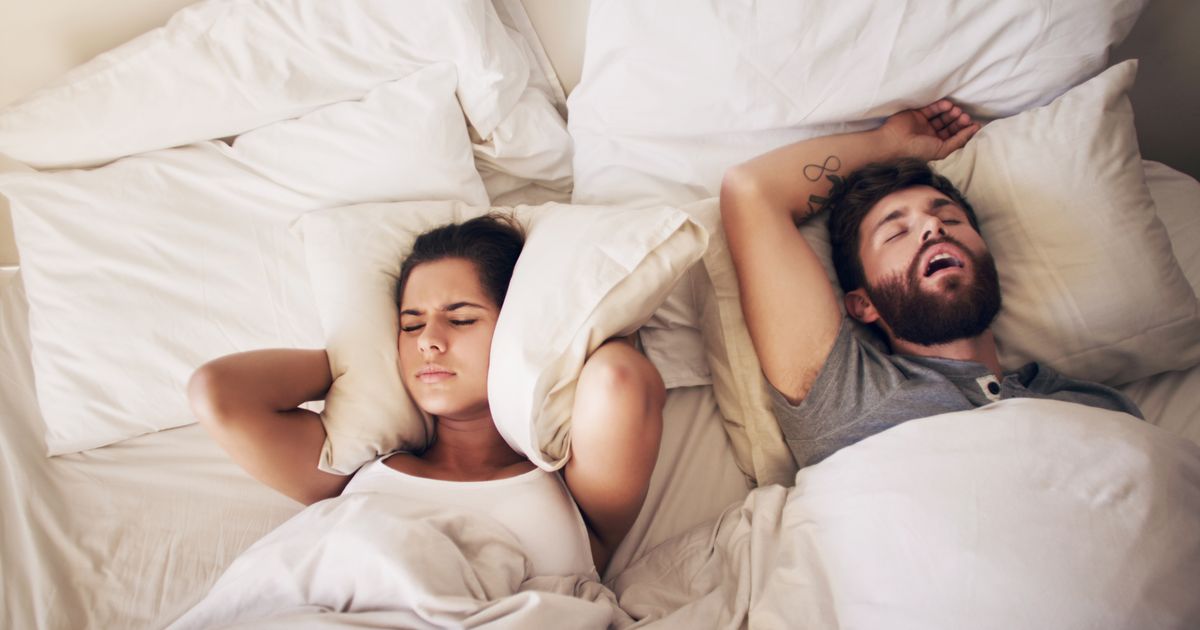
The NHS has issued guidance urging people who snore loudly regularly to see a GP, as it could indicate sleep apnoea which needs treatment.Charlotte Smith Senior Lifestyle Content Editor and Ambarish Awale Trainee Trends, Showbiz and Lifestyle Writer
22:35, 06 Feb 2026
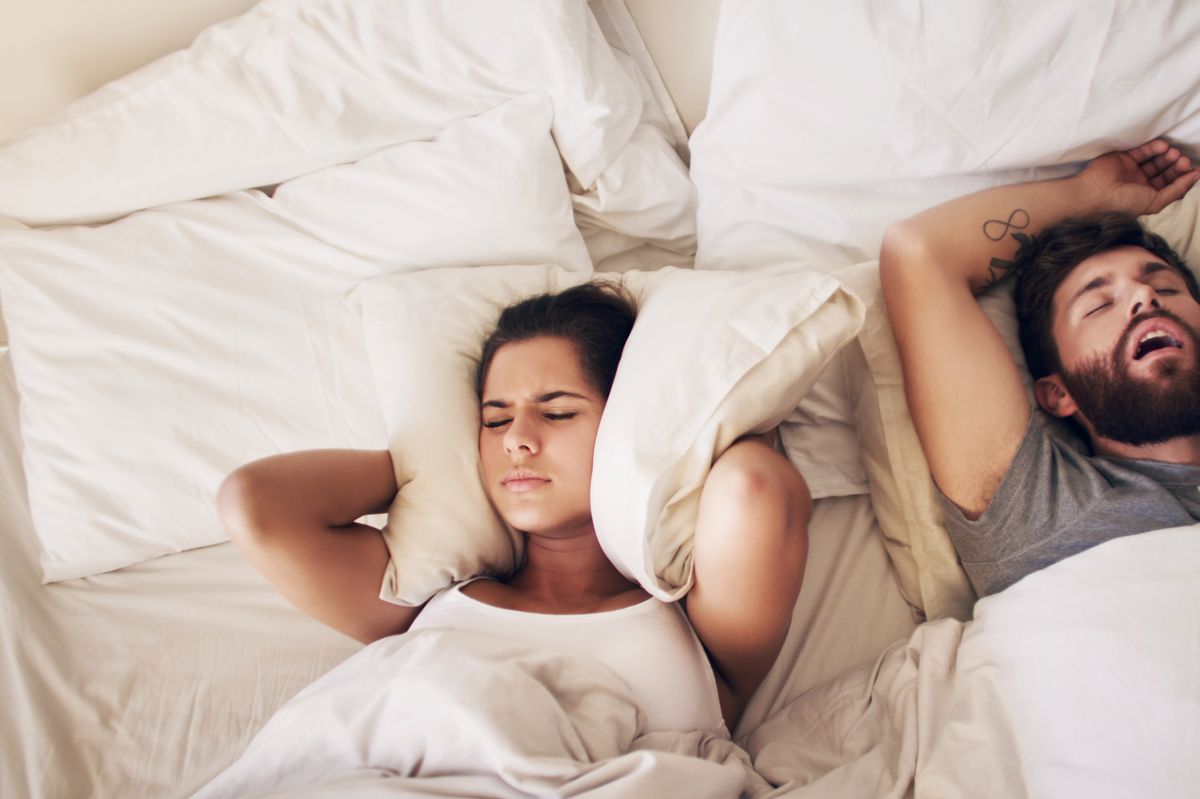
People who snore loudly or wake frequently at night have been advised to see their GP.(Image: Getty Images)
Individuals who’ve been informed they frequently snore loudly during the night are being advised to consult their GP. Based on current NHS guidance published on its website, those who produce considerable noise whilst sleeping or experience repeated awakenings should seek medical attention.
Occasional snoring is perfectly normal, but persistent or loud snoring could indicate an underlying problem such as sleep apnoea, which “can be serious if it’s not diagnosed and treated”. This condition develops when throat tissues vibrate due to narrowed airways, Mirror reports.
Contributing factors including advancing age, alcohol consumption, excess weight and nasal congestion. Whilst minor snoring typically isn’t worrying, regular snoring accompanied by daytime fatigue or nocturnal gasping warrants a doctor’s visit.
The NHS states: “Sleep apnoea is when your breathing stops and starts while you sleep. The most common type is called obstructive sleep apnoea (OSA). Sleep apnoea needs to be treated because it can lead to more serious problems.”
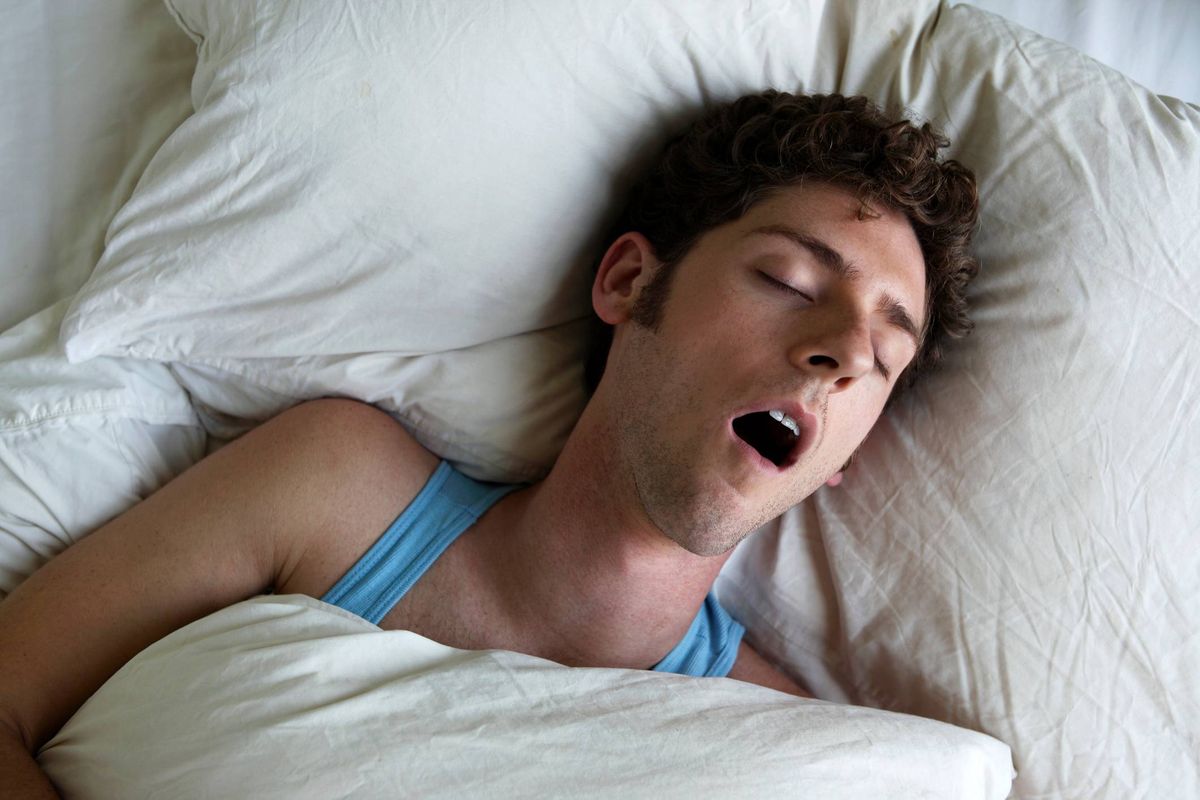
Loud or frequent snoring could signal sleep apnoea, a serious condition caused by narrowed airways.(Image: Getty)
According to NHS guidance, sleep apnoea symptoms predominantly occur during sleep. These comprise interrupted breathing patterns, producing gasping, snorting or choking sounds, frequent waking and pronounced snoring, reports the Mirror.
Throughout the day, sufferers may experience extreme tiredness, difficulty concentrating, emotional fluctuations and morning headaches. Identifying if you suffer from sleep apnoea can be challenging.
You might consider asking someone to observe your sleep patterns for any signs of the condition. Alternatively, recording yourself while sleeping and reviewing the footage could be another viable option.
The NHS strongly advises individuals to “see a GP” if they exhibit any primary symptoms of sleep apnoea. It further suggests: “If someone else has seen you have the symptoms, it can help to bring them with you to the GP.”
Why sleep apnoea can be a concern
Sleep apnoea can also pose difficulties for your partner and potentially strain your relationship. Without appropriate treatment, sleep apnoea can lead to additional complications, including:
high blood pressurea higher chance of having a stroketype 2 diabetesheart diseasedepression or mood changesa higher chance of having a serious accident caused by tiredness, such as a car accidentdifficulty concentrating at work or school
You may be required to inform the DVLA about your sleep apnoea. If your condition is confirmed, you must refrain from driving until symptoms such as extreme fatigue are managed.
Treatment for sleep apnoea, particularly Obstructive Sleep Apnea (OSA), aims to keep the airways unobstructed during sleep. The primary treatment is Continuous Positive Airway Pressure (CPAP), a device that utilises a mask.
Other effective alternatives include oral appliances, lifestyle modifications like weight loss and reduced alcohol consumption, positional therapy, and in certain instances, surgery.
What triggers sleep apnoea?
Sleep apnoea arises when your airways constrict excessively during sleep, hindering proper breathing. Sleep apnoea has been associated with:
obesityhaving a large neckgetting older – although children and young adults can also get ithaving other family members with sleep apnoeasmoking and drinking alcoholhaving large tonsils or adenoidssleeping on your backa condition called chronic obstructive pulmonary disease (COPD)Lifestyle adjustments (typically effective for mild cases)Even slight weight loss can reduce throat constriction.Exercise regularly can improve symptoms.Sleep on your side or semi-propped up, not on your back, to keep airways openAvoid alcohol and sedatives as these relax throat muscles, worsening apnea.Smoking makes sleep apnea worse.Keep your bedroom dark, quiet, and maintain a consistent sleep schedule.Medical interventions
The most widely used and successful treatment involves CPAP (Continuous Positive Airway Pressure). This requires wearing a mask that delivers pressurised air to maintain an open airway.
Oral appliances (similar to mouthguards) can adjust the position of the jaw or tongue to prevent obstruction.
Alternatively, there’s a Hypoglossal Nerve Stimulator, an implanted device that delivers mild electrical impulses to the tongue nerve to stop it from obstructing the airway. Specific weight-loss medications (such as tirzepatide) have recently been authorised to alleviate sleep apnoea symptoms.
If you have concerns or queries, consult a doctor. The only method to obtain an accurate diagnosis and appropriate treatment is through speaking with a healthcare professional.