
Three in four cancer patients will survive the disease thanks to a “revolution” in medicine over the next ten years, the government has promised.
Wes Streeting, the health secretary, announced a national cancer plan to improve NHS care, which he said would save 320,000 lives by 2035.
Long waiting times mean “cancer is more likely to be a death sentence in Britain than other countries”, Streeting said. Britain lags behind Romania and Poland in survival for some cancers.
The plan involves spending £2.3 billion on scanning equipment and testing technology to speed up diagnosis and a significant expansion of robotic surgery.
Only 60 per cent of patients survive for five years or more after diagnosis, but the government has set a target that, from 2035 , at least 75 per cent will be cured or “living well” with the disease after five years.
A “golden age” of medicine, involving more personalised treatments, means new drugs are being deployed on the NHS to provide cures for previously deadly types of the disease.
The government has committed itself to meeting three NHS cancer waiting times targets by March 2029. These have not been met since 2014, meaning thousands of patients every year face potentially deadly waits of more than two months before starting treatment.
Streeting gave the example of a friend, Nathaniel Dye, who died of bowel cancer last week after waiting 106 days — twice the NHS target — to be diagnosed, by which time it was too late. Streeting, who was himself diagnosed with kidney cancer in 2021, said: “As a cancer survivor who owes my life to the NHS, I owe it to future patients to make sure they receive the same outstanding care I did.
“This plan will slash waits, invest in cutting-edge technology, and give every patient the best possible chance of beating cancer.”
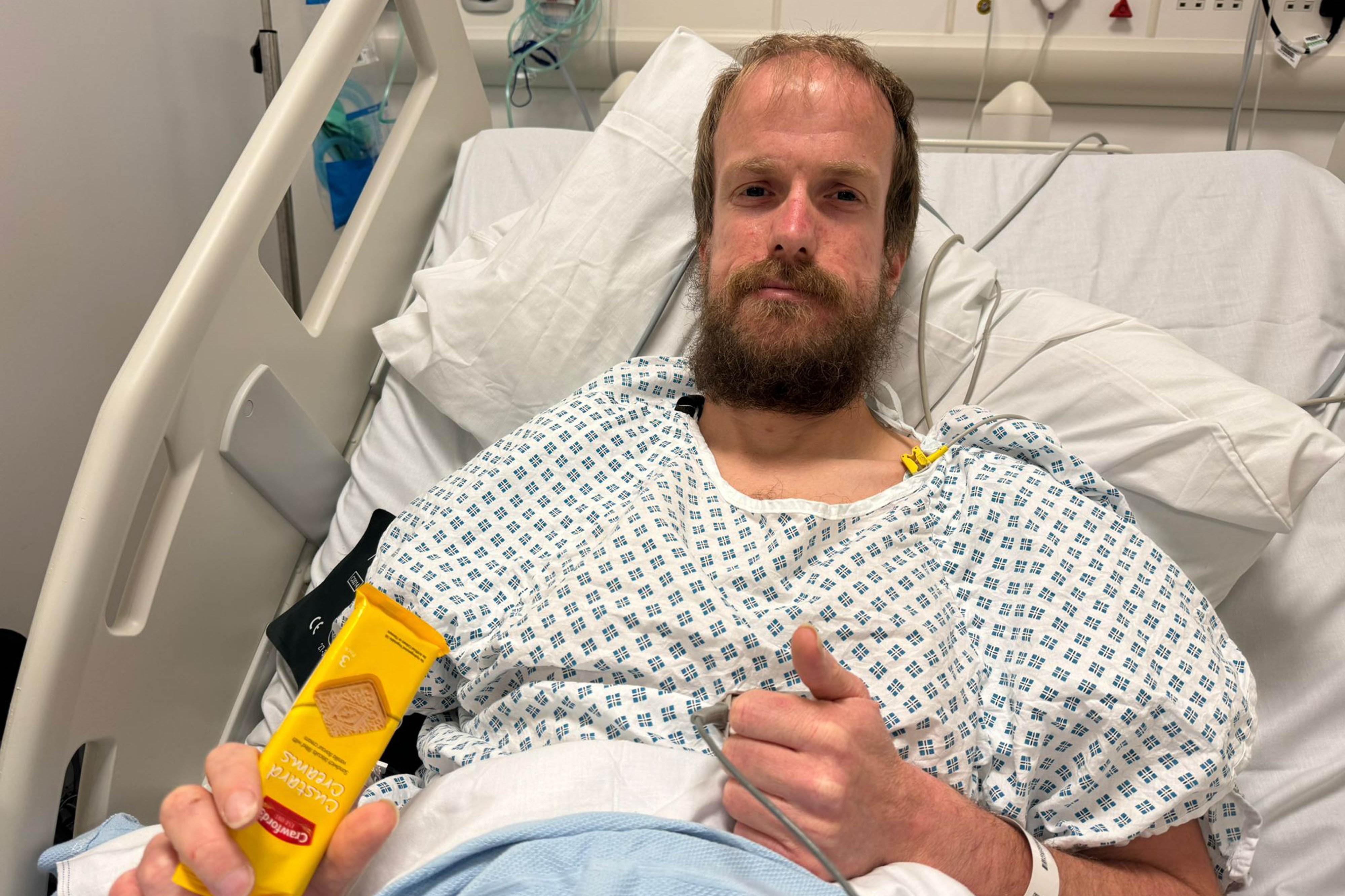
Nathaniel Dye died of bowel cancer last week
NATHANIEL DYE/PA
Reforms include offering all cancer patients genetic testing to help match them with drugs that target specific mutations in their tumours. Streeting said the NHS would enter an “age of personalised medicine”, ending “one size fits all” care.
The number of patients having robot-assisted surgery, which is more precise and improves recovery time, will expand from 70,000 a year to 500,000. More patients will be able to arrange evening and weekend appointments for diagnostic scans to check for cancer. The NHS promised an extra 9.5 million tests by 2029.
Britain lags about ten years behind other western nations, including Australia, Denmark, France and Norway, in terms of cancer survival rates, mainly because of late diagnosis and treatment. NHS data shows only 70 per cent of patients started treatment within 62 days of diagnosis, below the target of 85 per cent.
Michelle Mitchell, chief executive of Cancer Research UK, said: “England lags behind comparable countries on cancer survival and it’s vital that this changes, so more people affected by cancer can live longer, better lives.”
Health experts doubt that the “bold ambition” of meeting cancer waiting times targets by 2029 can be achieved.
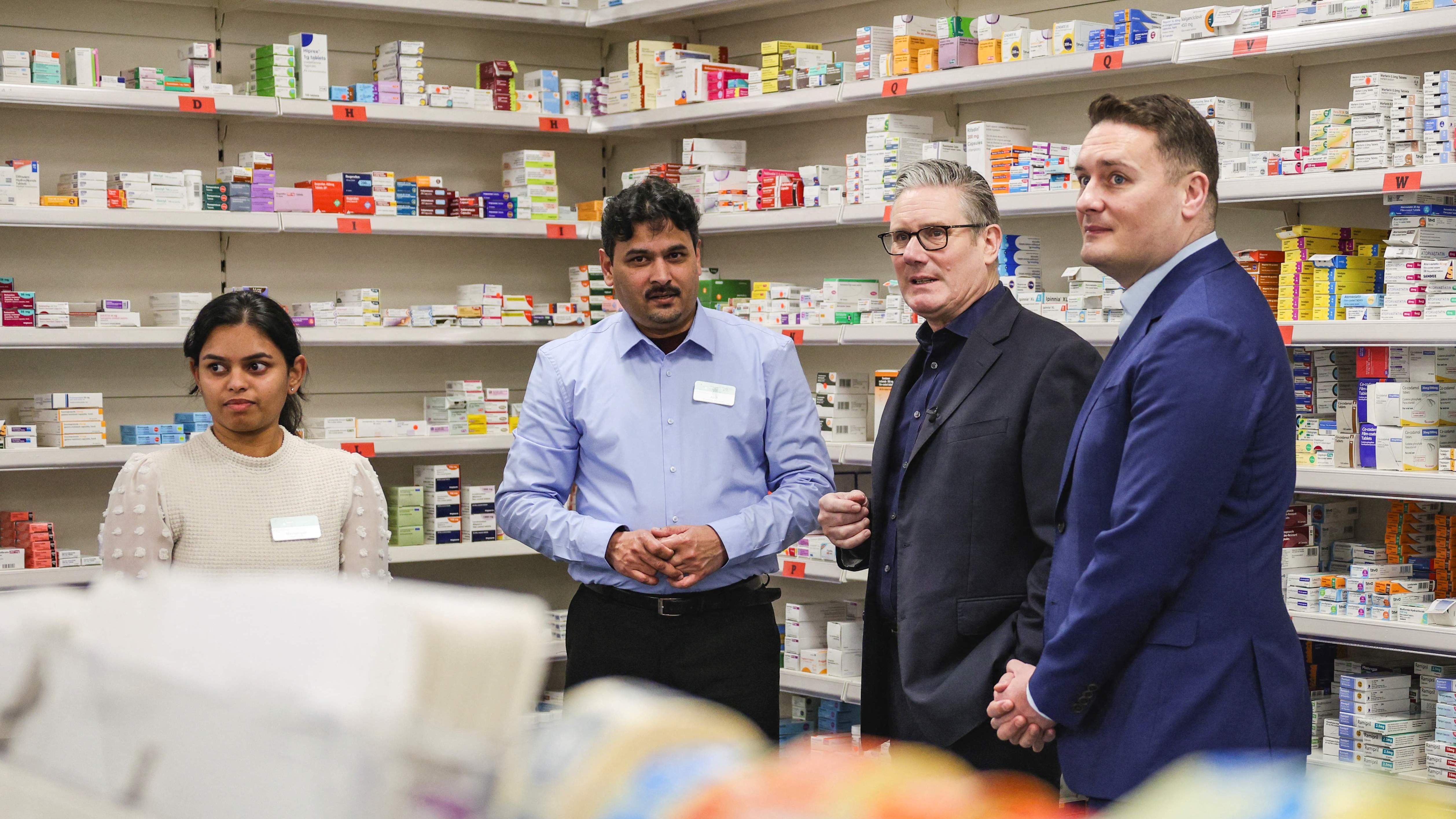
Sir Keir Starmer and Wes Streeting talk with pharmacists in Wimbledon, London
ADRIAN DENNIS/POOL/AFP/GETTY IMAGES
Sarah Scobie, Nuffield Trust deputy director of research, said that meeting the 62-day target would “mean the NHS improving at 30 times the rate it has managed since April”.
Sarah Woolnough, chief executive of The King’s Fund, said: “The system as it stands will not meet the cancer treatment standards by 2029 unless there is a big step change.”
I was lucky — but Nat’s diagnosis came too late
By Wes Streeting, Health Secretary
My cancer was caught early, on an unrelated trip to A&E. It was treated quickly and my recovery was fine. I was lucky enough to have a boss who didn’t just support me, he promoted me to the shadow cabinet.
My friend Nathaniel Dye had a very different experience. Between seeing his GP and beginning his treatment in 2023, he waited 106 days, almost twice the NHS target. By the time he was finally seen it was too late and he was diagnosed with incurable bowel cancer.
Nat didn’t let that hold him back from living his life to the full. He played music, continued teaching and ran the London Marathon to fundraise for Macmillan. Sadly, Nat died last week. That’s the difference between an NHS that is there for us when we need it and the health service falling short.
The decade-long mission of our national cancer plan, published on Monday, is to close that gap and change the odds of surviving cancer for everyone. Our plan will invest billions in cutting-edge technology, new treatments and faster diagnosis. By taking advantage of the scientific revolution taking place before our eyes, we can transform the life chances for cancer patients.
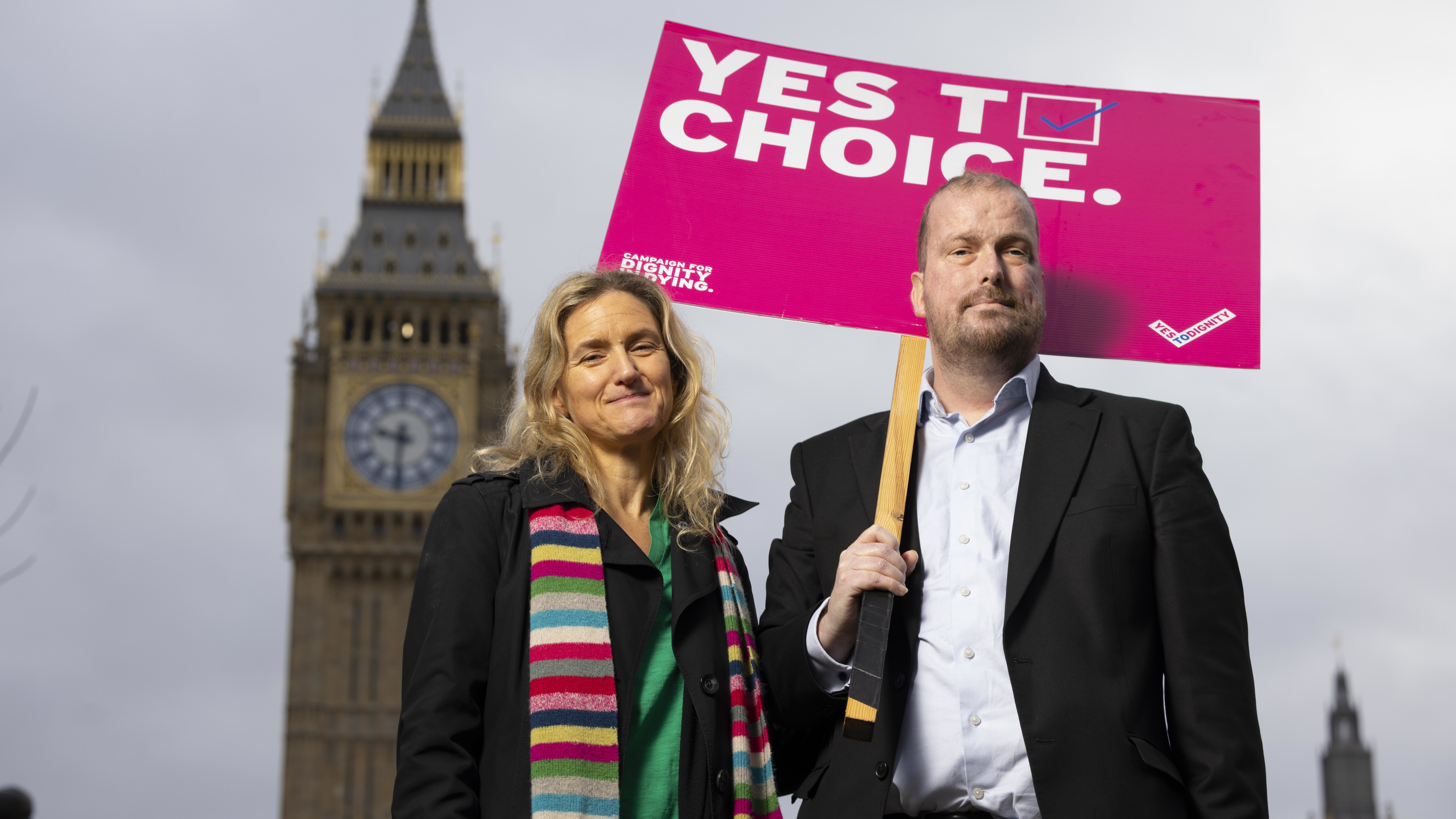
Nathaniel Dye with Kim Leadbeater
DAVID PARRY/PA
Our ambition is for three in four people diagnosed with cancer to be cancer-free or living well for five years after diagnosis within the next ten years. That translates to about 320,000 lives saved in ten years. These are parents watching their children grow up; grandparents meeting their grandchildren.
A £2.3 billion investment will provide 9.5 million more diagnostic tests over the next three years. Treatment must also modernise. The robot-assisted surgery I received cut the risk of complications, and my recovery was much quicker.
• Robotic surgery will become the default for keyhole operations
Cancer care is also becoming more precise. Every patient who could benefit will be offered genomic testing to help match them with treatments most likely to work.
New liquid biopsy blood tests will speed up decisions. I want every patient to receive the best care available, whether they live in Barnsley or Berkshire.
This plan is also shaped by experience. Half the ministers in my department are cancer patients.
Ashley Dalton brings the perspective of writing our national strategy while undergoing treatment herself. When Ashley was diagnosed, it was assumed she’d want to give up work. Instead, she is now working with employers to make sure cancer patients can stay in work if they want to.