
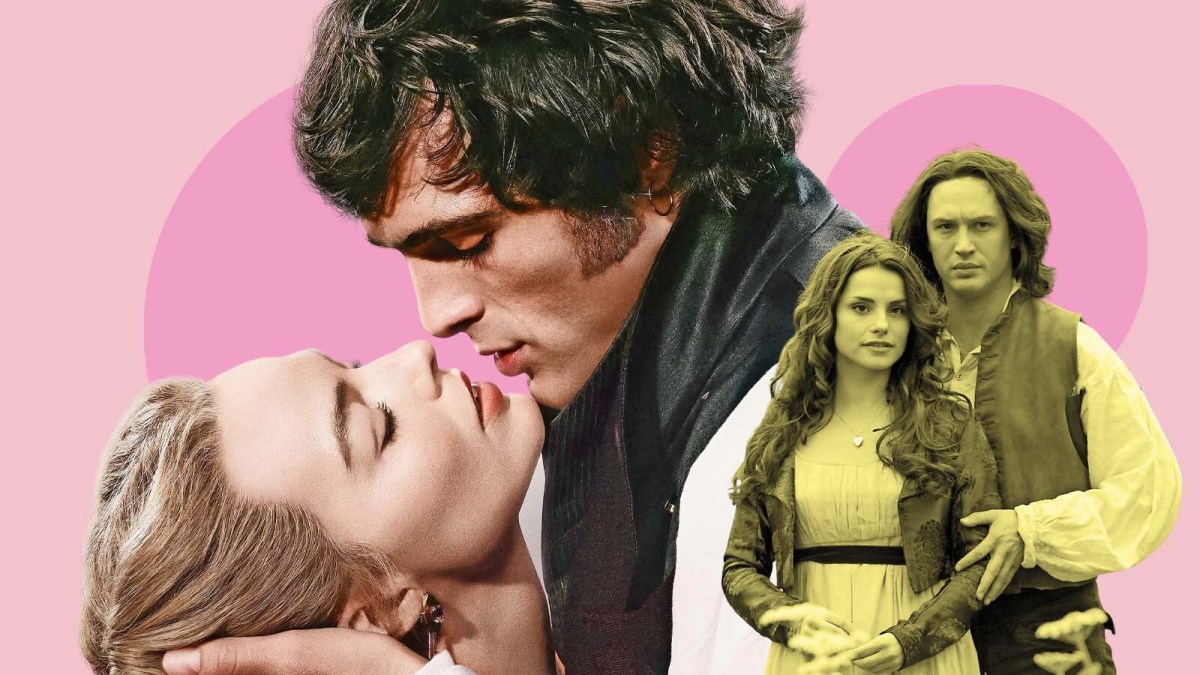
First things first: Wuthering Heights is a demented novel. If people lose their minds over Emerald Fennell’s sexed-up film adaptation, remember that Emily Brontë got there first. When she published it in 1847, under the pseudonym Ellis Bell, readers were appalled by its violence and immorality, and by the incestuous, narcissistic Cathy and Heathcliff.
Fennell has taken the film in an S&M direction — a test screening featured “a bondage-tinged sexual encounter involving horse reins” — but it’s all there in the book: the floggings, the slappings, the cruelty and the shared death wish. Add a banging Charli XCX soundtrack, the Adolescence star Owen Cooper as young Heathcliff and a controversy over the leads, Margot Robbie and Jacob Elordi (too old, too white: Brontë’s Heathcliff is a “Gypsy beggar” and “a lascar”), and you have a hit tailor-made for the I-love-it-I-hate-it era of film consumption.
The story, which is on the A-level English syllabus, is also fantastically complicated, but in a nutshell: Cathy Earnshaw’s father rescues the young Heathcliff from the streets of Liverpool and brings him to live in the family home on the Yorkshire moors. He and Cathy become close — but when they grow up Cathy is torn between Heathcliff and a more conventional life with their wealthy neighbour, Edgar Linton. After Heathcliff runs away she marries Linton; he returns three years later to seduce Linton’s sister Isabella, and all hell breaks loose: there are ghosts, howling storms, dug-up graves and murdered puppies.
It’s a lot, which is what attracted the director of the equally unhinged Saltburn (remember what Barry Keoghan did with a dug-up grave). Last September Fennell told the Brontë Women’s Writing Festival that Wuthering Heights “cracked me open”: “I’ve been driven mad by this book. I know that if somebody else made it I’d be furious.” When she first saw Elordi in his Heathcliff sideburns she “wanted to scream” with excitement.
• I’m a Brontë expert. Wuthering Heights has always been a sexy shocker
The thing is, somebody else has made it. Since Laurence Olivier and Merle Oberon’s 1939 version (pretty great, even if it was shot in California), there have been dozens more: feature films in English, French, Hindi, Japanese and Spanish (Luis Buñuel’s Abismos de pasión); multiple TV adaptations; a musical (Cliff Richard’s 1996 Heathcliff); and a Kate Bush No 1, written when she was 18 after seeing Ian McShane in the BBC’s 1967 version. Despite its strangeness and deep Yorkshire roots, Brontë’s story has resonated at the level of myth — a story about crazy, stupid love that every generation wants another go at.
In 1958 Richard Burton played an inescapably Welsh Heathcliff, in a one-off live broadcast for CBS. Rosemary Harris, now 98, played Cathy. “I wasn’t supposed to be Cathy,” she tells me on a call from New York. “I was busy doing Dial M for Murder on TV when they asked, and I recommended a gorgeous girl I knew from Rada, Yvonne Furneaux.” She was thrilled when Furneaux was cast, sending flowers to her hotel, but on the first day of rehearsals Burton took against her. “The producer David Susskind called me and said, ‘You better come and put out a fire — we fired Yvonne.’ A car came the next day. Luckily the costumes fitted.”
Harris had played Desdemona to Burton’s Othello at the Old Vic, so knew him well. “He was a good friend and I had no trouble with him. I never had an affair with Richard, though everybody assumed. He was attractive but my girlish heart went out to John Neville [Iago], who unfortunately was married.” She had five days to learn Cathy’s lines. “I had bits of paper on set — when Richard came to kiss me on my deathbed I tucked them under my pillow.”
For decades the recording was lost, before being discovered in a TV archive in 2019. What did Harris think, watching it again? “It creaked a bit because it was live. We did a couple of heath scenes on the Saturday because I had to get my hair wet, but the rest was all live on the Sunday.” She didn’t identify with Cathy, she says. “I didn’t grow up on a moor, I’m not a Brontë.” Still, she worries about Fennell’s new take. “Is it controversial? Oh dear.”
Anna Calder-Marshall was 23 when she played Cathy opposite the future 007 Timothy Dalton in the 1970 version. The film’s US producer, Louis Heyward, wanted to shake things up, telling reporters: “Olivier and Oberon portrayed him as a regular nice guy and her as sweetness and light. That was not the truth and Hollywood now goes in for the truth. Heathcliff was a bastard and Cathy a real bitch and that’s how they’ll be.”
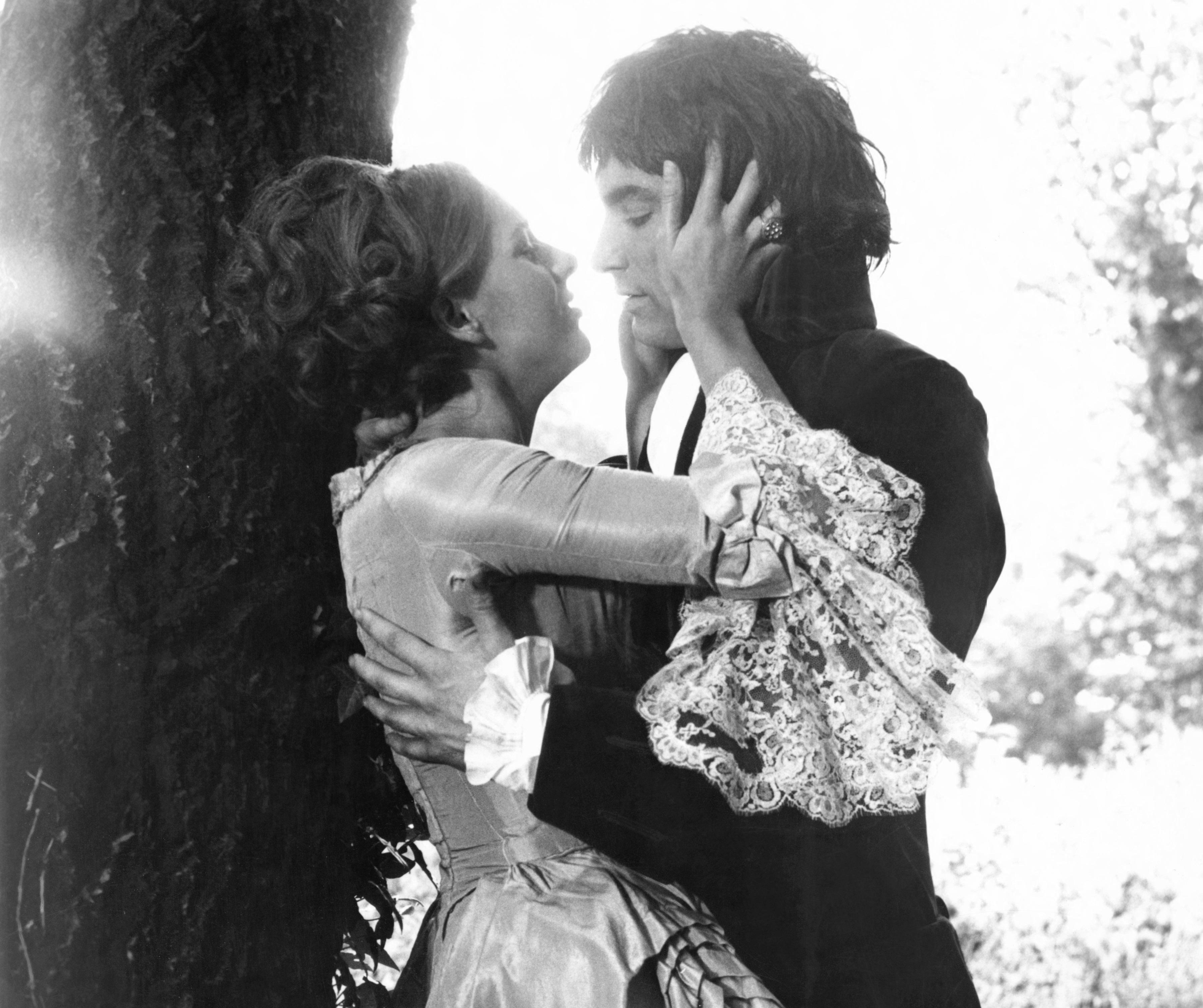
Anna Calder-Marshall as Cathy and Timothy Dalton as Heathcliff in the 1970 film adaptation
ALAMY
His notes must have got lost in the post because the film that emerged was pretty and restrained. “Some of the scenes weren’t gritty enough, so Tim and I made suggestions,” Calder-Marshall tells me. “We wanted it to be rougher. They agreed, but then they made an enormous cut. It was very much of that period, softened and romanticised.” The critics were not kind, calling it “a spiritless soap opera … with Heathcliff about as demonic as a shy farm-hand.” At the premiere, Heyward told Calder-Marshall that she had been a disappointment. “He said, ‘How come you look so good in life but lousy in my film?’ I wasn’t allowed make-up on screen because they wanted it bleak.”
She recalls preparing for the scene where Cathy is bitten by a guard dog. “I thought, I’d better make friends with it. I took it for a walk on the heath, and I lost the bloody dog. It was a scary animal, but they dragged it back. The next day, this dog could hardly walk because they’d drugged it. They had to hit it and whip it to make it attack us. Tim and I were horrified.”
Dalton, Calder-Marshall says, “could get a bit Heathcliffy in the evenings. I don’t think he would mind me saying. But you couldn’t have two of us being Cathy and Heathcliff in the evenings.” Was there an off-screen romance? “I think there would have been if I hadn’t just met my husband.”
An off-screen romance was a godsend for the 2009 ITV adaptation with Tom Hardy and Charlotte Riley, who fell in love and are now married with two children. “The chemistry was amazing,” the director Coky Giedroyc, sister of Mel, recalls. “It got very steamy, to the extent that I had to keep yelling, ‘Cut!’”
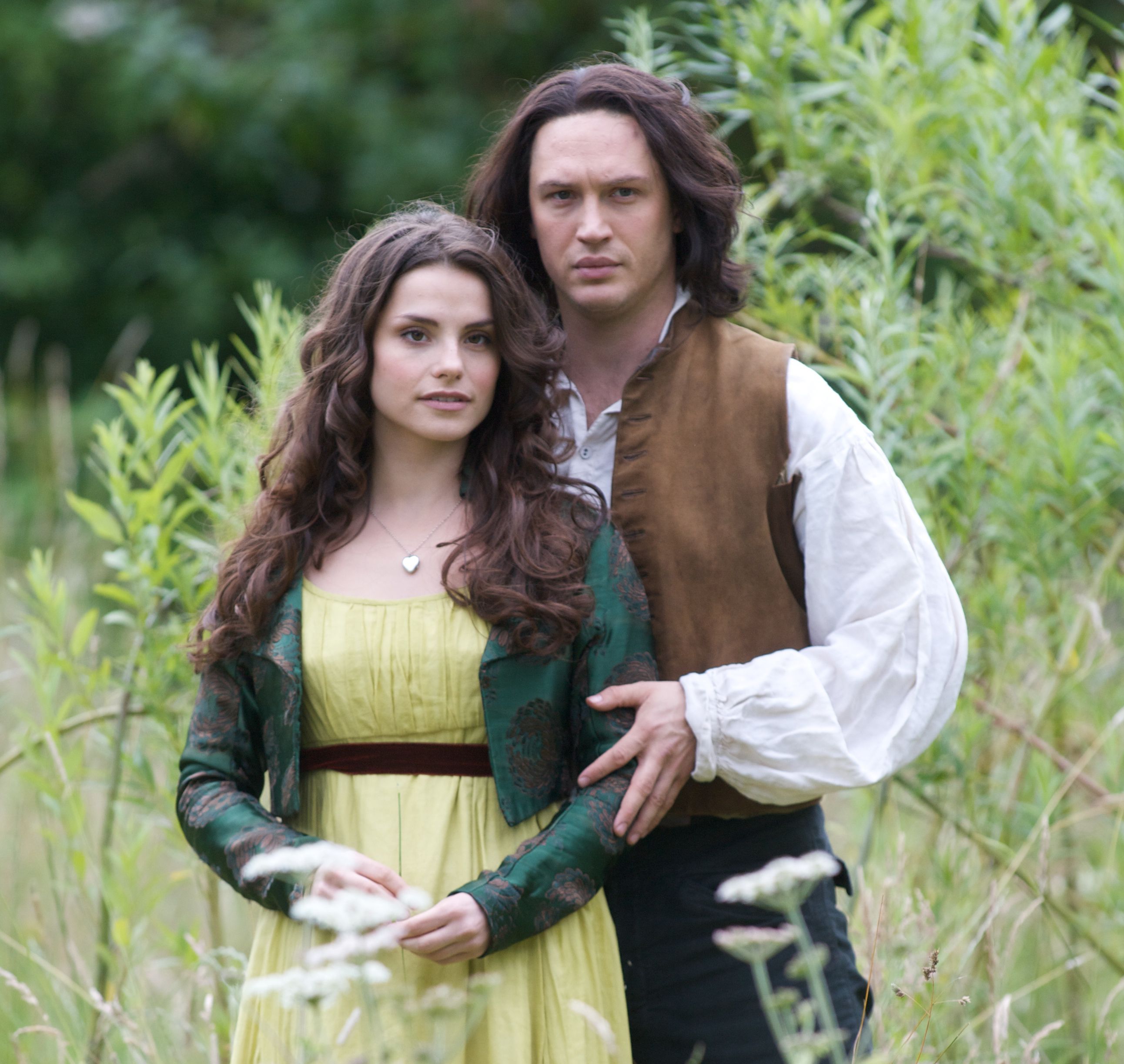
Charlotte Riley and Tom Hardy in the 2009 ITV production
ITV/SHUTTERSTOCK
She had directed Hardy in two BBC period dramas, The Virgin Queen and Oliver Twist, and he was her first choice for Heathcliff. “His mother’s from Yorkshire and he did this grubby, visceral accent. Tom has a gift that is so unusual, like a Marlon Brando from East Sheen — he’s just so out there. He can be very aggressive, but when he’s sad or delicate it’s heart-wrenching.”
Hardy also went a bit Method, disappearing on to the moors in a series of cars he had been lent after recently learning to drive. They argued over his wig, which he said made him look like Slash from Guns N’ Roses. “He sent me a little film of him ripping it off and stamping on it, then putting it on his head. It looked ridiculous, but I got his point: ‘Can we not be too uptight?’”
The way to do Wuthering Heights, Giedroyc thinks, is to have a conversation with Emily Brontë and then let her go: your film has to work on its own terms. “I’m a big fan of these crazy, passionate 19th-century novels and inhaled them as a child. But they are so robust — they can take new ideas and reimaginings. Structurally Wuthering Heights is not a great novel — don’t tell the Brontë society — but, like Frankenstein, it’s absolutely primal.”
Peter Bowker, who wrote the screenplay for Giedroyc’s take, likens the process to coming up with a cover song. “You’ve got John Coltrane’s My Favorite Things and you’ve got Julie Andrews’s, and both are good.” He doesn’t get the purists who fret about Fennell doing a “50 Shades of Brontë”. “Nobody need worry. The book is still there, and it might bring people to the book.” It already is: booksellers are predicting strong sales after heavy marketing on TikTok, while shops across the country are hosting reader events.
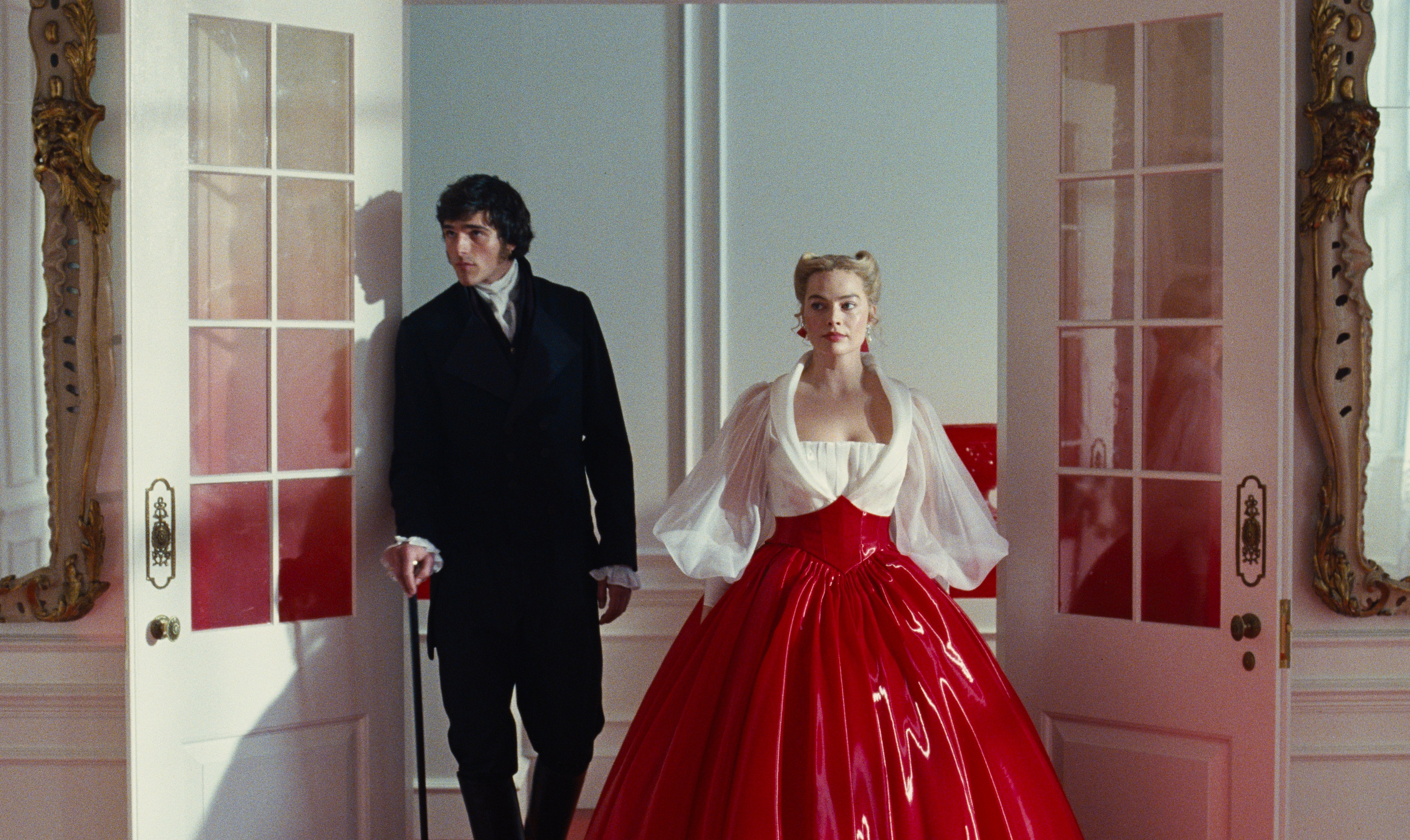
Jacob Elordi and Margot Robbie in Emerald Fennell’s film
WARNER BROS
Bowker began by tearing the book up. “I literally took scissors to a paperback and stuck it back together in chronological order. After the drama went out, I got a lot of letters from English A-level teachers thanking me. The combination of the confusing order, and the similarity of all the characters’ names, had been losing students.”
Fennell has kept Brontë’s heightened dialogue — Cathy’s “I am Heathcliff!” speech, Heathcliff’s “Be with me always, take any form, drive me mad!” — and so did Bowker. “A lot of our romantic language was invented in that novel — the trick is to direct it with naturalism. We’ve all been in love, we’ve all said things we wouldn’t say in any other circumstance. And we need to hear that language because it’s what makes Cathy and Heathcliff forgivable.”
• Here’s why the film of the book is always a disappointment
What does Bowker think Wuthering Heights is about? “If I wanted to piss everyone off, I’d say toxic masculinity. Really, it’s about a series of unfortunate men making very bad decisions, starting with Heathcliff being taken from Liverpool. It’s about class and generational pain — Heathcliff makes a decision to cause damage and sticks with it.”
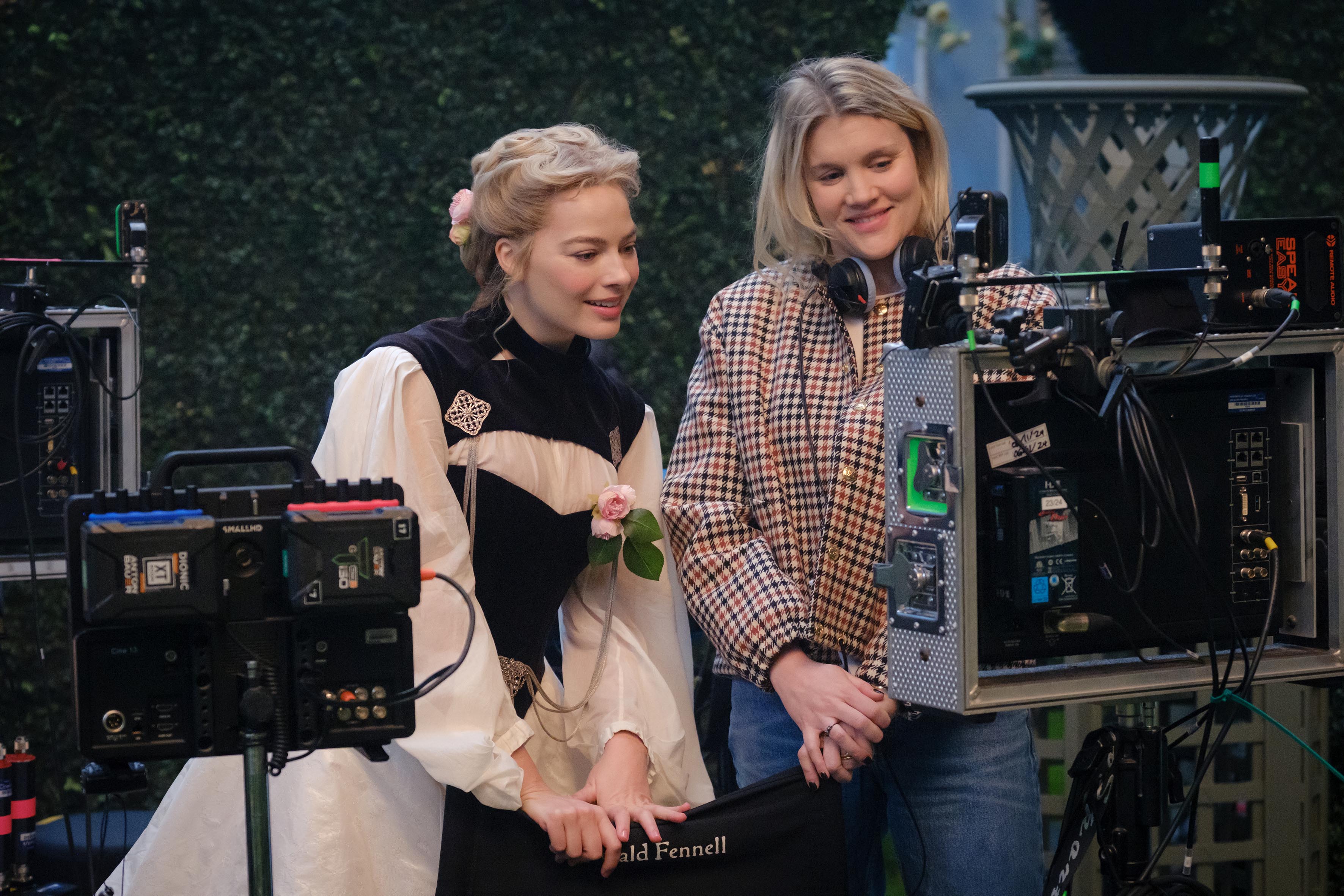
Margot Robbie and Emerald Fennell on the film set
WARNER BROS
Bowker and Giedroyc say that if they were filming the book now they would pay more attention to Heathcliff’s ethnicity. Brontë returns repeatedly to her hero’s darkness and difference, yet only one version has cast a black Heathcliff. Andrea Arnold’s 2011 film featured James Howson as the lead, opposite a 19-year-old Kaya Scodelario, after a lengthy search for a northern non-actor who could bring authentic outsiderdom to the screen.
Gail Stevens, the casting director behind Slumdog Millionaire and the 28 Days films, led the process. “Originally Andrea was looking for someone of Romany descent, so we were seeing people from Travellers’ camps, but they were very fair. So we broadened the search, looking in boxing clubs and sports clubs.” Howson responded to an ad in a Leeds jobcentre. “He stood out in the workshops — he had talent, he looked great. I thought, thank goodness, because it had been a grim old time.”
But there was a long wait for funding before the shoot began, and afterwards Howson’s part was dubbed by a more experienced actor. A year after the film’s Venice Film Festival premiere he was given a conditional discharge for racially harassing his partner and detained under the Mental Health Act. “I was heartbroken for him,” Stevens says. “I don’t think anyone looked out for him. It was very tricky for James to have to promote the film and be the face but not the voice of it. To go to Venice, be given a beautiful suit, hang around with film stars, and then go back to your council flat.” He has not acted since.
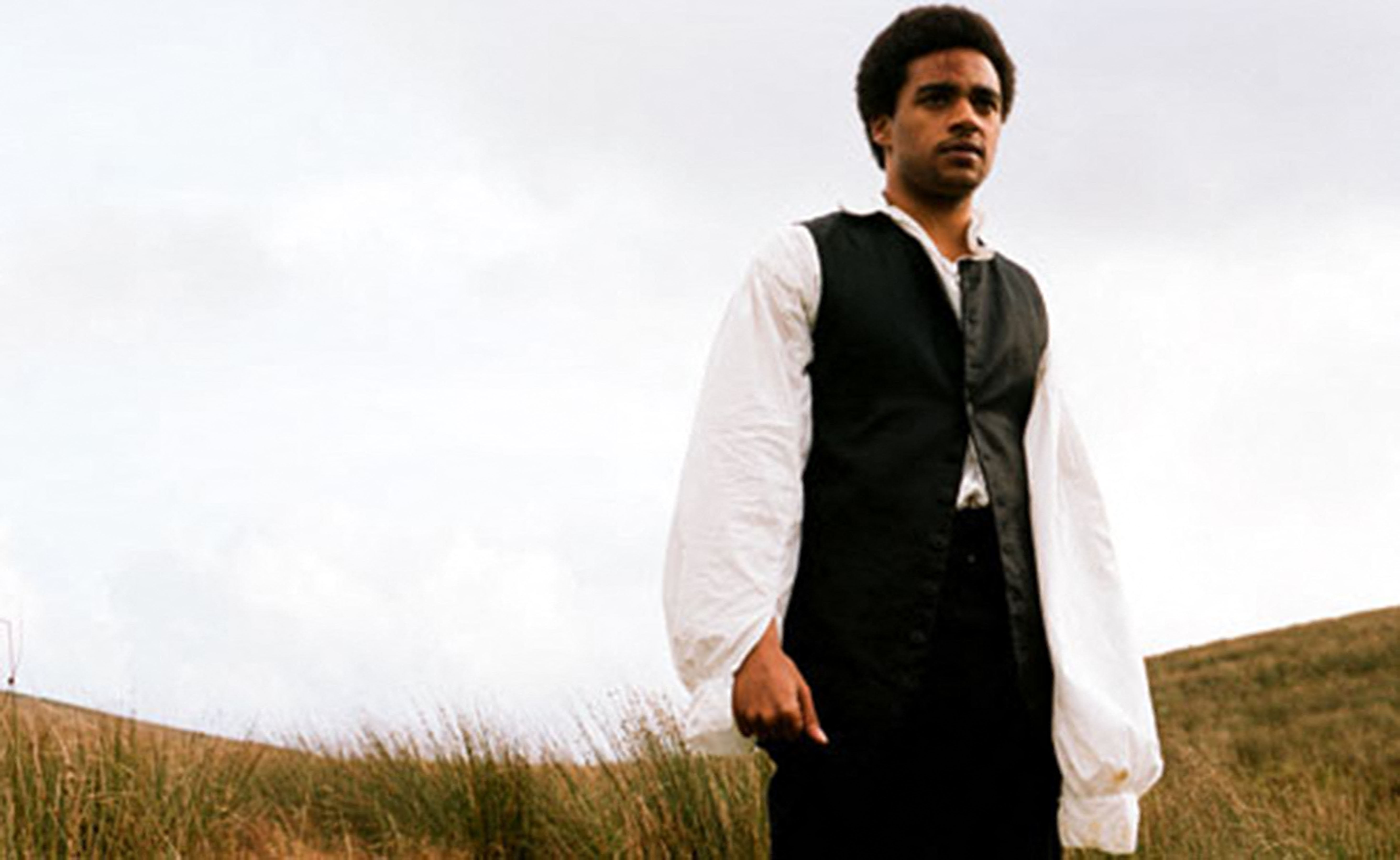
James Howson as Heathcliff in Andrea Arnold’s 2011 film
ALAMY
The other star of Brontë’s book is the Yorkshire moors, lovingly shot for Arnold by her longtime cinematographer Robbie Ryan despite six weeks of unwanted sunshine. “We expected it to be miserably wet,” he says, laughing. “We needed rain for a scene where Heathcliff walks away, but the pipes froze and I had to do it with a watering can from behind the camera.” Even so, the location turned into a mudbath. “I was running around with a 35mm camera in rugby boots and a T-shirt that said There Will Be Mud.” There were animals everywhere. “Tons of dogs, tons of horses. Wuthering Heights is a love story, for sure, but it’s the environment that makes it for me — it should be a shot in the arm of nature.”
Ryan had hated the book, a school set text. “I was a 17-year-old boy from Dublin, I had no interest.” But Arnold’s passion swayed him. “I’ll go anywhere she goes — we have great fun. To be able to transfer what we’d been doing in confined spaces in Fish Tank or Red Road to this great expanse was literally a breath of fresh air.”
• Read more film reviews, guides about what to watch and interviews
He is curious to see what Fennell does with literature’s great fever dream. So what if her Wuthering Heights is more of a vibe than a story? “The cinematography looks great, and they’ve used some of the same locations. But the way the world works now is so different — the way it’s packaged, and pumped for memes, and teased since last summer.”
Brontë died a year after Wuthering Heights was published, aged 30, unrecognised as the author of a book deemed too “wild, confused, disjointed”. Nearly 180 years later she’s a writer for our chaotic times. “Ironically,” Ryan says, “in Brontë’s time people wanted to get rid of a book they thought was too provocative. Now there’s a film being put out there and everybody wants it to be provocative, to be sexy. We can’t wait to see it. I think that’s a good paradox.”
Wuthering Heights is released on Feb 13
Laurence Olivier and Merle Oberon, 1939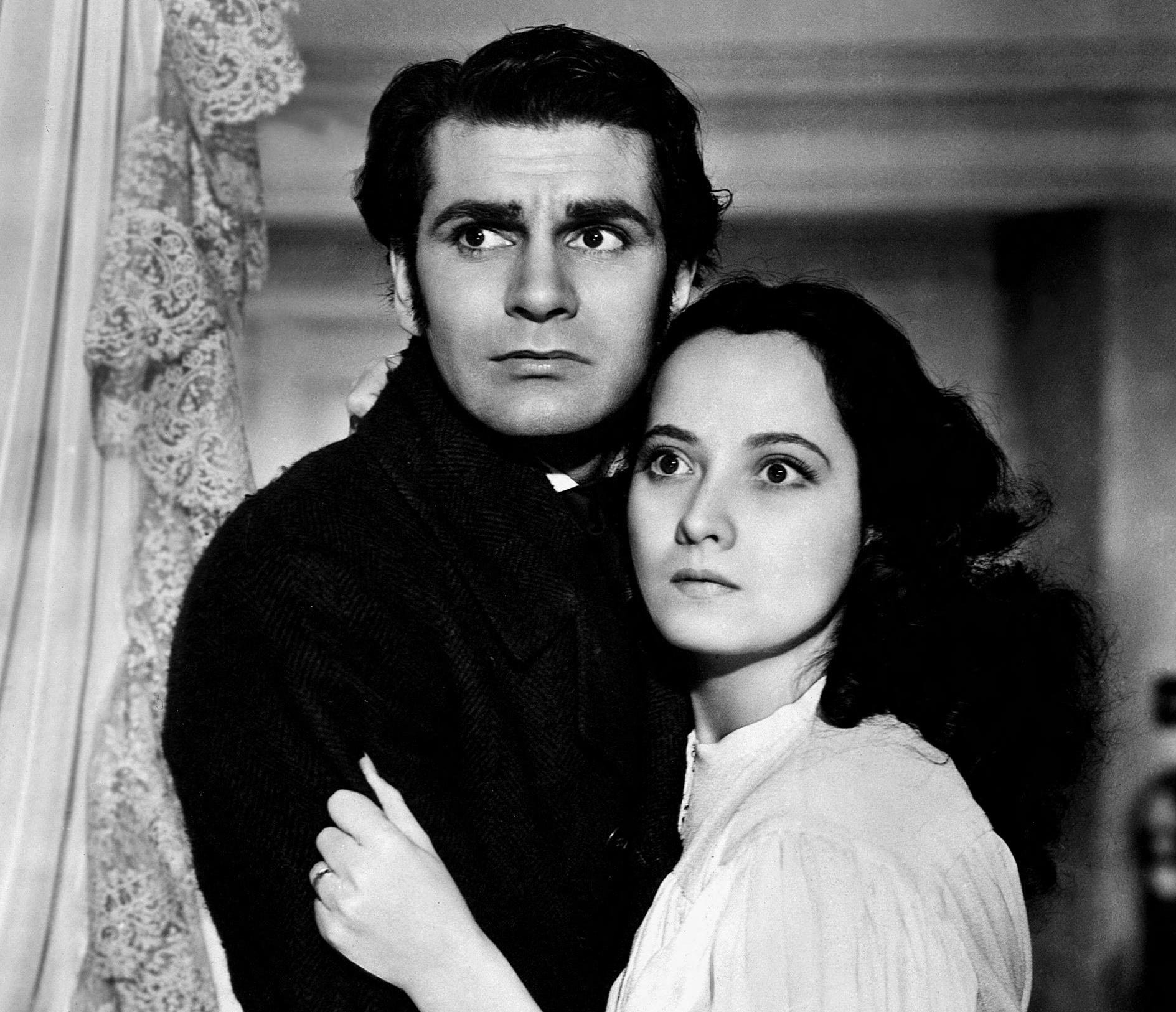
The leads didn’t get on, but you can’t tell in this subtly directed classic. Although the moor scenes were shot on a Californian plain, it still won an Oscar for best cinematography. Prime Video
Kate Bush, 1978
“It’s me! I’m Cathy! I’ve come home”: it’s the earworm Brontë might have written, and for sheer passion and oddness Bush’s Cathy is our most authentic yet. Written when she was 18, it’s best experienced with one of its two high-drama videos.
Ralph Fiennes and Juliette Binoche, 1992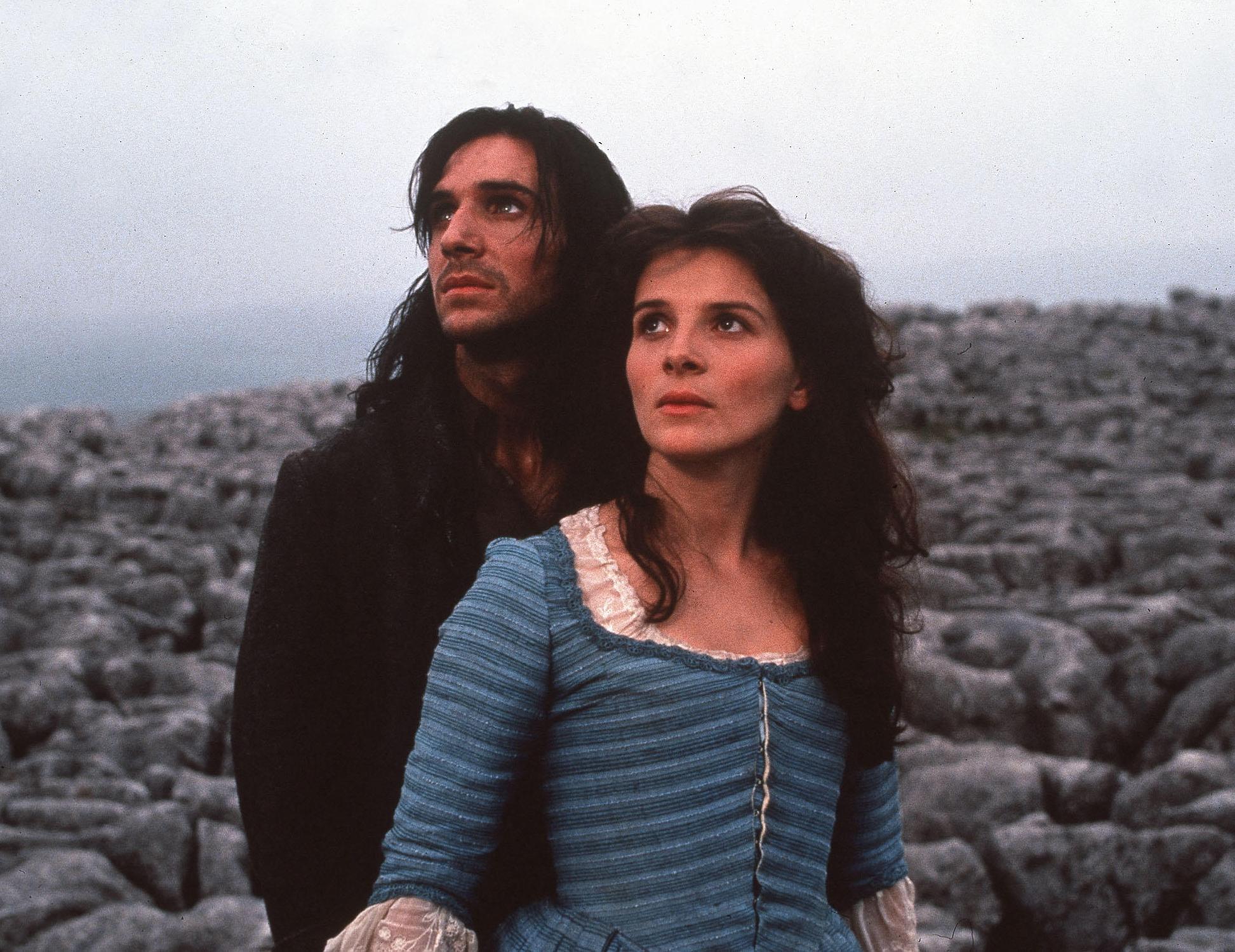
Fiennes’ screen debut was typically intense: he complained when a scene of him bashing his head against a tree was cut. Sinéad O’Connor plays Brontë in a voiceover. Prime Video, Apple TV
James Howson and Kaya Scodelario, 2011
Andrea Arnold dialled down the love story, but it’s hard to beat this one for its windswept, semi-feral Yorkshire beauty, recreating a world closest to Brontë’s own. Prime Video, Disney+
Claire Bloom and Keith Michell, 1962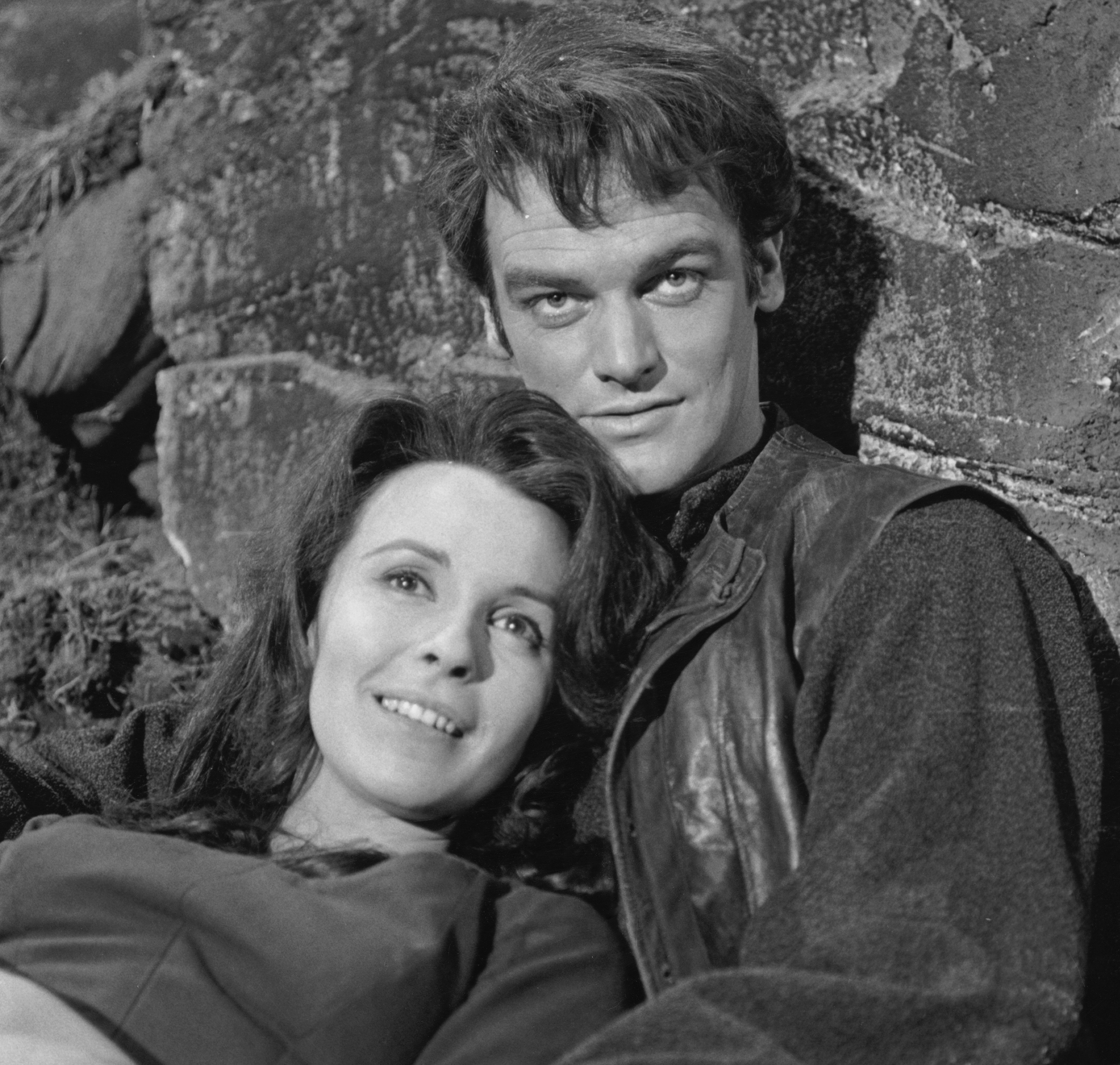
Bloom’s Yorkshire accent may have wobbled, but Dennis Potter, a TV critic at the time, called this BBC adaptation “a thunderstorm on the flat, dreary plains of the week’s television”. It’s not easily available, but worth seeking out. Bloom’s former lover Richard Burton gave his (notably Welsh) Heathcliff in 1958. Available to buy second hand on eBay
What is your favourite Wuthering Heights adaptation? Let us know in the comments below