
(Credits: Far Out / Alamy)
Sun 8 February 2026 16:45, UK
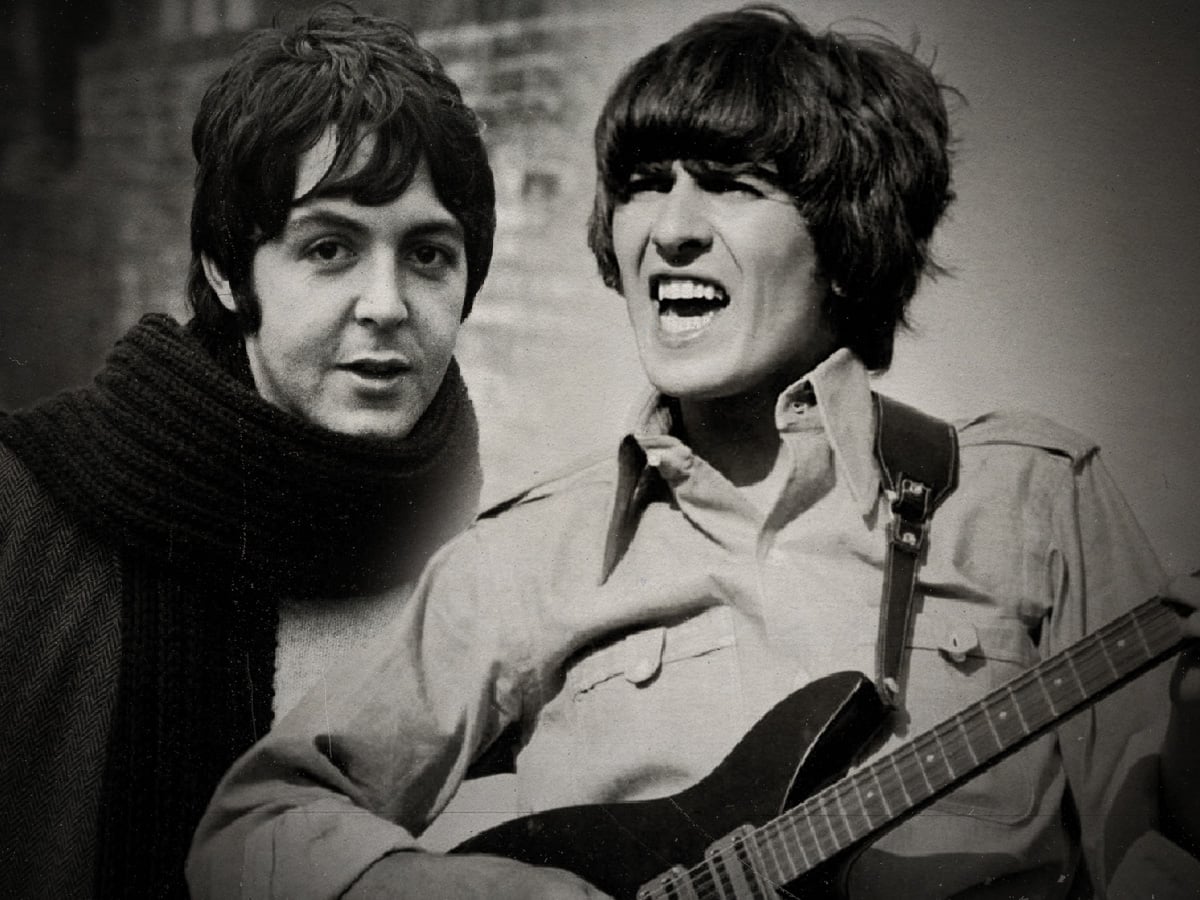
In the shadow of their enormous, unprecedented success story, it is easy to forget that The Beatles were, at their core, four young lads in their mid-20s, largely figuring things out as they went along.
Once that fact is realised, the mounting internal tensions within the group certainly make a lot more sense, particularly as far as their most troubled recording is concerned.
The groups that have tended to stay together the longest, throughout the history of the music industry, have been those with clearly defined leaders – the Mick Jaggers, Debbie Harrys, and Eddie Vedders of the world. By contrast, The Beatles contained at least three incredible songwriters (with apologies to Ringo Starr), all vying for their voices and contributions to be heard. This internal struggle became all the more prevalent post-1966, when the Fab Four resigned themselves to the recording studio on a permanent basis.
Although the focus of The Beatles’ internal fissures tends to focus on records like Abbey Road and Get Back, when the band were rapidly approaching their ultimate breaking point, the White Album sessions were just as tumultuous. Particularly, as it turns out, as a result of John Lennon’s major contribution, ‘Revolution’.
One of the band’s most contentious tracks, both outside the line-up and within, ‘Revolution’ was Lennon’s decrying of violent political revolution, lamenting China’s Chairman Mao and a generation of hippies who had come to worship him. Not only did many of those hippies view the track as a betrayal of the blossoming cultural revolution, but The Beatles themselves weren’t overly sure of the song upon first recording it.
As Lennon himself recalled, per David Sheff’s All We Are Saying, “The first take of ‘Revolution’ – well, George and Paul were resentful and said it wasn’t fast enough.”
 (Credits: Far Out / Public Domain / ingen uppgift)
That first take, appropriately titled ‘Revolution 1’, was the song that eventually made it onto the White Album, along with the wildly experimental ‘Revolution 9’. However, the band were never going to put ‘Revolution 1’ out as a single.
“Now, if you go into the details of what a hit record is and isn’t, maybe,” Lennon explained, seemingly understanding his bandmates’ point of view for once. “But The Beatles could have afforded to put out the slow, understandable version of ‘Revolution’ as a single, whether it was a gold record or a wooden record.”
The songwriter went on, “But because they were so upset over the Yoko thing and the fact that I was becoming as creative and dominating as I had been in the early days, after lying fallow for a couple of years, it upset the applecart.”
Adding, “I was awake again and they weren’t used to it.”
In the end, an entirely different version of ‘Revolution’ made it to the seven-inch presses, with a faster, more hit-friendly version appearing as the B-side of McCartney’s magnum opus, ‘Hey Jude’, which always seemed to stick in the craw of Lennon.
They were, after all, The Beatles; virtually everything they put out impacted the pop charts to some degree, so ‘Revolution 1’ surely would have done the same if it were allowed out. Then again, the faster version does seem more appropriate in terms of the band’s singles, so perhaps Harrison and McCartney did have a point.
Related Topics
The Far Out Beatles Newsletter
All the latest stories about The Beatles from the independent voice of culture.
Straight to your inbox.