
A campaign urging the government to double the income tax threshold for state pensioners to £25,140 has surged to over 90,000 signatures
12:05, 11 Feb 2026Updated 15:03, 11 Feb 2026
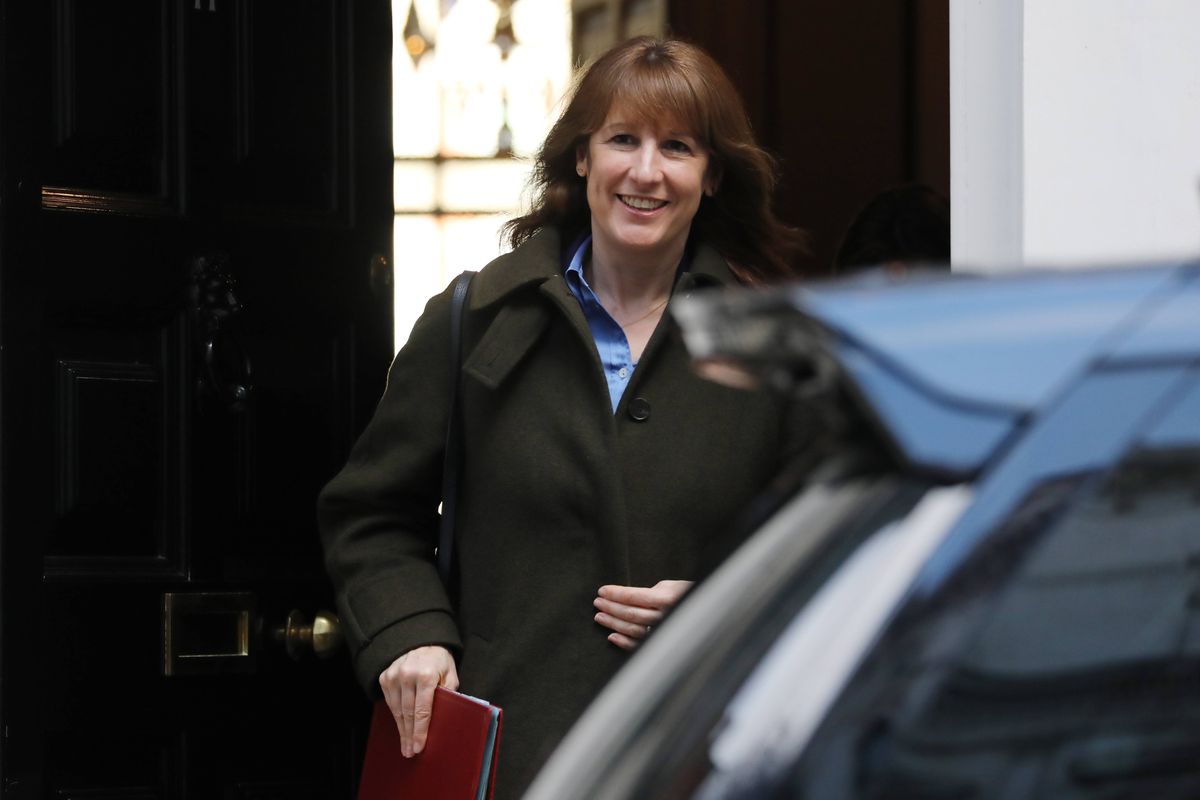
Chancellor Rachel Reeves is coming under pressure to help pensioners by raising income tax thresholds(Image: Getty Images)
Support has grown significantly for a campaign urging Chancellor Rachel Reeves to double the income tax threshold for state pensioners. Currently, the initial threshold permitting individuals to earn without paying tax is set at £12,570.
State pensions are forecast to surpass that limit by 2027 due to the triple lock, according to projections. Ms Reeves has suggested that those receiving only the full new state pension will not receive tax demands – however, millions more will be dragged into paying additional tax.
The campaign calls for pensioners to be granted a separate tax code allowing them to earn £25,140 before paying tax. Should it achieve 100,000 signatures, it will guarantee a debate in Parliament where Ms Reeves’ Treasury will be obliged to defend its position and provide updates on plans.
If the proposal secures a debate, it will place pressure on Ms Reeves ahead of her Spring Statement, which has been confirmed for March 3.
Over just the last fortnight, it has risen by more than 40,000 signatures, taking the total to 90,853, meaning it is on the brink of securing the debate. The proposal suggests that pensioners should be permitted to earn £25,140 before paying tax – double the £12,570 personal tax allowance.
Ms Reeves has said: “The spring statement will not make an assessment of the Government’s performance against the fiscal mandate”. Instead it “will provide an interim update on the economy and public finances”, following the budget at the end of November.
In her second budget, the Chancellor unveiled £26 billion-worth of increases spanning multiple taxes, in what was characterised at the time as a “smorgasbord” approach designed to create greater headroom for her spending and borrowing proposals.Amongst the measures was a freeze on income tax thresholds, which came after suggestions that the headline rate of the levy could be raised for the first time in decades.
This locked the lower threshold of personal tax allowance at £12,570 until 2031 in a decision which could impact state pensioners.
A limit on salary sacrifice arrangements, such as voluntary enhanced pension contributions, and the “high-value council tax surcharge”, a so-called “mansion tax” on properties in England valued at more than £2 million, were also amongst the increases.
The Treasury has provided a response to the tax threshold pensioners campaign, and should it attract 100,000 signatures, it will prompt a parliamentary debate where Treasury officials would be required to present their proposals and defend the current policy.
The petition garnered an official response recently – shortly after Chancellor Rachel Reeves prolonged the threshold freeze until 2031 – which means those claiming the full new State Pension will incur tax obligations from 2027, provided the triple lock mechanism, guaranteeing annual rises of at least 2.5 per cent, stays in place.
The petition, which can be accessed here, has gathered 54,304 signatures – prompting an official Treasury response. Timothy Hugh Mason, who initiated the campaign, stated: “We want the government to introduce a new tax code for state pensioners, set at double the basic threshold. If this was implemented, pensioners would receive a higher tax-exempt limit, but wealthier pensioners would still pay tax.
“We think that people with small private or workplace pensions are currently being taxed unfairly. ” The Treasury has confirmed that decisions concerning those solely receiving the full new state pension and the £12,570 personal tax allowance will be taken in 2026.
During her Budget speech in November, Ms Reeves committed to exempt those who receive the full new state pension from taxation and the need to complete tax returns, although she didn’t outline how this would be achieved. The Treasury has now disclosed it will formulate a plan in 2026.
In an official statement, the Government said: “As announced at the Budget, the government will ease the administrative burden for pensioners whose sole income is the basic or new State Pension without any increments so that they do not have to pay small amounts of tax via Simple Assessment from 2027-28, if the new or basic State Pension exceeds the Personal Allowance from that point.
The government is exploring the best way to achieve this and will set out more detail next year. ” In response to proposals to increase the minimum tax threshold for pensioners to £25,140, the Treasury stated: “The State Pension is the foundation of support for pensioners.
The Government is committed to a fair tax system but doubling the Personal Allowance for pensioners would be untargeted and costly. “The department went on to say: “The State Pension is the foundation of support available to pensioners.
The government is committed to the Triple Lock – one of the most generous State Pension uprating mechanisms in the world – for the duration of this Parliament. This will increase the basic and new State Pension by 4.8% next April, boosting pensioner incomes by up to £575 a year and strengthening retirement security.
“Officials continued: “The Personal Allowance is already the highest amongst G7 countries. Doubling this allowance for all pensioners would be costly and untargeted – disproportionately benefiting higher-income pensioners.
“The triple lock system is expected to raise the full new State Pension from £230.25 to £241.30 per week (£12,548 per year) from next year, positioning it just beneath the threshold.
Money-saving expert Martin Lewis has highlighted that the full new State Pension sits at £12,558 whilst the personal allowance remains frozen at £12,570 until 2031 – the sum individuals can earn each year before paying tax.
Mr Lewis has noted that from April 2026, the new state pension will be £30 below the allowance. He elaborated: “So anyone who’s got any other form of earnings – well, you’re going to go over it if you’ve got the full new state pension, you will have to pay tax. “”But from 2027 because we know the state pension has to rise by a minimum 2.5 per cent because of the triple lock here’s a projection.
The minimum it could rise because of the triple lock 2027 it’s going to be about £12,861, £300 more than the tax free allowance as that’s staying stable and it will go more and more and more. “.
To view and sign the petition click here.