
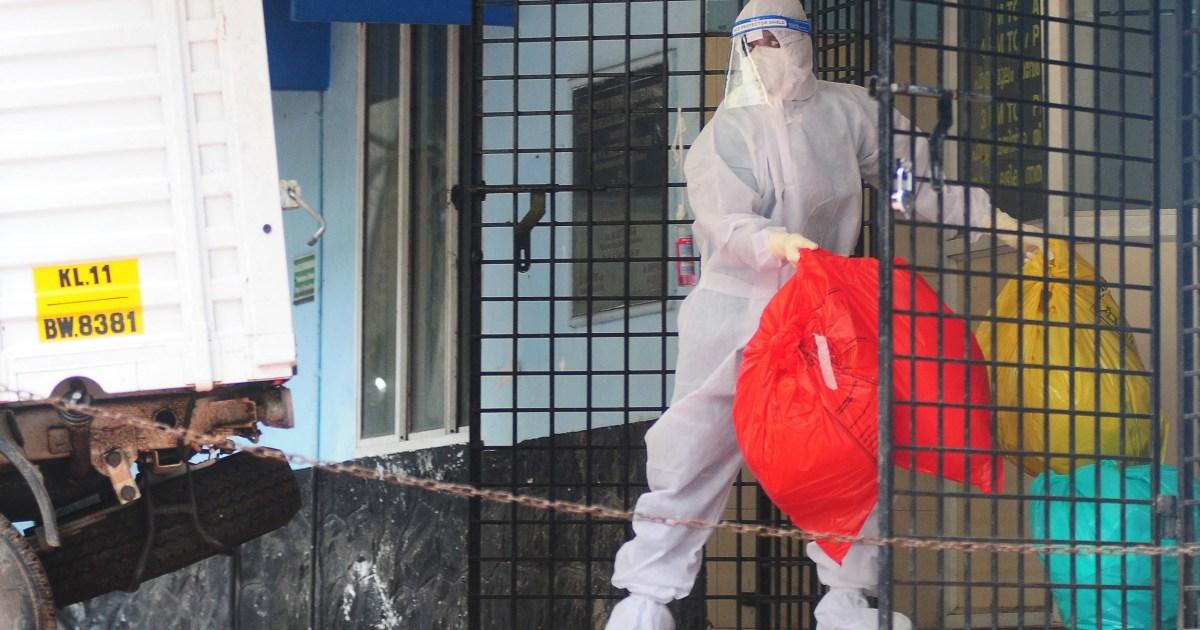
The virus spreads through fruit bats (Picture: AFP)
One of the two people infected with Nipah virus in India has died.
An unnamed nurse, 25, became infected with the rare, brain-damaging virus in late December after coming into contact with infected date sap.
While her colleague, who was also sickened with Nipah, was discharged last month, she fell into a weeks-long coma and died Thursday.
Her cause of death was a lung infection and cardiac arrest – when the heart suddenly stops beating – according to Indian news outlet PTI.
A health official said: ‘Though she had recovered from Nipah infection, she was suffering from multiple complications.’
Sign up for all of the latest stories
Start your day informed with Metro’s News Updates newsletter or get Breaking News alerts the moment it happens.
The nurse’s death marks the second reported death from Nipah since a small outbreak began in West Bengal.

Some countries have rolled out Covid-style health checks (Picture: Reuters)
What is Nipah virus?
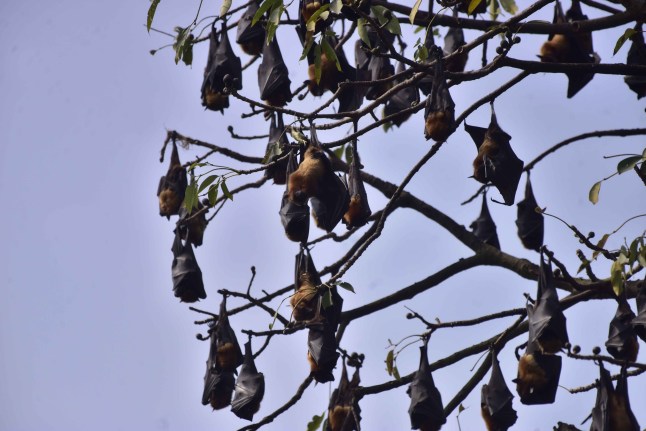
The virus is spread by fruit bats, also called flying foxes (Picture: Anuwar Hazarika/NurPhoto/Shutterstock)
Nipah virus is an epidemic threat carried by fruit bats, which has killed dozens of people in Asia over the last few decades.
It’s spread to humans through contact with the bodily fluids of fruit bats, such as eating fruit or sap they have urinated on.
Other animals can also get infected with Nipah from bats and pass it onto humans in slaughterhouses.
Between 45% and 70% the people who are infected die. It has no vaccine and no cure.
The World Health Organization (WHO) said last week that a woman in Rajshahi, Bangladesh, died from the virus.
WHO said no people the patient came into contact with tested positive for Nipah, also called NiV.
Countries including Thailand, Nepal, Taiwan and Pakistan have rolled out Covid-style health checks in airports to help contain the spread.
Should the UK be worried about Nipah virus?
The WHO, as well as health experts Metro has spoken with, have stressed that the risk of a pandemic is low.
Dr Efstathios Giotis, a lecturer in life sciences at the University of Essex, stressed that Nipah outbreaks have always been ‘geographically limited’.
‘At present, the Nipah virus does not pose a risk to the UK,’ Dr Giotis said.
‘While viruses can change over time, Nipah does not currently spread easily between humans, which makes a global pandemic unlikely.
‘Ongoing surveillance, rapid outbreak response, and strong public health systems remain key to keeping the risk low.’
Historically, there have been no confirmed cases outside Bangladesh, India, Malaysia, the Philippines and Singapore.
The UK Health Security Agency says that people travelling to countries with reported cases of Nipah should steer clear of fruit bats.
Officials advise washing fruit before consumption and avoiding consuming raw or partially fermented date sap and to wash.
There is no mention of Nipah in the Foreign Office’s travel advice for India.
Get in touch with our news team by emailing us at webnews@metro.co.uk.
For more stories like this, check our news page.
Arrow
MORE: More than 60 children left infected with ‘fast spreading’ measles in London
Arrow
MORE: Drivers to be banned from vaping in cars if their children are with them
Arrow
MORE: I thought I was resistant to Mounjaro — but I had a rare 12kg tumour
Comments
Add Metro as a Preferred Source on Google
Add as preferred source
News Updates
Stay on top of the headlines with daily email updates.