
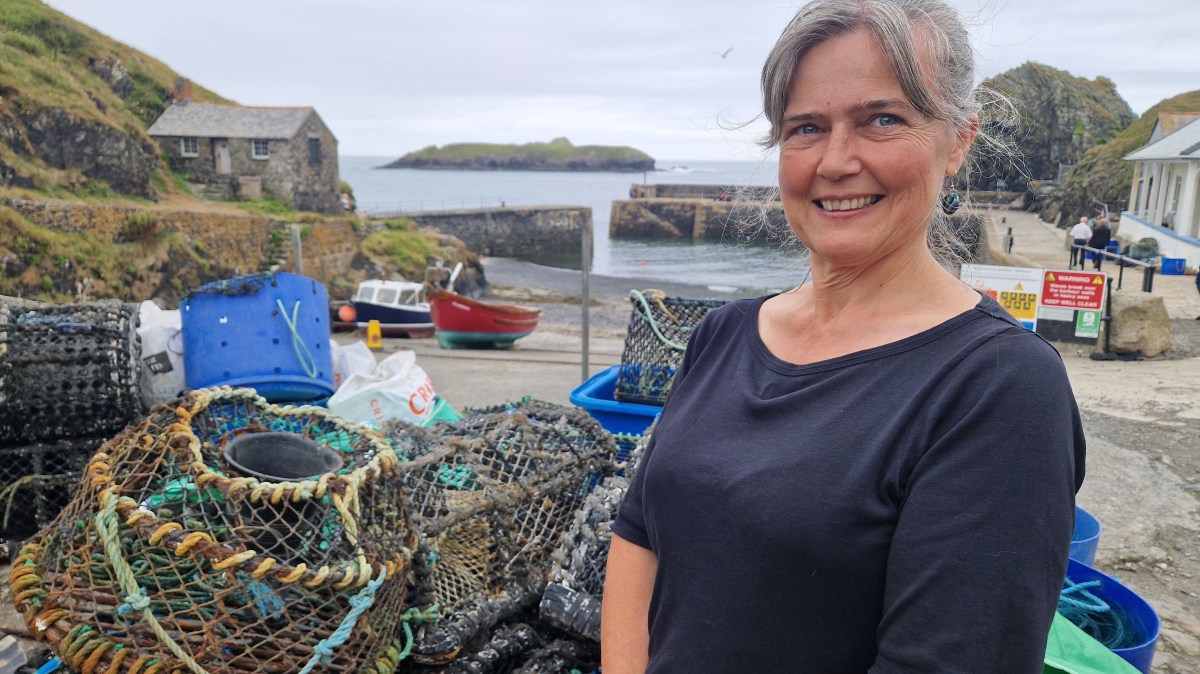
The owner of a Cornish beach café has described being left feeling “sick” reading the depiction of the business in The Salt Path.
Joanna Cocking, 51, said she was shocked when she read that the person running the small café, her mother, was depicted as a bully.
“When I got sent the bit of the book that we were in, I just felt sick. I just wanted to write to the publisher and say: ‘You can’t write this.’”
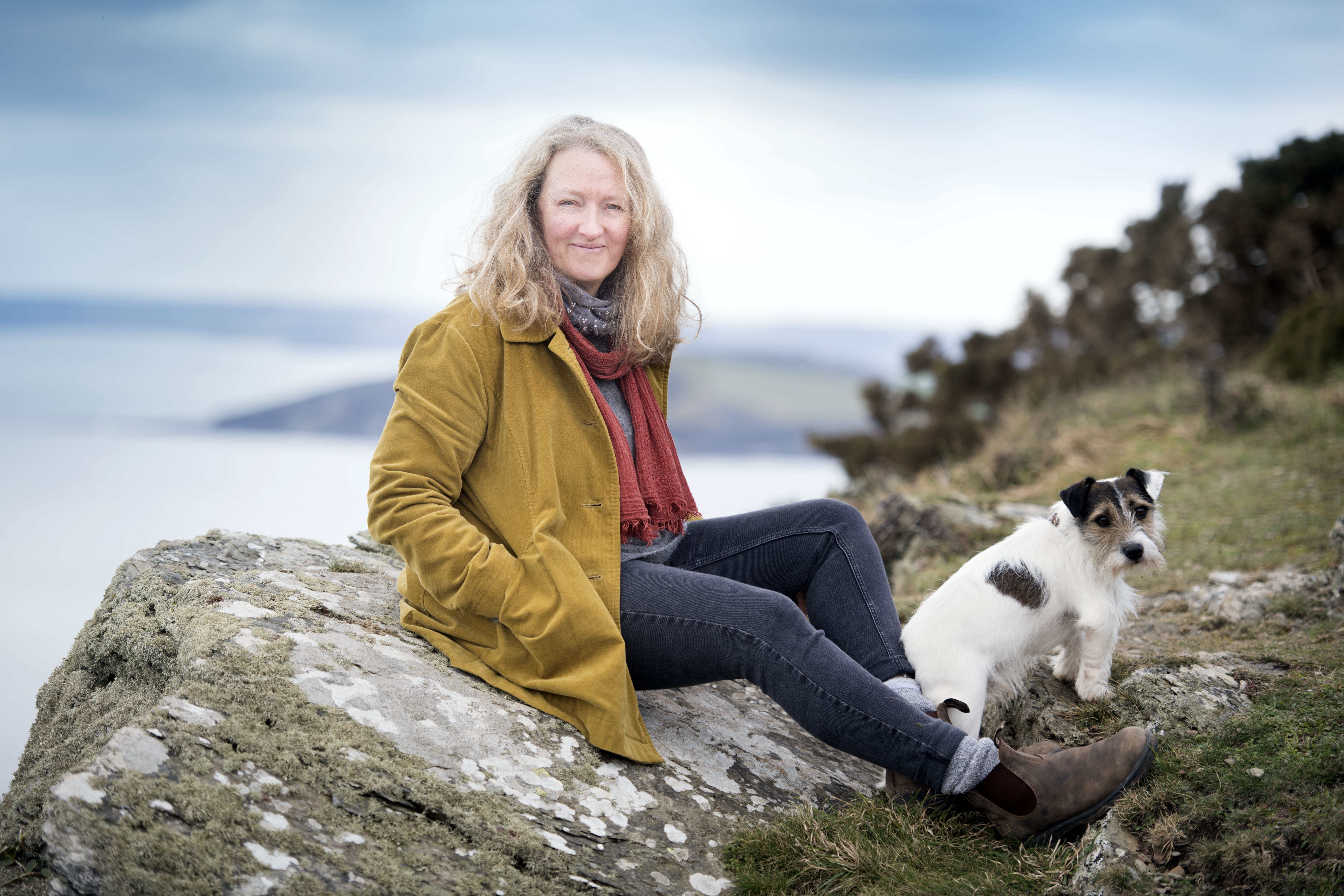
Raynor Winn’s The Salt Path was presented as a true story but has come under intense scrutiny
ADRIAN SHERRATT FOR THE TIMES
She said that she was sure there must be some mistake, especially as the café in Porthmellin wasn’t mentioned by name, but there is only one such establishment in Mullion Cove.
The bestselling memoir by Raynor Winn, which was recently adapted into a film, was presented as a true story by its author, but has come under huge scrutiny after claims that significant details were omitted or exaggerated.
In the book Winn described how, having lost their home, she and her husband Timothy — known as Moth — walked the 630-mile (1,014km) South West Coast Path, camping along the way.
On the journey they stopped at Cocking’s café on the Lizard peninsula, which at the time was run by her mother.
“A man in his twenties waited tables, cleared tables, politely dealt with grumpy customers, cut cakes, swept the floor,” Winn wrote, before describing the arrival of the angry owner. “What the f*** do you think you’re doing? There’s two tables out there uncleared. What do I pay you for? You’re f***ing lazy.”
According to the book, the waiter gives the couple a free panini each before announcing that he was quitting. In Winn’s account, the young man then locked up and dropped the key through the letterbox.

Gillian Anderson as Winn and Jacob Isaacs as Moth in the film of The Salt Path and, below, Mullion Cove
ALAMY
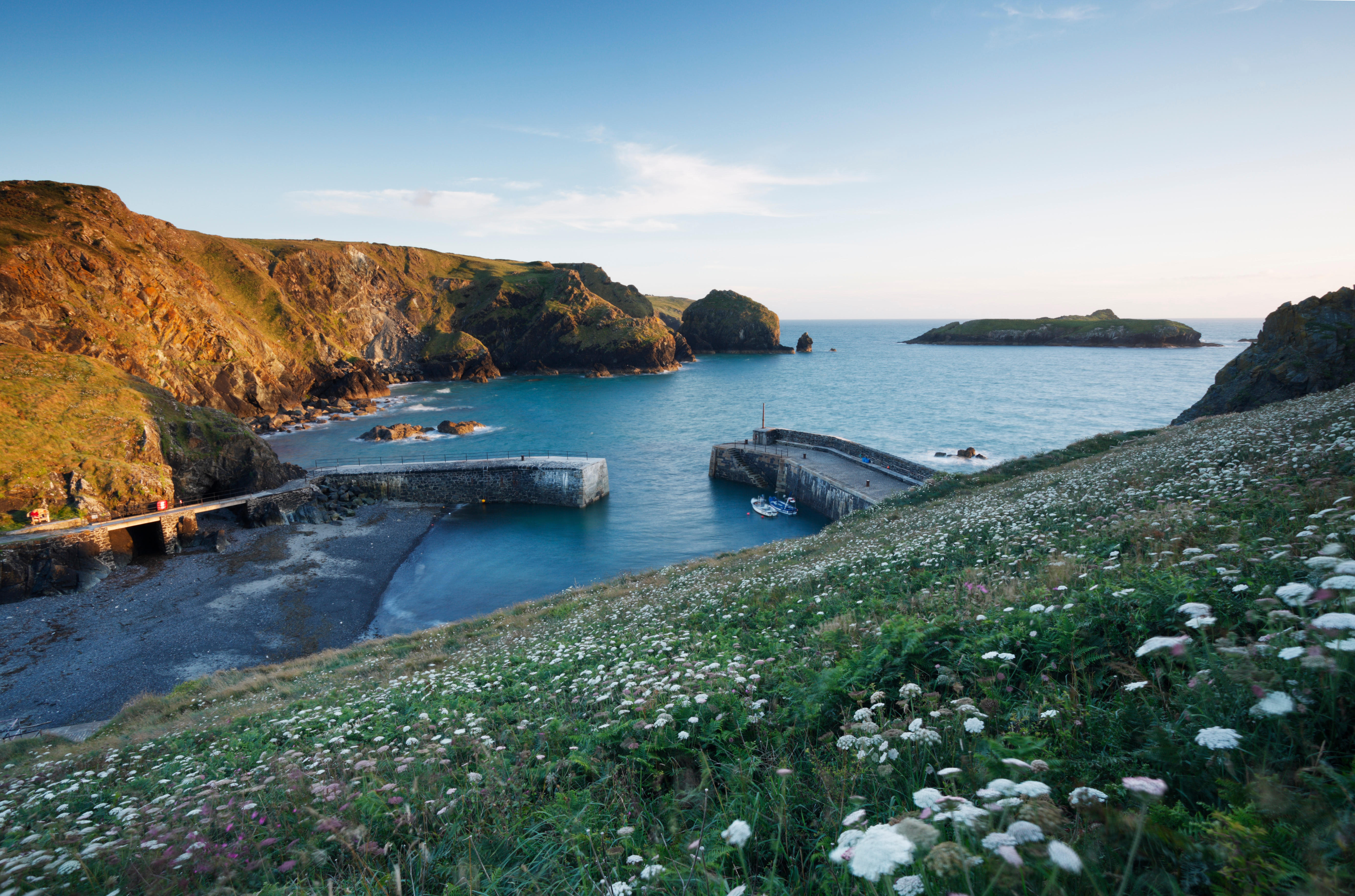
Cocking told The Observer: “When I read that, I was thinking: ‘That can’t be us.’ I was absolutely mortified. She never named the café but she might as well have because there is only one café in this cove.”
According to Cocking, the fact that there is a café in Mullion Cove is the only thing in Winn’s description that is accurate. She said: “No one could sweep the floor [in the café] because it’s been carpeted for years. My mum, who owned it, was a typical old Cornish woman and she never swore or spoke like that. She was there all day and no way would mum let a youngster lock up.”
Cocking said there had been few male waiting staff over the years and nobody had walked out. There was no letterbox in the door and the café has never served paninis. “I don’t think she ever came to our café, I really don’t,” she said.
The publisher, Penguin Michael Joseph, has described Winn’s book as “unflinchingly honest” but large parts of the tale have been called into question after serious distortions emerged. The author painted herself as a victim yet has now admitted she “made mistakes” after being accused of stealing from her employer.
• What The Salt Path author Raynor Winn told me about honesty
Other parts of the couple’s journey have also been called into question. Early in The Salt Path, Winn described the couple attending a pub quiz in Westward Ho!, a small village on the north Devon coast. “We found ourselves sitting in a dismal bar overlooking a concrete walkway where children dodged waves as they broke over the sea wall,” she wrote.
Rob Braddick, the owner of the Fairway Buoy, the only pub fitting Winn’s description, has said that the pub had never hosted any kind of quiz. The manager of the Treen Farm campsite, 15 miles across the peninsula, has also cast doubt on his interaction with the couple and how he was portrayed as a “frustrated box ticker”.
Winn told The Observer, via her lawyers: “The Salt Path is an honest account of what we lived through on the path, and I stand by it.”