
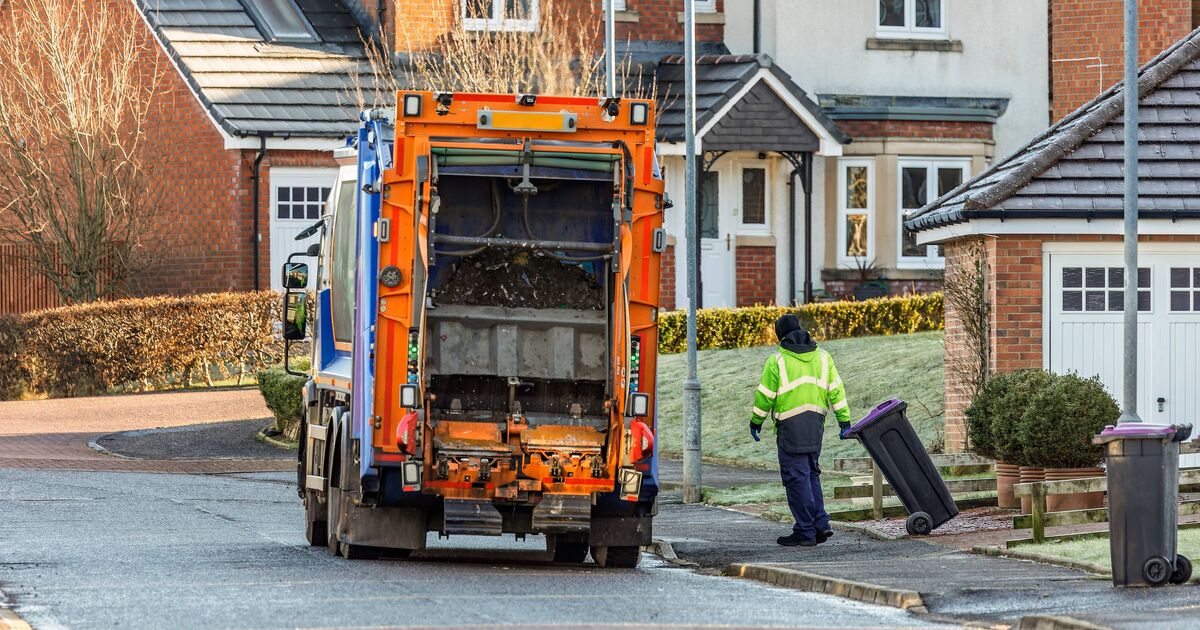
All households in England will see a big change in recycling rules from the end of March (Image: Getty )
A major change is almost upon the UK, and it brings a mandatory rule for homes to have a minimum of four bins from March 2026. Officials have confirmed that people across England will need to change their recycling habits within a matter of weeks.
The Simpler Recycling initiative means that the new standard requirement for most homes and businesses will be four separate bins. When the scheme was announced, officials said it would also eliminate the ‘postcode lottery’ of bin collections across England, where councils gather different materials for recycling, causing confusion amongst households.
As previously reported by the Express, under the proposed plans, the four types of waste containers are for:
residual (non-recyclable) wastefood waste (mixed with garden waste if appropriate)paper and cardall other dry recyclable materials (plastic, metal and glass)
All households, including flats, must have the above collected by March 31, 2026. Plastic film packaging (such as crisp packets) and plastic bags will need to be included with plastic recycling from March 31, 2027.
READ MORE: Households paid to take bottles back to Tesco, Asda, Morrisons and Sainsbury’s
READ MORE: Two missed bin collections and my front garden has become a local dumping ground
Last year, Parliamentary Under-Secretary of State for Nature, Mary Creagh, said: “We have set out that every local authority will be required to collect food waste for recycling by March 31, 2026. Commencement regulations named a total of 31 local authorities that were provided with a bespoke transitional arrangement, delaying food waste collection requirements.
“It was deemed that these local authorities needed longer to implement separate food waste collections for households due to barriers presented by long-term residual waste disposal contracts that run beyond March 31, 2026. We engaged extensively with affected local authorities.
“Where the evidence demonstrated that existing long-term waste disposal contracts presented an unavoidable barrier to the introduction of food waste collections by March 31, 2026, transitional arrangements were provided by Defra. We will continue to work with local authorities to identify whether they can bring forward food waste collections and the associated benefits before the end of their bespoke transitional arrangement.”
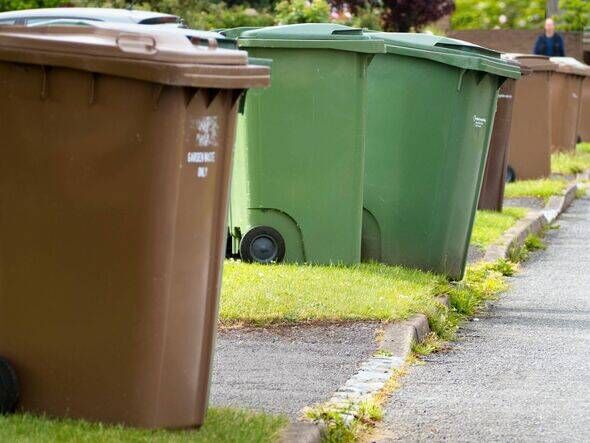
All households in England will see a big change in recycling rules from the end of March 2026 (Image: Planet One Images, Planet One Images/UCG/Universal Images Group via Getty Images)
Earlier this year, the Department for Environment, Food and Rural Affairs set out items which councils are not obliged to collect under the new system. They can be broken up into five categories, and Brits need to be fully aware of what will and won’t be allowed in their bins soon.
Glass:
Councils do not need to collect any glass not used as packaging. This includes:
candlesdrinking glassesflat glassglass cookware (such as Pyrex)light bulbs and tubesmicrowave platesmirrorsvaseswindow glassceramics, such as crockery or earthenwarePaper and card:
Councils do not need to collect:
food and drinks cartons made of a fibre-based composite (these should be collected in the plastic stream)absorbent hygiene products (AHPs) including nappies, period products and incontinence productscotton wool or makeup padstissue or toilet paperwet wipes Get top stories from The Express sent straight to your phone Join us on WhatsApp
Our community members are treated to special offers, promotions, and adverts from us and our partners. You can check out at any time. Read our Privacy Policy
Food waste:
Councils do not need to collect any plastic packaging or non-packaging items labelled as ‘compostable’ or ‘biodegradable’, including coffee pods. Food waste caddy liners used to hold food waste can be collected.
Garden waste:
Councils do not need to collect:
animal beddingbulky waste (including garden furniture and fencing)garden tools or other gardening equipmentplant potsplasticsandsawduststone, gravel or brickstea bags or coffee groundsbranches and trees over a certain size may have to be cut into smaller pieces to follow local guidanceMetal:
Councils do not need to collect:
laminated foil, like pet food pouches and coffee poucheselectrical items and batteriesgeneral kitchenware like cutlery, pots and panskettlesironspipesmetal packaging that has contained white spirits, paints, engine oils or antifreeze
For more information on the items councils do not collect, click here. For more information on the Simpler Recycling project click here.