
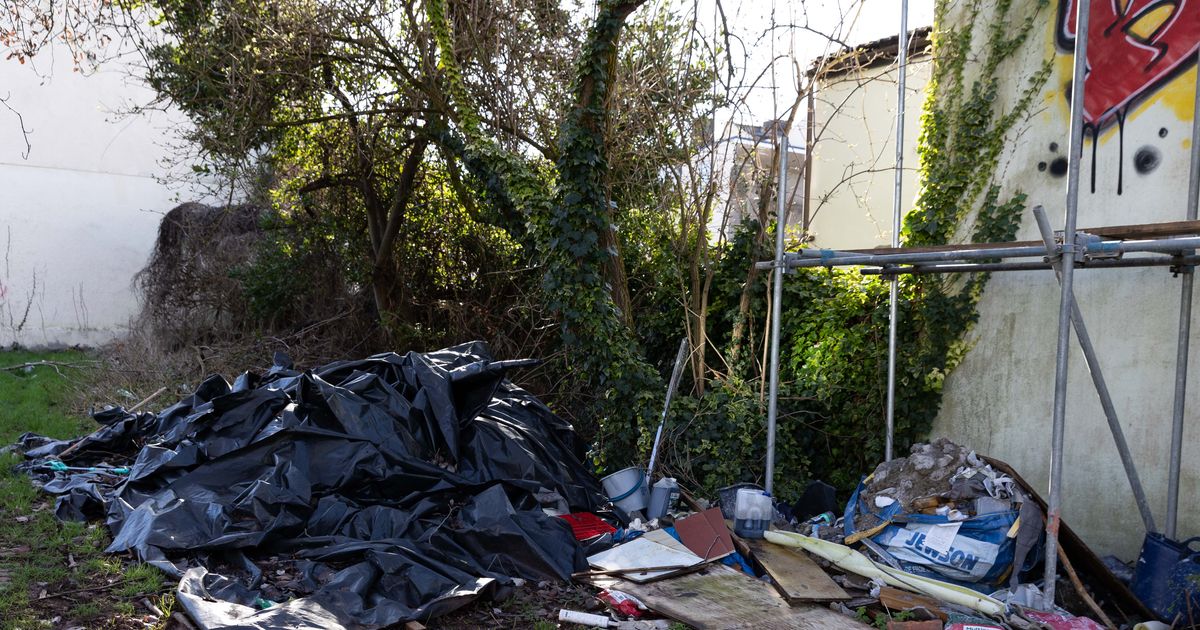
Over 11,500 piles of illegally-dumped rubbish were cleared last year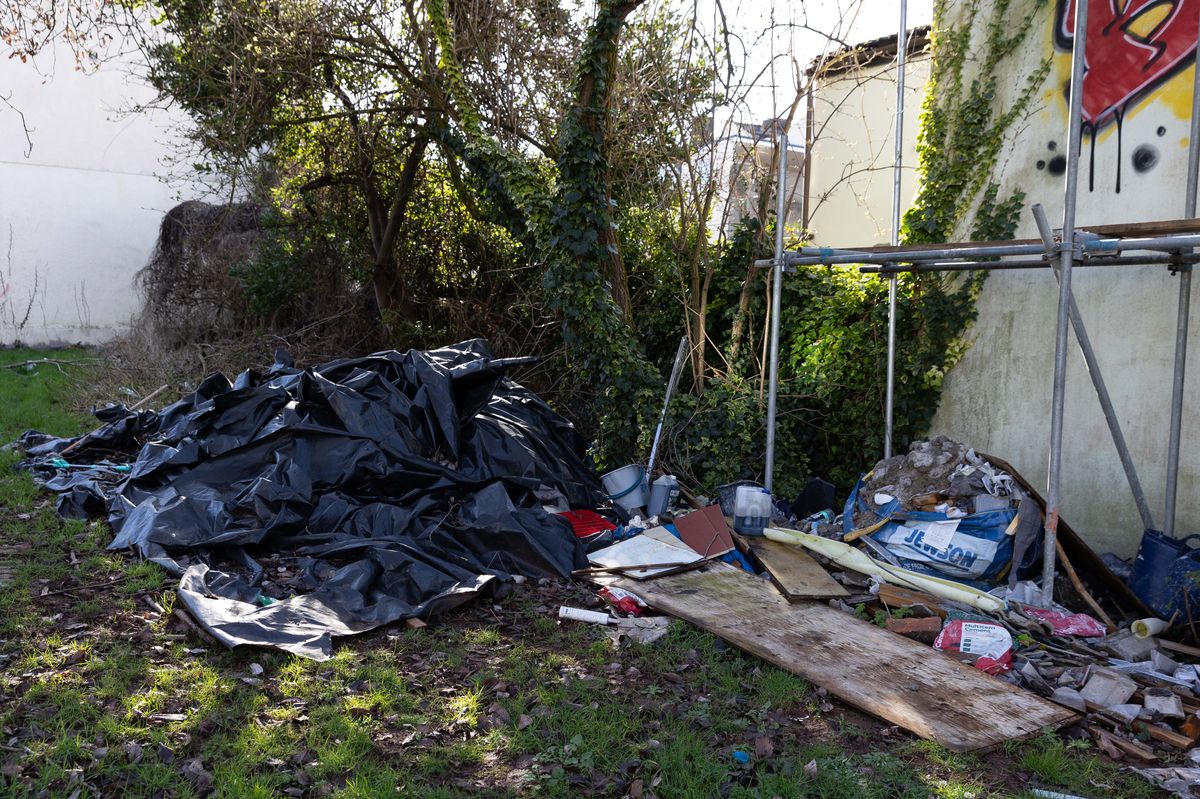
Fly-tipping is damages the environment and is a drain on council resources
The scourge of fly-tipping is costing the council more money every year, with the number of tips continually on the rise.
According to recent estimates, the cost of investigating and clearing illegally-dumped rubbish in Bristol is nearly £1m a year.
Data compiled for Bristol Waste Company’s Impact Report for 2025 showed 11,588 fly tips were cleared last year, in 2024 the figure was 10,315.
Bristol Waste Company’s Operations Director, Ricky Gayfer, said: “Fly-tipping isn’t just an eyesore — it drains nearly a million pounds from Bristol each year. That’s public money lost, money which should be going to core services for Bristol residents.
“Our teams are on the ground every day dealing with the fallout, backed by our council enforcement partners. But the truth is, we can’t solve this alone.
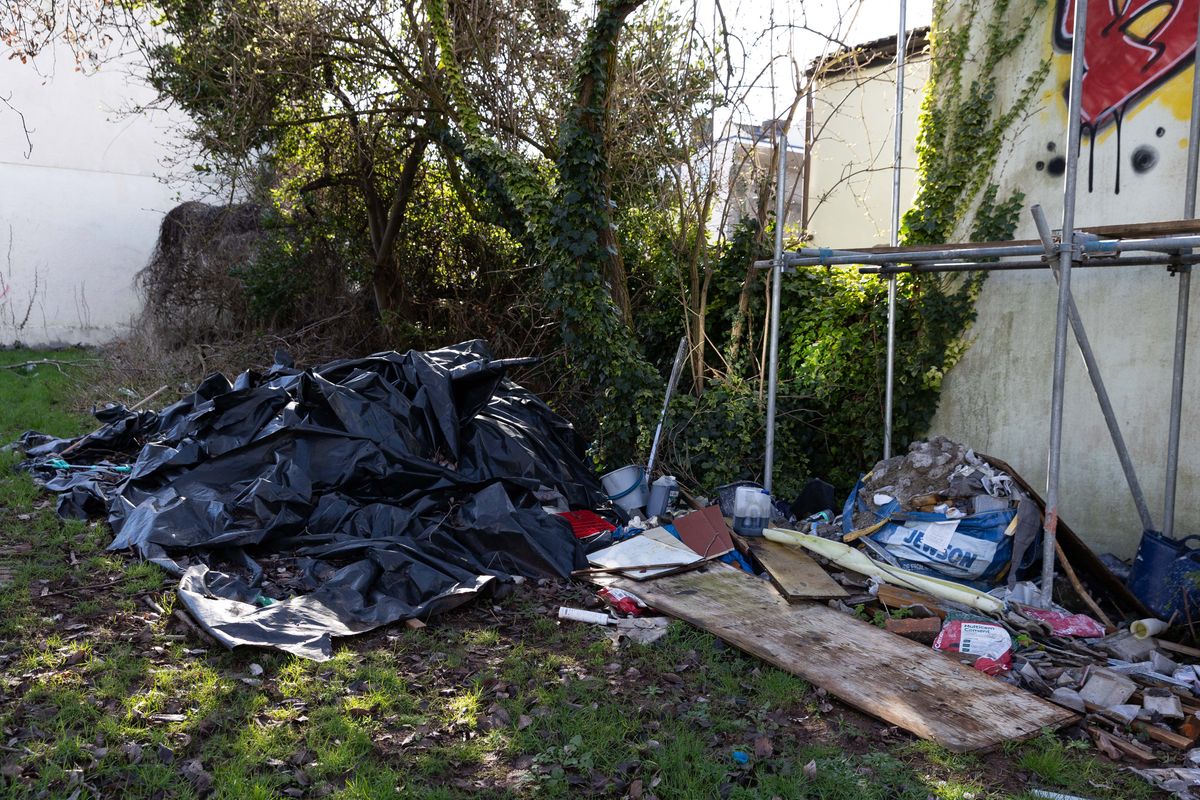
Fly-tipping is damages the environment and is a drain on council resources
“Residents are key here: take your items to your local recycling centre, book a bulky collection online, or get the help of a registered waste carrier but be careful.
It is the responsibility of an individual or business to make sure anyone they pay to take their rubbish away is licensed to do so.
“If you don’t, and your waste is found dumped, you could face fines and prosecution,” Mr Gayfer said.
“Always use licensed waste carriers, never take risks with rogue traders. I’d ask everyone to do the right thing — help us protect Bristol’s neighbourhoods.”
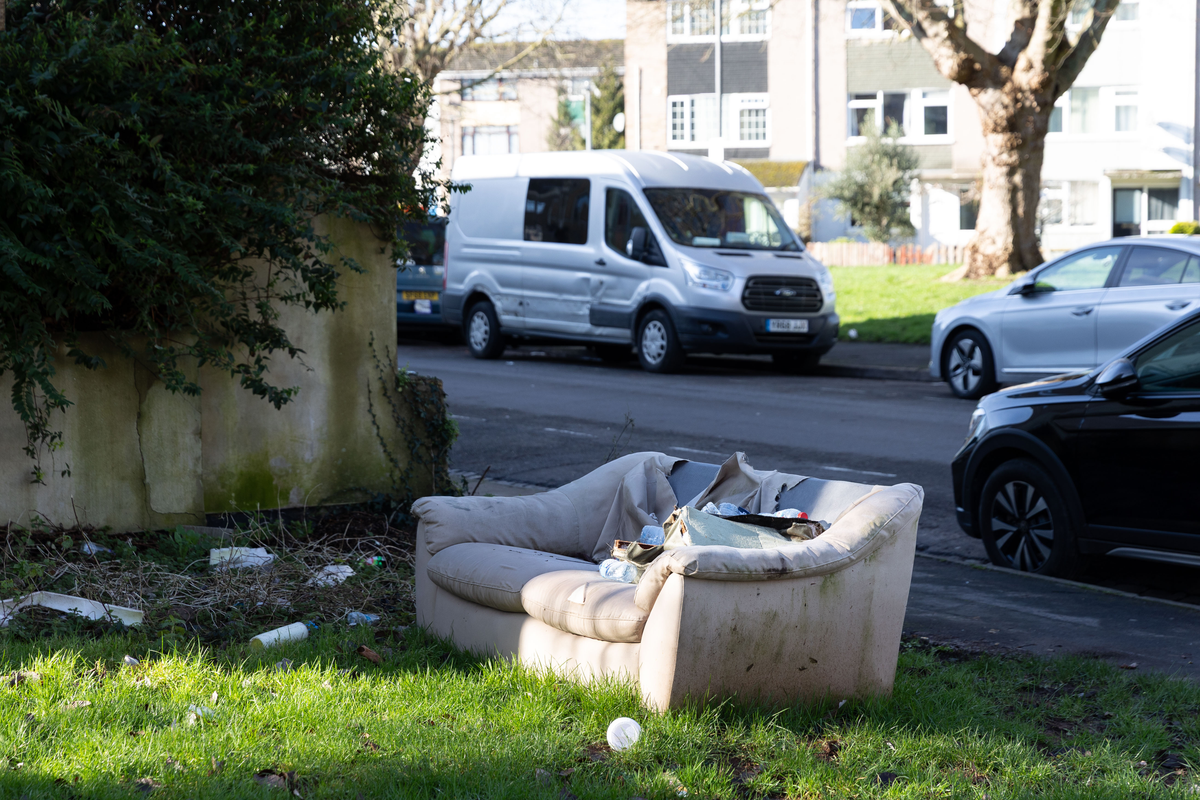
Sofas and other furniture items are commonly dumped illegally
In an effort to combat fly-tipping, a Bristol Waste spokesperson said it was working with Bristol City Council to raise awareness and communicate ways to legally clear waste such as through the BCC bulky waste service, which costs £26 for three items, or the free-to-use Household Reuse and Recycling Centres in St Philips, Hartcliffe and Avonmouth.
Planning is also underway for this year’s edition of the Great Bristol Spring Clean, scheduled to run from March 20 until April 20.
Fly-tipping has also been linked to organised crime, with gangs making huge amounts of money charging people and businesses to take waste away and then dumping it illegally.
It isn’t just councils who lose out on money due to fly-tipping, but the Treasury as well.
The government charges a Landfill Tax on all waste disposed of via landfill, so fly-tipping denies it this revenue stream. From April 1, the standard rate in the UK will be £130.75 per tonne.
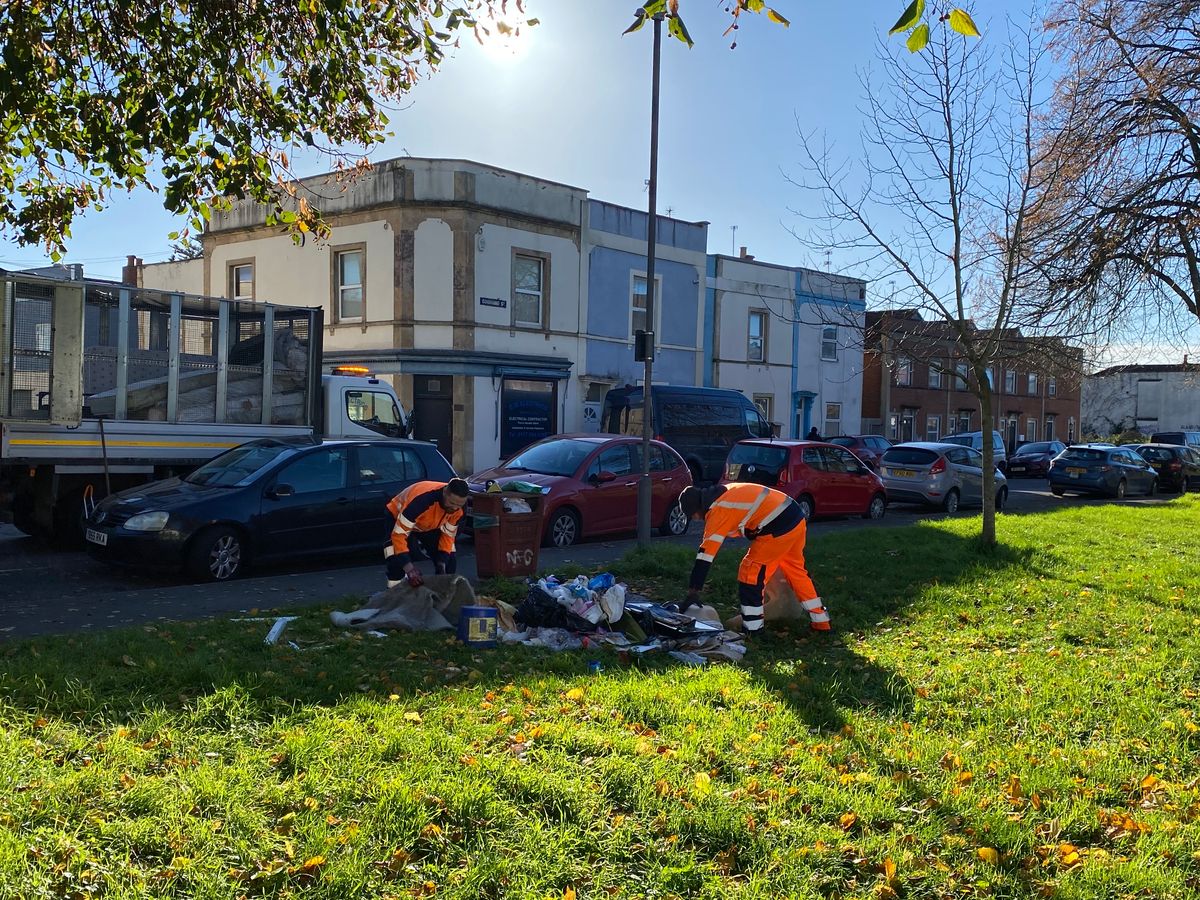
Bristol Waste workers clear a pile of illegally dumped rubbish in St Jude
The exact tonnage of fly-tipped waste in Bristol each year is difficult to assess. Bristol Waste reported it had cleared 1300 tonnes worth of waste in the 2023/24 financial year.
However, the true figure is likely to be a lot higher, as BW does not clear waste from private land, commercial businesses or highways. Analysis undertaken by commercial waste management company Business Waste suggests just under 2,400 tonnes of rubbish was dumped in Bristol in 2023/24, potentially costing the Treasury hundreds of thousands of pounds.
Mark Hall, a director at Business Waste, said: “While landfill tax has risen year on year from 2012 to 2024 to encourage the diversion of waste to more sustainable routes, this also means the cost of fly tipping has risen significantly.
“When we discuss fly tipping, we often note the cost for cleanup, and the environmental toll created by illegal dumping. While both of these are important considerations, we rarely look to evaluate how much tax money the Treasury has lost due to fly-tipping activity.
“This is important as the money raised can go to supporting environmental initiatives, or to supporting wider community needs like healthcare and infrastructure. Not only does the public pay for the cleanup of illegal waste, but they also lose out on vital tax funds.”