
In 2022, encouraged by the rapid sales of bikes and e-bikes during the Covid pandemic, US-based private equity giant KKR struck a €1.8 billion deal to take over Accell Group, the parent company of Raleigh, Babboe, Lapierre, and a host of other cycling brands.
But just four years on from that high-stakes lockdown-era bet, KKR has announced this week that it is stepping away from Accell and handing its remaining equity to the group’s biggest lenders.
That decision means the global investment firm and its backers have haemorrhaged well over a £1bn since backing Accell in 2022, a huge loss described by one industry insider as “the biggest figure I’ve seen in all this mess”.
KKR is set to lose all of the €1.1bn equity used to purchase Accell in 2022, along with the additional hundreds of millions they pumped into the company to help stabilise it as the harsh reality of the post-Covid landscape hit the cycling industry.
In statements issued by both companies on Wednesday, it was announced that Accell has secured new investment, with the incoming lenders forming part of the company’s ownership group.
The development forms part of the Amsterdam-based company’s second debt restructuring in just over a year, and saw most of its lenders agree to a new deal that would “significantly reduce Accell’s total debt” and provide it with additional funding, enabling it to the avoid insolvency or liquidation.
According to Accell, the restructuring process forms part of the bike company’s “plans to fundamentally transform the business”, with KKR stating that the new ownership will help support the brand’s ongoing recovery and execution of its business plan.
Accell’s ownership overhaul brings to an end a turbulent four years for the Amsterdam-based company, which owns bike brands such as Raleigh, Babboe, Winora, Sparta, Lapierre, and Ghost, since it was taken over by KKR in a €1.8bn deal in 2022.
Despite KKR’s hopes for a continued surge in e-bike sales after the pandemic, Accell’s growth was slow, while supply chain disruptions led to shortages of some components. Meanwhile, like many other bike brands in the early 2020s, KKR underestimated the Covid-era overstock of other parts, leading to heavy discounting and falling revenues.
Last year, we reported that Accell had suffered a loss of €390 million (£325 million) in 2023, after posting a €27 million profit the previous year. Its net sales in 2023 were €1,294 million, down 10.1 per cent compared with €1,439 million in 2022.
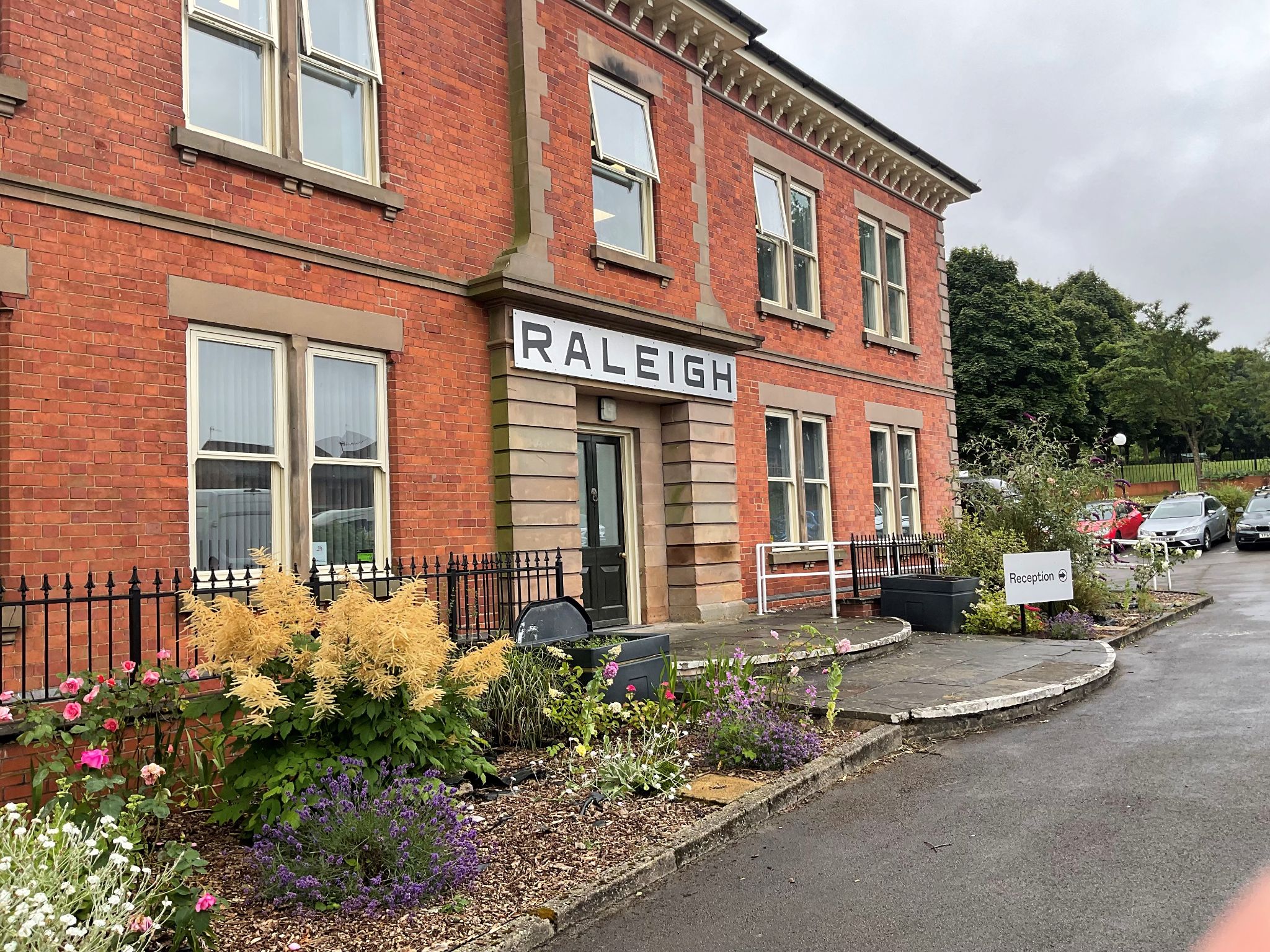 New Raleigh headquarters at Durban House, Eastwood (Raleigh)
Historic British bike manufacturer Raleigh, meanwhile, recorded a loss of £30.1 million before taxes during the first year of KKR’s ownership, with an independent audit claiming that “material uncertainty may cast significant doubt on the company’s ability to continue as a going concern”.
In November 2023, Raleigh also announced a series of job cuts and major restructuring plans, which included completely shutting down its Parts and Accessories department and contracting out its warehousing and logistics to a third party, the brand stating that the move reflected a “challenging market”.
Earlier that year, KKR was forced to loan Accell €300m, before the company’s first restructuring, which took place last February, saw €600m cut from the company’s €1.4bn debt load, enabling KKR and its shareholder, Teslin, to retain control.
However, financial uncertainty has continued to plague the company, which earlier this year sold its titanium frame brand Van Nicholas to Italian cargo bike company Velo-ce, and its Nishiki bike brand to Turkey-based Kron Bicycle.
In August 2025, Accell was reported to have closed a factory in Heerenveen, which produced around 20 per cent of the company’s total bikes, moving that facility’s production to Hungary, leading to 160 jobs lost.
> Babboe is now recalling a third of its cargo bikes over safety concerns
According to the new restructuring plan, KKR has handed its equity in Accell to the Dutch company’s lenders and will not retain any shareholding.
“After two years of hard work, we are well advanced in our plans to fundamentally transform the business,” Accell CEO Jonas Nilsson said in a statement issued on Wednesday.
“We’d like to thank KKR for its significant support and commitment as a responsible shareholder throughout its ownership. The business is in a much stronger position as a result of shareholder support, and this new agreement is a major milestone in achieving the exciting potential of our portfolio of iconic brands.”
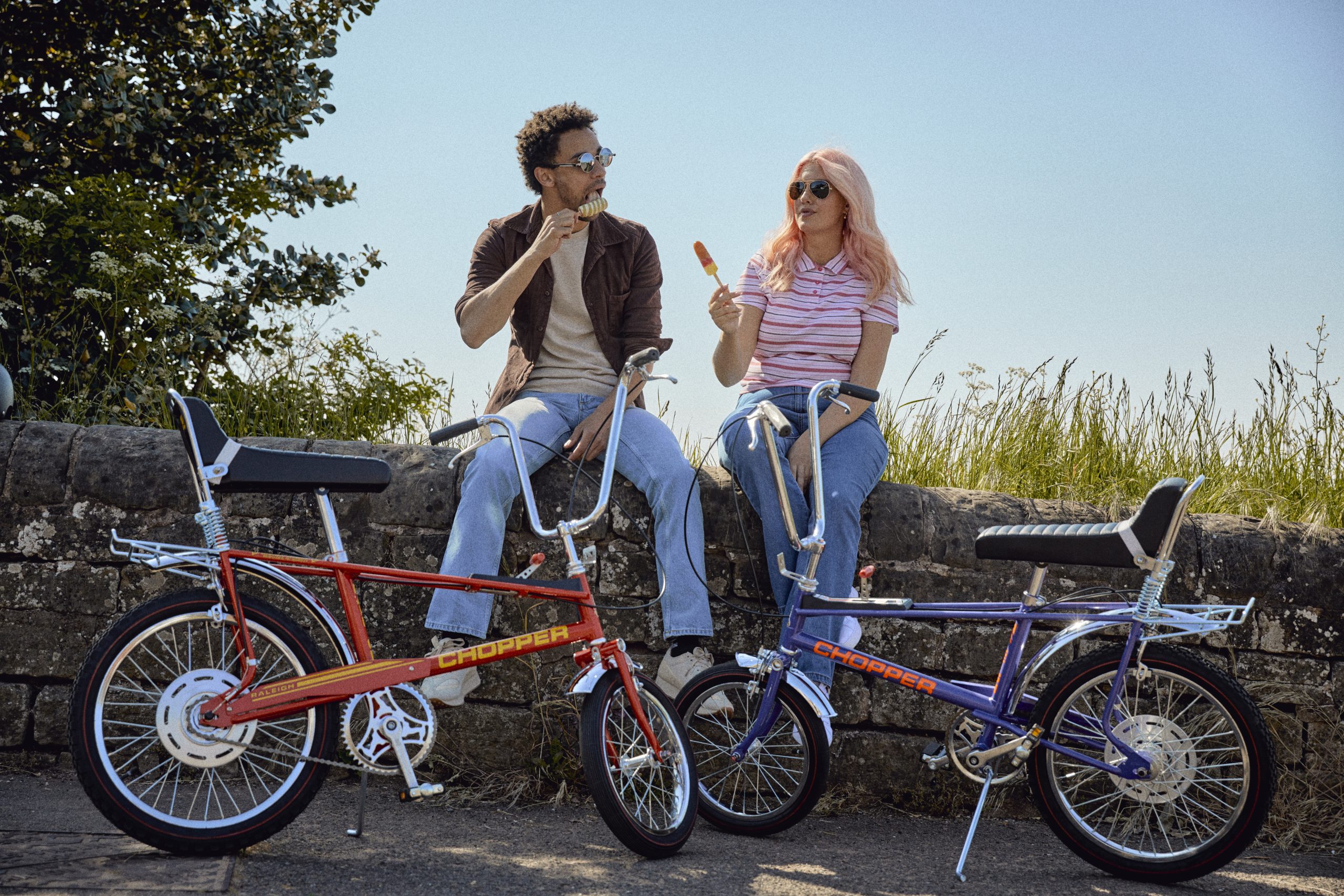 Raleigh Chopper 70’s
In its own statement KKR said that it had assumed “greater responsibility” for the business in response to the “severity and duration” of cycling’s post-Covid slump, but that Accell’s transition to new ownership has coincided with the company “stabilising”.
“During its ownership, KKR supported a wide-ranging programme of operational and organizational measures, consistent with KKR’s role as a long-term and responsible investor,” the private equity firm said.
“This included continuing to support growth initiatives and new product launches, while strengthening leadership, improving liquidity and resilience, and centralising operations as part of the One Accell strategy.
“These actions were taken to ensure continuity of operations, support Accell’s customers and partners, and position the business for a return to sustainable profitability as market conditions normalise.
“As a result of the severity and duration of the industry downturn, Accell’s capital structure evolved and lenders assumed greater economic responsibility for the business.
“With the company now stabilised and the season soon to pick up, Accell will transition to a new ownership structure in which lenders, working closely with management, are positioned to support the company’s ongoing recovery and execution of its business plan.”