
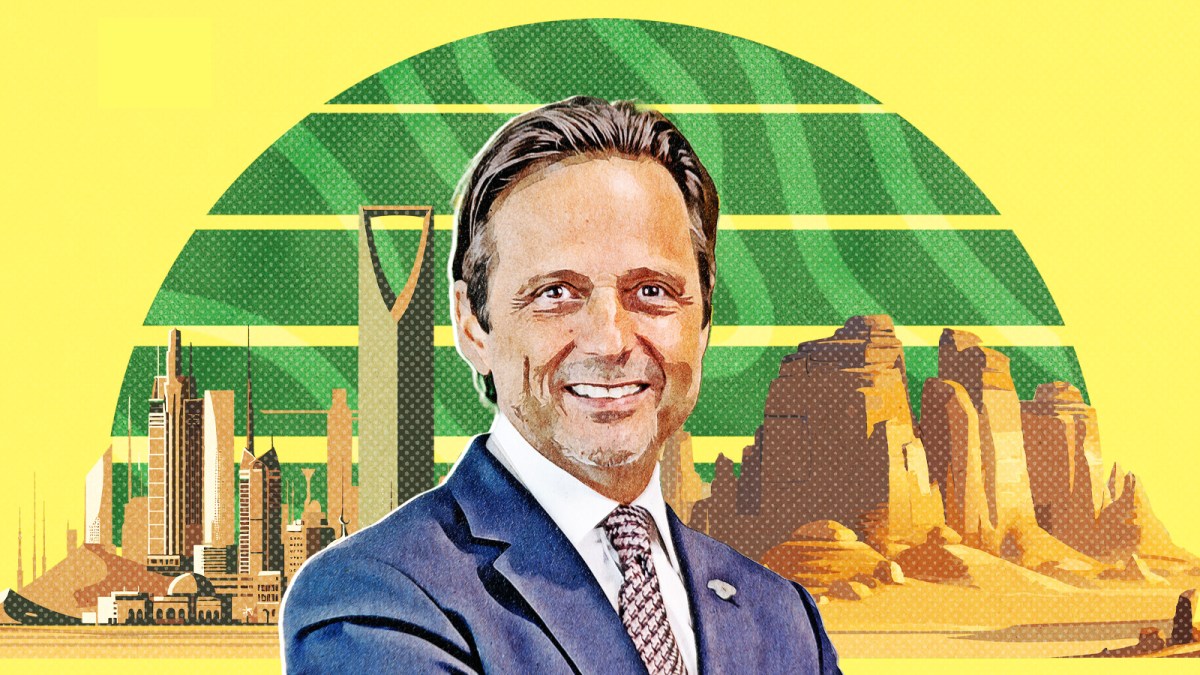
Captain Mohammed Abdullah Alsaidalani fires up the Yamaha engines on his catamaran, Lamia, and speeds past pods of dolphins as he sails from Shebara resort to Turtle Bay on the Red Sea coast of Saudi Arabia. Waiting for me at the office of the Red Sea Global development company is its group chief executive, John Pagano.
You may not know his name, but you may well know his work. As managing director of the Canary Wharf development in London’s Docklands, he built the 3.5 million sq ft mini-Manhattan on Thames, shepherded it through bankruptcy and set it on course to become one of the most successful real estate projects in Europe.
He now faces an even bigger challenge. He is the man tapped by Saudi Arabia’s de facto ruler, Crown Prince Mohammed bin Salman (known as MBS), to rescue the kingdom’s troubled $2 trillion (£1.5 trillion) giga-projects.
Pagano, 66, has made a success of the $30 billion Red Sea Global giga-project — opening an international airport and 11 busy hotels, with another 16 on the way, in a series of developments masterplanned by the English architect Lord (Norman) Foster. “We’ve executed. We’re delivering … which is a differentiator compared to perhaps some of the other projects,” he says.
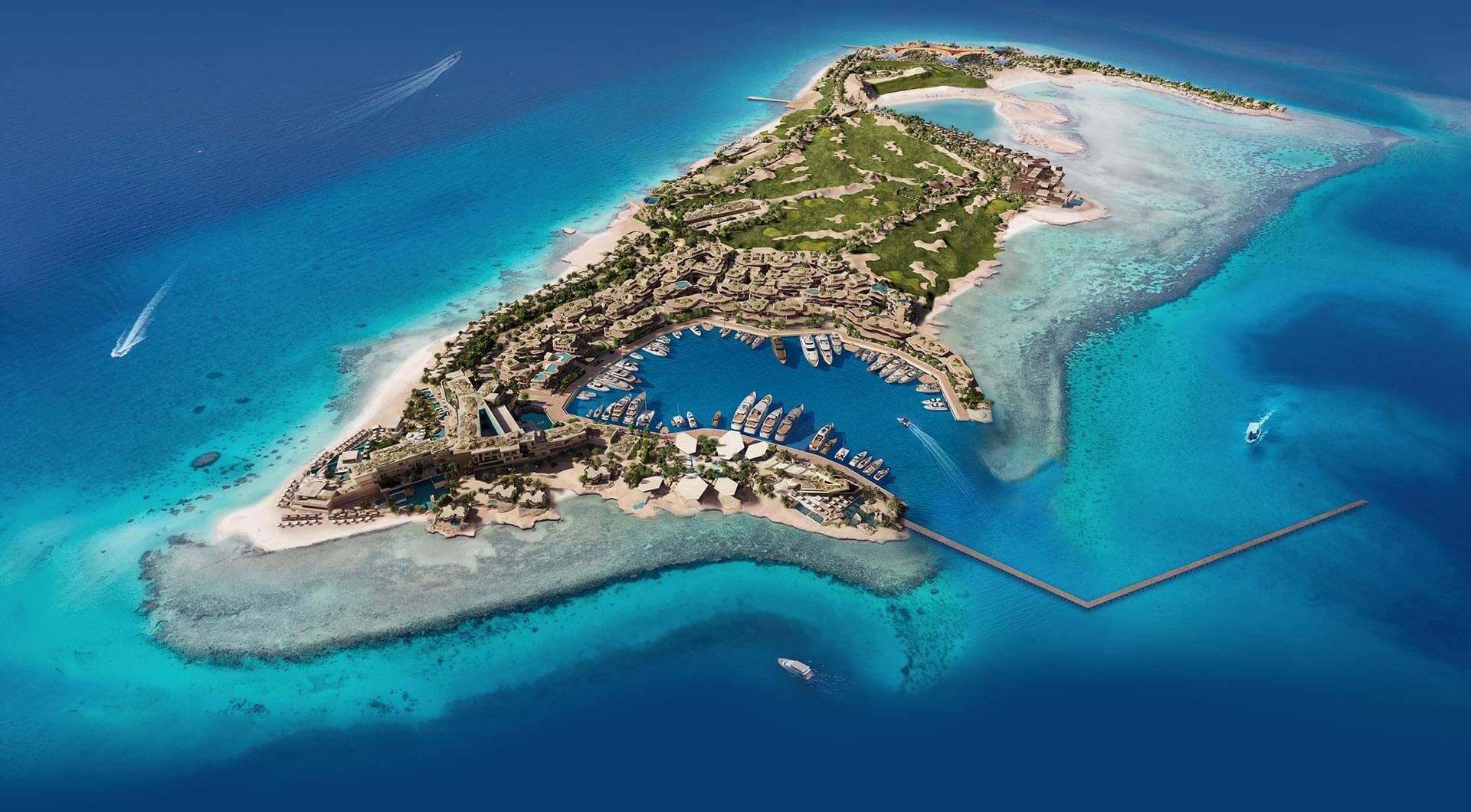
Proposals for Sindalah, a $1 billion island resort in the Red Sea with a marina for superyachts
As a result, Prince Mohammed has promoted him to new roles on nearly $1 trillion worth of the vast nation-building developments that are being scaled back as the oil price slumps and budgets are squeezed. “We’re using the knowledge and experience that we developed here on the Red Sea to help other projects,” Pagano says.
He is now managing director at Al-Ula Development Company, which is making the northern desert town of Al-Ula a bucket-list item for many travellers, thanks to its 2,000-year-old tombs carved into rocky outcrops. Prince William visited earlier this month during his first official trip to the kingdom.
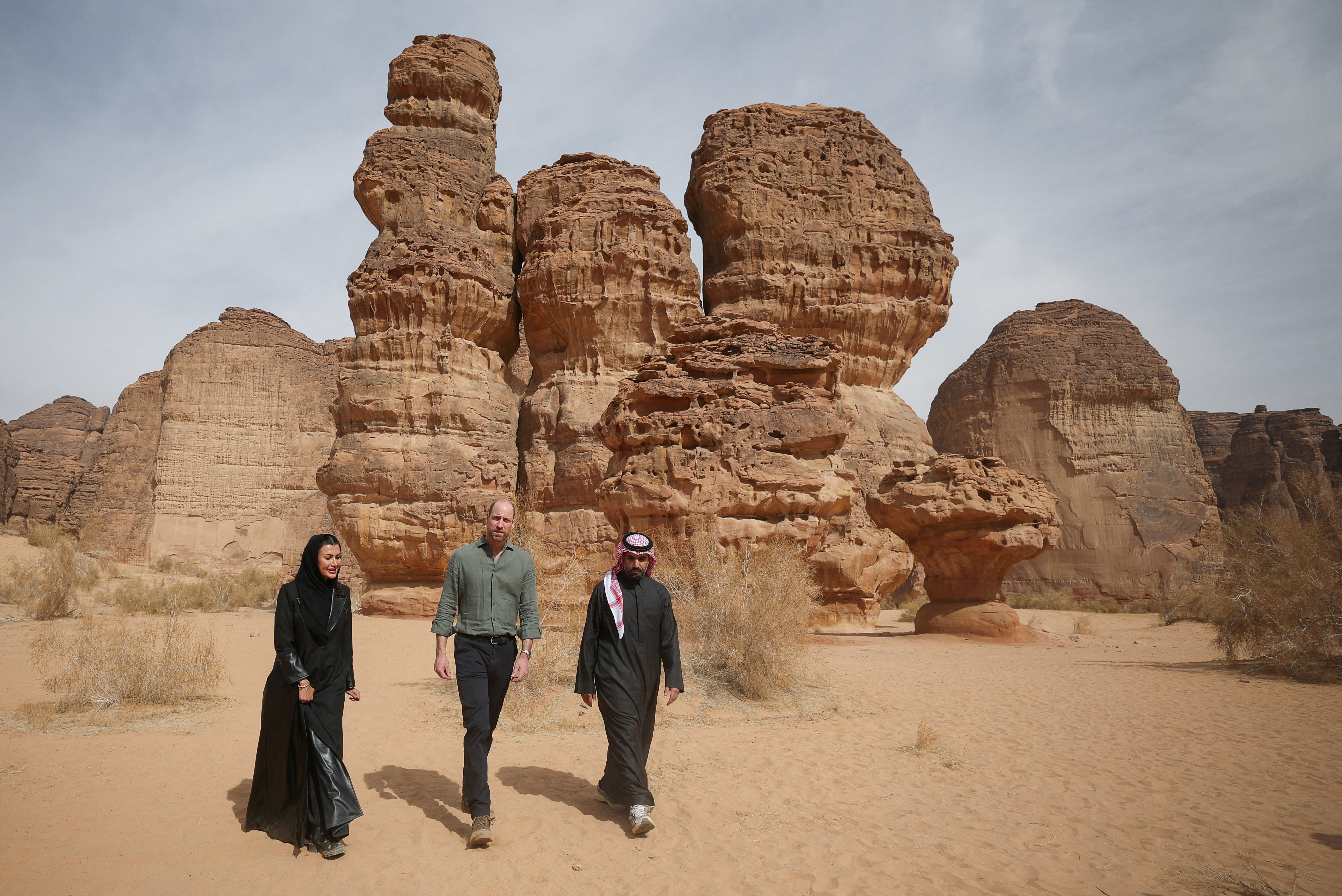
The Prince of Wales in the desert at Al-Ula this month
ISABEL INFANTES/REUTERS
Pagano is also managing director of the King Abdullah Financial District, Riyadh’s equivalent of Canary Wharf, and a board member of Neom, the company behind two snazzy — but stalled — projects: Sindalah island in the Red Sea and The Line, a proposed £500 billion linear city 1,600ft tall and stretching 100 miles inland from the new Red Sea resort of Neom.
All the projects are owned by the Public Investment Fund (PIF), the kingdom’s $1.15 trillion sovereign wealth fund.
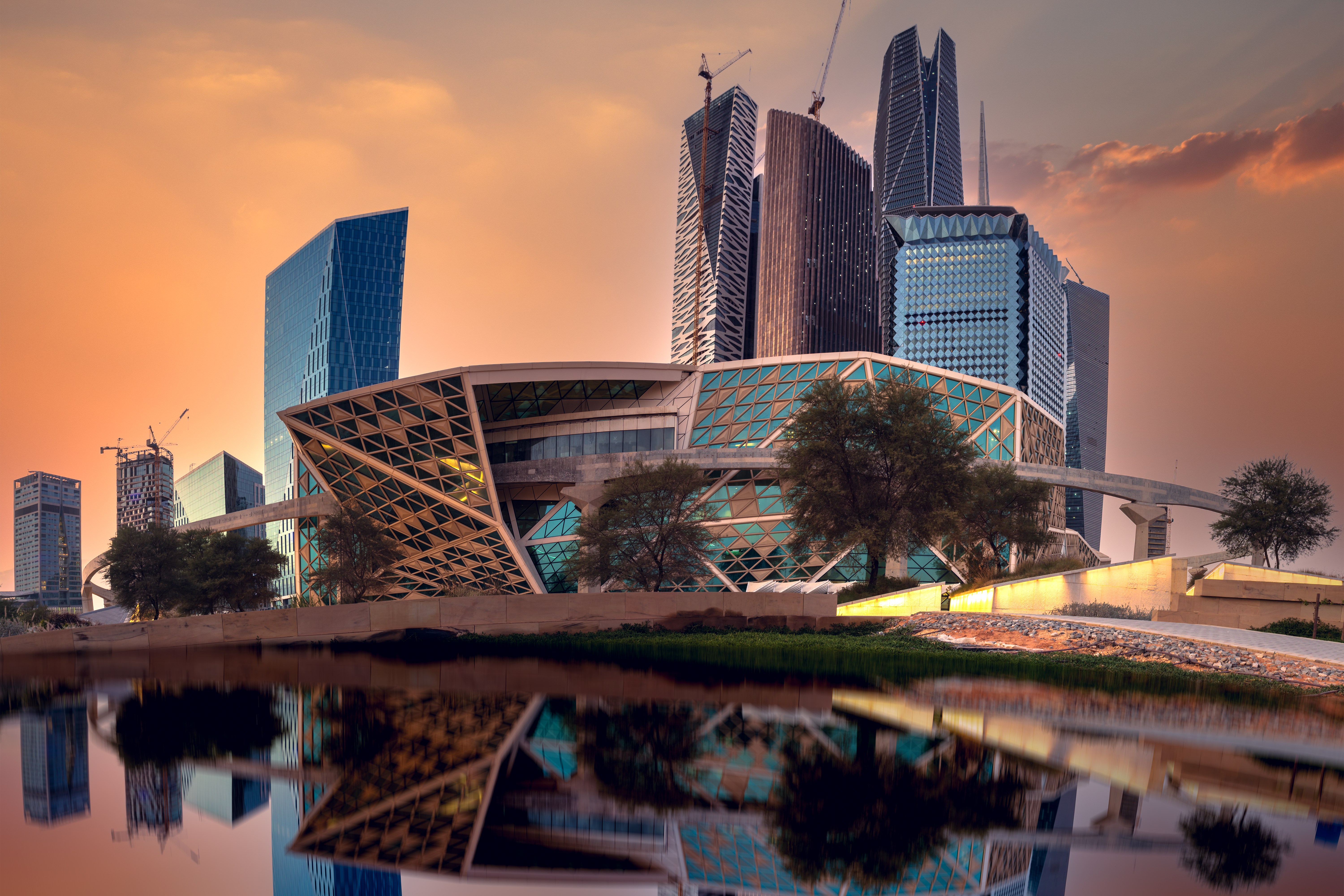
King Abdullah Financial District, Riyadh’s equivalent of Canary Wharf
GETTY IMAGES
MBS is so committed to Pagano that he recently granted him Saudi citizenship — a rare honour for a foreigner. Pagano, who was born in Toronto to a Catholic family, has also converted to Islam. “I love the people. They welcomed me as part of their society. It just felt right,” he says.
What is the 40-year-old MBS like to work for, I wonder. “He’s very particular as to what he’s looking for. He pushes us to come up with something different that still relates to Saudi Arabia.” Do the pair fight? “No,” Pagano says. “But I have a way of getting my point of view across, which is important.”
The results are shiny steel hotel room pods that sit above the sea on stilts at Shebara near Saudi’s Red Sea barrier reef, and hotel rooms carved into the mountainside at Desert Rock, near Turtle Bay.

The over water suites at Shebara resort
KATARINA PREMFORS
Pagano, sporting wraparound sunglasses, a polo shirt, blue cargo trousers and dusty trainers, looks and sounds like a nation builder, but his task is Herculean. The biggest victim of the scaling back of MBS’s Vision 2030 project is the futuristic The Line. It now looks like it will be more of “a hyphen” — a mini township only a few miles long.
Other casualties include the nearby mountain resort of Trojena, where geological and practical challenges have forced ministers to abandon plans to host the 2029 Asian Winter Games using fake snow made from water from a man-made lake. MBS insists it will be finished in time for the next winter games.
Angered by “design flaws” at Sindalah, a $1 billion island resort in the Red Sea, MBS closed it shortly after the VIP opening beach party, which was attended by singer Alicia Keys and actor Will Smith in the autumn of 2024. No one knows when it will reopen.
• Failed beach party left boss of Saudi Neom project high and dry
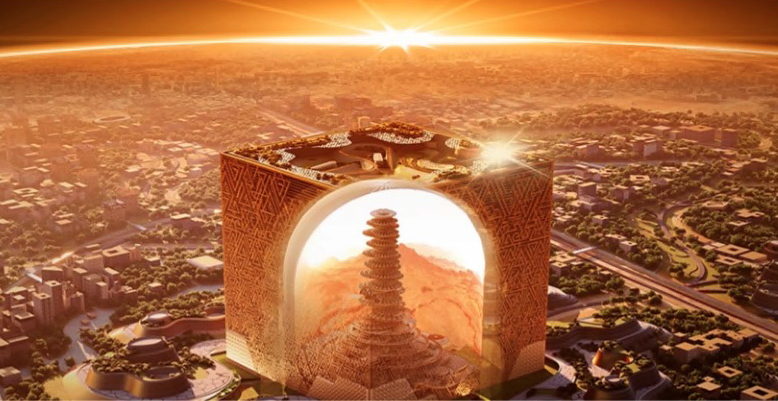
Meanwhile, the completion date for the world’s largest new downtown district — the $50 billion New Murabba in Riyadh — is being extended and its centrepiece, Mukaab, a colossal cube skyscraper, 400 metres x 400 metres, has been shelved. It might have to be scrapped.
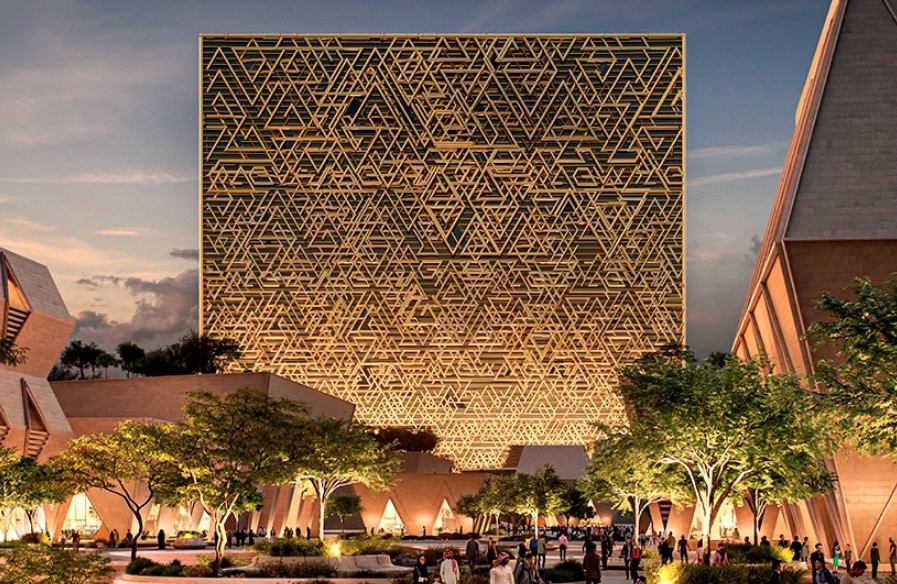
Plans for the 400m x 400m Mukaab cube in Riyadh
NEWMURABBA
Why is Saudi Arabia “making a course correction” — the local euphemism for the slowdown? “Well, look, things happen. They do! And it’s not unreasonable for a country to look at priorities,” Pagano says.
What he means is that since Vision 2030 was unveiled in 2016, the kingdom has taken on new projects that have hard deadlines, notably the Expo 2030 trade and culture fair and the 2034 men’s football World Cup, for which 11 stadiums must be built.
• Is Saudi Arabia’s gilded revolution working? I went to find out
MBS has also committed himself to developments of the holy sites of Mecca and Medina, including an airport and high-speed rail links, to double to 30 million the number of pilgrims who visit each year.
Fine. But isn’t it embarrassing to slow down after making so many bold promises for 2030? “Not at all. Look how far this country has come,” Pagano says. “It has transformed itself. I don’t think there’s a precedent in the world where a country has changed so much in such a short space of time.
“The media is trying to make it an ‘Oh, they failed’ story, but that’s just trying to create a negative out of a positive story. We had 122 million visitors last year to the kingdom. We’re doing some things right!”
Sindalah’s opening and rapid closing looked unprofessional, I point out. “It was rushed,” he concedes. “I wouldn’t have opened in that state. It was not completed properly. I would have made sure it was perfect.”
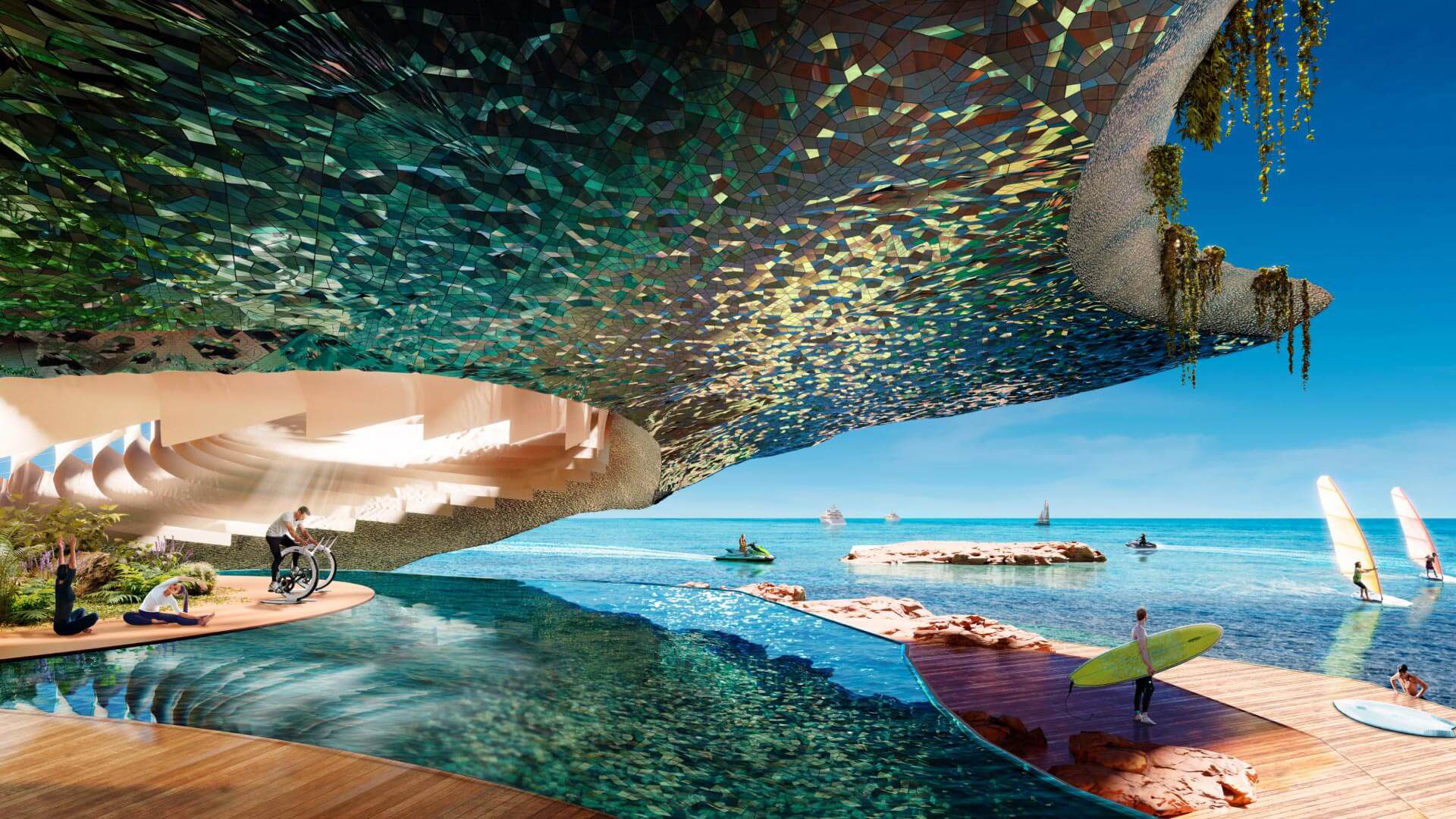
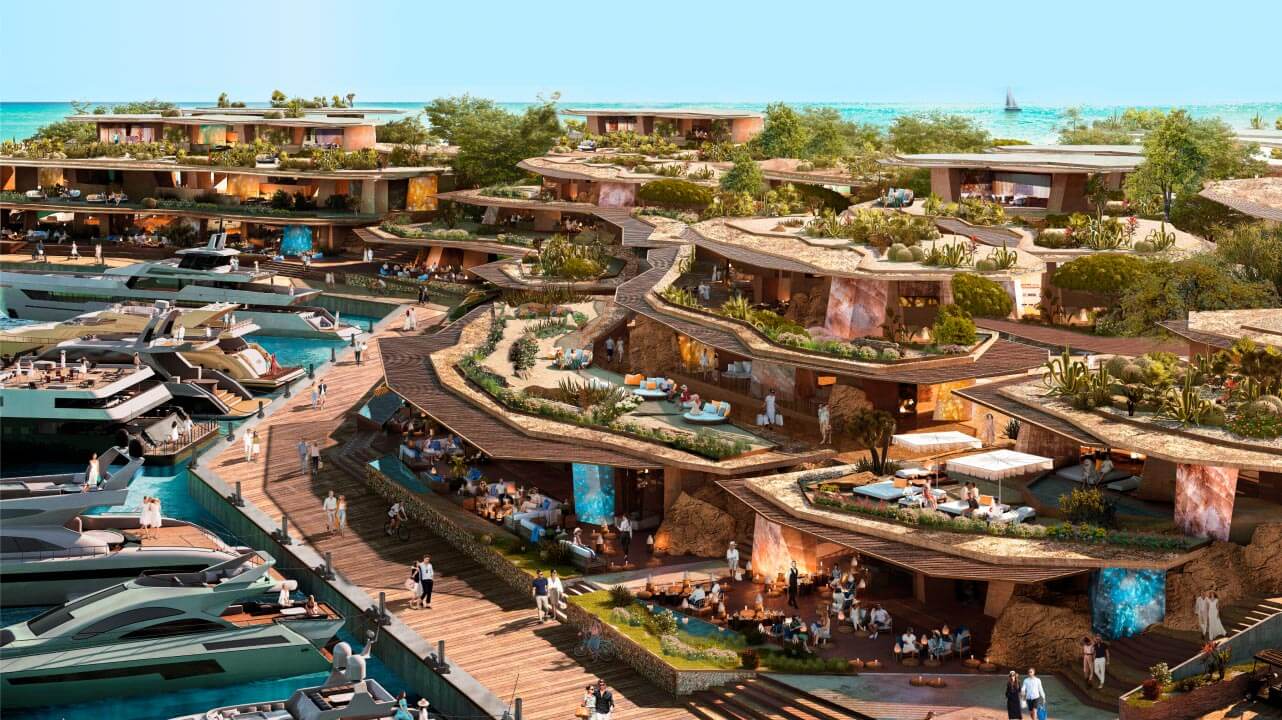
Sindalah was proposed as a hyper-modern luxury island destination
I wonder whether it was a mistake to position The Line as a real estate project with a hard deadline, rather than a laboratory of what the quality of urban life might look like in 2040. “It is a moonshot,” Pagano replies with a nod. “If you don’t dream big, you don’t accomplish anything. I think it motivated and inspired the nation.”
What about claims that Saudi is using the modern developments to launder its reputation as a repressive society that does not respect human rights? “Bullshit. All bullshit,” he says. “We believe in this. Look at what we’ve built. Look at women in the workforce. The government set a goal of 30 per cent participation by 2030 and that was achieved in 2023, and that number continues to grow. We will continue to power on.”
At the annual “Davos in the Desert” financial summit in Riyadh last year, Saudi Arabia’s then investment minister, Khalid al-Falih, urged the private sector to play a bigger role in the kingdom’s development. “Giga-projects have been taking a lot of resources from the government,” he said.
Saudi Arabia has been running budget deficits since 2022. Ministers had sought to attract $100 billion a year of foreign investment by 2030 but by last year the figure was just $31.7 billion.
The time is right to attract more private investment, Pagano insists. “It’s logical. The state has primed the pump for private sector investors, just as Margaret Thatcher’s government provided the infrastructure for Docklands with the Jubilee Line [Tube] extension. We built the airport, the infrastructure. We now have joint ventures with private sector utilities firms and Jumeirah and Four Seasons hotels.”
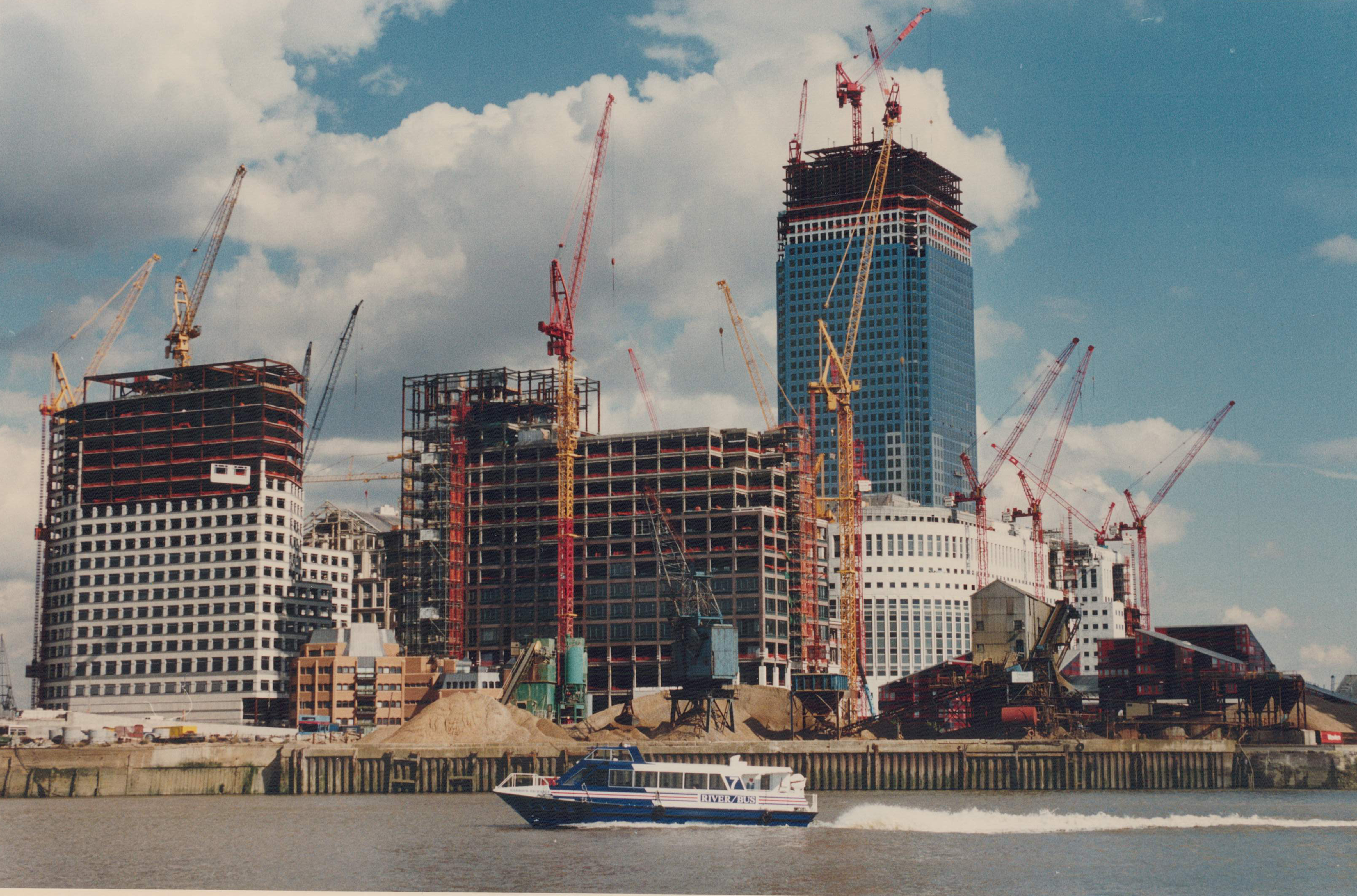
The Reichmann brothers transformed London’s derelict Docklands into the Canary Wharf financial district
TONY BOCK/GETTY IMAGES
Pagano’s road to the Red Sea has been long and winding — and involved a James Bond-style hiring. He started his working life at engineering consulting firms in Toronto before being headhunted to work in the same city for Canada’s Olympia & York, the world’s largest privately owned developer, run by the hard-charging Reichmann brothers. “Within a year, they said: ‘Oh, we’ve got this project in London. Would you be interested?’”
It was the late 1980s and the project was a derelict site in Docklands that would become Canary Wharf. He flew over in 1987 and took a taxi there with a colleague. “We got out and the taxi drove away. After looking around — there was absolutely nothing there — we thought: ‘Oh, crap. How do we get back? There’s no taxis’. ” They ended up walking three miles to Tower Bridge.
Pagano worked on the project for 18 years, including through Olympia & York’s bankruptcy in 1992, before moving on in the noughties to the Bahamas. There he built a $3.5 billion luxury tourism resort featuring four hotels, a convention centre and a Jack Nicklaus Signature golf course. In 2017, the call came from Riyadh.
“No way I’m going to the Middle East” was his first reaction. But the calls kept coming, so he flew to Riyadh and was greeted by a small private army to take care of him as MBS’s guest. Pagano was then flown by private jet to the Red Sea for a helicopter tour of development sites. The helicopter landed on MBS’s superyacht, moored offshore, and “the boss” offered him the job of developing resorts. “I was employee number 15.”
As he shows me around the Red Sea projects, Pagano points out that the entire 27-hotel development is “wholly off the national power grid and runs 100 per cent on solar energy”. He jokes that going green was “a bit tricky with the Ministry of Energy” in a vast petrodollar economy. He is not only building resorts; he is building villas to sell to locals and, under new laws, to foreigners.
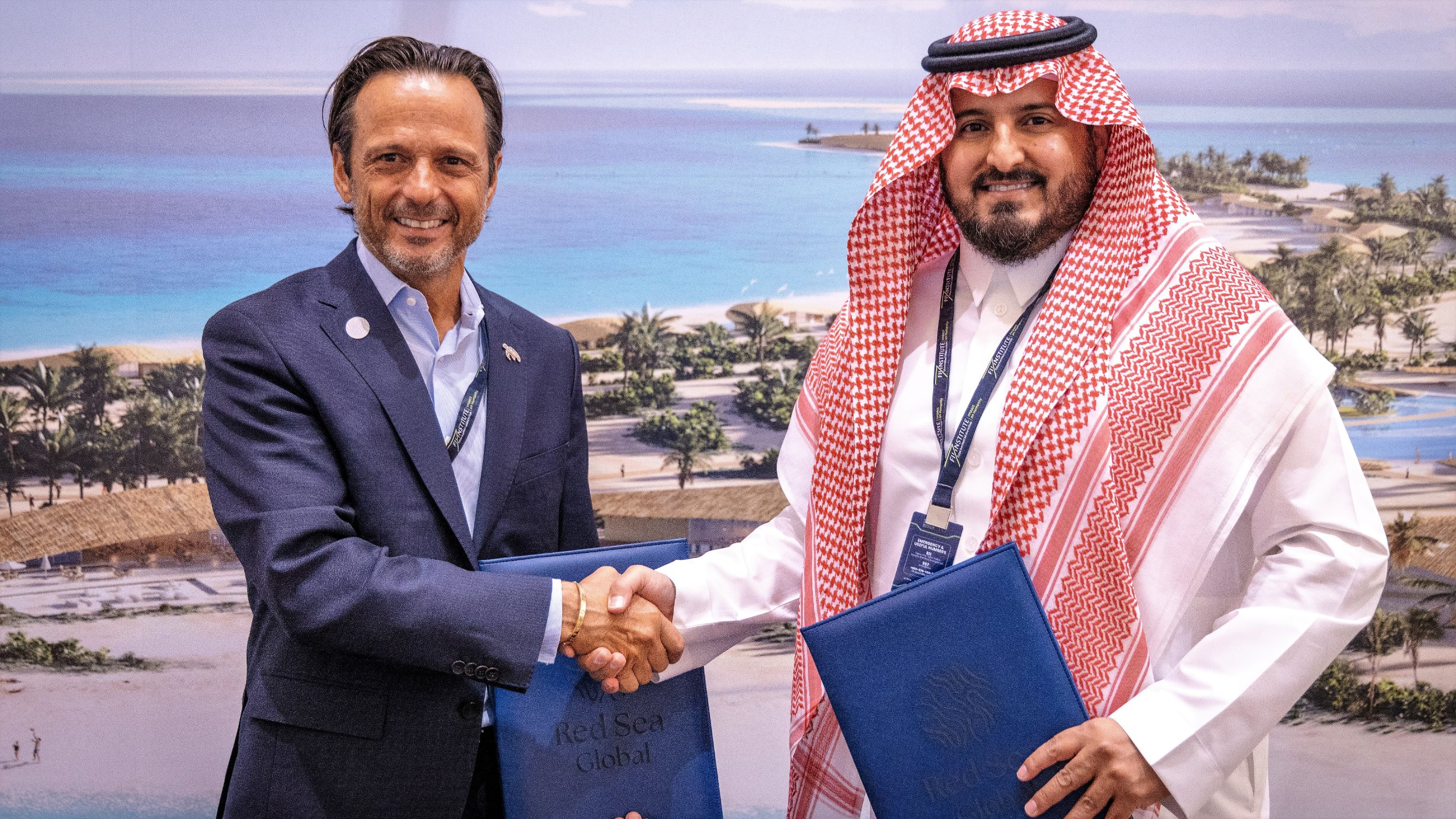
Pagano says he loves the people in Saudi Arabia. “They welcomed me as part of their society. It just felt right”
I notice that large bars are being built in hotels and snazzy minibars in the top suites. They are stocked with alcohol-free drinks for now, but most observers think booze will be available in a few years. There is already an off-licence in Riyadh.
I tell Pagano that I’ve seen plenty of gay couples in the hotels. “Spend time in the resorts and you’ll see everyone is welcome,” he replies.
Even though his Saudi plate is full, Pagano is plotting overseas expansion. “We changed our name a couple of years ago from the Red Sea Development Company to Red Sea Global. That was a statement of intent.” Sites in Europe and across the Gulf are on the drawing board.
With MBS behind him, few would bet against him.