
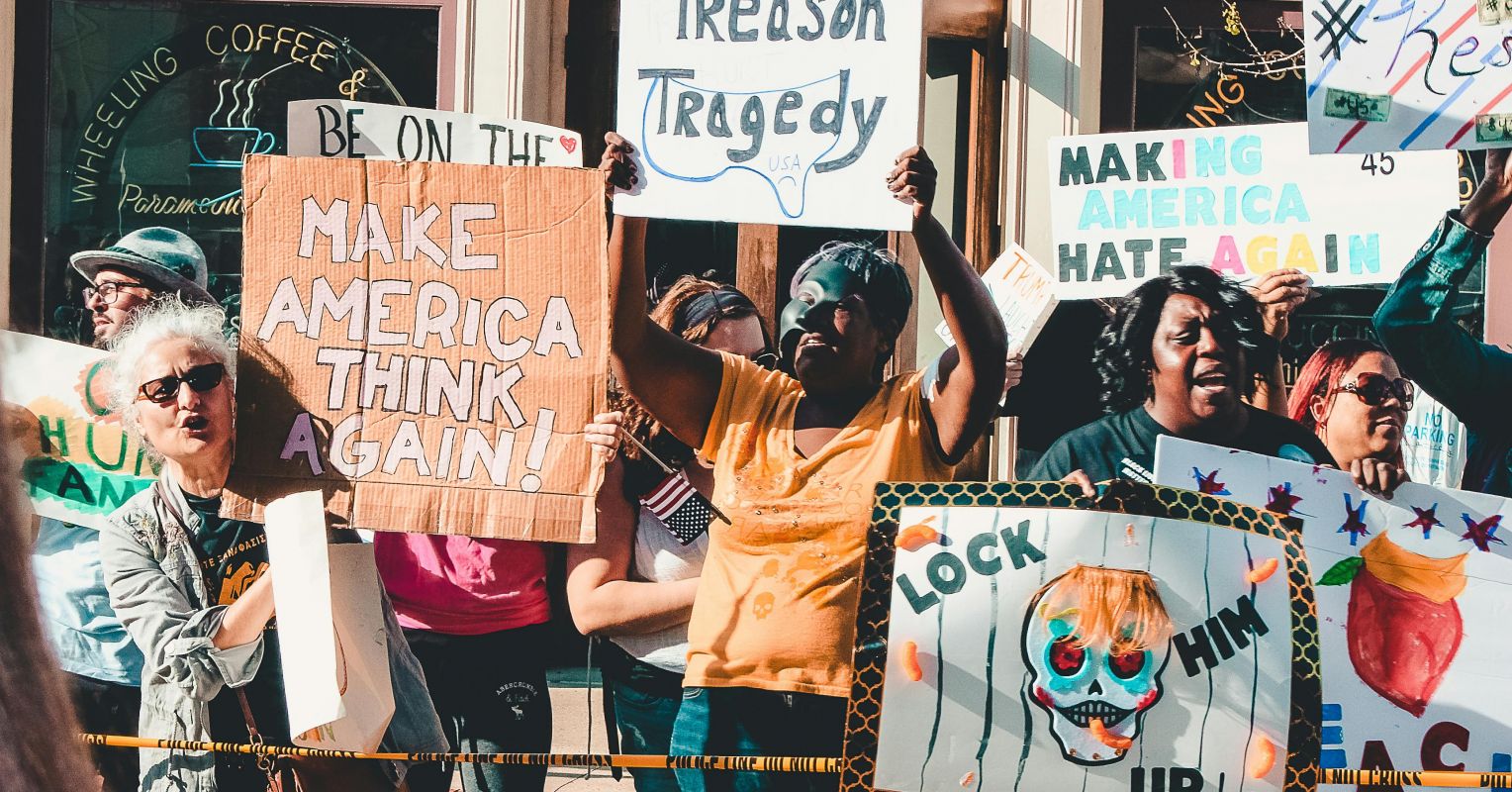
Clearly, the U.S. (and the world) is going through a process of increased political polarization between conservative-leaning and liberal-leaning citizens. As the Trump administration implements a strong conservative agenda, such as violent immigration crackdowns, cheered on by his supporters, liberal voters take to the streets to angrily protest. An important question concerns the potentially harmful effects of all of this political energy, on both sides, on the mental health and well-being of all concerned.
Prior research on this topic has focused on the increased negative emotions associated with strong, politically induced emotions. Experiencing anger and anxiety caused by engagement with politics and political actions has been associated with depression and diminished well-being. More recent, longitudinal research (Walker, et al., 2026) suggests that both the negative and positive emotions that accompany political actions, and our engagement with them, lead to emotional instability that may be the actual cause of politically induced anxiety and depression.
Strong alignment with a particular political stance is not a downward spiral toward decreased well-being. Instead, it is more like an emotional rollercoaster: the elation of “our side” taking political actions we support, accompanied over time by anger and resentment toward our political “enemies” and their actions, affects our well-being. It may be this sort of political “wear and tear” of strong negative, and positive, emotions that leads to mental health and well-being concerns.
Importantly, the impact of these politically created emotions is greater for those with strong political partisan beliefs than for those who are only slightly or moderately politically engaged. Of course, there is great concern about those individuals, on both the “right” and the “left,” who are obsessively, and dangerously, engaged with their political beliefs and who may act out violently (consider the assassination of Charlie Kirk, and killings of liberal anti-ICE protesters in Minneapolis, as extreme examples of persons who become strongly emotionally engaged with political actions). These are the unfortunate exceptions. This research, however, focuses on how politically induced emotions, both positive and negative, can, over time, lead to mental health issues. As the researchers note, it is important for individuals experiencing severe anxiety and depression caused by engagement in the ongoing political scene to seek professional help.
What are the lessons for those of us who want to stay politically engaged but do not want to suffer the potential negative impact on our emotional health and well-being? One key is to become more aware of when we are experiencing the emotional highs and lows caused by politics. Work toward regulating our emotional reactions and channeling that emotional energy into productive actions (e.g., contacting your congressional representative; peaceful protests).
To find a therapist near you, visit the Psychology Today Therapy Directory.