
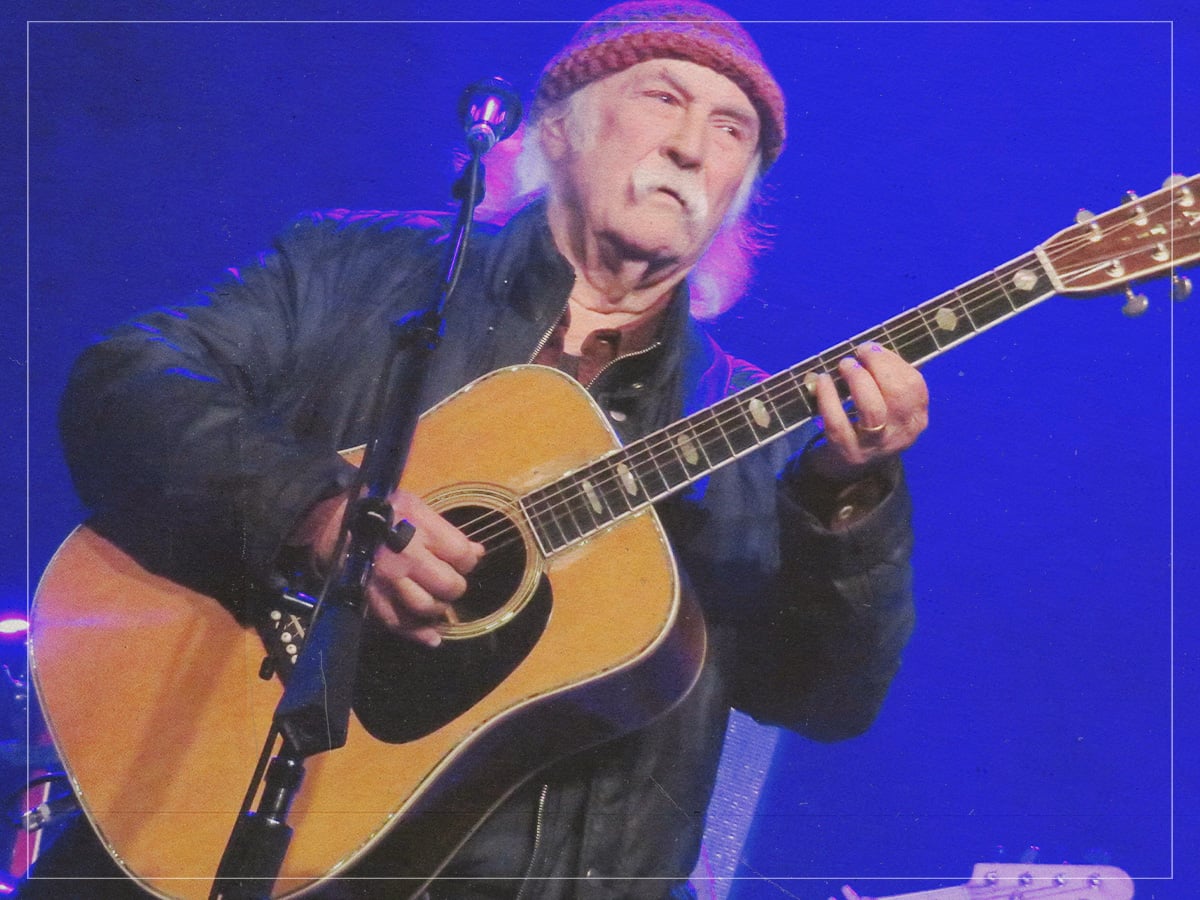
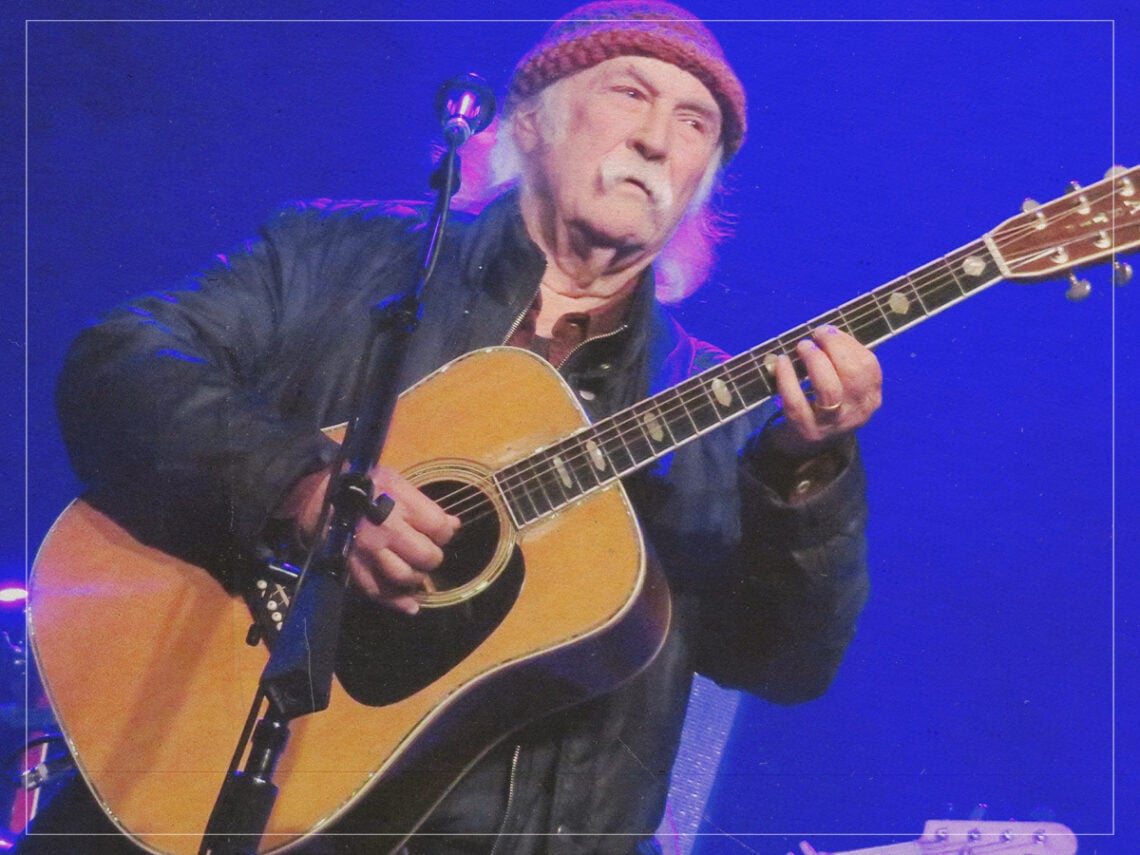
(Credits: Far Out / Eddie Janssens / wikiportret.nl)
Sat 21 February 2026 22:45, UK
Even by rock and roll standards, it was always going to be difficult to truly impress David Crosby.
He was an absolute master when it came to arranging harmonies when he worked with Crosby, Stills, and Nash, but when it came to his personal listening habits, someone had to be thinking well outside the box to get his attention. He had already grown up idolising everyone from Bob Dylan to the greatest names in jazz, but even when he was at his lowest with his supergroup, he could still admit when they made something that was going to last longer than they ever would.
Considering Crosby left The Byrds to break out of his shell, though, it wasn’t like he was trying to play it safe whenever he worked with Graham Nash and Stephen Stills. All of them had been songwriting refugees to some degree, and while a lot of their best work did end up being left on the cutting room floor in their respective bands, they were going to work up their original tunes until they were absolutely perfect.
Graham Nash would have never found the time to make a song like ‘Marrakesh Express’ work for The Hollies, and yet it sounded so natural once it came out of the speakers on that first CSN project. Their experimental stuff was just pop-flavoured enough to appeal to the public, but bringing in Neil Young was always going to be a gamble. Stills had known Young forever, but since he played by his own rules, it was anyone’s guess whether the harmony was going to work.
But Young was actually the perfect guy for the job once he joined the group. Say what you will about their debut record, but it does wear a little thin when it comes to the heavier side of rock, and Young was exactly the kind of guy to help liven things up. ‘Teach Your Children’ might have been the poppy single that got everyone to buy the record, but no one would have thought to combine two songs together like he did on ‘Country Girl’ or write something as emotionally vulnerable as ‘Helpless’.
Deja Vu had everything lined up for it to be one of the greatest albums of all time, but Young felt that something else needed to be said. Right before the band were about to roll out their first single, the Kent State shootings turned everything on its head, and in just a few short hours, Young knew that they had to respond as soon as possible when he wrote the song ‘Ohio’.
The band could have easily made the best album of their career without even mentioning the horrific massacre, but because they captured a specific moment in time, Crosby felt that they had hit upon something much more powerful than anything else they ever made, saying, “It made me feel good that I was actually able to stand up for what I believed. I think that’s probably the best job of being troubadours or being town criers that we ever did. Well, it lit the whole country on fire.”
And while the band already had protest songs before this, ‘Ohio’ is a much better encapsulation of what the public was feeling than their cover of Joni Mitchell’s ‘Woodstock’. The latter is definitely a better-written song in the grand scheme of things, but nothing personifies the raw anger of the times than ‘Ohio’, especially with Young’s down-and-dirty drop-D guitar riff and the harmonies that sound like they’re crying for all of those that lost their lives.
So despite many people saying that musicians need to stay out of politics every single time they step up to the microphone, this is the best example of how wrong that philosophy is. Musicians have a responsibility to sing what’s in their hearts, and to say that they are not allowed to speak their mind is like telling the tide not to come in when you’re on the beach. It’s only natural for musicians to use their voice however they want to, and if they were pissed off, it would be noted.