
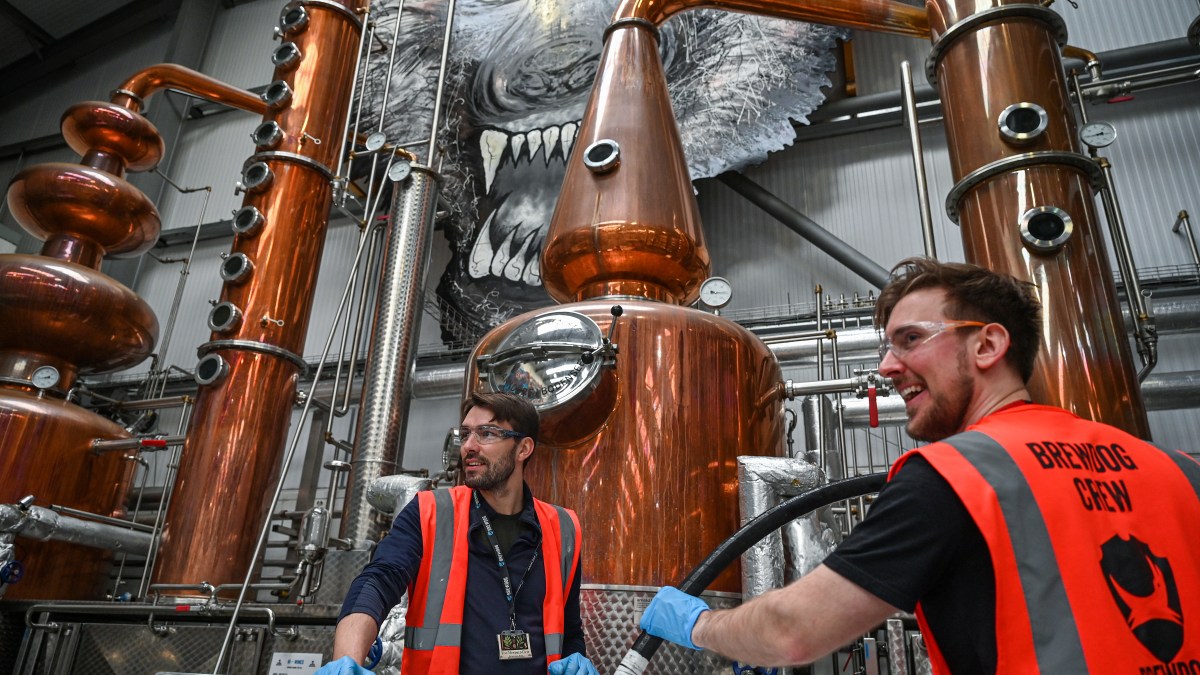
A takeover bid for the struggling craft brewer BrewDog by its controversial founder could preserve a stake for retail investors who ploughed millions of pounds into the firm.
James Watt, who co-founded BrewDog in 2007, is attempting to take back control of the company, which has called in restructuring experts from AlixPartners to lead a fire sale following years of losses.
Watt is understood to have secured private equity backing for a deal that would retain some of the company’s pubs as well as BrewDog’s manufacturing base in Ellon, Scotland, where it employs hundreds of people.
• Brewdog CEO on why he really stepped down: ‘There has to be hard charging’
Under proposals that are understood to have been discussed, about a fifth of the company that is currently owned by retail investors could be carried over, with Watt holding about half the firm and his backers the rest.
It is thought the bid also includes plans to reinstate the Real Living Wage of £13.45 per hour and £14.80 in London. BrewDog stopped offering staff the rate in 2024, fuelling a fierce backlash from staff at the time.
Watt, BrewDog and AlixPartners declined to comment.
There is no guarantee that a deal will take place. Numerous other potential buyers, including brewing companies and private equity firms, are said to be circling BrewDog, too. Final bids are thought to be due imminently.
It follows speculation that more than 200,000 people who ploughed their own money into BrewDog in better times could be wiped out in the event of the company being sold. During its rise to prominence in the late 2000s and early 2010s, BrewDog fuelled a rapid expansion with multiple crowdfunding drives, granting investors what it called “Equity for Punks”.
Over seven fundraising rounds, the company pulled in more than £75 million from fans who, in return for their cash, were given discounts and other perks such as invites to its “Annual General Mayhem” shareholder meeting and beer festival.
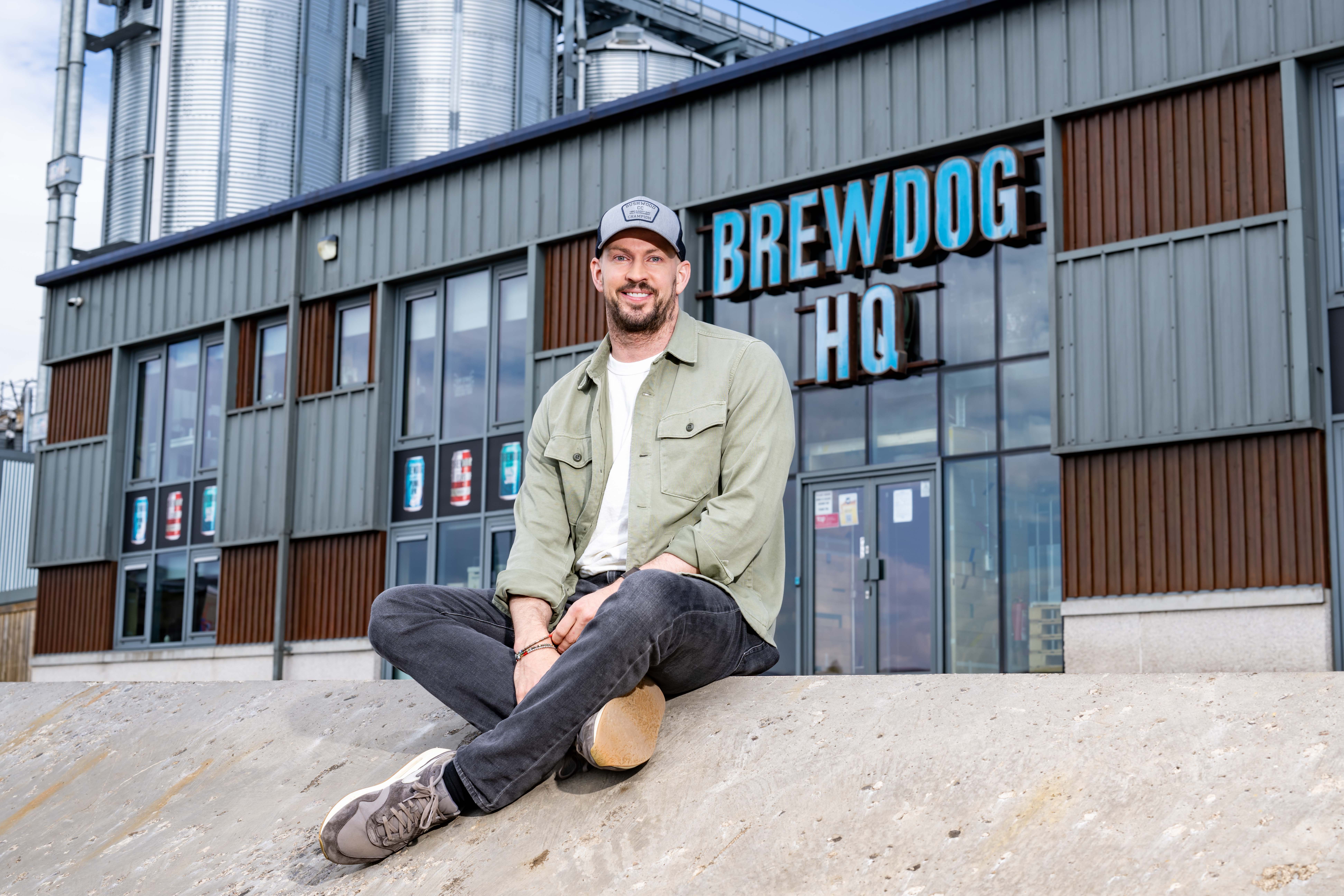
James Watt
MICHAL WACHUCIK/ABERMEDIA
Watt, along with fellow founder Martin Dickie, sold a 22 per cent stake in BrewDog to the American private equity company TSG Consumer Partners for £213 million in 2017.
The pair were accused of “selling out”, having previously railed against “bland” corporate beer giants and positioned themselves as an authentic alternative. Watt even published a book called Business for Punks, laying out his approach to company building. Dickie is no longer involved with BrewDog but remains a shareholder.
The deal with TSG itself was highly unconventional and, while turning both founders into multi-millionaires, it granted the private equity firm an 18 per cent compounding interest rate on their investment.
Crucially, Watt and Dickie made changes to BrewDog’s shares, creating a new class of “preference shares” for TSG that would override those of the legion of “equity punks”. This has led to fears that they would receive nothing in the event of a takeover.
While the deal proposed by Watt would mean the equity punks still own a chunk of the company, it would not necessarily translate into any payout in the short term. BrewDog has spent the past five years haemorrhaging cash while sales have stalled.
Sky News reported on Saturday morning that Watt was preparing to funnel £10 million of his own money into the company as part of his proposed deal.
• ‘Fresh look, fresh beer’: can a rebrand unleash BrewDog again?
It is also unclear what a deal with Watt would mean for the company’s international business; BrewDog has large operations in the US, Australia and Germany.
It was revealed last year that BrewDog’s beers had been axed by almost 2,000 pubs, which the company attributed to big pub groups “narrowing their ranges”, spurring it to sign deals with sports stadiums and music festivals instead. BrewDog also closed a handful of its own bars and has shut down its spirits business.
• BrewDog to shut Scottish distillery in ‘deeply disturbing’ move
Watt, who stepped back from day-to-day running of the company in 2024, has been the subject of controversy too: in 2021, a group of employees and former employees alleged in an open letter that he oversaw a “culture of fear” at the company. BrewDog apologised and attempted to overhaul its workplace practices in response.