
New TV series tells true story of little Heather Preen in Mr Bates vs Post Office-style drama set to expose pollution scandal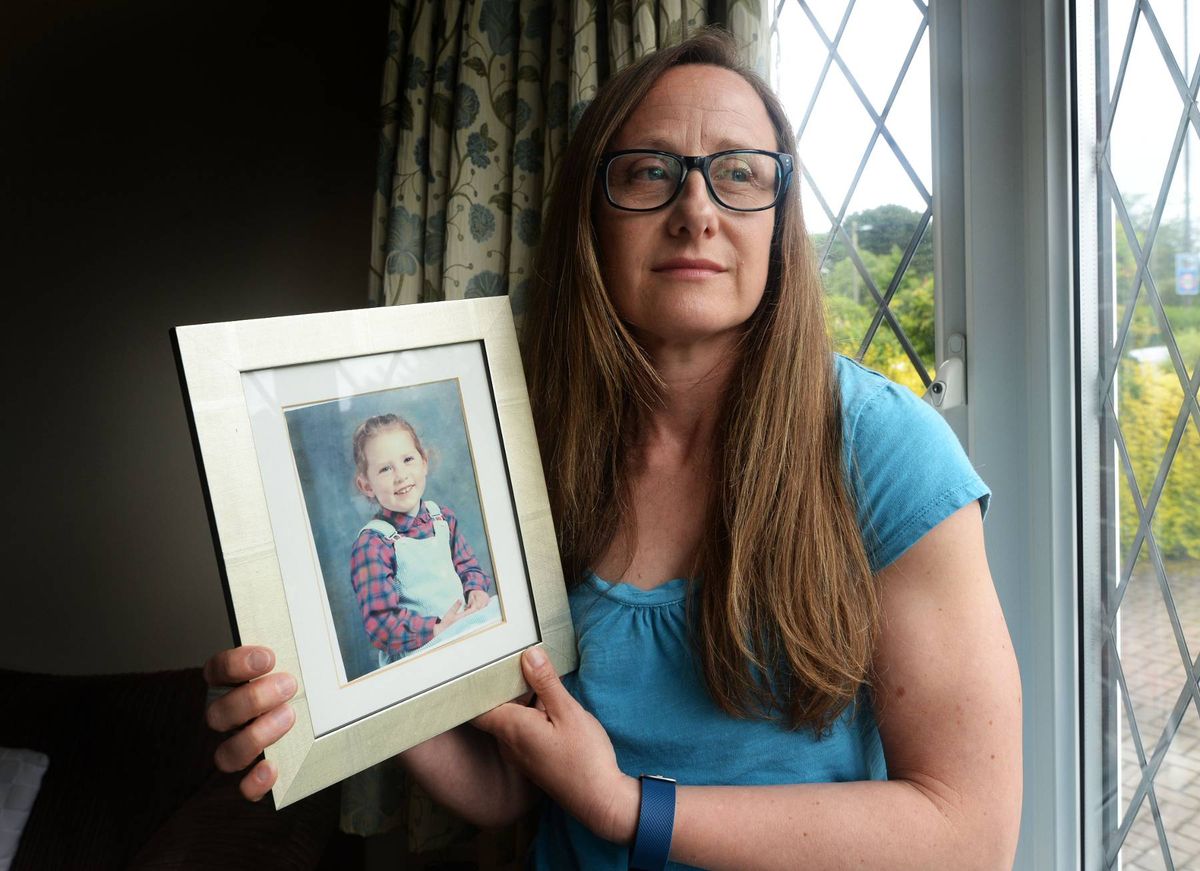
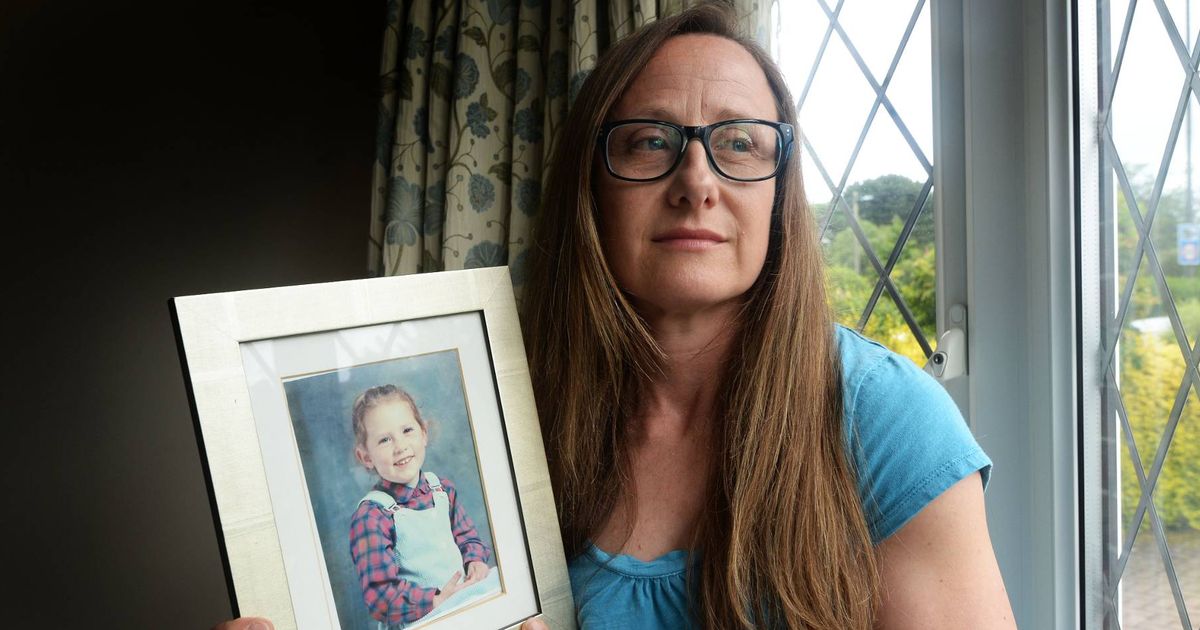
Julie Maughan said she felt her daugher Heather’s death from an E.coli infection had been forgotten.(Image: Birmingham Mail)
She was a little girl playing on the beach and enjoying the surf. But it was the holiday that cost Heather Preen her life.
The eight-year-old’s parents thought she had just caught a bug when she went down with sickness and diarrhoea while the Rednal family were on a break in Dawlish Warren, Devon, in July 1999.
But her health deteriorated to the point she was rushed to hospital. Her mum Julie Maughan could do nothing but “stay with her and watch her die” as she succumbed to an E.coli infection. The family went on holiday as a four, she told the Sunday Mercury in 2016, and came back as a three.
READ MORE: Grieving mum raising funds for study into cure for E.coli
An inquest was inconclusive, with a coroner making a series of recommendations to control sewage discharge and dogs on the beach, though it heard no clear reason for the infection could be found.
But Julie has always believed the sea water her daughter played in was linked to her death. A few days before their trip a nearby storm pipe had discharged into the sea, the Mirror reported.
South West Water said the bathing water at Dawlish Warren was tested at the time by Environmental Health and samples were clear of E. coli. But Julie said in a recent Facebook post those samples were not taken until “weeks” after Heather fell ill – too long, she said. to have found signs of an infection.
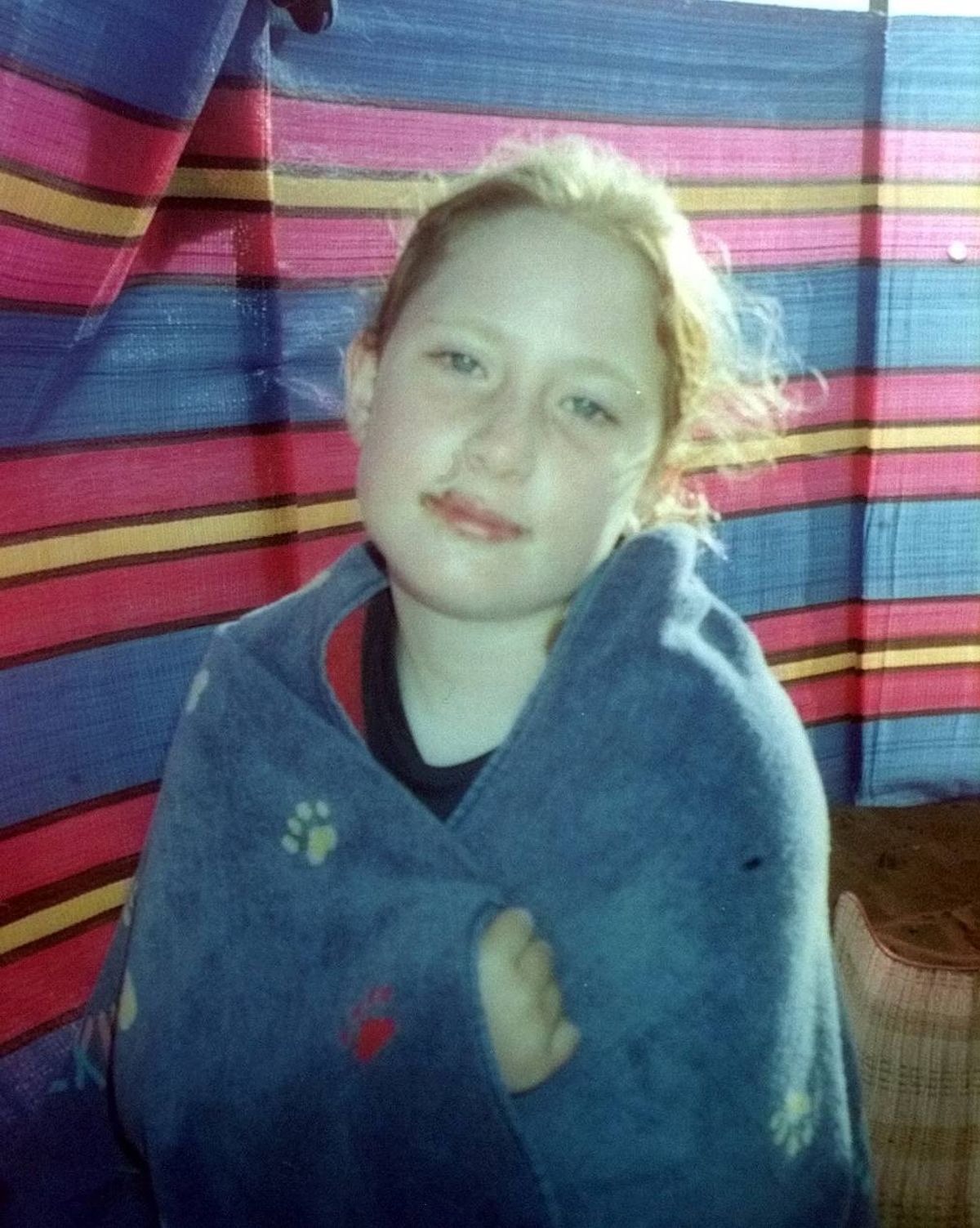
Heather Preen, who was eight, died of an E.coli infection she picked up at the beach in Dawlish Warren in 1999.(Image: Birmingham Post and Mail)
Now the tragedy – amid the furore over pollution in our rivers, lakes and seas – is to be revisited in a new Channel 4 drama already being compared to Mr Bates vs the Post Office for shining a light on a long-running national scandal.
Julie, now 58, expressed hope that the three-part show, Dirty Business, would prompt action to make England’s seas safer.
She said: “It just made me think, now is the time to push back. Because I always thought, for all those years, that Heather had been forgotten. It has fired me up and made me realise there are things to be done, things that can happen.”
Julie, 58, admitted she had concerns about how the drama would represent her family, including the heart-wrenching scenes where Heather’s life support was switched off.
“I did worry,” she confessed. “But you’ve all done it so sensitively. Without words almost, and that’s more powerful than anything.”
South West Water agreed last year to pay a £24m penalty for unlawful sewage discharges into the environment from its treatment facilities. Thames, Yorkshire and Northumbrian Water were collectively fined a record £168m in 2024 for a “catalogue of failure” relating to illegal sewage discharges.

Actor Posy Sterling plays Julie Maughan in Channel 4’s Dirty Business.(Image: Rob Baker Ashton / Channel 4)
At a screening in London, actress Posy Sterling, 33, was visibly emotional as she discussed the challenges of playing Julie. “I want everyone to know who Heather was,” she said.
“I was thinking, she’d be older than me now, that’s how long Julie has been waiting. I’m emotional and I’m angry about the dishonesty and the profiteering that’s been going on. That’s where I want the change to happen – this country is not going to be lied to any more. And that they’re not going to get away with it.”
The drama is based on the meticulous efforts of ex-detective Ash Smith and his neighbour Peter Hammond, a university professor. They spotted the river flowing through their picturesque Oxfordshire hamlet had turned brown and was teeming with dead fish, prompting them to investigate.
A decade later, their data, combined with whistleblower testimonies and accounts from families who have suffered due to the nation’s polluted water, form the crux of the drama.
Actor David Thewlis, who plays Smith, said: “I think this is the biggest corporate scandal in British history. My hope for the future is that we have a regulator that brings some of these people to justice.”
Thewlis admitted the role had made him “a bit of a campaigner” and he hoped the drama would spur the nation into action. “It’s not a niche subject, every single person in the country surely detests this situation,” he stated.
“We’ve all been taught to believe it’s normal.”
The real Smith said he and Hammond had essentially performed the duties of industry regulator, the Environment Agency, for the past decade. He said: “This is breaking all the regulations that should protect us and enshrining it in a business model and having the regulators and government underpin it.
“This is not the way to conduct a business. It’s not meant to be a cash machine. It’s meant to be a water company.”
Jason Watkins portrays Hammond and, having lost his two-year-old daughter to sepsis in 2011, admitted viewing the powerful opening episode had left him “struggling for words”.
He said: “It’s the juxtaposition of all the work that these guys have done, and the emotional impact of these things having consequences for families. I have lost a child myself, so it is a difficult watch. And also to think that it is preventable – I’m very proud to have played one of these people doing this incredible work.”
Watkins, 63, said the privatisation system, brought in by Margaret Thatcher 35 years ago, had failed to deliver. He said: “I wanted to make this series because it’s told through ordinary people who refuse to look away when something isn’t right. Shining a light on the real human cost of environmental damage and corporate neglect felt both urgent and important to be part of.”
Writer and director Joe Bullman said he hoped the drama could achieve for water pollution what Sir Alan Bates accomplished for the Horizon IT scandal. “The power is all in the hands of this group of international hedge funds and banks who control our water companies and perhaps don’t have, as their strategic goal, the maintenance of our rivers and our seas,” he said.
“Maybe their goal is just to make money.”
Describing Smith and Hammond as “national heroes”, he also praised Chris Hind, head of campaign group Surfers Against Sewage, for preserving documents related to Heather’s inquest for over two decades.
He said: “We went to his house and looked at the documents on his kitchen table, and saw how the Environment Agency had sought to argue the bay being marinated in sewage didn’t have any impact on people’s health. Every single line in that is the truth – because Chris had the foresight and courage to hang on to those documents.
“This needs to come under public ownership, no question. It’s our industry, we pay the bills, those people work for us. Maggie’s big sell off hasn’t worked.”
A South West Water spokeswoman said: “The bathing water at Dawlish Warren was tested as part of the investigations at the time by Environmental Health and samples were clear of E. coli.”