
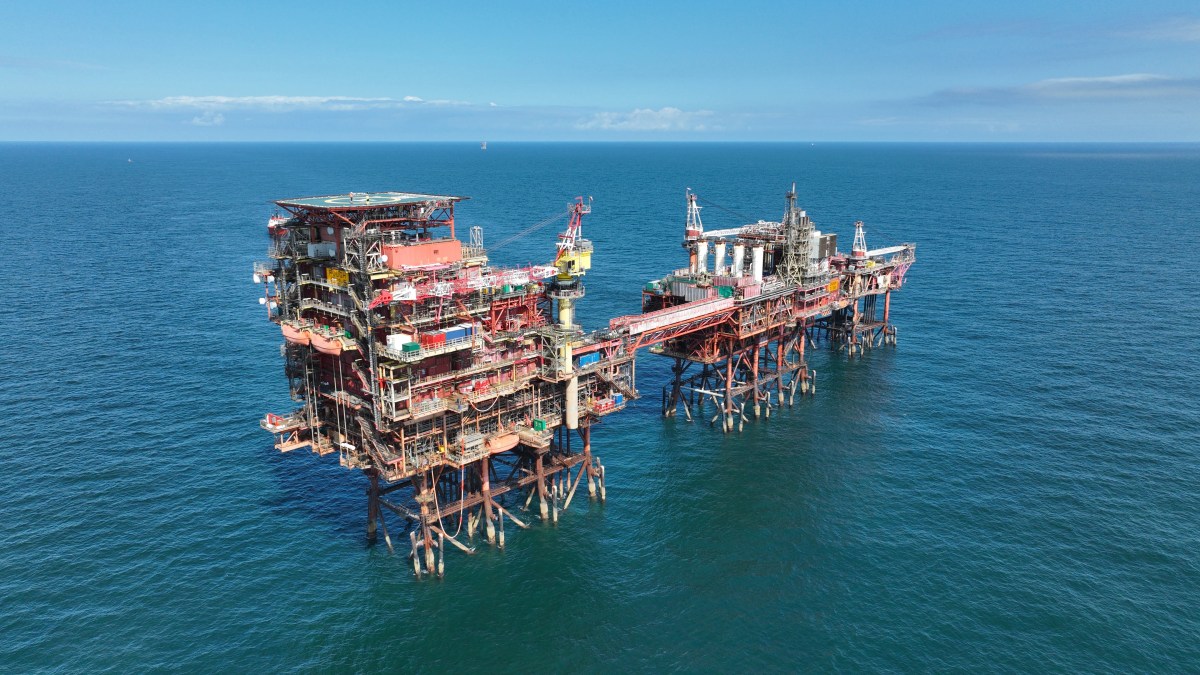
Britain needs to develop more gas storage sites and keep North Sea gas fields open as long as possible to help see off a looming risk of energy shortages, ministers have been warned.
The government must take “urgent” action to shore up future gas supplies as critical infrastructure is at risk of closure, creating “material risks to security of supply”, according to National Gas, the gas system operator.
“Clear and timely decisions on risk appetite, and the measures necessary to address them, are now urgently needed to ensure Great Britain can continue to meet its required gas and power demand, both safely and reliably, throughout the energy transition,” it warns.
The government has been consulting on how to ensure future gas security as North Sea production dwindles, after the government-owned National Energy System Operator warned of “an emerging risk to gas supply security”. Britain may not have enough gas to meet its needs by 2030 if the shift to greener energy is slower than planned or if the single biggest piece of gas infrastructure fails, Neso found, in a report quietly released in November on the day of the budget.
Writing in The Times today, Jon Butterworth, chief executive of National Gas, warns of the need to accept “uncomfortable realities”, including that gas demand on the coldest days “will remain broadly the same for many years to come”.
“Too often, today’s energy debate feels disconnected from this reality, framed as a binary choice: wholesale change or no change at all. This is a false choice and it risks clouding our ability to make the right decisions as a country,” he writes.
In a consultation response seen by The Times, National Gas warns that “infrastructure required to meet low-probability but high-impact events, such as periods of peak power demand coinciding with low renewable generation, is increasingly under commercial pressure”.
“If these pressures persist, there is a risk that critical infrastructure providers may exit the market without replacement, creating material risks to security of supply,” it says, calling for “a range of both market-based and infrastructure interventions” to address this.
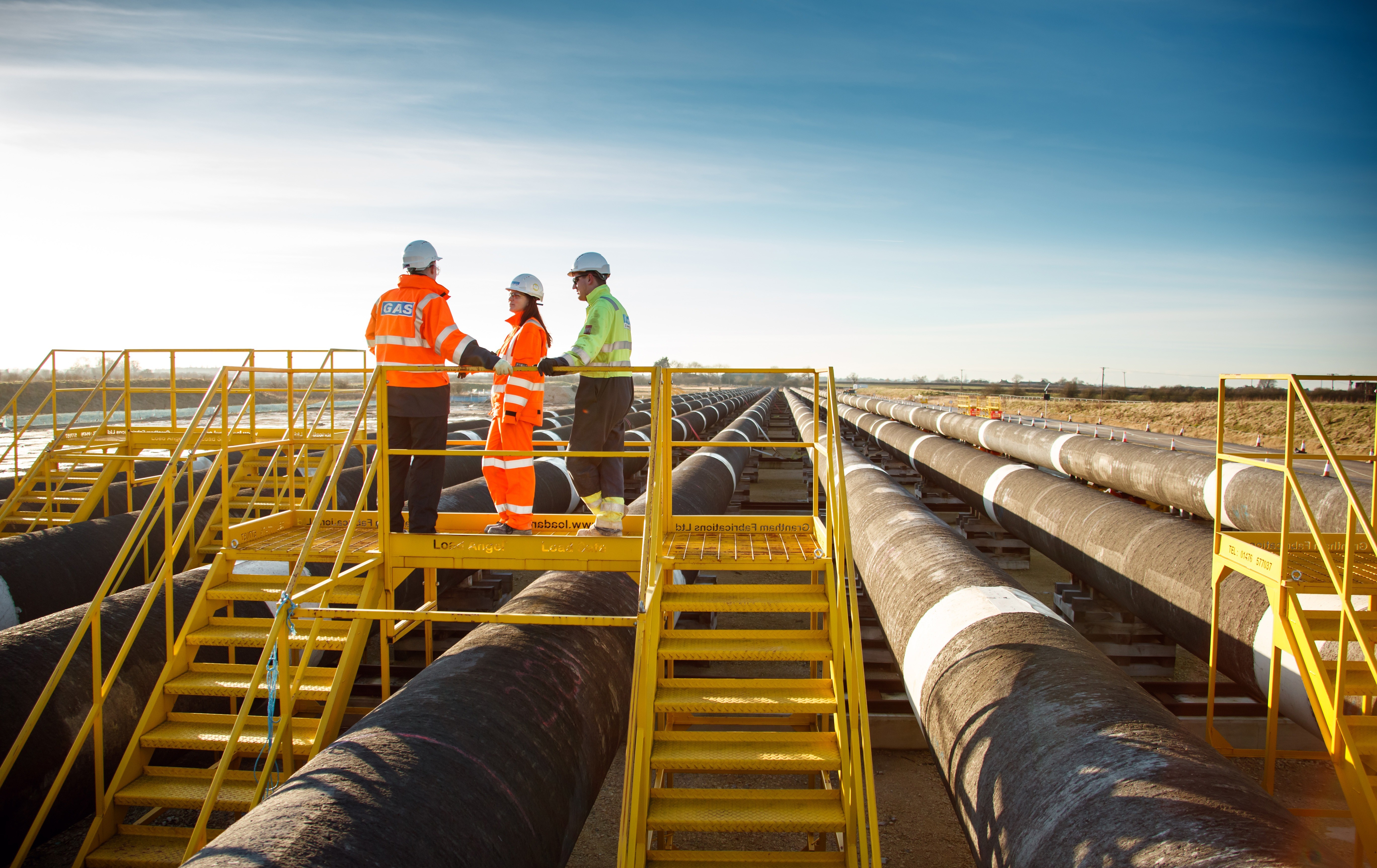
The government should “maintain existing storage capacity and introduce or facilitate expansion” to help provide “greater domestic resilience, and protection against shipping delays, market disruption or extreme weather”, it says.
Britain has far lower gas storage levels than most European countries and its largest gas storage site, Rough, is at risk of closure. However, Rough is a long-duration, seasonal storage site that can provide a steady modest supply of gas throughout winter months, whereas National Gas says that solutions need to “provide high-deliverability, and short-duration supply” to help with periods of peak demand.
National Gas also backs new floating terminals to receive and store extra shipments of liquefied natural gas, an idea the government suggests in its consultation.
However, the company calls on the government to also consider “how best to optimise remaining UK continental shelf production to keep existing gas fields for their full lifetime” to ensure that “Great Britain makes full use of its existing domestic resources”.
The government has sought to play down the impact of its North Sea policies on security of supply, stressing in its consultation that the basin is in natural decline and its decision to ban new exploration would not make “a meaningful difference to supply”.
National Gas says that “while geological decline is a significant factor, non-geological drivers may also be contributing to reduced UK continental shelf supply”. Industry groups have complained that the prolonged windfall tax on the sector is hastening the decline.
A spokesman for the Department of Energy Security and Net Zero said: “Gas will continue to play a key role in our energy system as we transition to clean, more secure, homegrown energy.
“We are working with industry to ensure the gas system is fit for the future, including maintaining security of supply in the rarest scenarios.”