

There are certain circumstances which will automatically qualify you for the compensation if you’ve had issues with your smart meter
10:20, 20 Feb 2026Updated 09:55, 23 Feb 2026
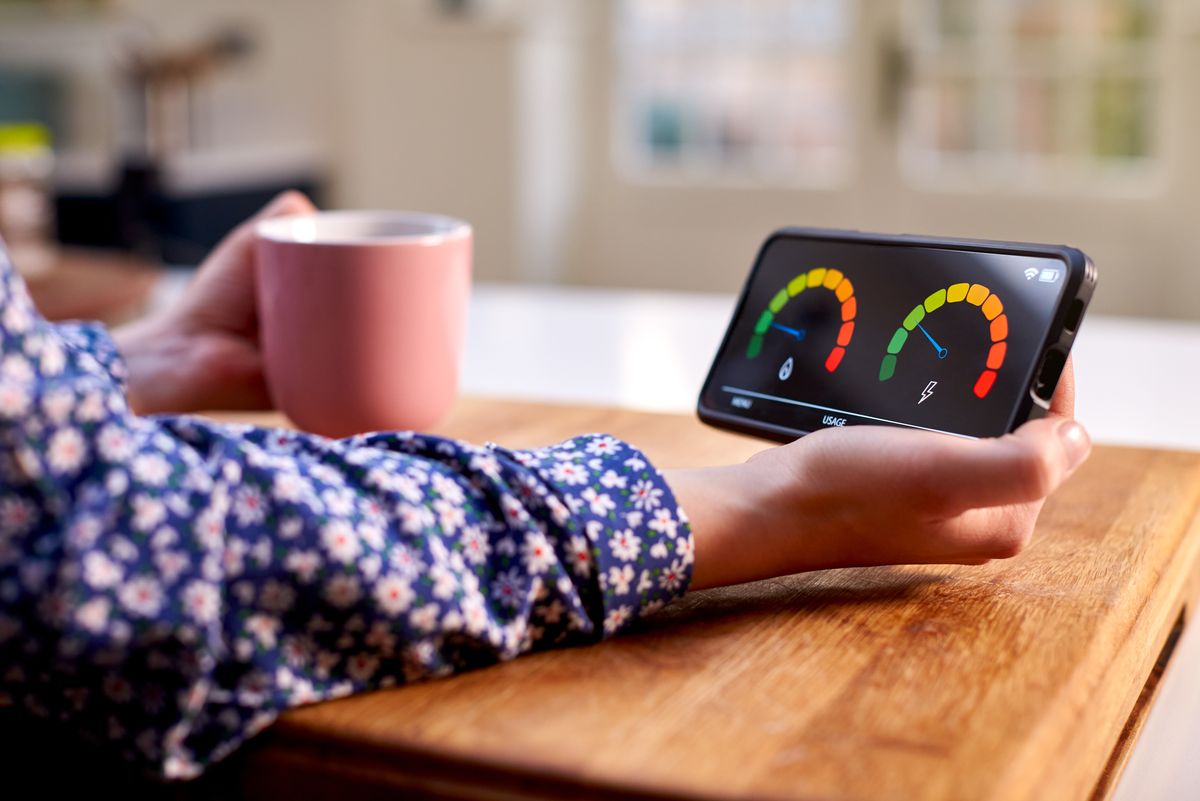
Smart meters send all the information energy companies need back to them directly(Image: Getty)
Households who face smart meter delays or failed installations will receive £40 compensation under new rules that come into force from today.
There are certain circumstances which will automatically qualify you for the compensation. For example, households will get £40 if they have to wait more than six weeks for a smart meter appointment.
Compensation will also be due if an installation appointment fails due to a fault within the supplier’s control, or when a supplier does not provide a plan for a reported issue within five working days.
The tougher smart meter rules came into effect today (February 23) to support the continued rollout of smart meters to households across the UK.
Ensure our latest headlines always appear at the top of your Google Search by making us a Preferred Source. Click here to activate or add us as your Preferred Source in your Google search settings.
Get the best deals and tips from Mirror Money
WHATSAPP GROUP: Get money news and top deals straight to your phone by joining our Money WhatsApp group here. We also treat our community members to special offers, promotions, and adverts from us and our partners. If you don’t like our community, you can check out any time you like. If you’re curious, you can read our Privacy Notice.
NEWSLETTER: Or sign up to the Mirror’s Money newsletter here for all the best advice and shopping deals straight to your inbox.
More than 70% of households across the UK currently have a smart meter or advanced meter, according to government statistics.
The watchdog said more than 900,000 previously non-operating smart meters have been repaired or replaced since 2024.
Melissa Giordano, deputy director of systems and processes at Ofgem, said: “Smart meters offer customers accurate bills, cheaper tariffs, and real-time energy use tracking.
“Every customer who wants a smart meter should get one quickly, and it should work from day one. These new rules will set clear expectations of suppliers, drive better performance, and protect consumers when things go wrong.”
It comes as energy bills look set to fall this spring. Cornwall Insight predicts the Ofgem price cap will fall from £1,758 a year to £1,641 for a typical dual fuel home.
Ofgem will announce its next price cap on February 25 – this will cover three months from April 1 to June 30.
You will be covered by the Ofgem price cap if you are on a standard variable rate (SVR) tariff, so if you’re not locked into a fixed rate deal.
But there isn’t actually a total cap on what you can pay for energy. Your bill is still charged based on how much gas and electricity you use.
The Ofgem price cap limits what you can be charged for units of gas and electricity, as well as standing charges, which are fixed daily amounts you pay to be connected to the energy network.
The price cap figure illustrates what someone with typical energy consumption can expect to pay each year.