
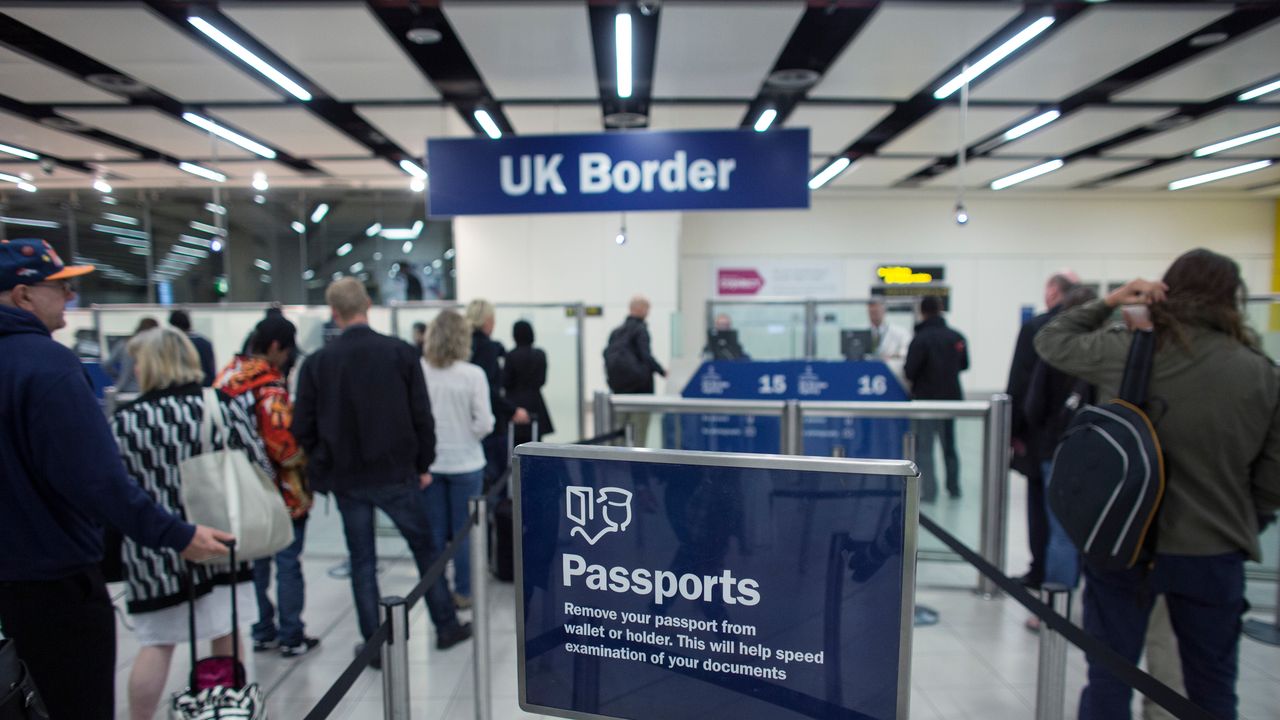
British dual nationals are facing strict new boarding checks from this week as the UK fully enforces its Electronic Travel Authorisation (ETA) system, which requires airlines and other carriers to confirm a passenger’s right to travel before departure.
From Wednesday 25 February, UK citizens who also hold another nationality are expected to show a valid British passport, a valid Irish passport, or a certificate of entitlement when travelling to the UK, and expired documents are not eligible.
In practical terms, this means travelling on a foreign passport alone may no longer be enough, even if that passport normally allows visa-free entry – and if a carrier cannot verify your status through Home Office systems, you could be refused boarding.
British and Irish citizens do not need an ETA. However, dual nationals cannot apply for an ETA to travel “as a foreign national”, which is why the government says they must prove their status using one of the approved documents.
The change was announced earlier this month, and following criticism about short notice, the Home Office has issued temporary guidance allowing airlines and other carriers, at their discretion, to accept an expired UK passport issued in 1989 or later alongside a valid passport from an ETA-eligible country, as long as the personal details match.
However, this is not guaranteed, and the final decision rests with the airline or transport operator. Here’s everything travellers need to know.

A majority of travellers now require a post-Brexit blue British passport
Getty ImagesWhat exactly is changing for dual citizens?
From Wednesday 25 February transport carriers will be expected to confirm via automated checks against Home Office records that passengers have permission to travel to the UK. For dual British citizens, that means you’re expected to present a valid, unexpired British passport or a certificate of entitlement when travelling to the UK.
Who is affected by the rule changes?
The changes are aimed at British dual nationals – people who hold British citizenship plus another nationality – who have travelled using their non-UK passport in the past. If you’re British, the UK position says you should be travelling “as a British citizen”, which requires current documentation that a carrier can verify.
When do the new rules come into effect?
On Wednesday 25 February. From that date, passengers may not be able to board without a valid document, whether that’s a UK passport, Irish passport or certificate of entitlement. However, the British government has issued temporary guidance allowing carriers, at their discretion, to accept an expired UK passport issued in 1989 or later alongside a valid passport from an ETA-eligible country, as long as the personal details match. Keep in mind that this is not guaranteed, and the final decision rests with the airline or transport operator.
Can I use the ETA system instead?
No – dual citizens with British or Irish citizenship cannot get an ETA. So if you’re British (even if you mainly live abroad), you can’t solve this by applying for an ETA like other visa-exempt travellers.