
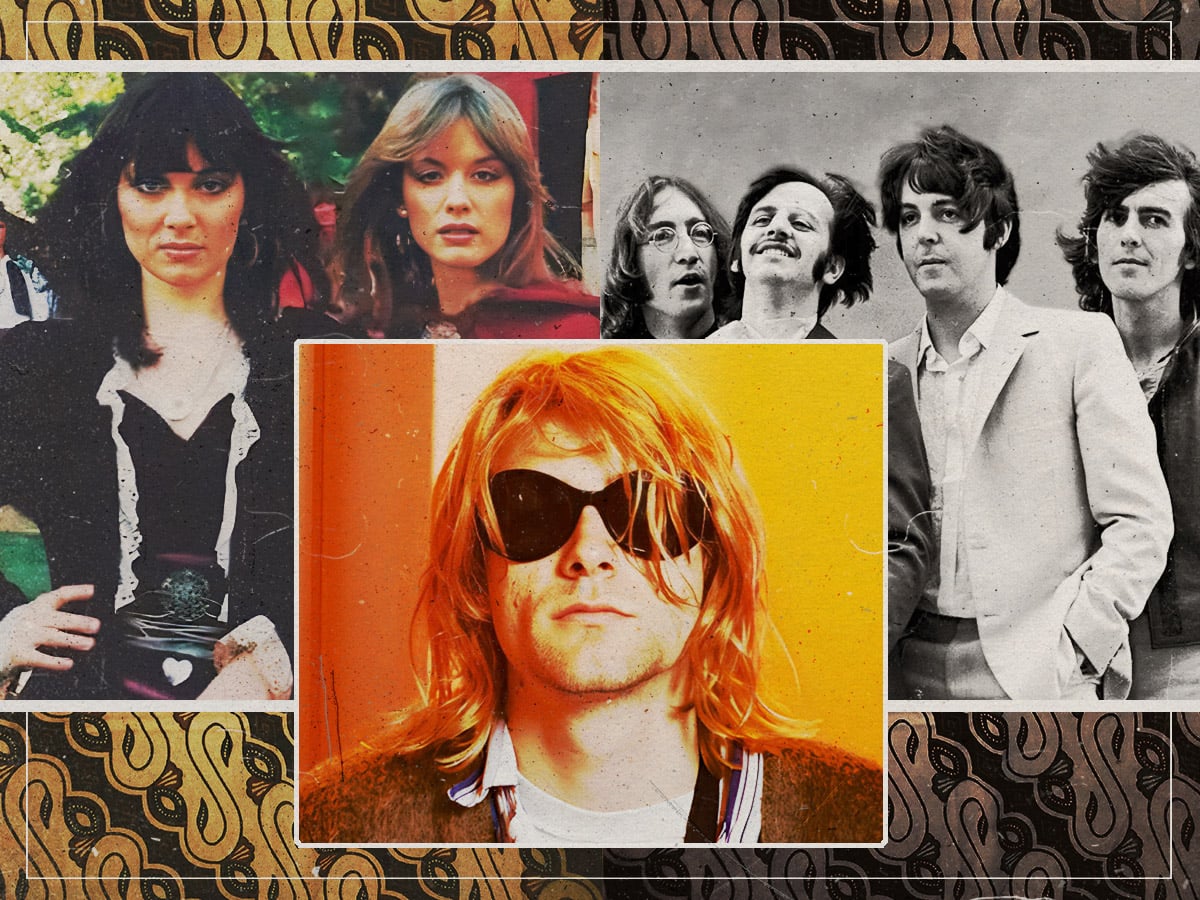
‘The Spirit of the Radio’ – Rush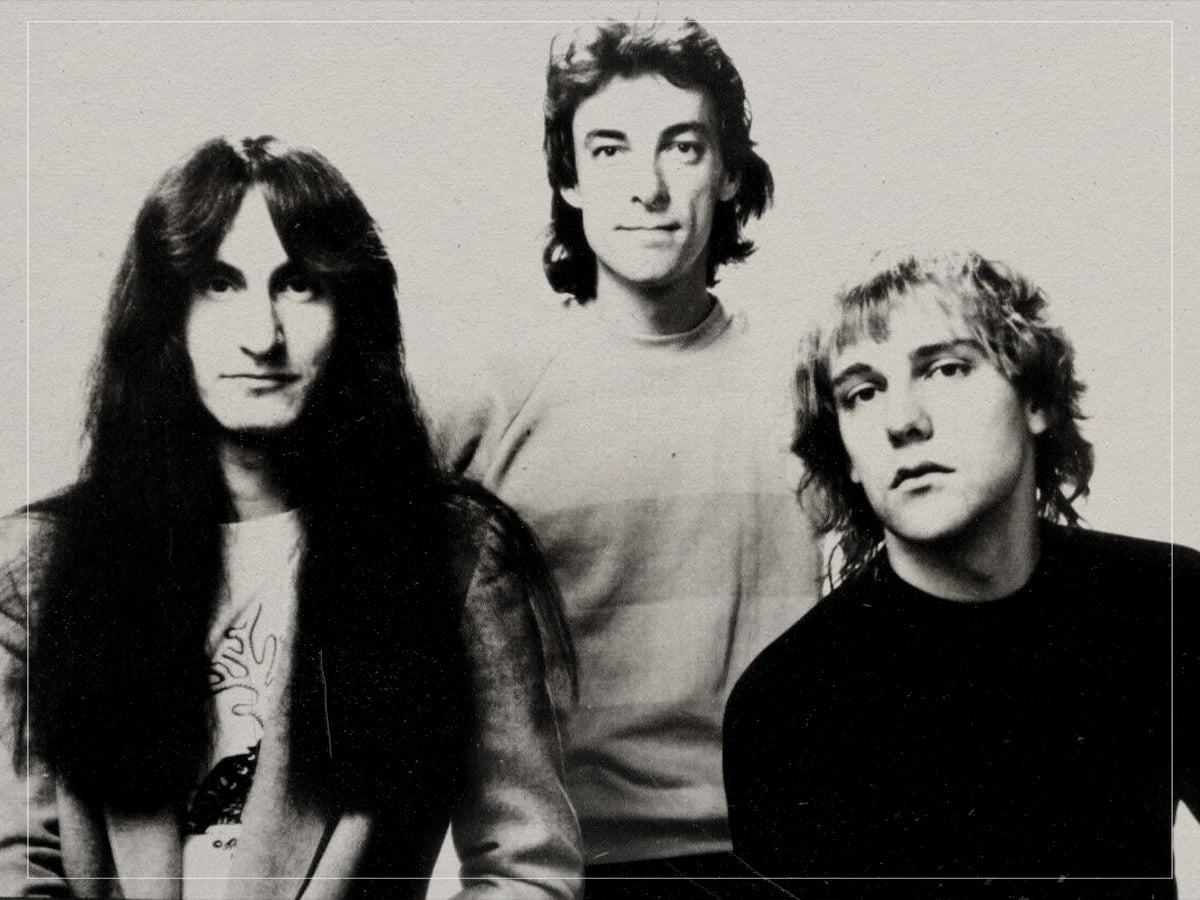
Rush was never known to write the kind of meat-headed rock lyrics everyone expected. They may have had their simple songs now and again, but listening to anything written by Neil Peart usually requires breaking out the thesaurus when trying to figure out what he’s trying to say. Permanent Waves was all about pairing their work down for the masses, but ‘The Spirit of Radio’ wasn’t afraid to talk about the manufactured side of the business.
When going through the touring cycle, Peart was shocked to see all of the people they went out on tour with giving the same rehearsed banter to everyone when they played live. Although ‘The Spirit of Radio’ sounds like it should be about the pleasures of listening to the radio, Peart is actually judging the kind of people who mindlessly listen to the radio without checking the quality of the song.
Considering how the radio mentality has been taken over by streaming services that are looking to serve the bottom line with endless playlists, Peart’s words ring true right through to today in terms of artistic drive. It might be a mouthful for Geddy Lee to sing, but a line like “glittering prizes and endless compromises shatter the illusion of integrity” is probably one of the most accurate summations of what artists must go through.
‘Complete Control’ – The Clash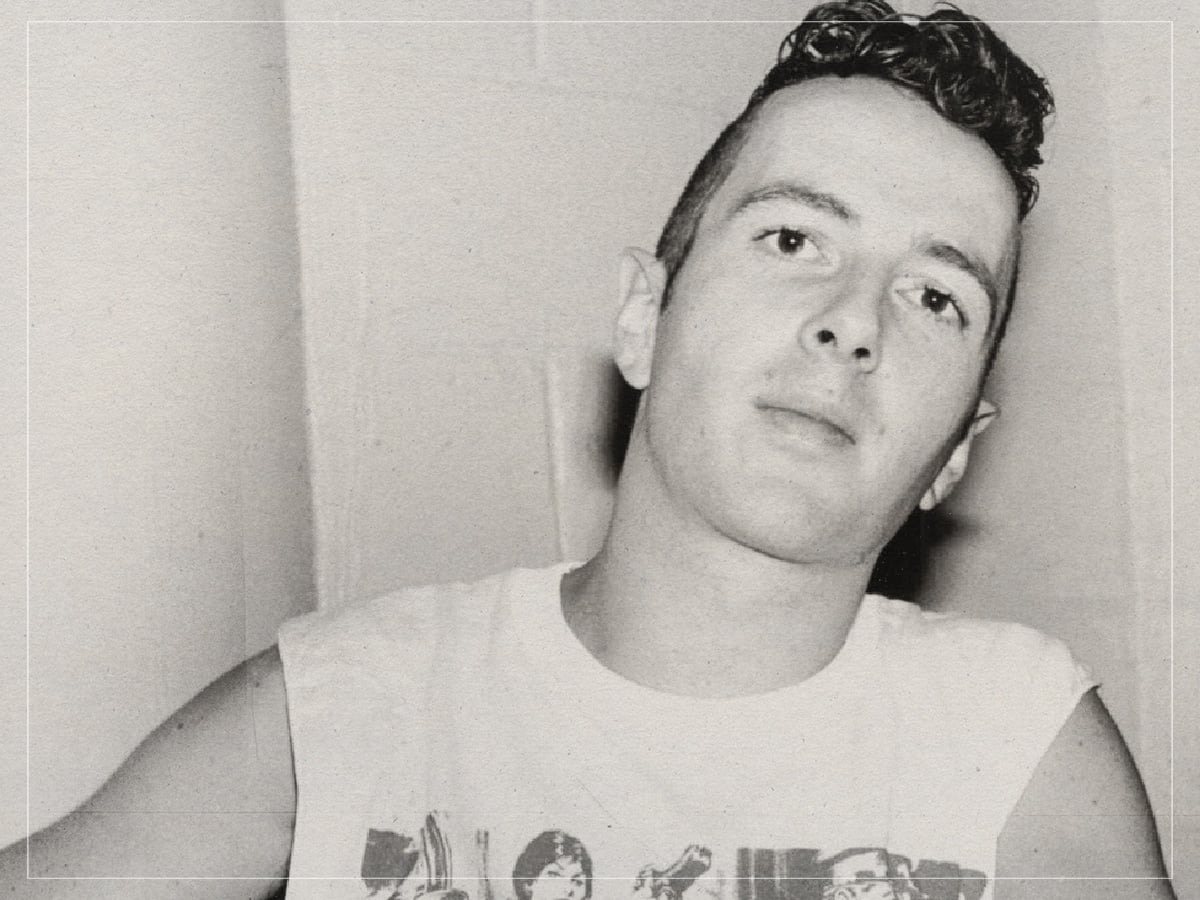
Punk rock has always been the best and worst thing for the music industry. On the one hand, you had a rock revolution that was all about rebellion against the system that kids could enjoy, and on the other hand, these guys wanted to rebel against the people who gave them a record deal. For The Clash, rebellion like this wasn’t about trying to actively undermine the industry. It was about standing by their principles, and ‘Complete Control’ was the clearest example of sticking to their guns.
When working on their debut record, the band got pushback from their label for the song ‘Remote Control’, thinking that some of the lyrics were a bit questionable. Joe Strummer would never stifle himself, but if he had to come up with something else, it would be attacking that practice. Throughout ‘Complete Control’, Strummer seethes with anger at the label for trying to come down on their material before it even hit record store shelves.
Compared to Sex Pistols wanting to knock everything down, Strummer wants to have a two-way conversation about this, asking to see their other hand after signing that record contract. Punk didn’t always have to be about destruction, and when they wanted to, The Clash were one of the only bands that could have enacted change in the world.
‘Blood From a Clone’ – George Harrison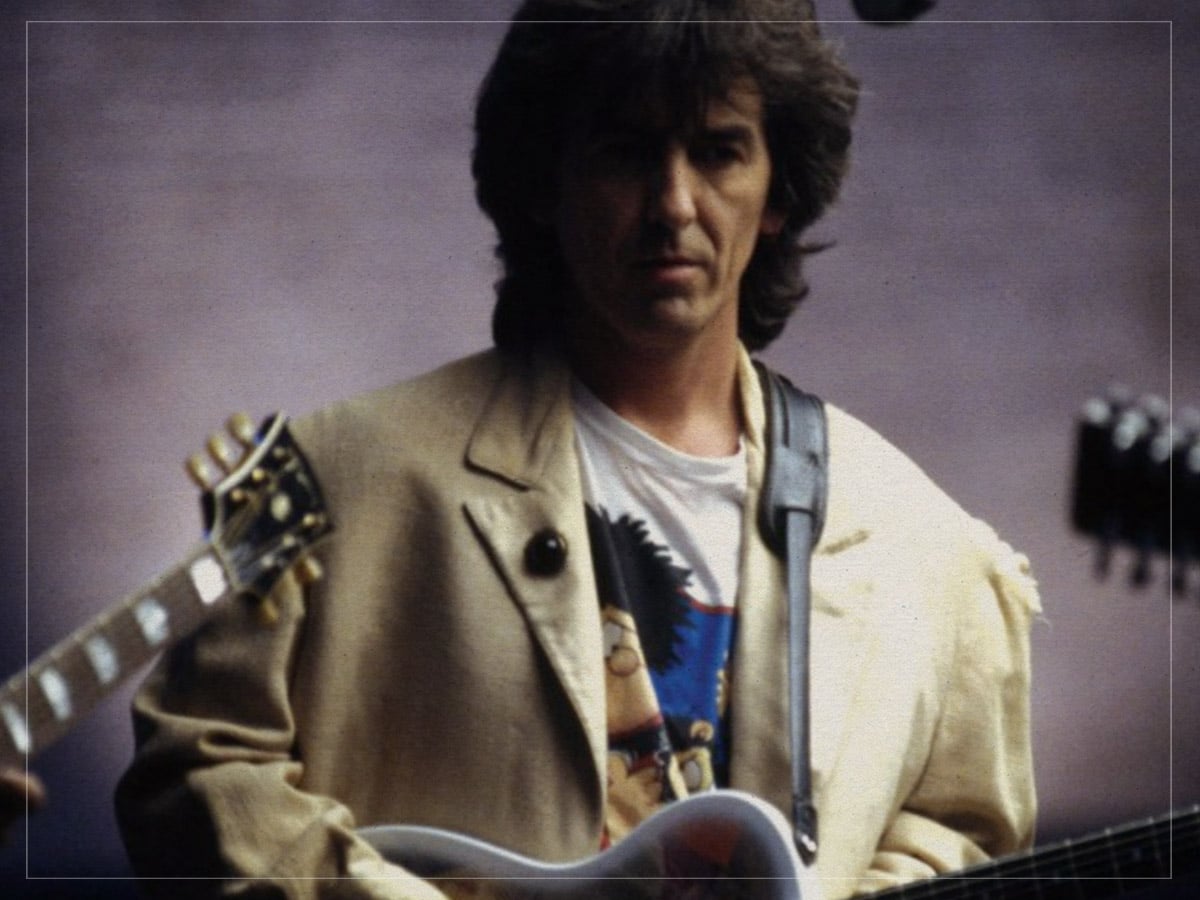
No one was going to question the creative process of a Beatle. Since they wrote the rulebook on how to write great songs, any one of them had the potential to become a breakout star in their own right when they went solo. While George Harrison was the first one to have massive hits, the well dried up when he came up for air in 1980 and was greeted with nothing from his label.
When making Somewhere in England, Harrison was sent back to the drawing board when the label told him to come up with radio-friendly material. In one of the cheekiest moves a former Beatle ever committed, ‘The Quiet Beatle’ made a new track for the album all about how much he hated going back into the studio on ‘Blood From a Clone’, including lines about feeling sucked dry by his label.
After getting out all his anger, Harrison acquiesced by giving the label ‘Teardrops’, which turned into one of the biggest flops of his career by making him trade in his guitar lines for squelchy synthesisers. If anything, the fact that the record bombed really just proved Harrison’s point of being able to do what he wanted.
‘Radio Radio’ – Elvis Costello
Elvis Costello was always on the fringes of punk rock. Though his music had little in common with the sounds of The Clash, he always looked up to the golden age of punk as a main inspiration, especially in their mentality of being able to say what you wanted to in any song. While Costello was more than happy to talk up the pleasures of the record industry within limits, ‘Radio Radio’ is the exact opposite of what the radio was probably going for.
The first verse starts off alright, talking about Costello reminiscing on his time listening to the radio as a kid, but it suddenly turns dark in the chorus. Now that he’s grown up, Costello doesn’t like what he sees on the radio, which usually involves people using shady tactics to get on the air or stations jamming mindless pop down everyone’s throats to get the right people to pay them.
Once ‘Radio Radio’ was explained, stations refused to play the track half the time, but that didn’t stop kids from finding their new rock and roll saviour, especially when he showed up at Saturday Night Live and played this song after being specifically instructed not to. Here was one of the least likely artists to be considered a punk, but he would rather go down with the ship playing what he believed than sell out.
‘Barracuda’ – Heart
It’s never easy trying to be a frontwoman in the music industry. For all of the great frontmen that have come and gone throughout history, there’s an insane double standard that comes with female-led acts that make it ten times harder for them to break through. The Wilson sisters had a passion for music more than any of their contemporaries, but when they had their backs against the wall, ‘Barracuda’ was the tune that threw everything back in their label’s face.
Since they had no idea how to market the band’s rootsy approach to music, the press began to stir the pot that maybe the Wilson sisters were lovers rather than blood-related. Pissing them off to no end, Ann Wilson would use their next single to put those gross PR representatives in their place, commenting on both the phoniness of having to put on a smile in interviews and condemning them for even entertaining the idea of messing with their lives in the first place.
Even for the 1970s hard rock scene, the song could hold its own against any other hard rock band, male-fronted or otherwise, especially when the roaring guitars come in with the signature gallop that you would find in metal years later. It may not have been inching towards metal territory just yet, but it’s amazing what a band can do when they have nothing but passion and anger at their disposal.
‘Money Becomes King’ – Tom Petty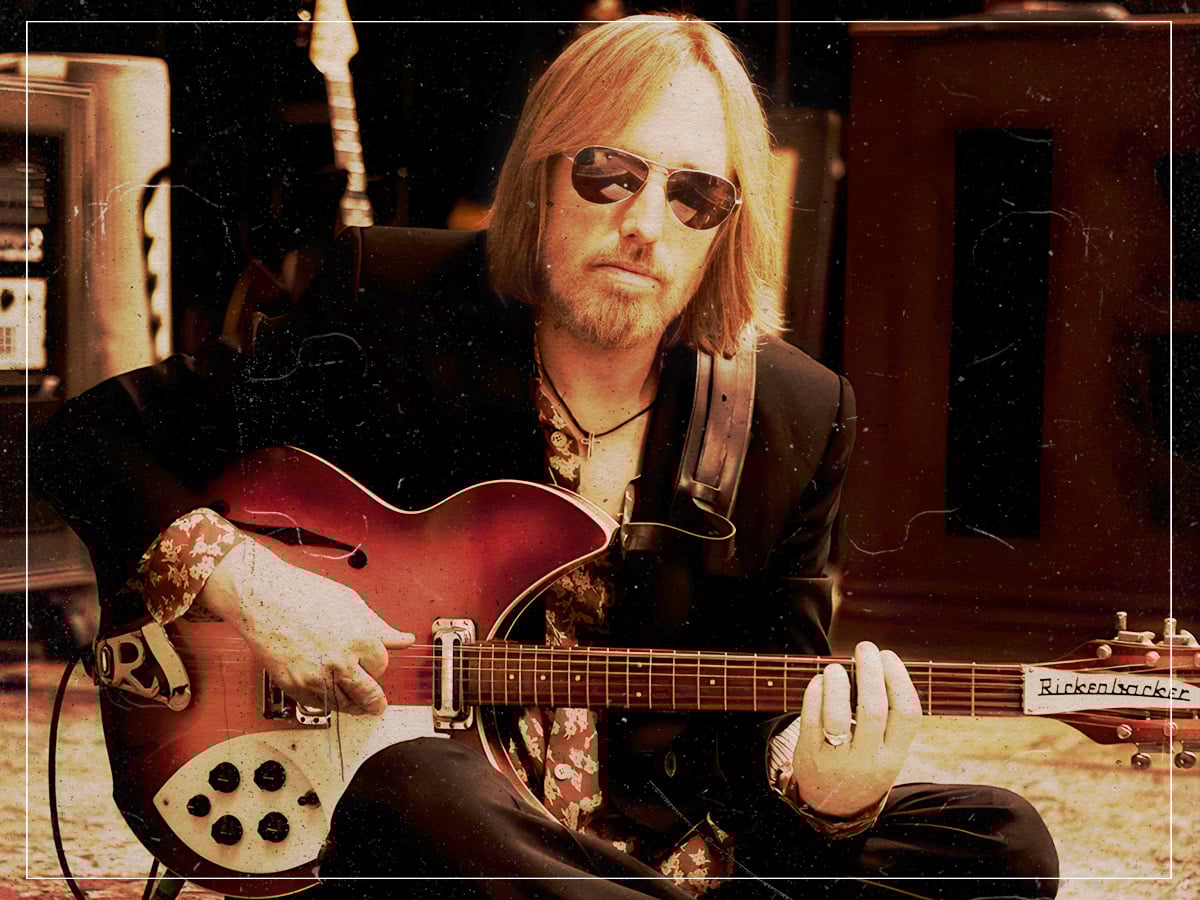
For the music industry, no other artist has been more of a thorn in its side than Tom Petty. He may have had some huge hits, but the amount of criticism he threw at everyone, from his label to the manufacturers trying to hype up the price for his album, was more than most suits could tolerate. At the end of the 1990s, the band entered a new phase in the record industry, and Petty didn’t exactly like what he saw.
While The Last DJ serves as a dense concept album about what the sleazy side of the business looks like, ‘Money Becomes King’ puts us right in the action. Following the character of John becoming a rock star and sticking to his morals, Petty sings from the perspective of a fan as his idol suddenly goes from the voice of the people to a manufactured puppet in just a few years.
Just when he starts looking like the next version of The Beatles, his shows start to become glorified beer commercials, where the industry executives are the only ones who can ever afford the good seats. John may have gotten to be one of the biggest acts in the world, but considering how much was lost along the way, was it really worth the cost?
‘You Never Give Me Your Money’ – The Beatles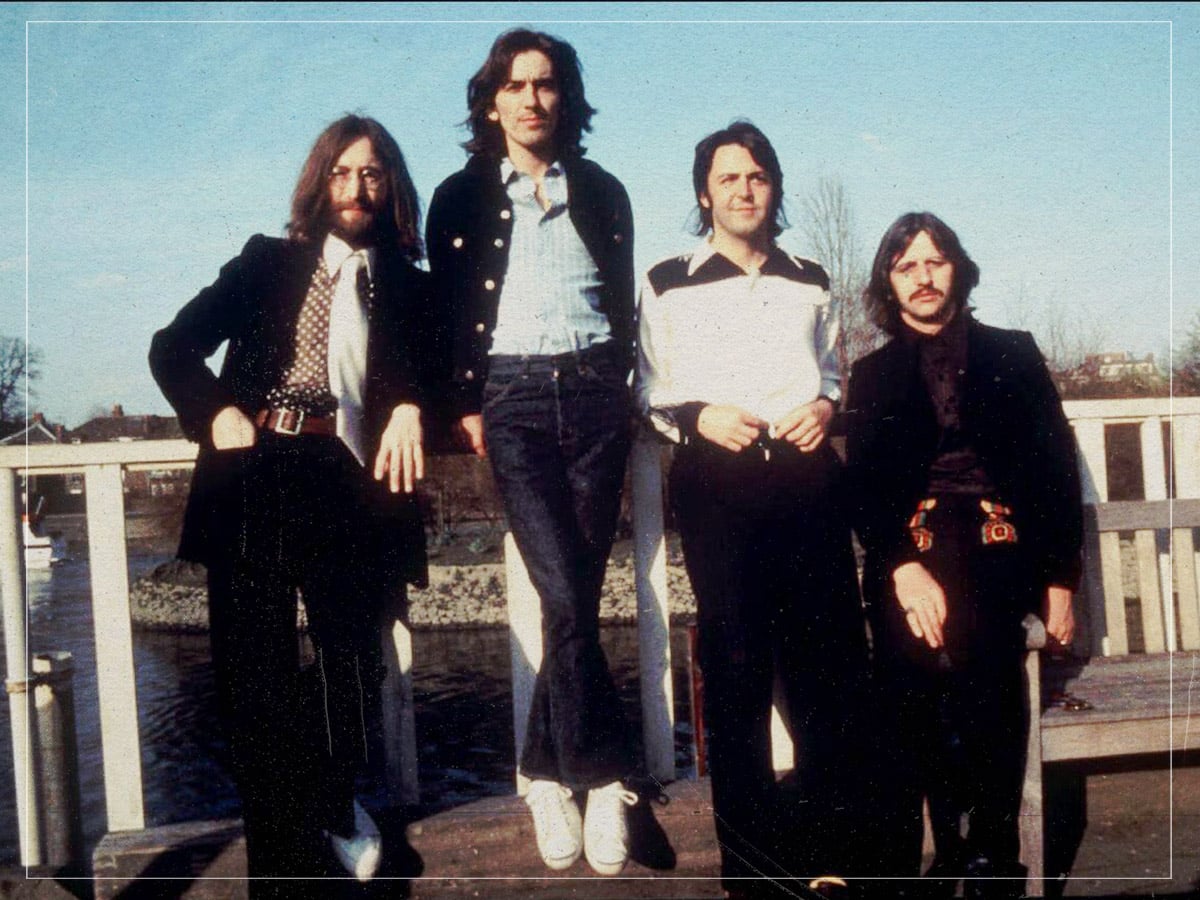
It’s time that everyone starts pointing fingers at Allen Klein for breaking up The Beatles. Yoko Ono certainly put a wrench into things, but the sleazy US businessman who had wrecked The Rolling Stones’ finances did nothing but divide the Fab Four throughout the final days of their career. While Paul McCartney was always known as the optimistic one of the group, even he couldn’t hold back when making Abbey Road.
Introducing the medley on the second side of the record, ‘You Never Give Me Your Money’ is the one song that McCartney wrote about hating the business meetings they were being naked to participate in. Since the band could never find any common ground, this is the one track used to attack Klein, only wanting to put funny paper in McCartney’s hands rather than be upfront with him.
The same melody from even returns in ‘Carry That Weight’, which feels like the answer to the first version. While The Beatles had been carrying themselves for a few years, this was the breaking point where it felt like everything had become too much for any of them. There’s no telling what they could have done had they stayed the course, but having a guy instigating arguments as a manager would never make for the most diplomatic ending.
‘Serve The Servants’ – Nirvana
The success of Nirvana was both a dream come true and the worst nightmare of Kurt Cobain. Although he may have loved the idea of being in a popular band that toured around the world, the baggage that came with it, along with feelings of selling out, had started to get to Cobain the minute that ‘Smells Like Teen Spirit’ started going mainstream. Cobain wouldn’t make that mistake again, and the kickoff to In Utero was a firm shot at what the fame machine had done to him.
Opening with a barrage of guitar screeching, Cobain isn’t even trying to hide his spite, saying that he made his profits off of teenage angst and now he doesn’t know what to do now that he’s at the top of the mountain. Nirvana was now an empire, though, so Cobain says that he has no choice but to serve his new audience, even though they are far from the cool indie kids who loved him back in the day.
While In Utero was meant to be a harsh listen, it’s almost ironic that the ‘Serve the Servants’ is still fairly catchy, even with a guitar solo that’s trying its best to sound like one of the most discordant noises in the entire song. Cobain probably knew that anything he released after Nevermind would take off, so he may as well be honest when he still has the ear of the public.
‘Death on Two Legs’ – Queen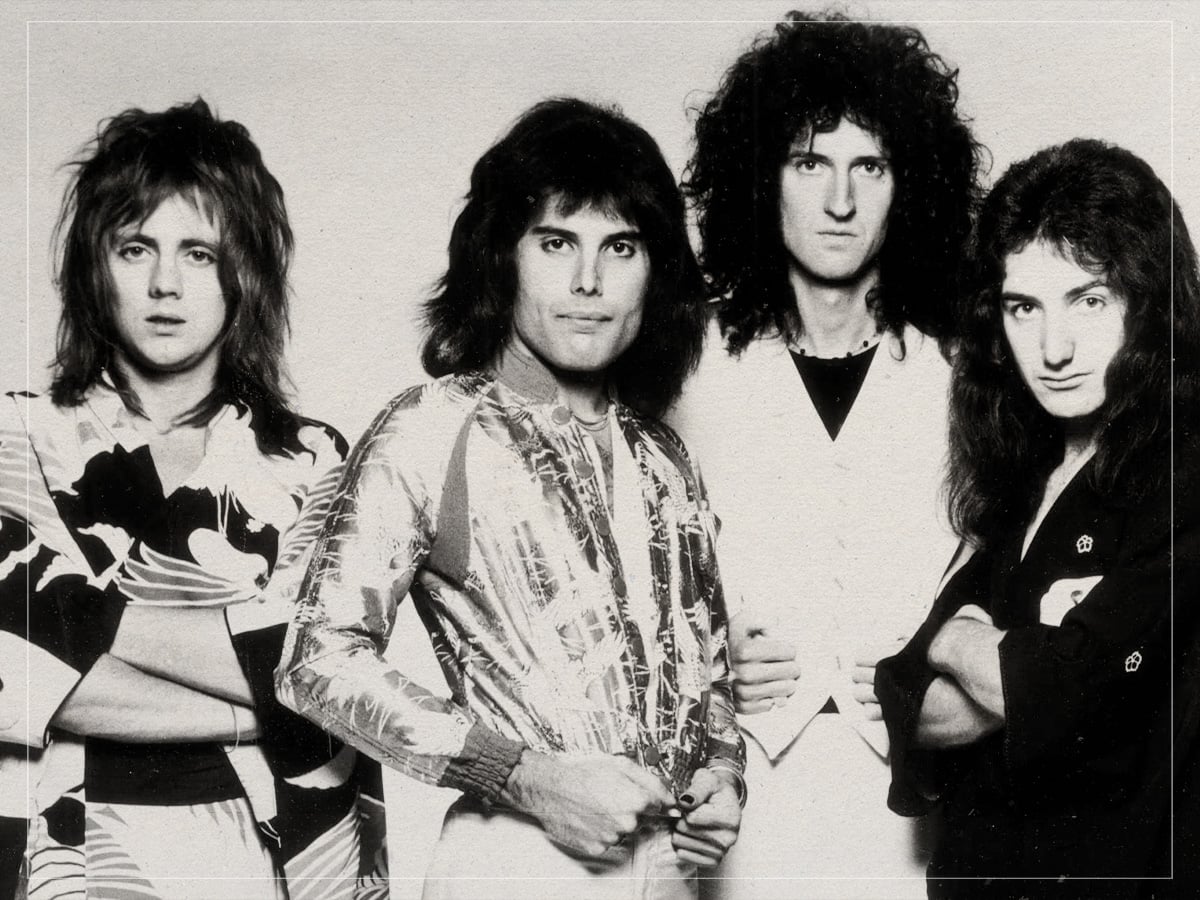
The entire record industry has been based on shoddy contracts. Although it’s nothing but pieces of paper at the end of the day, the details lying in the fine print have been screwing bands out of their royalties for years. Although Queen was known for being prim and proper when it came to making their records, Freddie Mercury got cheeky when it came to their manager on ‘Death on Two Legs’.
After having their first hits with tracks like ‘Killer Queen’, the band came out for air and realised they were broke, with their manager taking most of the money for himself. After getting new management for the album A Night at the Opera, the opener was Mercury’s not-so-subtle “fuck you” to the man who ruined their lives, saying that he never had a heart and living with a cesspool of pride.
Even though there’s clearly meant to be a lighthearted side to ‘Death on Two Legs’, there was still a lot of anger behind Mercury’s voice. No matter how catchy the track was meant to be, he had been taken for a fool by his manager, and this song would let that man know that a singer like him should be the last person you should mess with.
‘Welcome to the Machine’ – Pink Floyd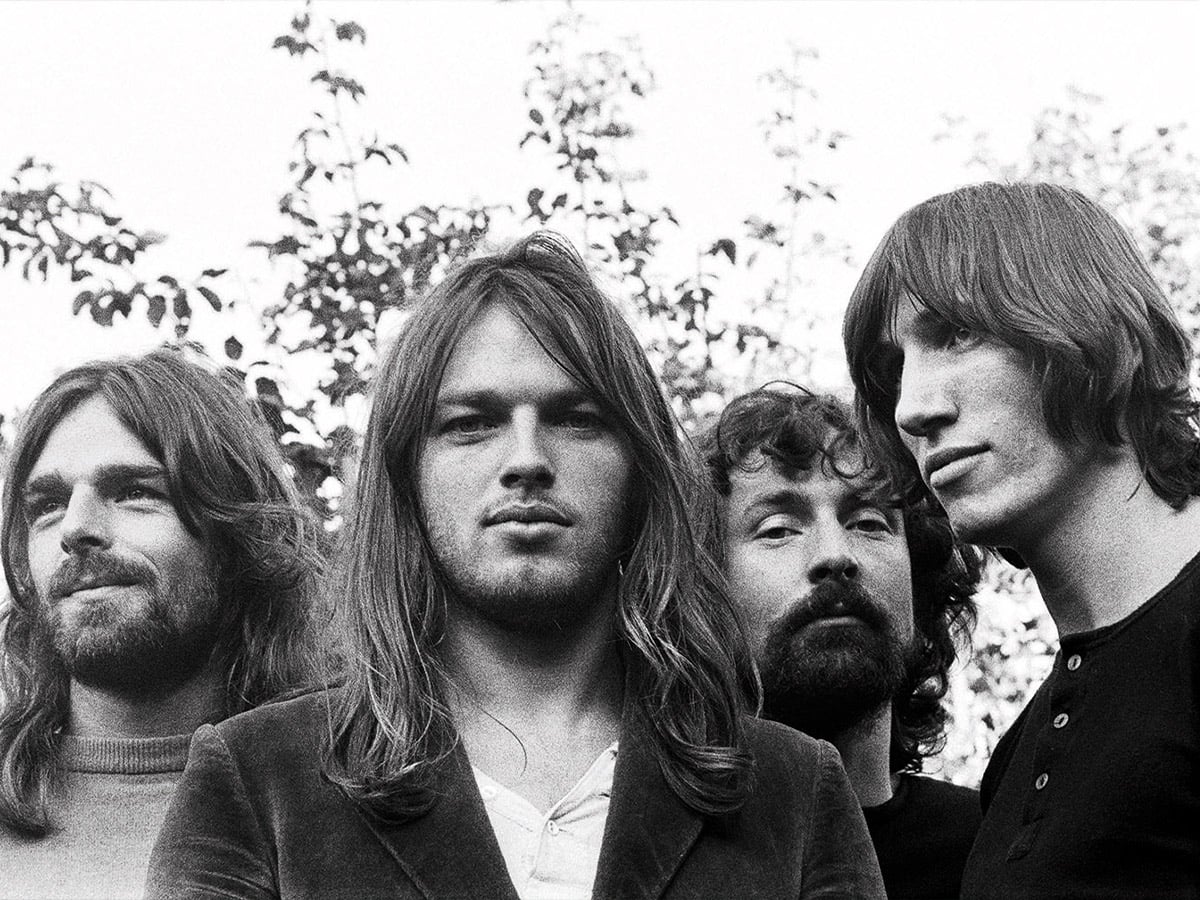
If Pink Floyd had the chance to do their careers over again, they may not have wanted to get into the industry in the first place. They had their peaks and valleys in their career, but seeing artists like Syd Barrett fall prey to their own sanity at the expense of the industry was like a horror film come to life for them. Once they reached the top of the mountain, Roger Waters would do everything he could to warn anyone who came after him.
Though Wish You Were Here is meant to be a joyful tribute to Barrett, the non-tribute tunes all have to do with the harsh reality that happens behind closed doors. Sounding like a dystopian business meeting, David Gilmour sings about this kid finally entering the music business and being told what he was supposed to dream and must follow specific instructions if he wants to be a star.
Even though there are allusions to Barrett halfway through the song about a kid who played a mean guitar, the real moral of the story is about knowing what you’re getting yourself into. You may think that the life of playing stadiums and recording studios feels like a dream, but there are only so many steps you can take before you start feeling like a hamster on a wheel in this business.