
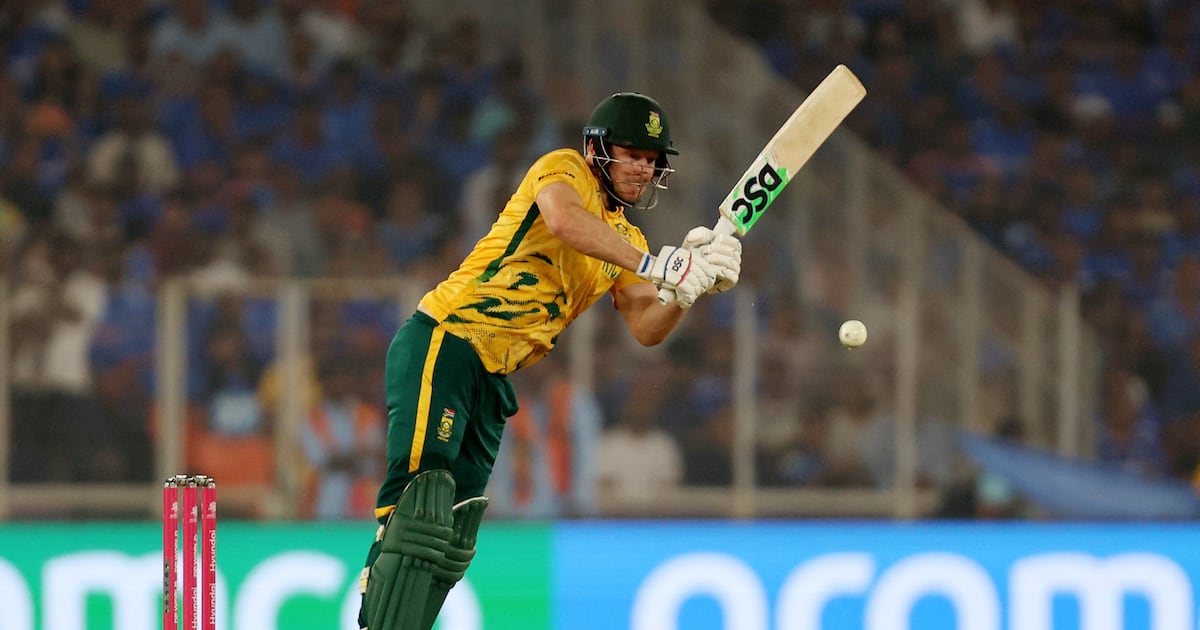
South Africa’s thumping 76-run victory over India at the Narendra Modi Stadium in the first Super Eight game at the T20 World Cup on Sunday was greeted with cheers around the rest of the cricket-playing world, a reaction that sadly reflects the host country’s own propensity to treat the results of cricket matches as far more than mere sporting contests.
Evidently the problem is infectious and the delight in seeing the Indian team beaten goes well beyond the fact that they are hosts, favourites and defending champions. There is just a little too much glee for that.
The schadenfreude effect is not directed at the players. Unusually for any international squad, there is barely a shard of prickle among any of the current Indian players.
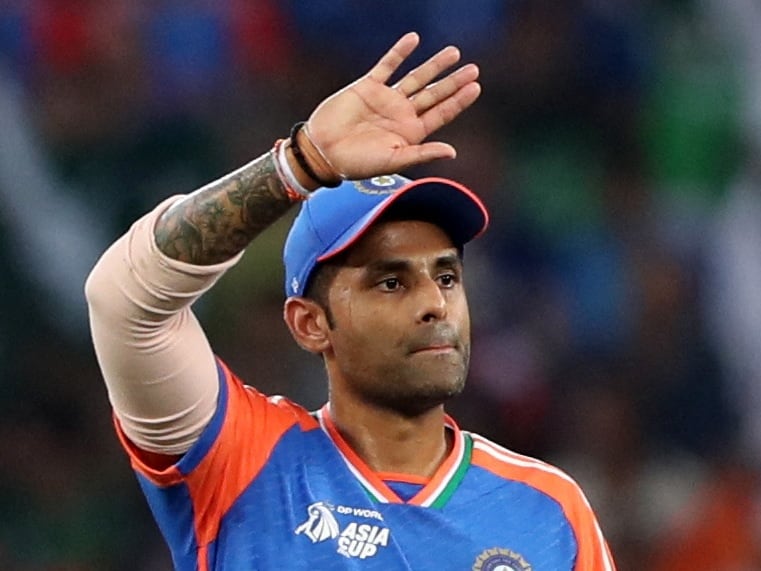 India captain Suryakumar Yadav. Picture: (SATISH KUMAR)
Captain Suryakumar Yadav has stoically borne the personal criticism for refusing to shake the hand of his Pakistan counterpart; the pettiness is an instruction from on high. Not his employers, the Board of Control for Cricket in India (BCCI), but from the man whose name adorns the stadium where his team were thrashed.
If there is a perception that criticism of the BCCI, and the fervently nationalistic BJP government that controls it, comes only from outside India, it is incorrect. An editorial in India’s Telegraph newspaper at the weekend encapsulated the views of many millions of the population: “It took a while for cricket’s erstwhile bosses, England and Australia, to come to terms with this reality, but 25 years into this century, every cricketing nation has come to accept that India is world cricket’s paymaster,” it declared before suggesting that hegemonistic paymasters should know how to behave more wisely.
When the Modi government instructed the BCCI to instruct the Kolkata Knight Riders to dump Muslim Bangladeshi bowler Mustafizur Rahman from their IPL squad (having just signed him for $1m at the player auction) it was the first flap of the butterfly’s wings. It resulted in Bangladesh’s absence from the T20 World Cup and a threat to the international game’s most golden egg — the India-Pakistan match.
Last week there were reports in the UK that the four teams with Indian owners in England’s Hundred competition would not consider buying Pakistani players at the player auction. This put ironic smiles on the faces of some South African coaches for whom the option of using players from Pakistan in the SA20 never existed.
‘Bullies with no strategic sense’
“This willingness to use cricketers as grist for the government’s communal mill isn’t clever,” said Mukul Kesavan, author of the Telegraph column. “India might get its way in the ICC [International Cricket Council] for now but, in the long term, no national cricket board is dying to be the sidekick of an 800-pound gorilla with a sideline in coercion. Hegemons don’t behave this crudely; bullies with no strategic sense do.
“The BCCI and its political bosses have overreached. If they don’t learn to play nice with other members of the ICC from a position of strength, they will find out that no country by itself can ever be the only game in town.”
There is but a single way in which South Africa can disrupt India’s monopoly of the world game, and that is on the field.
Of all the “other” Test-playing nations that rely on India for their survival, South Africa is the most vulnerable — mostly because financial forecasting for the next four years was based on a rand-dollar exchange rate of 18:1.
Whereas the England Cricket Board can afford to assure equity, inclusivity and workers’ rights campaigners that it will do everything possible to ensure that Pakistan’s players are not excluded, Cricket South Africa cannot. Nor can the SA20.
Indian-owned franchise teams worldwide do not employ players from Pakistan. It is an ugly vendetta but also one that is tolerated (if it is even acknowledged) as one of the prices to pay for Indian and Indian Premier League investment. Besides, the ability and worth of cricketers to a franchise is a subjective view. There will be Pakistan players in The Hundred auction. Four teams may rate them and bid for them. Four will not.
There is but a single way in which South Africa can disrupt India’s monopoly of the world game, and that is on the field. Sunday’s performance was one of the boldest and most clinical in the Proteas’ T20 history.
David Miller was player of the match but Marco Jansen, Dewald Brevis, Tristan Stubbs, Keshav Maharaj and Lungi Ngidi weren’t far behind. Ngidi, by the way, did not concede a single boundary in his four overs, which happens about as often as batsmen scoring a century in men’s T20Is. A win against either West Indies on Thursday or Zimbabwe next Sunday will ensure a semifinal place. And the mouth-watering possibility of meeting India again, in the same stadium, in the final.