

Even though temperatures have gone up this week, some nasty viruses are at the ‘highest levels’ of the winter
13:52, 25 Feb 2026Updated 14:53, 25 Feb 2026
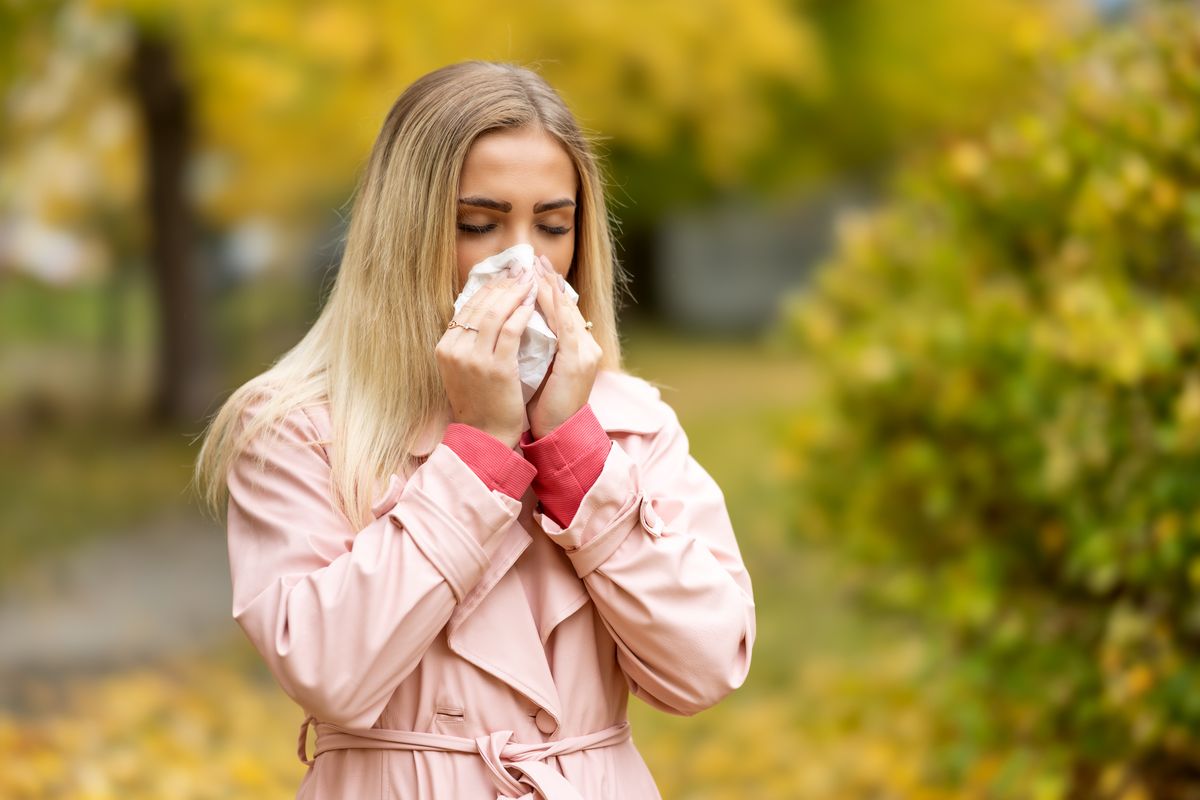
People need to watch out for 8 nasty viruses which are sweeping the country currently(Image: Getty)
England is seeing a bit of a surge in temperatures this week, with it forecast to hit 18C in some places on Wednesday. It’s been weeks of rain and cold – and in those conditions some nasty viruses flourish as people lock themselves away indoors, making it more likely for viruses to spread.
However, even though the weather has improved a bit, there are still some nasty illnesses hitting people across England. Latest figures from the UK Health Security Agency, which covers England, show around eight viruses are causing people to fall ill currently – with some like Covid 19 and influenza dropping slightly. However, the norovirus levels have soared to their highest levels so far.
According to the NHS, cases of norovirus have “doubled” in just one month. Last week NHS England explained that norovirus cases in hospitals have risen to their “highest level” so far this winter.
There were an average of 1,012 patients in hospital with norovirus each day. Data published on February 19 showed the average number of patients in hospital with norovirus each day this week rose to over 1,000 for the first time this winter (1,012).
The total is a jump of almost nine percent (8.9 per cent) in cases compared with the previous week (929). And the average number of norovirus patients in hospitals per day rose by more than 2.5 times from the start to the end of January (from 361 to 950). NHS England said the country was facing a “second surge” as cases rose again in February after briefly stabilising at the start of the month.
Respiratory syncytial virus (RSV) is said to be at ‘medium’ levels with human metapneumovirus rising. Here is a run down of infection levels of key winter viruses currently circulating in England and what the symptoms to watch out for are:
Norovirus
There were an average of 1,012 patients in hospital with norovirus each day. Data published on February 19 showed the average number of patients in hospital with norovirus each day this week rose to over 1,000 for the first time this winter (1,012). Norovirus, also called the winter vomiting bug, is a stomach bug that causes vomiting and diarrhoea. It can be very unpleasant, but usually gets better in about 2 days, the NHS says.
Norovirus causes sudden, violent vomiting and watery diarrhoea, typically starting 12–48 hours after exposure and lasting 1–3 days. Other common symptoms include stomach cramps, nausea, fever, headache, and muscle aches. It is highly contagious, often spreading in closed environments, and requires staying hydrated
It is caused by a virus that spreads through poo and can spread to others very easily. You can catch norovirus from:
Close contact with someone with norovirusTouching surfaces or objects that have the virus on them, then touching your mouthEating food that’s been prepared or handled by someone with norovirusDrinking unclean water or infected foodCovid 19
Levels of Covid 19 have ‘stabilised’ according to the UK Health Security Agency. In the latest figures 765 cases were detected in the week until February 11. 39 deaths have been reported in the week to Feb 6, with 514 patients admitted to hospital testing positive.
COVID-19 symptoms commonly include a high temperature, new continuous cough, loss of smell/taste, fatigue, aching body, headache, sore throat, and nasal congestion. Symptoms are similar to colds/flu, with many recovering in a few weeks, though some may experience more serious, long-term illness.
If people have symptoms they are being told to stay home and avoid contact with other people. The NHS adds: “Avoid meeting people who are more likely to get seriously ill from infections, such as people with a weakened immune system, for 10 days after the day you took your test.”
Influenza
Influenza activity decreased and is circulating at baseline levels the UKHSA said. Latest figures show a positivity rate of 3.7 per cent in tests, with hospital admissions in the 7 days to Feb 2026 as 1.3 per 100.000. Emergency department (ED) attendances for influenza-like-illness decreased, the NHS reported. Flu symptoms come on very quickly and can include a sudden high temperature, an aching body, feeling tired or exhausted, a dry cough, a sore throat, headache, difficulty sleeping and stomach problems.
Respiratory syncytial virus (RSV)
Respiratory syncytial virus (RSV) is one of the common viruses that cause coughs and colds in winter. RSV causes mild symptoms in most people, but can be serious for some infants, older adults and people with chronic medical conditions. Latest figures say RSV is circulating in the UK at ‘medium’ levels.
RSV symptoms typically start like a common cold—runny nose, coughing, sneezing, fever, and decreased appetite—appearing in stages 4–6 days after infection. While most recover in 1–2 weeks, it can cause severe breathing issues (bronchiolitis/pneumonia), including wheezing, rapid breathing, and, in infants, irritability or severe lethargy.
Adenovirus
Adenovirus positivity remained stable at 1.3% in the latest figures, with the highest positivity in those aged under 5 years at 7.7%. Adenoviruses are a group of common, highly contagious non-enveloped DNA viruses that typically cause mild respiratory infections (colds, sore throat, fever, bronchitis) or stomach issues (gastroenteritis). Most people, especially children, experience at least one infection before age 10. They can also cause conjunctivitis (pink eye).
Adenovirus infections typically cause mild, cold-like symptoms—fever, sore throat, cough, and runny nose—that appear 2 days to 2 weeks after exposure. They are highly contagious, often affecting children, and can also lead to pink eye, diarrhea, vomiting, ear infections, or bronchitis. Symptoms usually resolve on their own, but severe cases, particularly in immunocompromised individuals, may require medical attention.
Human metapneumovirus (hMPV)
The UKHSA said hMPV positivity increased slightly to 3.5%, with the highest positivity in those aged under 5 years at 5.2%. HMPV is a virus that usually causes symptoms similar to a cold. People might cough or wheeze, have a runny nose or a sore throat. Most cases are mild, but young children, adults over 65 and people with weakened immune systems are at a higher risk for serious illness. HMPV is common — most people get it before they turn 5.
Parainfluenza
Positivity increased slightly to 3.4%, with the highest positivity in those aged under 5 years at 7%. Human Parainfluenza Viruses (HPIVs) are common respiratory viruses that usually cause mild, cold-like symptoms. HPIVs are associated with croup in young children.
Some people, such as children and adults with weakened immune systems, may be more likely to develop severe illness. Washing hands, not touching your face, and not being in close contact with people who are sick can help prevent infection.
Rhinovirus
Positivity remained stable at 11.7%, with the highest positivity in those aged under 5 years at 26.8%. Rhinoviruses are the most frequent cause of the common cold and are a common viral trigger for asthma attacks. Most rhinovirus infections cause no symptoms or mild symptoms.
They can also cause severe illness, especially if you have a weakened immune system, asthma, or another underlying medical condition. People who are at increased risk for severe infection include children born prematurely, people who are infected with more than one respiratory virus, people who are immunocompromised and children with one parent with a hypersensitive immune system.
Ensure our latest headlines always appear at the top of your Google Search by making us a Preferred Source. Click here to activate or add us as your Preferred Source in your Google search settings.