
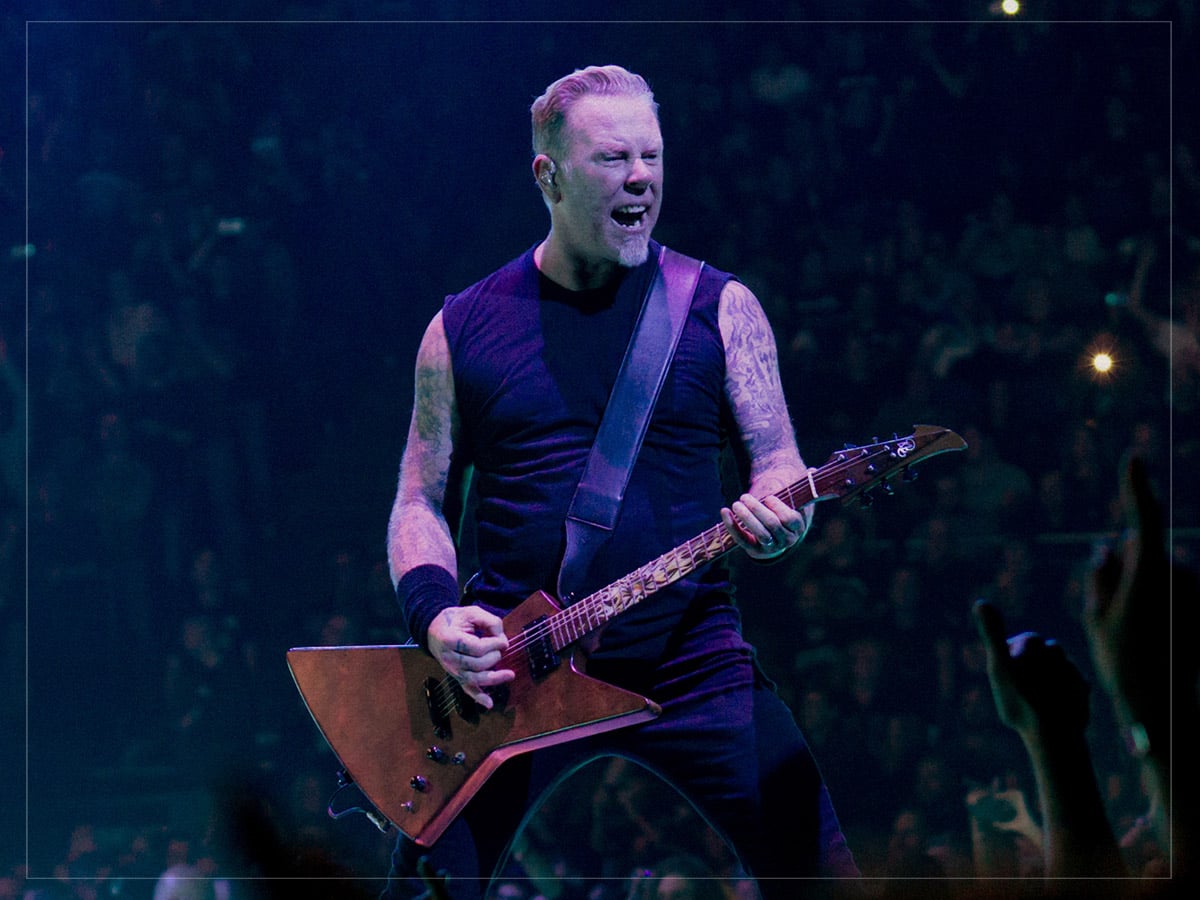
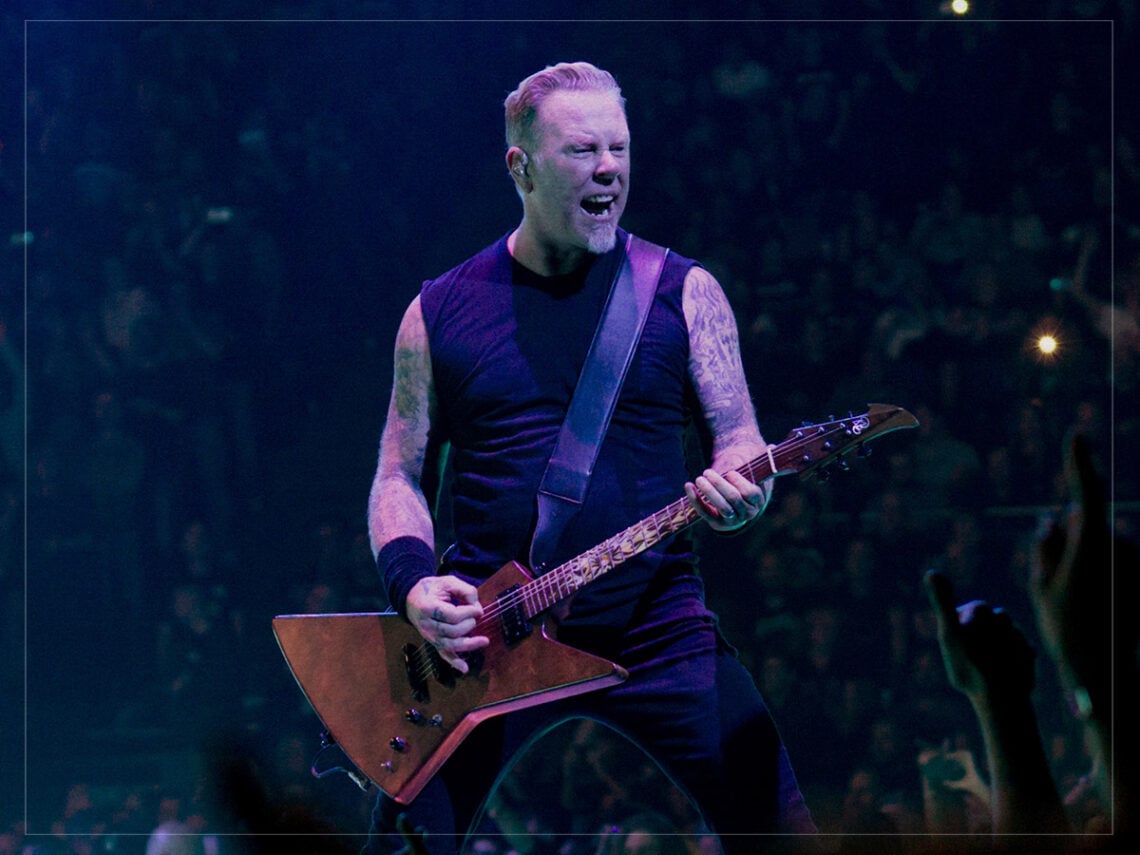
(Credits: Raph Pour-Hashemi)
Wed 25 February 2026 23:00, UK
You can call Metallica a lot of things, but ‘weak’ is never really one of them.
As much as people might rag on them for being sellouts, there was nothing wrong with them following their bliss, and especially looking at the wealth of metal classics that they have given us, it’s not like they were exactly the softest metal band in the world when they got started. They were out there to kick everyone’s ass from the moment they started playing, but James Hetfield felt that more than a few tunes weren’t going to get past his watchful eye if they weren’t up to their standards.
After all, they had made the mistake of churning out forced songs before, and they don’t often result in the best material. ‘Escape’ might be one of the best albums that they have ever made, but Hetfield has said time and time again that there’s no reason for it to exist on the same album that has ‘Creeping Death’ and ‘Fade to Black’. Even on records that are brutal from cover to cover, it’s not like there aren’t a few times on And Justice For All where a few riffs don’t feel shoehorned in for the hell of it.
But if there was any album that was going to be the most divisive, it was The Black Album. Load and Reload didn’t have their fans because of them becoming more glamorous behind the scenes, but by the time that ‘Enter Sandman’ became one of their biggest songs of all time, you would have sworn that they had personally spit in every single fan’s face by the way they were reacting to it. As far as they could tell, this was nothing but trash, but that might be from those who didn’t actually listen to the record.
Because anyone who thinks that The Black Album is an objectively poor record has to be high out of their minds. Bob Rock may have had a more pop-friendly resume, but it’s hard to think that any metal fan would have had a problem with a song like ‘Sad But True’ or ‘The God That Failed’, given that those songs are a much heavier offering than what came before. But if they were already turned off by production that sounded glossy, bringing in the strings for a ballad was one step over the line.
Metallica were no strangers to softer tunes like on ‘One’ or ‘Fade to Black’, but even with their token slow song on this album with ‘The Unforgiven’, ‘Nothing Else Matters’ was a different matter entirely. This was them going into unknown territory, and even when Hetfield was writing the song, he felt that there were parts that sounded far too weak to ever be associated with the band.
He was already known as the metal badass everywhere he went, so hearing that he has feelings that he wants to express wasn’t exactly the direction he wanted to go down, saying, “What was it about not wanting to write a love song? That’s pretty easy. It’s a huge sign of weakness. You’re in Metallica. This is hardcore. What the fuck are you doing? But that song was for me. It’s about being on the road, missing someone at home. But it was written in such a way that it connected with so many people.”
In all fairness, the song is a lot simpler than the rest of Metallica’s catalogue, but that leaves everything wide open to add some more depth to everything. Making a love song isn’t known as the toughest thing that a band could do, but since Black Sabbath had their fair share of ballads and romantic songs like ‘Planet Caravan’, what was the harm in doing the same thing with this tune?
They already had more emotional songs that lashed out in anger, like on ‘Dyers Eve’, so ‘Nothing Else Matters’ was simply another version of that kind of approach. It was a lot softer and got more than a few million people to buy the record, but it didn’t mean that they were a lesser metal band because they made softer music. If anything, it took courage for them to make something that sounded this vulnerable.