
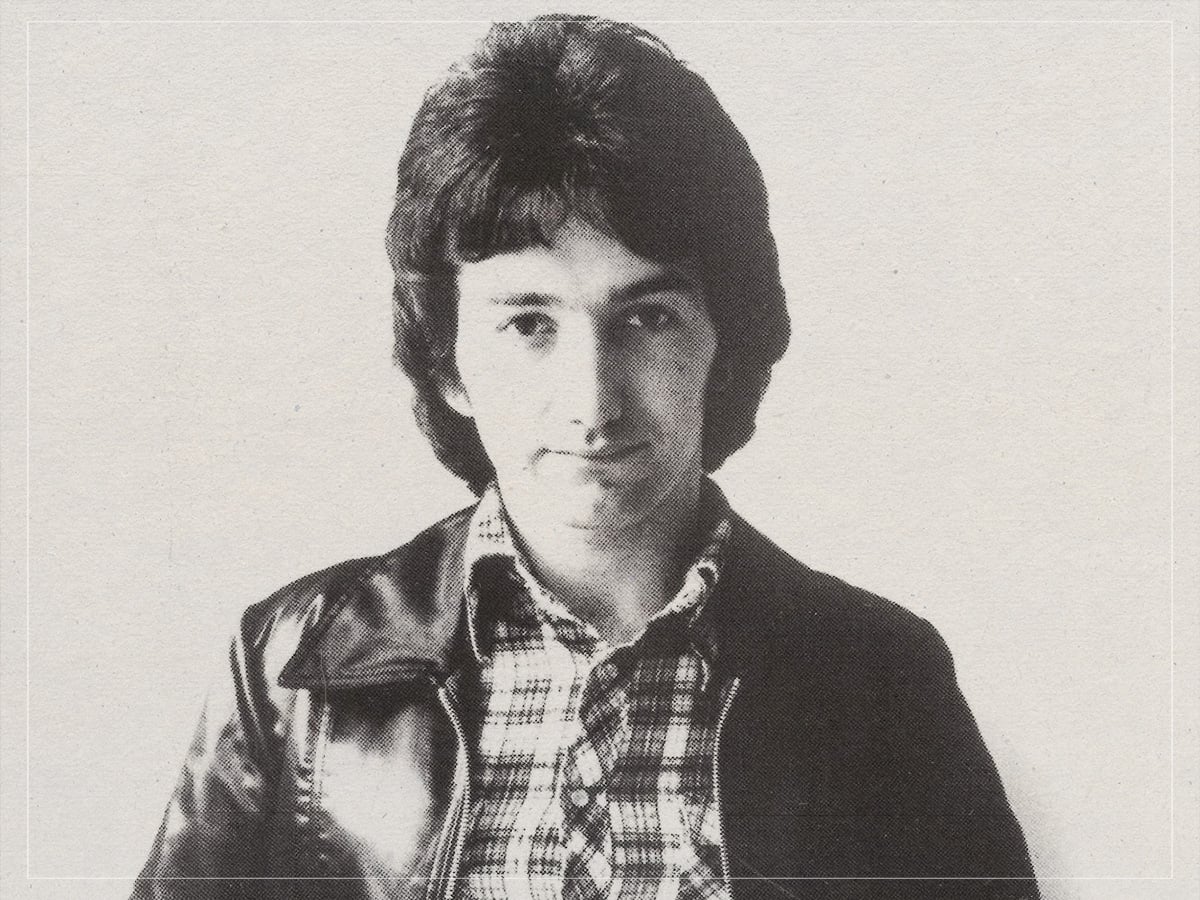
(Credits: Far Out / Christopher Hopper / Elektra Records)
Fri 27 February 2026 6:00, UK
Punk might have established itself as the abrasive to commercial, mainstream rock back in the 1970s, but the divide between those two very disparate musical worlds wasn’t always quite as binary as the likes of Johnny Rotten might have you believe.
Particularly during its early days, when the scene was void of any musical talent above simple barre chords, punk was the complete antithesis of the big-budget flamboyance of mainstream rock. In typical fashion, though, it didn’t take long for the music industry to infiltrate punk, signing the likes of the Sex Pistols and The Clash to major record labels and making a marketable product of the previously subversive scene. With that shift, punk’s influence began to bleed over into chart rock, too.
Few bands typified the sound, look, and attitude of that mainstream realm back in the 1970s like Queen. Initially following in the footsteps of hard rock harbingers, by the mid-point of the decade, the Freddie Mercury-fronted outfit had already explored a vast range of influences within their own work, including a few notable run-ins with the punk revolution.
During one famous incident, recounted by Mercury during a 1980s interview, Queen recorded News of the World in the same studio as the Sex Pistols recorded Nevermind The Bollocks, leading to a rather confrontational encounter in which the singer disparagingly called Sid Vicious “Simon Ferocious,” which went down about as well as you’d expect with the bassist.
That encounter certainly highlighted the different worlds which these two groups occupied, but it was not the only time that Queen collided with the world of punk – in fact, one of the band’s most recognisable anthems owes a core part of itself to that abrasive inspiration.
As lead guitarist Brian May recalled to Guitar World back in 2024, punk’s influence crept into Queen’s 1980 track ‘Another One Bites the Dust’ thanks to John Deacon. “There are all sorts of things that might not be the things you expect,” the guitarist shared.
“You know, on ‘Another One Bites the Dust’, I didn’t play the rhythm; John played that. He played it on a Stratocaster, I think,” May explained, “He was very much influenced by the punk guitarists, which I’m not so much.”
Having Deacon play rhythm on that track completely transformed the sound of the song, and of Queen in general, worlds apart from the big-haired hard rock flamboyance of their 1970s output. Although the single hardly sounds as though it was lifted directly from a Damned record, or any punk outfit, really, the guitar playing is certainly distinct from the band’s previous works.
Not only does the single reflect Queen’s unending penchant for musical discovery and experimentation, incorporating a variety of different sounds and scenes into their operatic output, but also just how quickly punk was able to infiltrate the mainstream.
What had begun in 1976 as a total rejection of the mechanics and head honchos of the music industry was, by 1980, being used as inspiration for chart-topping hits like ‘Another One Bites The Dust’, even though a band like Queen would never overtly identify themselves as punk.